Streamlined Elegance: Three-Stage Paint Correction
SCHEDULE ONLINE GET A FREE ESTIMATEExperience the timeless allure of a flawlessly polished vehicle with the ultimate luxury in automotive care—the transformative
three-stage paint correction process. Let's dive into this remarkable transformation, where science meets aesthetics to birth immaculate beauty—one that's more than skin deep and redefines how you envisage car detailing. You'll discover how each meticulous stage strips back layers of grime and wear, revealing a mirror finish that rivals showroom glimmers. Buckle up and imbibe yourself in a journey from dullness to an awe-inspiring gleam with this comprehensive guide! The road to streamlined elegance starts here.
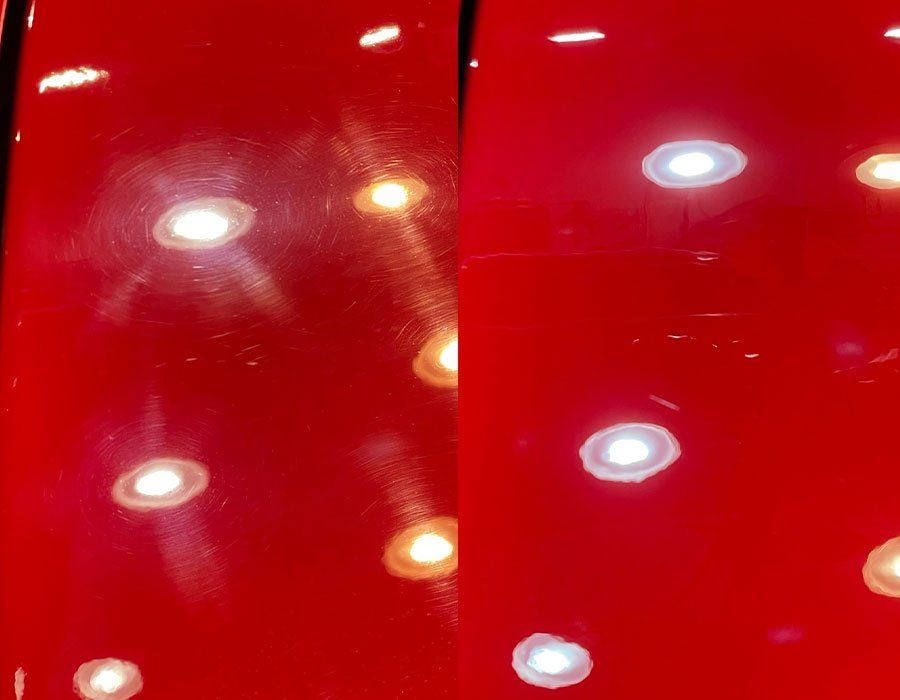
Understanding Paint Correction
Paint correction is a meticulous and intricate process that aims to restore and enhance the appearance of a vehicle's paintwork. It involves several stages of polishing, compounding, and refining the surface to remove imperfections such as swirl marks, scratches, water spots, oxidation, and other blemishes that can dull the paint's shine.
At its core, paint correction is all about achieving a flawless finish by safely removing a thin layer of the clear coat, which is the topmost protective layer of a car's paint. By carefully leveling the surface and removing imperfections, the underlying layers of paint are revealed, showcasing their true luster and providing a renewed depth and glossiness.
Paint correction requires skillful techniques, specialized tools, and premium products to achieve professional-grade results. It is typically carried out by trained detailers who have a deep understanding of various paint systems, including single-stage and basecoat/clearcoat finishes. They meticulously analyze the condition of the vehicle's paintwork, assess the severity of imperfections, and determine the appropriate level of correction needed.
It's important to note that paint correction is different from touch-up painting or spot repairs. While touch-ups focus on addressing specific damaged areas, paint correction encompasses the entire surface to achieve an even and uniform appearance throughout the vehicle. Learn more about the stages of paint correction!
Advantages of Paint Correction
The benefits of paint correction extend far beyond mere aesthetic improvements. Let's delve into some key advantages that make this automotive detailing process highly sought-after:
- Enhanced Appearance: Paint correction can transform a vehicle from looking lackluster and worn to regaining its showroom-like elegance. By eliminating visible imperfections like swirl marks and light scratches, it restores clarity and reflectivity to the paintwork, giving it a mirror-like finish.
- Increased Resale Value: Whether you're planning to sell your car or simply want to maintain its value, paint correction can significantly boost its resale value. A well-maintained and aesthetically appealing vehicle with flawless paintwork attracts potential buyers and allows you to command a higher price.
- Protection from Environmental Damage:
Paint correction not only improves the appearance but also provides a layer of protection against future environmental damage. By removing contaminants and sealing the surface, it forms a barrier that helps shield the paint from harmful UV rays, acid rain, bird droppings, and other corrosive substances.
- Longevity of Paintwork: Regular paint correction can extend the lifespan of your vehicle's paintwork by effectively addressing issues before they worsen. By preserving the clear coat and preventing oxidation, it helps prolong the overall durability and integrity of the paint.
- Improved Safety: Optimum visibility is crucial for safe driving, especially at night or in adverse weather conditions. Paint correction eliminates swirl marks and haze that can impede light reflection, ensuring sharp and clear visibility for enhanced safety on the road.
- Satisfaction in Ownership: Taking pride in owning a well-maintained vehicle goes beyond practicality. It evokes a sense of satisfaction and enjoyment every time you see your car looking its best. With paint correction, you can enjoy the remarkable feeling of driving a meticulously polished automobile.
With these advantages in mind, it's evident why paint correction is considered the ultimate automotive detailing process for those seeking streamlined elegance and wanting their vehicles to stand out from the rest.
Steps Involved In Three-Stage Paint Correction
When it comes to achieving the pinnacle of automotive detailing perfection, three-stage paint correction stands out as an exceptional option. This meticulous process involves multiple stages of corrective measures, refining the vehicle's paintwork to a level of unparalleled brilliance and flawlessness. Let's dive into the steps involved in this transformative process.
First, the vehicle undergoes a thorough wash to remove any dirt, grime, or debris that could potentially interfere with the correction process. Once clean and dry, a series of abrasive compounds are applied to the surface during the initial stage known as compounding.
During compounding, a cutting compound is utilized to remove light scratches, oxidation, and other imperfections from the clear coat. This stage is meticulously executed using machine buffing techniques and specialized pads to ensure an even application across all areas of the vehicle.
The second stage is where a finer abrasive polish is employed to further refine the surface and minimize any remaining minor scratches or swirl marks from the compounding stage. This step is essential to achieving a smooth and uniform appearance across the vehicle's paintwork.
After completing the polishing stage, it's time for the final step: finishing. This involves applying a fine-grade polish or glaze to enhance glossiness and clarity while providing additional protection against environmental contaminants. Hand-polishing techniques may be employed during this phase to address intricate areas or delicate parts of the vehicle.
It's important to note that throughout these three stages of paint correction, experienced detailers exercise great care and precision to avoid any damage to surrounding trim pieces or neighboring surfaces. The expertise lies not only in addressing existing imperfections but also in achieving a seamless blend between corrected and untouched areas for an overall harmonious finish.
Light Scratch and Swirl Repairing
One of the key stages in the three-stage paint correction process is light scratch and swirl repair. No matter how well we take care of our vehicles, scratches and swirl marks can inevitably find their way onto the paintwork over time. These imperfections not only detract from the overall appearance but also hinder the reflection of light, giving a duller look to the vehicle's finish.
To address these unsightly blemishes, professional detailers employ various techniques and specialized tools. They carefully inspect the paint surface to identify the depth and severity of scratches or swirl marks. Then, using specific compounds and polishing pads, they delicately work to remove or minimize these imperfections. It is important to note, however, that paint correction can only remove and repair minor scratches. The paint correction process may not consistently be effective in repairing deep scratches.
After performing scratch and swirl repair, the next stage in the three-stage paint correction process is compound polishing for imperfection removal.
Compound Polishing for Imperfection Removal
Compound polishing plays a vital role in the ultimate goal of achieving flawless paintwork. Once the surface has been properly assessed and light scratches or swirl marks have been addressed, it's time to focus on removing other minor imperfections such as oxidation, fine scratches, water spots, and light etching.
To carry out compound polishing, professional detailers use specialized compounds that contain abrasives designed to refine the paint surface. These compounds contain varying levels of abrasiveness, allowing for precision in treating different imperfections based on their severity and type.
By carefully selecting the appropriate compounds and pairing them with suitable polishing pads, detailers can gently remove imperfections while minimizing any potential damage to the clear coat. The process involves using a machine polisher to evenly apply the compound and work it into the paint surface in a controlled manner.
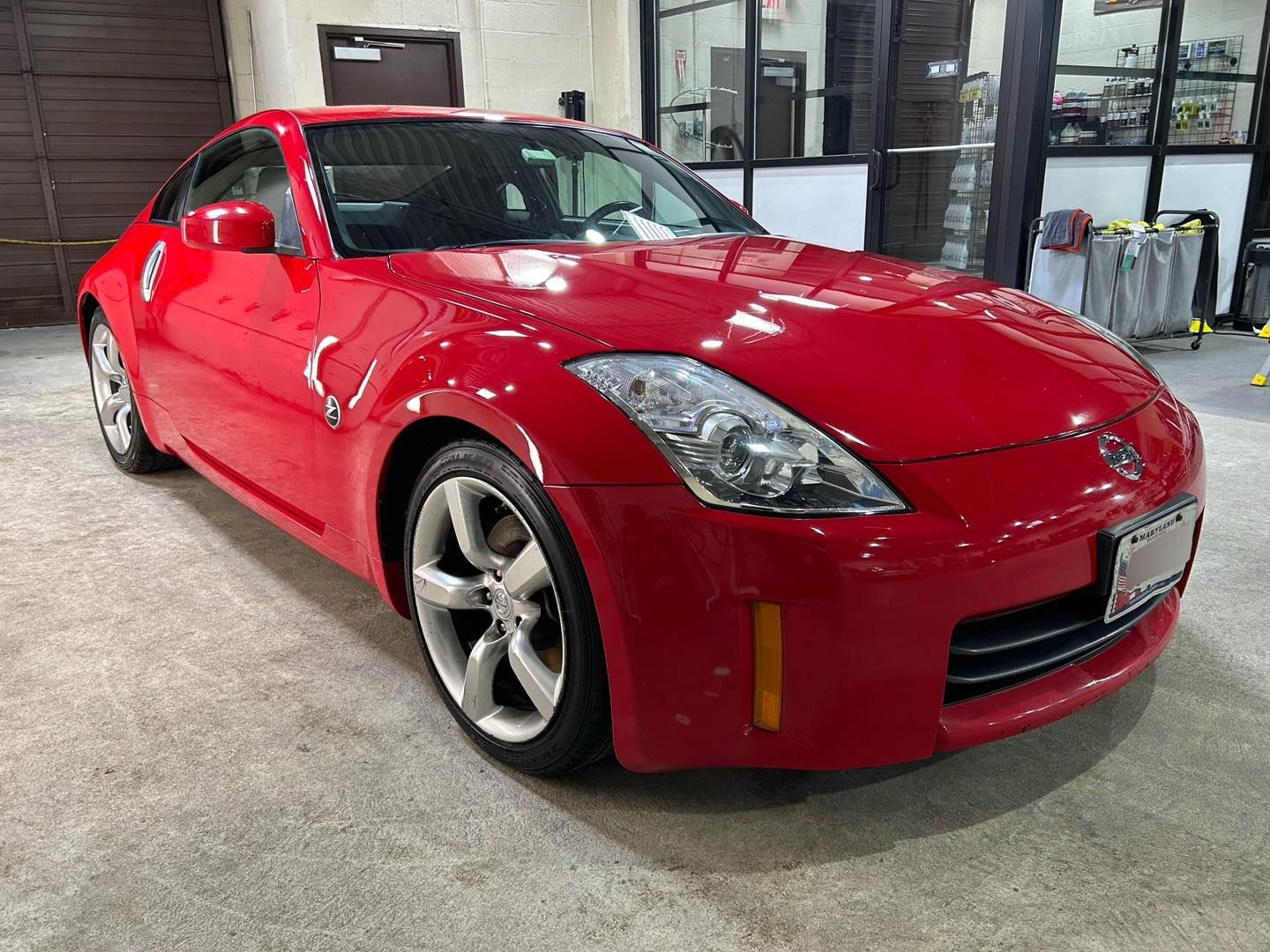
Selecting Appropriate Paint Correction Products
When it comes to paint correction, selecting the right products is crucial for achieving optimal results. The process involves removing defects such as swirl marks, minor scratches, and oxidation to restore the paint's clarity and shine. Let's dive into the key considerations for selecting appropriate paint correction products.
First and foremost, it's important to identify the severity of the imperfections on your vehicle's paintwork. This assessment will determine the level of aggressiveness needed in your paint correction products. For lighter defects, a mild abrasive polish or compound would be suitable. However, for deeper scratches or heavily oxidized surfaces, a more aggressive compound may be required.
Next, consider the type of paint on your vehicle. Different paint finishes, such as single-stage or clear-coat, require specific products for effective correction. Single-stage paints are less common today but can still be found on older vehicles. These paints have an integrated color and protective layer. Clear-coat finishes are more prevalent in modern vehicles and require specialized products that won't damage the clear coat layer.
Another factor to consider is the effectiveness and safety of the products themselves. Look for reputable brands known for their quality and reliability in the automotive detailing industry. Research product reviews and seek recommendations from professionals or experienced enthusiasts to ensure you're investing in top-notch products.
Keep in mind that using the right tools alongside your paint correction products is essential for achieving desired results. Quality foam or microfiber pads paired with appropriate buffing machines can significantly influence the efficiency and outcome of your correction process.
Post-Correction Care and Expected Results
After undergoing the meticulous process of paint correction, it is crucial to provide proper care and maintenance for your vehicle's newly restored finish. This post-correction care will ensure that you preserve the achieved results and keep your vehicle looking its best for an extended period.
One vital aspect of post-correction care is avoiding abrasive or harsh cleaning methods that can damage the freshly corrected paintwork. Instead, opt for gentle car wash techniques using a pH-neutral shampoo and microfiber wash mitts or towels. These tools will minimize the risk of introducing new scratches or swirl marks.
Additionally, regular application of a high-quality wax or sealant can provide an extra layer of protection for your vehicle's paint. This protective barrier helps to shield against environmental contaminants, UV rays, and oxidation. Be sure to follow the manufacturer's instructions when applying these products for optimal coverage and longevity.
Furthermore, incorporating safe washing practices such as using the two-bucket method, utilizing grit guards, and drying with soft microfiber towels can help maintain the flawless appearance achieved through paint correction.
It's important to note that while paint correction restores the paintwork's clarity, depth, and shine, it cannot prevent future imperfections entirely. The longevity of the corrected finish depends on various factors, such as weather conditions, driving habits, and maintenance routines. However, with the right practices and commitment to proper care, you can enjoy the stunning results of a three-stage paint correction for an extended period.
Maintenance Tips Post-Paint Correction
Congratulations on completing the three-stage paint correction process! Your vehicle's exterior is now restored to its true potential, showcasing a flawless and radiant finish. To ensure that your investment in paint correction lasts as long as possible, it is essential to follow some maintenance tips post-paint correction.
Regular Washing: The foundation for maintaining your newly corrected paintwork is regular washing. However, it's crucial to use appropriate products and methods to avoid introducing swirl marks. Opt for a high-quality pH-neutral car shampoo and use the two-bucket method, where one bucket contains clean water for rinsing off dirt from the wash mitt before reapplying soap. This prevents contamination and ensures that abrasive particles won't be swirled back onto the surface.
Consider using a microfiber wash mitt or a grit guard insert in your washing bucket to further minimize the risk of swirls. It's also advisable to wash in a shaded area or during cooler times of the day to prevent premature drying, which can lead to water spots.
Drying Techniques: After washing, never let your vehicle air dry, as it can leave unsightly water spots behind. Instead, utilize soft microfiber towels or drying aids such as a leaf blower or a quality air dryer specifically designed for automotive use. Ensure that any towels used are free from debris and contaminants that could potentially cause scratching.
If you opt for a ceramic coating application post-paint correction, follow the manufacturer's guidelines regarding the initial curing period, which typically involves avoiding water exposure for a specified period. This period is crucial for the coating to bond effectively with the paintwork and ensure its durability.
Common Results and Troubleshooting
After completing a thorough paint correction process, you can expect to see remarkable transformations in your vehicle's appearance. The three-stage process eliminates imperfections such as swirl marks, light scratches, oxidation, and other paint defects, resulting in a smooth and flawless finish.
Your vehicle's paintwork will now exhibit enhanced clarity, depth, and glossiness. The removal of imperfections allows light to reflect off the surface uniformly, giving it a stunning visual appeal. Furthermore, the corrected paintwork becomes easier to maintain on a day-to-day basis as contaminants are less likely to adhere to the smooth surface.
While the three-stage paint correction process is highly effective, there may be instances where certain imperfections cannot be completely eliminated. Deep scratches or chips that penetrate beyond the clear coat layer may require additional touch-ups or even repainting for optimal results. It is important to consult with a professional detailing expert who can assess the extent of these imperfections and recommend appropriate solutions.
Occasionally, after completing a paint correction process, you might notice minor swirling or hazing in certain lighting conditions. These issues can usually be attributed to improper washing or drying techniques post-correction. In such cases, employing proper maintenance techniques can help alleviate these concerns. Consider utilizing a dedicated detailing spray or quick detailer in-between washes to enhance gloss and remove any light residue that may contribute to these issues.
Remember, maintaining your vehicle's freshly corrected finish requires consistency and care. By adhering to proper washing and drying techniques, along with routine maintenance, you can enjoy the benefits of flawless paintwork for an extended period.
Final Words
In conclusion, when it comes to paint correction, several factors come into play that can influence the final outcome. The severity of paint defects, paint thickness and hardness, skill and experience of the detailing professional, environmental conditions, and attention to detail are all critical elements that contribute to the success of any paint correction project. By considering these factors carefully and employing effective strategies tailored to specific circumstances, exceptional results can be achieved.
Contact Maryland Auto Spa for paint correction and polishing today!
Blog