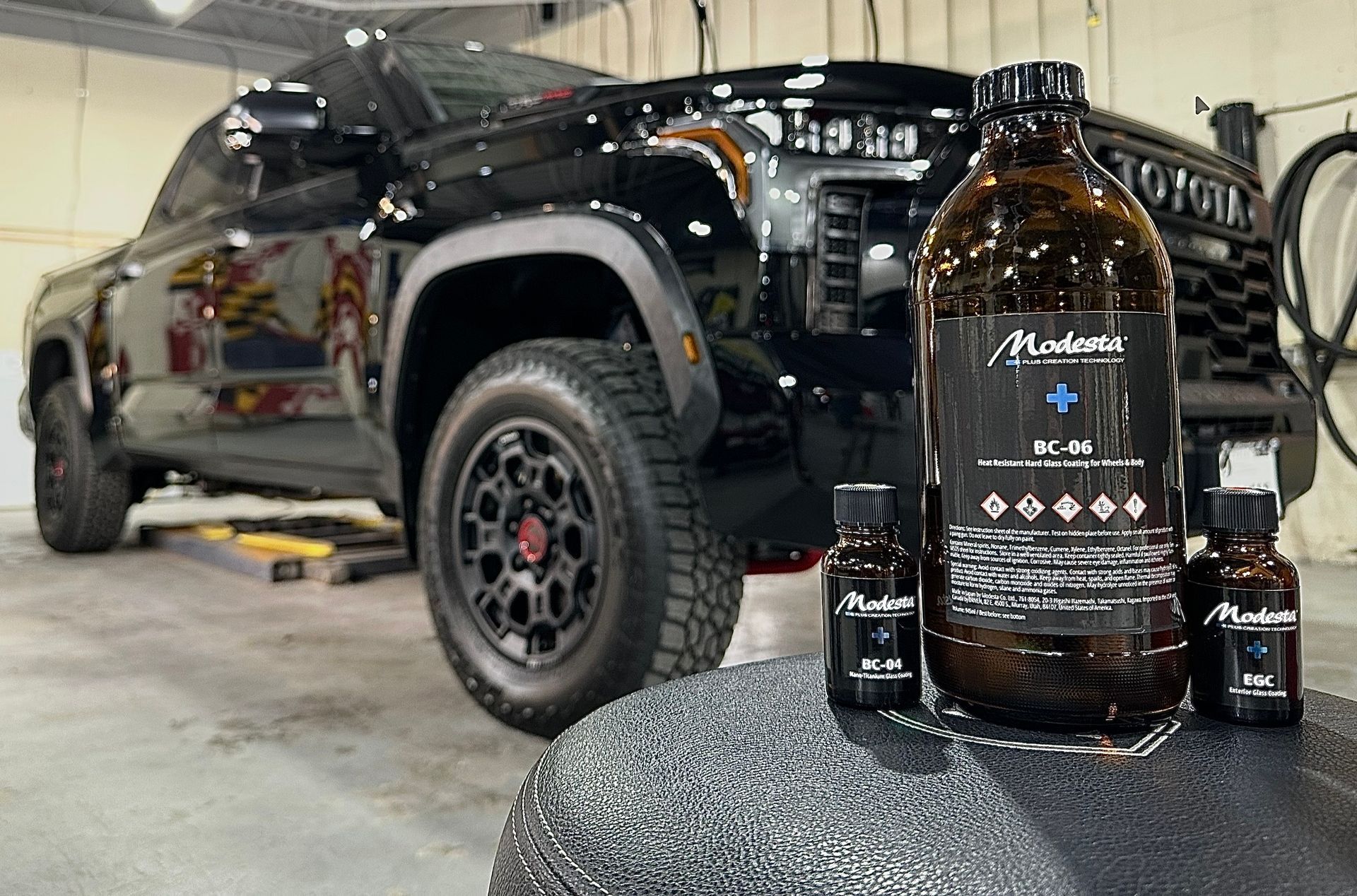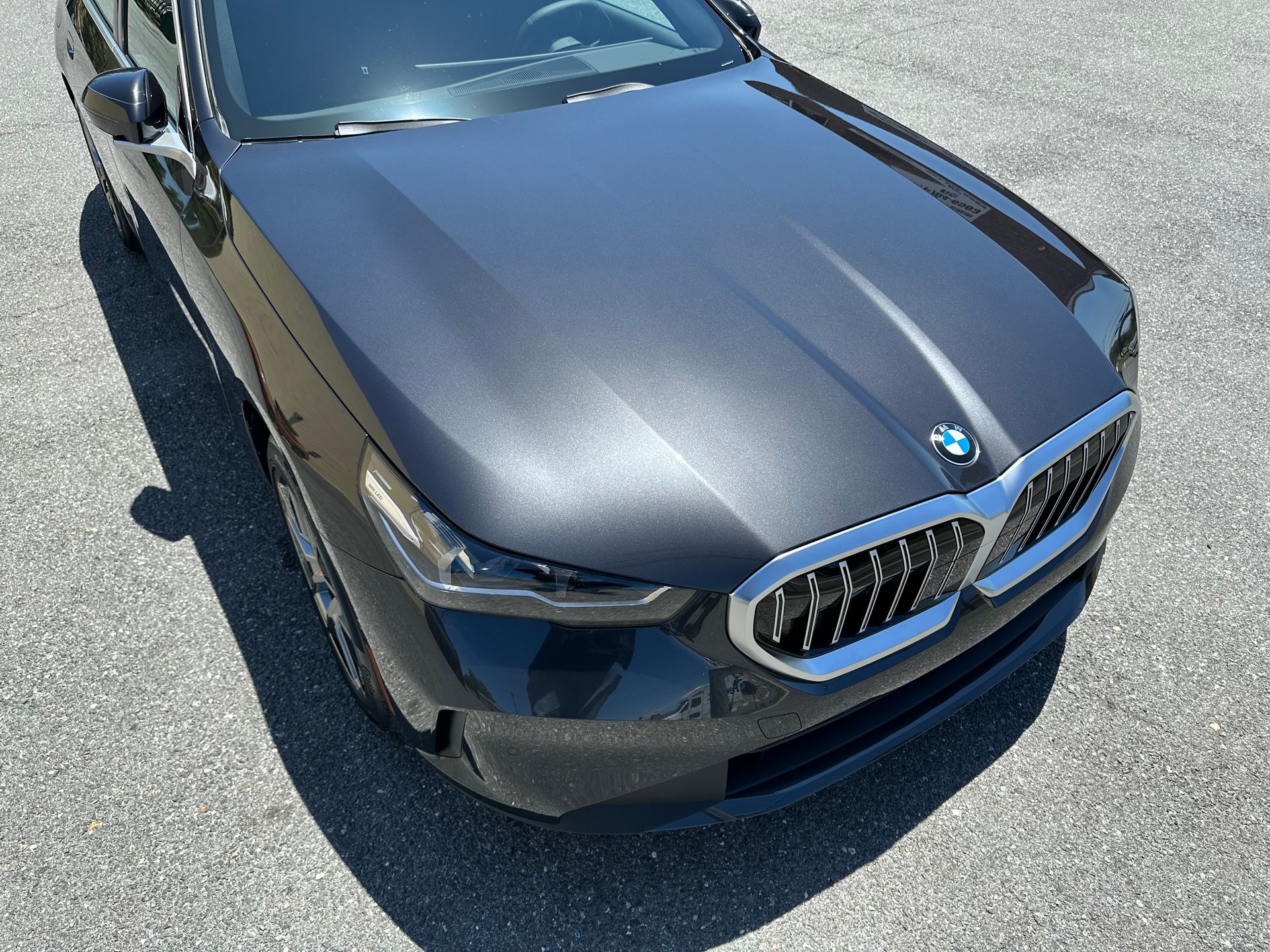
The automobile industry is constantly evolving, with new technologies emerging to enhance the appearance and protection of vehicles. One popular development in recent years is the application of ceramic coatings to protect paintwork. You might wonder, Can you ceramic coat paint protection film? The answer is yes, but it requires a nuanced approach.
Paint protection film (PPF), also known as clear bra, is a thin layer of thermoplastic urethane applied to the exterior of a vehicle to protect it from scratches, rock chips, and other types of damage. It provides an additional layer of defense against environmental contaminants and harsh weather conditions. While PPF offers excellent protection on its own, some vehicle owners seek the added benefits of ceramic coatings.
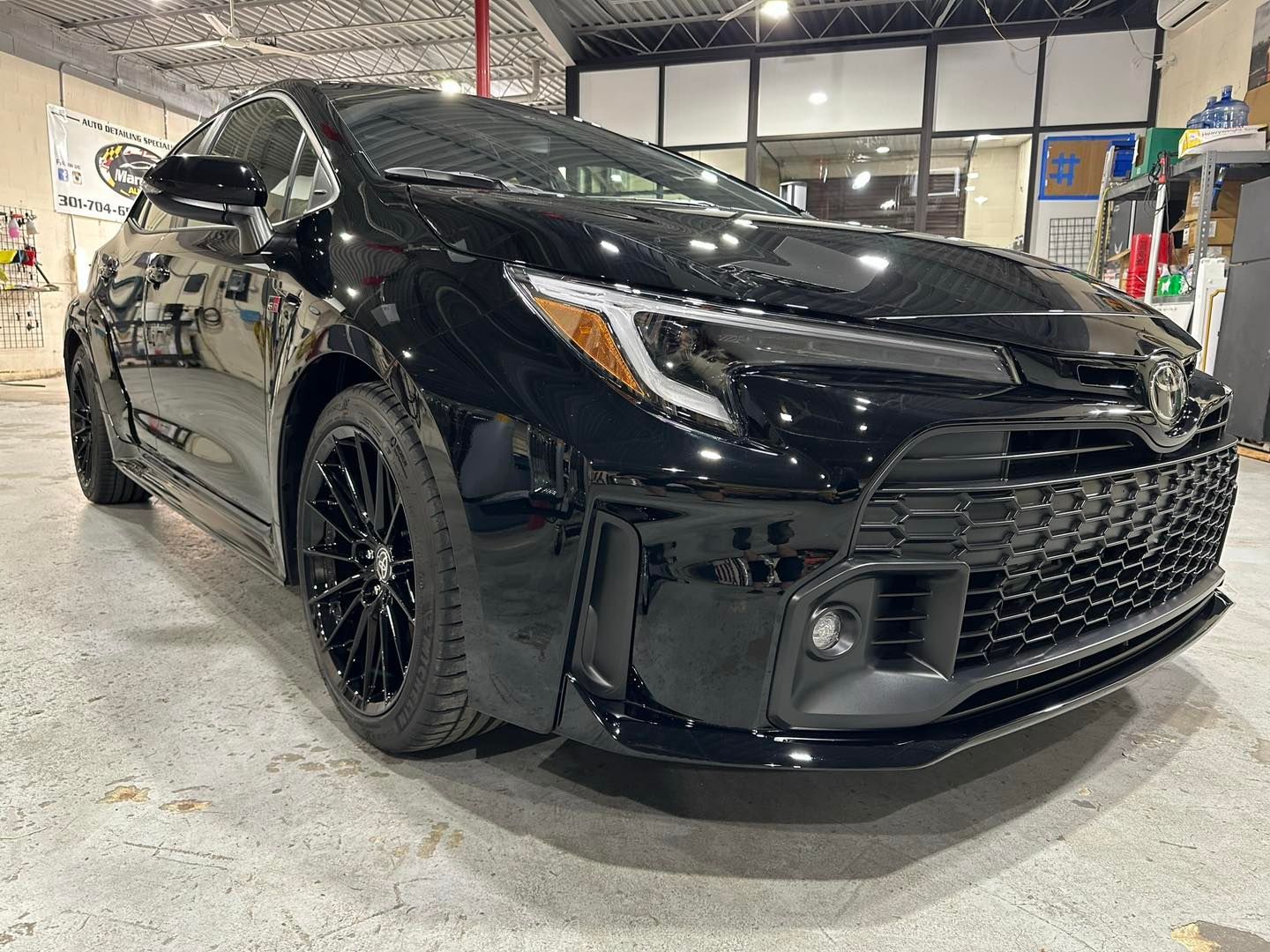
Ceramic coatings are microscopically thin layers that bond chemically with the vehicle's surface, creating a hydrophobic and highly durable barrier. They provide extended protection against UV rays, oxidation, bird droppings, tree sap, and other common contaminants. The combination of PPF and a ceramic coating creates a powerful shield for your car's paintwork.
For instance, imagine you're driving on a gravel road and small rocks kick up onto your vehicle's hood. Thanks to the PPF's excellent resistance to impact and abrasion, they will not penetrate or scratch the underlying paint. Additionally, if you have a ceramic coating applied over the PPF, it will further protect against staining from minerals or chemicals in rainwater.
However, it's important to note that applying ceramic coatings over PPF requires careful consideration and expertise. Since PPF has its own set of unique properties, including self-healing capabilities, adhesion between the coating and the film may differ compared to conventional paint surfaces. Therefore, proper preparation and technical knowledge are essential for successful outcomes.
Necessary Materials for the Process
To ensure a successful application of ceramic coating over paint protection film, you'll need a few essential materials:
- High-quality Ceramic Coating: Choose a reputable ceramic coating product specifically designed for use on PPF. These coatings have unique formulations that bond effectively with the film's surface and provide optimum protection.
- Isopropyl Alcohol (IPA): IPA is a crucial material used to clean and prepare the PPF surface before applying the ceramic coating. It removes any dirt, oils, or residues that could interfere with the adhesion process.
- Microfiber Towels: Soft and lint-free microfiber towels are necessary for both cleaning the PPF and buffing off excess ceramic coating during the application process. They ensure a smooth and streak-free finish.
- Gloves: Wearing gloves while handling chemicals like IPA and ceramic coatings is essential to protect your skin from potential irritation or allergies.
- Applicator Pad or Cloth:
An applicator pad or cloth specifically designed for ceramic coatings will help ensure even distribution of the product on the PPF surface.
- Protective Masking Tape: It's recommended to use masking tape to protect surrounding surfaces from accidental overspray or contact with the ceramic coating.
- Protective Eyewear: As an additional safety precaution, wearing protective eyewear can shield your eyes in case of splashes or accidental contact with the products.
Having these materials ready before starting the application process will help streamline your workflow and ensure a satisfactory outcome.
Step-by-Step Application Technique
Applying ceramic coating to paint protection film requires careful attention to detail and a systematic approach. Here is a step-by-step technique to help you achieve optimal results:
- Prepare the Surface: Start by thoroughly cleaning the paint protection film using a gentle, pH-neutral car wash shampoo. This will remove any dirt, grease, or contaminants that could hinder the proper adhesion of the ceramic coating.
- Decontamination: Next, use a clay bar or a clay mitt with lubricant specifically designed for automotive surfaces to eliminate any embedded contaminants or fallout on the film. This step ensures a smooth surface for the ceramic coating application.
- Surface Preparation: Before applying the ceramic coating, it is crucial to ensure the paint protection film is completely dry and free of any residue from previous cleaning steps. Use a microfiber towel or air blower to remove any remaining moisture.
- Apply Ceramic Coating: Apply a few drops of ceramic coating onto an applicator pad or sponge and work it into the surface of the paint protection film using light, overlapping motions. Ensure even coverage and avoid excessive product application.
- Allow for Curing: After applying the ceramic coating, allow it to cure for the recommended time specified by the manufacturer. This curing period allows the coating to bond with the surface and establish its protective properties effectively.
- Buffing and Final Touches:
Once cured, gently buff off any excess residue using a clean microfiber towel. Ensure thorough removal of any streaks or smudges, leaving behind a smooth and glossy finish.
It's important to note that following manufacturer instructions and recommendations is essential throughout this application process. Each brand might have slightly different application techniques and curing times, so always refer to their guidelines for optimal results.
Why Ceramic Coating?
When it comes to superior protection and long-lasting results, ceramic coatings shine above other options in automotive care. Here are several compelling reasons why car enthusiasts and detailers opt for ceramic coatings:
- Enhanced Durability: Ceramic coatings create a durable and robust barrier on the surface of the paint protection film. They can withstand environmental contaminants, UV rays, acid rain, bird droppings, and other common hazards that deteriorate a vehicle's appearance over time.
- Longevity: With proper care and maintenance, ceramic coatings can last for years before requiring reapplication. Unlike traditional waxes or sealants that need frequent renewal, ceramic coatings offer an extended lifespan, saving both time and money in the long run.
- Hydrophobic Properties: Ceramic coatings exhibit excellent hydrophobicity, meaning they repel water efficiently. This hydrophobic effect helps prevent water spots and assists in reducing dirt and grime adherence to the protected surfaces.
- Enhanced Glossiness: One of the most visually appealing aspects of a ceramic-coated paint protection film is its enhanced glossiness. The coating provides a deep shine that intensifies the color vibrancy of the underlying vehicle's paintwork, elevating its overall aesthetics.
- Ease of Maintenance: Ceramic-coated surfaces are easier to clean compared to unprotected ones. The slick surface created by the coating prevents contaminants from bonding tightly, allowing for effortless removal during routine washing.
These benefits make ceramic coating an attractive option for those seeking optimal protection and longevity for their paint protection film. Whether you're looking to preserve the appearance of your vehicle or enhance its resale value, ceramic coating offers a practical and effective solution.
Unveiling the Durability of Ceramic Coat
When it comes to protecting your vehicle's paint protection film, ceramic coating is a highly effective option. Known for its durability and long-lasting qualities, ceramic coating adds a strong layer of protection to the surface that can withstand harsh environmental conditions and daily wear and tear. The application of ceramic coating creates a hard, transparent layer on top of the paint protection film, forming a shield against UV rays, dirt, stains, and chemical contaminants.
To ensure the longevity of your ceramic coat on the paint protection film, it is important to understand how to properly care for it. Regular washing with pH-neutral car shampoo will help remove any dirt or debris from the surface without compromising the integrity of the coating. Avoid using abrasive materials or harsh chemicals during cleaning, as they may damage or weaken the ceramic coating. Additionally, consider applying a sacrificial layer of spray sealant or topper every few months to maintain its hydrophobic properties and enhance its durability.
While the durability and benefits of ceramic coating for paint protection film are undeniable, it's important to be aware of potential issues that may arise.
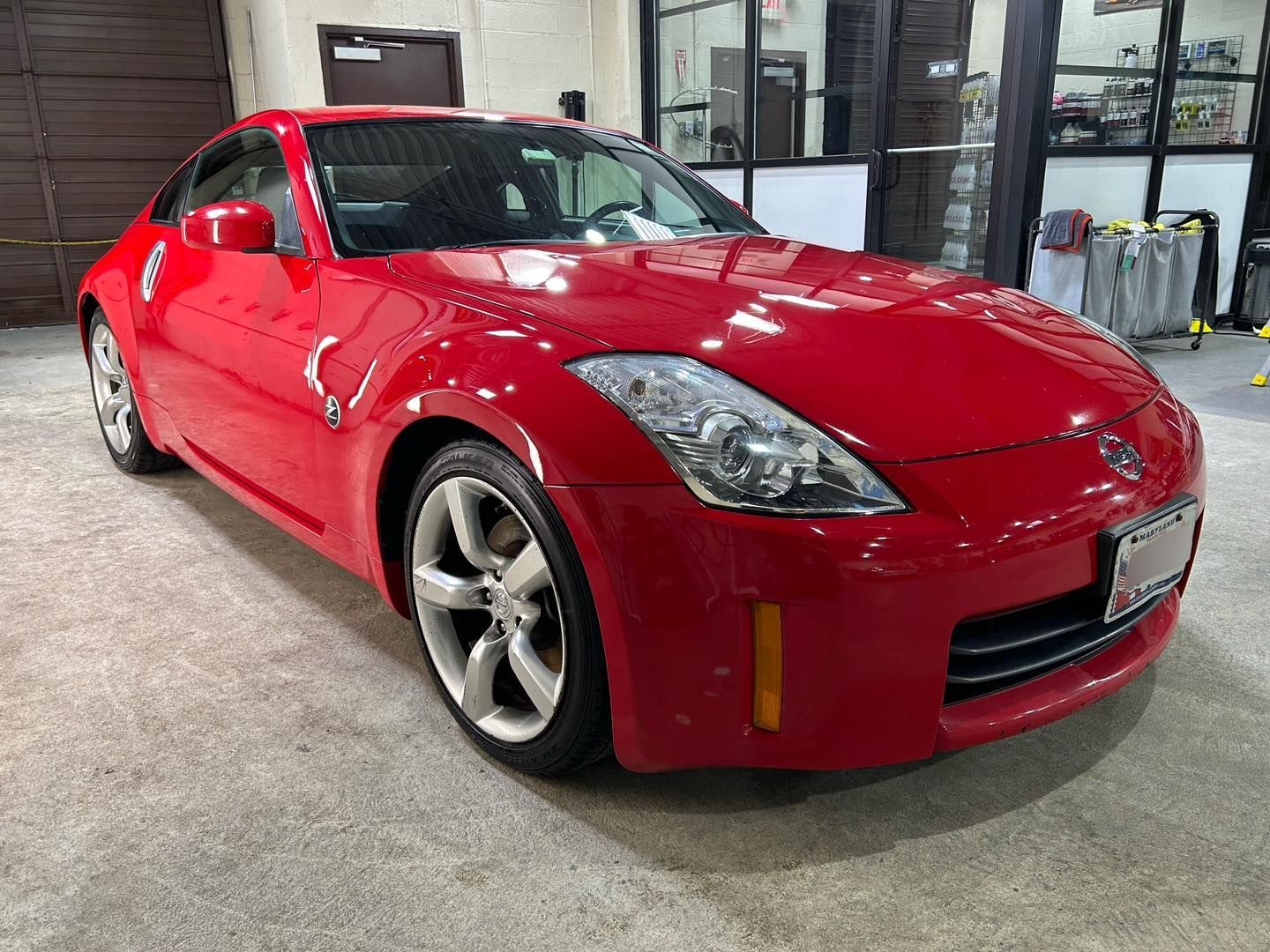
Care Tips after Applying Ceramic Coating to Paint Protection Film
Once you've applied a ceramic coating to your paint protection film (PPF), it's important to follow proper care and maintenance practices to ensure its longevity and effectiveness. Here are some essential care tips to keep in mind:
1. Gentle Cleaning: When washing your vehicle, use pH-neutral or mild car shampoo to avoid damaging the ceramic coating. Avoid aggressive scrubbing or abrasive materials that can scratch the surface of both the PPF and the coating. Instead, opt for a soft microfiber wash mitt or sponge.
2. Regular Maintenance Washes: Regularly washing your vehicle is essential for preserving the appearance and protective properties of the ceramic coating on your PPF. Aim for consistent maintenance washes every one to two weeks, depending on environmental factors and driving conditions.
3.
Proper Drying Technique: After washing, use a clean microfiber drying towel or a drying aid specifically designed for automotive use to dry your vehicle. Avoid air-drying or leaving water droplets to evaporate on the surface, as this can leave behind minerals that may degrade the coating over time.
4.
Avoiding Car Washes with Brushes: Automated car washes that utilize brushes or aggressive scrubbers can jeopardize the integrity of both the PPF and the ceramic coating. These mechanisms can cause scratches or damage due to their abrasive nature. Opt for touchless car washes or gentle handwashing whenever possible.
5. Regular Inspections: Periodically inspect your vehicle's PPF and ceramic coating for any signs of damage, such as chips, scratches, or delamination. Addressing these issues promptly can help prevent further damage and maintain the effectiveness of the coating.
6.
Avoiding Harsh Chemicals: Refrain from using harsh chemicals, aggressive solvents, or strong acids on your vehicle's paint protection film. These substances can degrade the protective qualities of the ceramic coating and potentially damage the PPF itself. Stick to cleaning products specifically formulated for automotive surfaces.
7. Regular Maintenance Coating: Over time, the ceramic coating on your PPF may wear down due to exposure to environmental elements. To maintain its hydrophobic properties and glossiness, consider applying a maintenance coating as recommended by the manufacturer. This will help revitalize and extend the lifespan of the ceramic coating.
Proper care practices and regular maintenance are essential for maximizing the longevity and effectiveness of a ceramic coating applied over paint protection film. By following these care tips, you can keep your vehicle looking its best while ensuring that both the PPF and coating continue to provide optimal protection.
Remember, each vehicle's needs may differ based on individual circumstances such as climate, driving habits, and environmental factors. Consult with a professional detailer or refer to specific manufacturer guidelines for any additional care instructions or recommendations related to your specific coating product or PPF brand.
Final Words
Paint Protection Film (PPF) and Ceramic Coating provide an invincible defense for your vehicle's paintwork, keeping it looking its best while being protected from various elements. Together, they form an unbeatable partnership to keep it looking brand new!
Now that you understand whether ceramic coatings use paint protection film (PPF), it is time to put this knowledge into action. Reach out to our experts immediately so they can install and apply PPF as well as a ceramic coating to give your vehicle the comprehensive protection it needs. Schedule an appointment with
Maryland Auto Spa today!
Blog