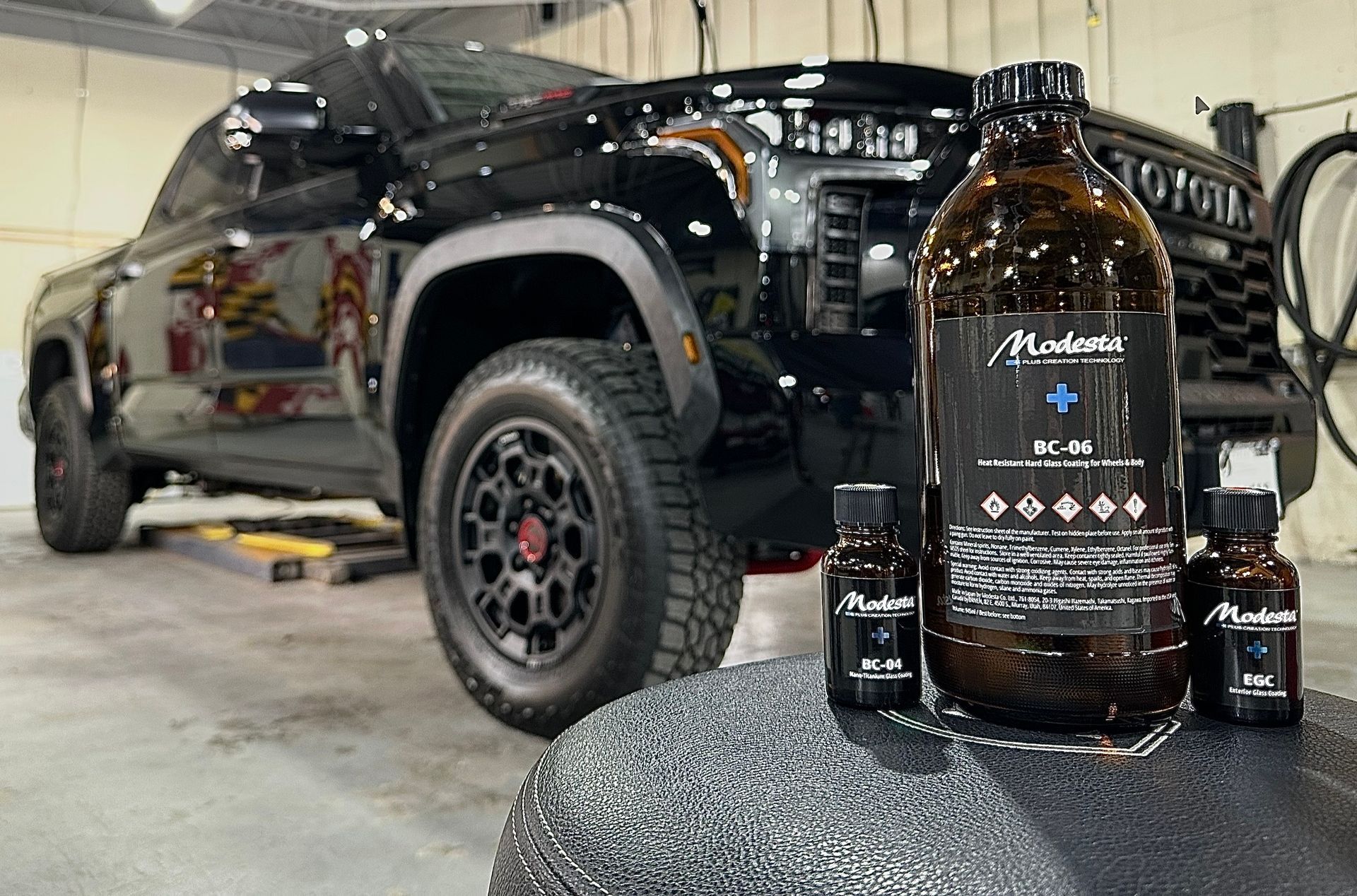
Detailing Habits That Can Damage Your Car’s Paint: Tips to Protect It
SCHEDULE ONLINE GET A FREE ESTIMATEMany of us might assume that a thorough wash will suffice to keep your car looking its best. However, the paint of your vehicle is at risk of serious damage due to the concealed hazards that are present in our daily detailing routines. From selecting the wrong cleaning products to neglecting crucial maintenance techniques, these missteps can lead to costly repairs and a dull exterior. Understanding what habits to avoid is essential for protecting that glossy finish you love. In this article, we'll explore common detailing practices that can damage your car's paint—and share tips on how to safeguard it for years to come.
Some common car detailing habits that can damage your car's paint include using dish soap instead of pH-balanced car shampoo, washing with a single bucket leading to contamination, and neglecting proper drying techniques, which can cause water spots. To maintain your vehicle's appearance, it’s crucial to adopt safe washing methods and use the correct products designed for automotive finishes.
Wrong Detailing Products to Avoid
It’s a common pitfall for car enthusiasts and casual owners alike: reaching for familiar household cleaning products instead of those specifically designed for automotive detailing. You might think that a little dish soap could lead to a sparkling finish, but what it actually does is compromise your vehicle’s protective coating. Many household cleaners contain surfactants and other harsh agents that strip away wax layers like they were never there.
Step I: Avoid Harsh Chemicals
As enticing as it may be to grab that bottle of window cleaner or an all-purpose spray, doing so can leave your paintwork vulnerable. Imagine washing your vehicle, thinking it's being cleaned, only to find that your car paint has been stripped bare of its protective elements.
Beyond damaging surface waxes, these chemicals can cause etching and dulling over time. Instead, reach for specialized car shampoos; they are formulated to clean effectively while preserving the integrity of your paint job.
Step II: Understanding pH Levels
pH levels are another vital factor in choosing detailing products. Car paint is happiest when treated with a product that's pH neutral, ideally close to 7. Using overly acidic or alkaline cleaners can wreak havoc on both your vehicle's finish and durability. When inspecting products, always check for pH indicators on the label. If it's not close to neutral, put it back on the shelf.
Cleanliness of Clothes and Mitts
The cleanliness of your detailing clothes and mitts plays a crucial role in preventing scratches and swirls on your car’s paint. Using dirty or old towels can leave behind unwanted marks that can be difficult to remove later. The specific choice and maintenance of these fabrics can significantly impact the care of your vehicle's finish.
Step I: Using Microfiber Cloths
When it comes to choosing clothes for detailing, microfiber cloths should be your go-to option. They outperform regular towels significantly as they are specifically designed to trap dirt and debris rather than drag it across the paint surface. The unique structure of microfibers creates tiny hooks that effectively hold onto dirt particles, which means they are about 90% more effective at picking up contaminants compared to traditional towels. Such performance drastically reduces the chance of scratches during your detailing process, making them one of the best investments you can make for your vehicle.
Step II: Proper Laundering
To ensure that your microfiber cloths remain effective, proper laundering practices are crucial. Always wash microfiber cloths separately; mixing them with other laundry items increases the risk of fibers getting snagged or damaged. Moreover, it's vital to avoid fabric softeners during washing times since they can clog the fibers and reduce their effectiveness. Instead, use a dedicated microfiber detergent or a gentle, fragrance-free detergent. These options will help keep your clothes clean without compromising their performance.
By following these simple yet effective cleaning practices, you can maximize the lifespan of your detailing tools while ensuring your vehicle remains scratch-free and shiny after every wash.
Proper Car Washing Techniques
Even when you have the perfect products at your disposal, improper washing techniques can still jeopardize the beauty of your car’s paint. That's why it's crucial to adopt a methodical approach to washing. The first step is the famed Two-Bucket Method. This technique involves filling one bucket with soapy water and another with clean water specifically for rinsing your wash mitt. By alternating between the two, you significantly reduce the risk of transferring dirt back onto your car's surface. Imagine how many particles could scratch or dull your paint if that dirty mitt went from one area to another!
Incorporating a grit guard—an insert that sits at the bottom of the rinsing bucket—enhances this method further by trapping debris and preventing it from mingling with your clean water.
Washing in Straight Lines
When it comes to painting, artists often emphasize movement; similarly, the way you wash your car can have a profound effect on its finish. Instead of using circular motions, which might seem intuitive, focus on long, straight lines when washing your vehicle. Circular movements might invite swirl marks that become painfully evident in sunlight or at certain angles. By adopting straight-line techniques, you're minimizing opportunities for those pesky swirls to develop.
Remember to work from top to bottom; start with the roof and finish with the lower panels. This way, you’re allowing gravity to assist rather than hinder your efforts, preventing dirt from running down onto previously cleaned surfaces. It may sound simple, but an online forum reported significant reductions in swirl marks among users who adopted this straight-line technique over time.
Finally, avoid washing in direct sunlight whenever possible; the warmth allows soap and water to dry too quickly and can result in streaks or even etch marks on your paintwork. A good rule of thumb is to wash your car in shaded areas or during cooler times of the day.
Incorporating these proper techniques into your routine safeguards your vehicle and contributes to maintaining its aesthetic appeal for years ahead.
Removing Embedded Contaminants
Despite our best efforts at regular washing, it’s surprising how much dirt and grime can find its way onto our car's paint. Tar, tree sap, and even industrial fallout can cling stubbornly to the finish as if they harbor a personal grudge against cleanliness! These hidden foes often lead to dull-looking paint or even permanent damage if left untreated. That’s where the magical clay bar comes into play.
A clay bar is an incredible tool for any car enthusiast or detailer. Its purpose? Its purpose is to remove troublesome contaminants that your traditional wash simply can't tackle.
To begin, ensure your vehicle is washed and dried thoroughly. If you skip this initial cleaning step, particles from dirt or debris could create scratches during the clay process. So, grab your favorite pH-balanced car shampoo and give that car a thorough scrub!
Once your car is spotless and dry, it's time for the clay bar action. Apply a clay lubricant—this reduces friction and eases the movement of the clay across the surface. Work in small sections; think about maybe two feet by two feet so you don’t overwhelm yourself.
Take your clay bar and gently run it over the lubricated area in straight lines; avoid circular motions as those might not yield effective results.
This gentle sliding motion allows the clay to pick up contaminants while preserving your paint's integrity. After you’ve gone over an area liberally with the clay, wipe it down with a microfiber towel. This final touch helps clear away any leftover lubricant and reveals that beautifully smooth surface beneath.
The satisfaction of gliding your hand over a freshly clayed surface is unparalleled—it feels sleek and clean! It's wise to make this process part of your detailing routine about two to four times per year, depending on external factors like location and driving environment. Cars exposed to more pollutants will need this treatment more regularly.
Having effectively eradicated those pesky impurities, we now turn our focus toward protecting your newly refreshed paint job from potential future threats.
Shielding Your Car from Harmful Elements
The sun's rays can cause significant damage to your car's paint finish. When you park under the blazing sun, you're setting your car up for serious damage. Over time, this exposure leads to fading and oxidation that can dull that shiny finish you love.
When choosing parking spots, consider this: whenever possible, always seek shade. Whether it's under a tree, in a garage, or even using a quality car cover, taking these simple steps can effectively mitigate UV rays.
Keep Your Car’s Paint Looking Its Best
Your car’s paint does more than just make it look good—it protects the body from the elements. But without proper care, small detailing mistakes can lead to fading, scratches, and premature wear. Using the wrong cleaning products, skipping important steps, or applying too much pressure can take a toll over time.
By following gentle, effective detailing methods, like using microfiber wash mitts, pH-balanced car shampoos, and protective coatings, you can keep your car looking fresh for years. Simple changes in your routine make a big difference in preserving your vehicle’s shine and durability.
Want professional help in maintaining your car’s flawless finish?
Contact us today for expert detailing services that provide lasting protection and a showroom-quality shine.
Blog