Are you considering a ceramic coating to keep your car looking brand-new long after you drive it off the lot? In this blog post, we will delve into the fascinating world of ceramic coating. In particular, we will address all your burning questions regarding it - such as whether or not ceramic coating really offers superior vehicle protection as promised. In addition to discussing its cost implications, we'll also take an in-depth look at whether ceramic coating is just another fad!
Maryland Auto Spa will unveil this high-tech auto detailing innovation that offers outstanding durability, incredible gloss, and protection against natural and chemical elements. Get ready - because Maryland Auto Spa's journey could change how you protect and maintain your prized automobile!
Understanding Ceramic Coating
Ceramic coating has become increasingly popular in the automotive world as an effective means to both protect and improve the paintwork on vehicles. But what exactly is a ceramic coating, and how does it function?
A ceramic coating is a liquid polymer applied to the exterior surfaces of a vehicle that forms an impenetrable protective layer that bonds chemically with its paint surface, producing a durable and glossy finish. Ceramic coatings penetrate deeper than waxes or sealants that remain on top, protecting against environmental contaminants like dirt, UV rays, road salt, and bird droppings for extended protection against environmental hazards such as dirt.
Ceramic coatings owe their effectiveness to nanotechnology. Ceramics use nano-sized particles that fill in any imperfections on the paint surface, producing a smoother and more hydrophobic finish that repels liquids rather than adhering to them, enabling your vehicle to remain cleaner for longer while needing fewer washing sessions.
While traditional waxes may provide temporary protection and glossiness, they tend to wear off quickly and require regular reapplication. Ceramic coatings provide more lasting solutions, such as enhanced durability, chemical resistance, heat resistance, and anti-corrosive properties; it's like adding an extra layer of armor protection for your car's paint job!
Maryland Auto Spa's Approach to Ceramic Coating
At Maryland Auto Spa, we take great pride in our ceramic coating services, which provide your vehicle with maximum care and protection. We realize each car requires personalized attention, which is why they prioritize excellence when doing their work.
Maryland Auto Spa's ceramic coating process starts with an in-depth vehicle inspection to identify any imperfections or need for paint correction, followed by our experienced technicians' meticulous surface preparation to remove all contaminants before applying ceramic coating.
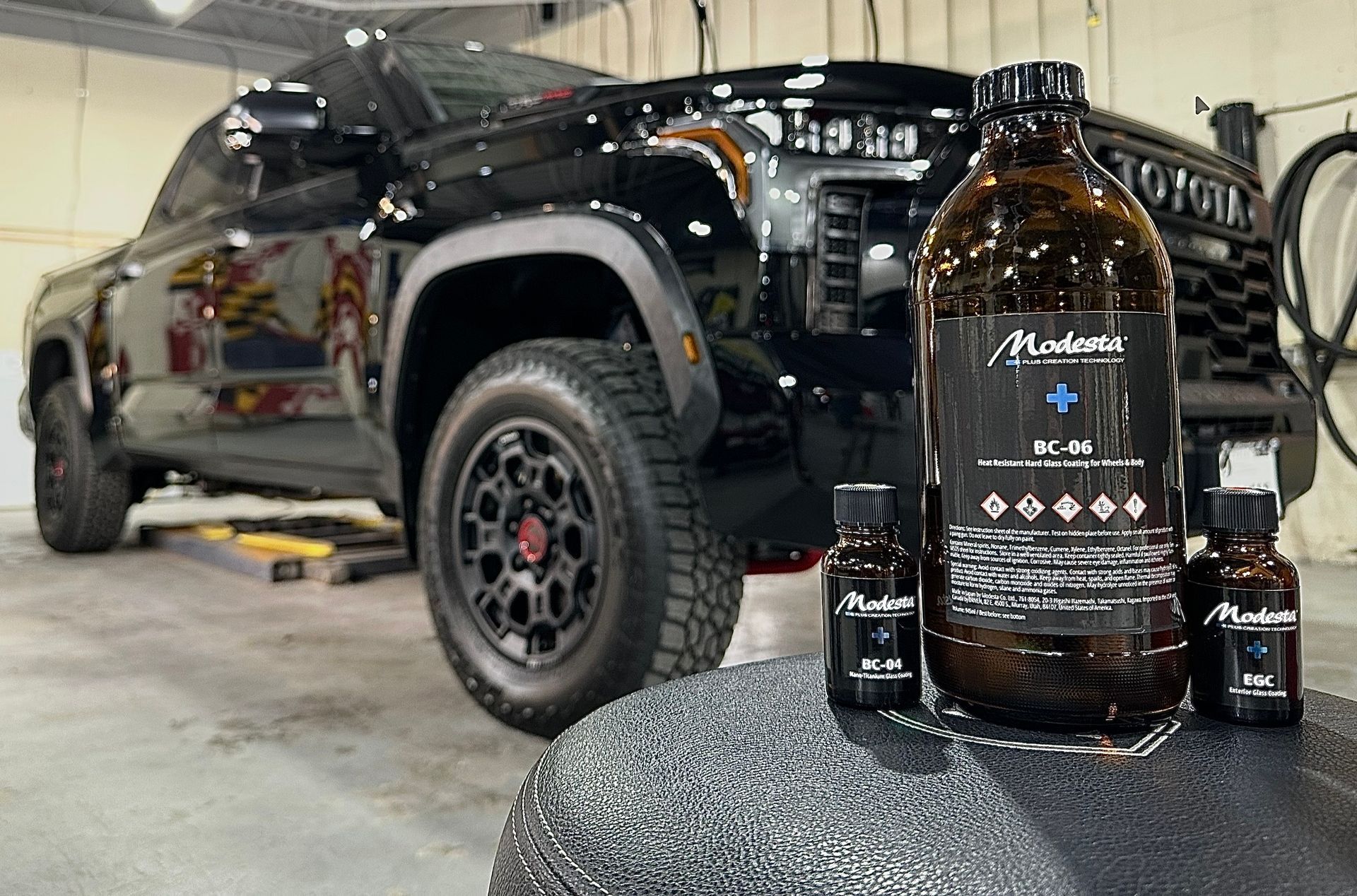
At Maryland Auto Spa, we use Modesta Ceramic Coatings, renowned for their superior quality and longevity. These coatings are meticulously applied by our skilled technicians with an eye for precision to achieve optimal results. We understand proper application is key to reaching optimal results, so we take time and care to cover every inch of your vehicle flawlessly.
Maryland Auto Spa takes great pride in our commitment to customer satisfaction and offers ceramic coating maintenance services and maintenance packs designed to preserve and rejuvenate the glossy finish of ceramic-coated vehicles.
Imagine driving down the road in an exquisitely coated vehicle, drawing admiring glances everywhere you go. Not only would its protection from environmental hazards be complete, but its unmistakable shine would exude luxury and elegance - exactly what Maryland Auto Spa seeks to accomplish with their meticulous approach to ceramic coating.
Cost may be an initial barrier to ceramic coating for some; it is essential that individuals consider its long-term advantages and savings as part of the investment decision. While initial costs may be higher compared to traditional detailing services, ceramic coating's durability and longevity will produce significant savings over time when considering washes, paint corrections, maintenance expenses, and other associated maintenance expenses.
Imagine keeping your vehicle for several years: investing in a quality ceramic coating now could help protect its value by protecting its paintwork from fading, bird droppings, oxidation, and other damages that could lower its worth when selling or trading it in later on. Prospective buyers will appreciate its well-kept appearance when selling or trading in.
Ceramic coatings provide unparalleled protection, longevity, and aesthetic enhancement to vehicles; therefore, many car enthusiasts turn to Maryland Auto Spa as their go-to location for ceramic coating services.
Evaluating The Worth of Ceramic Coating
When considering whether ceramic coating is worth it, it's important to balance its advantages against its costs. Ceramic coating offers numerous advantages that make it an attractive solution for vehicle owners seeking to protect their investments.
One key benefit of ceramic coatings is their long-term durability. Unlike sealants or waxes that must be regularly reapplied and require constant upkeep, ceramic coatings can last from 5-10 years with proper care, saving both time and money over time.
Ceramic coatings provide unparalleled protection to vehicle paintwork, shielding it from harmful elements such as UV rays, acid rain, bird droppings, and environmental contaminants. Their hydrophobic properties allow water and dirt to slide off easily, reducing the chances of scratches or swirl marks during cleaning.
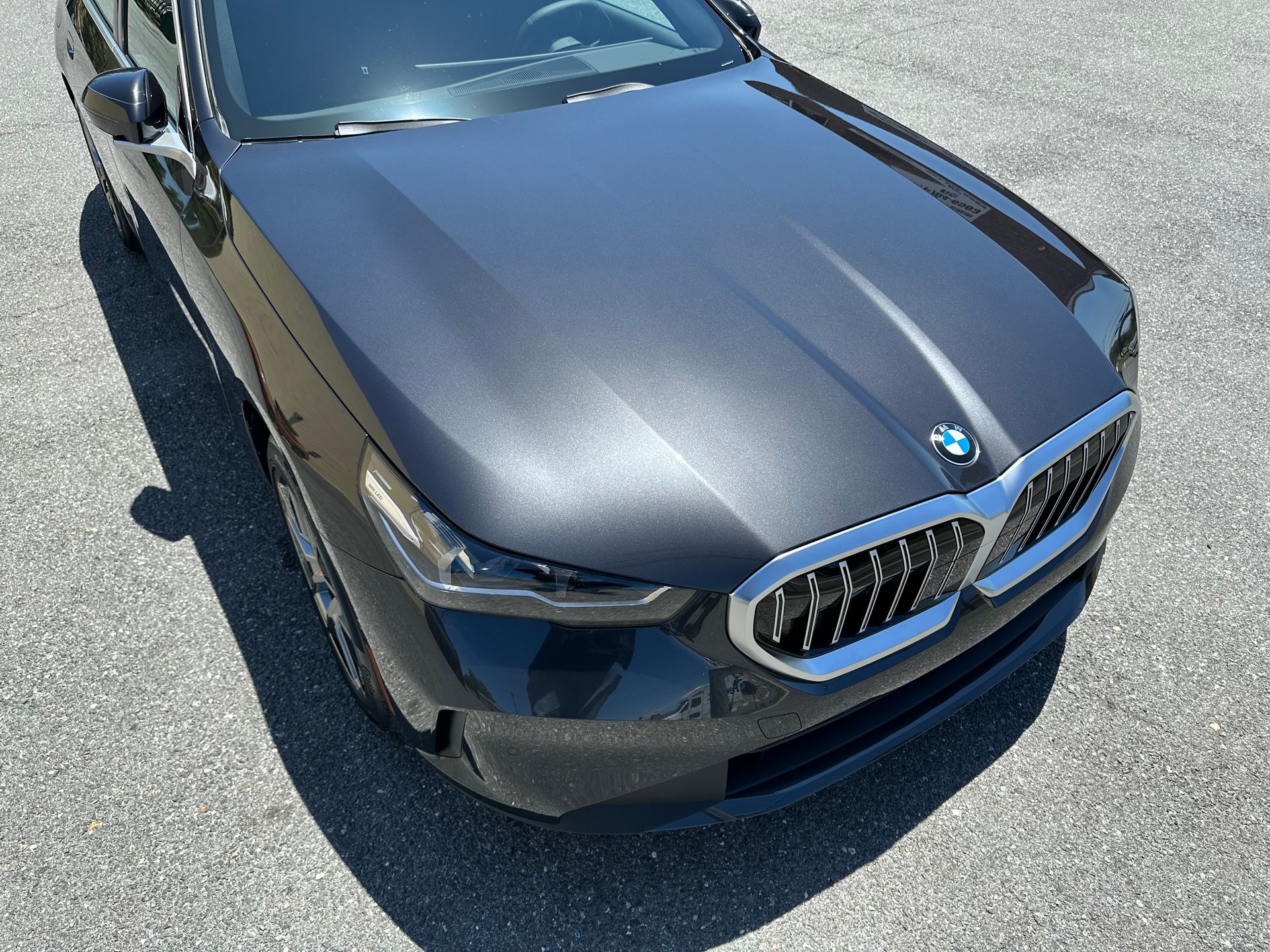
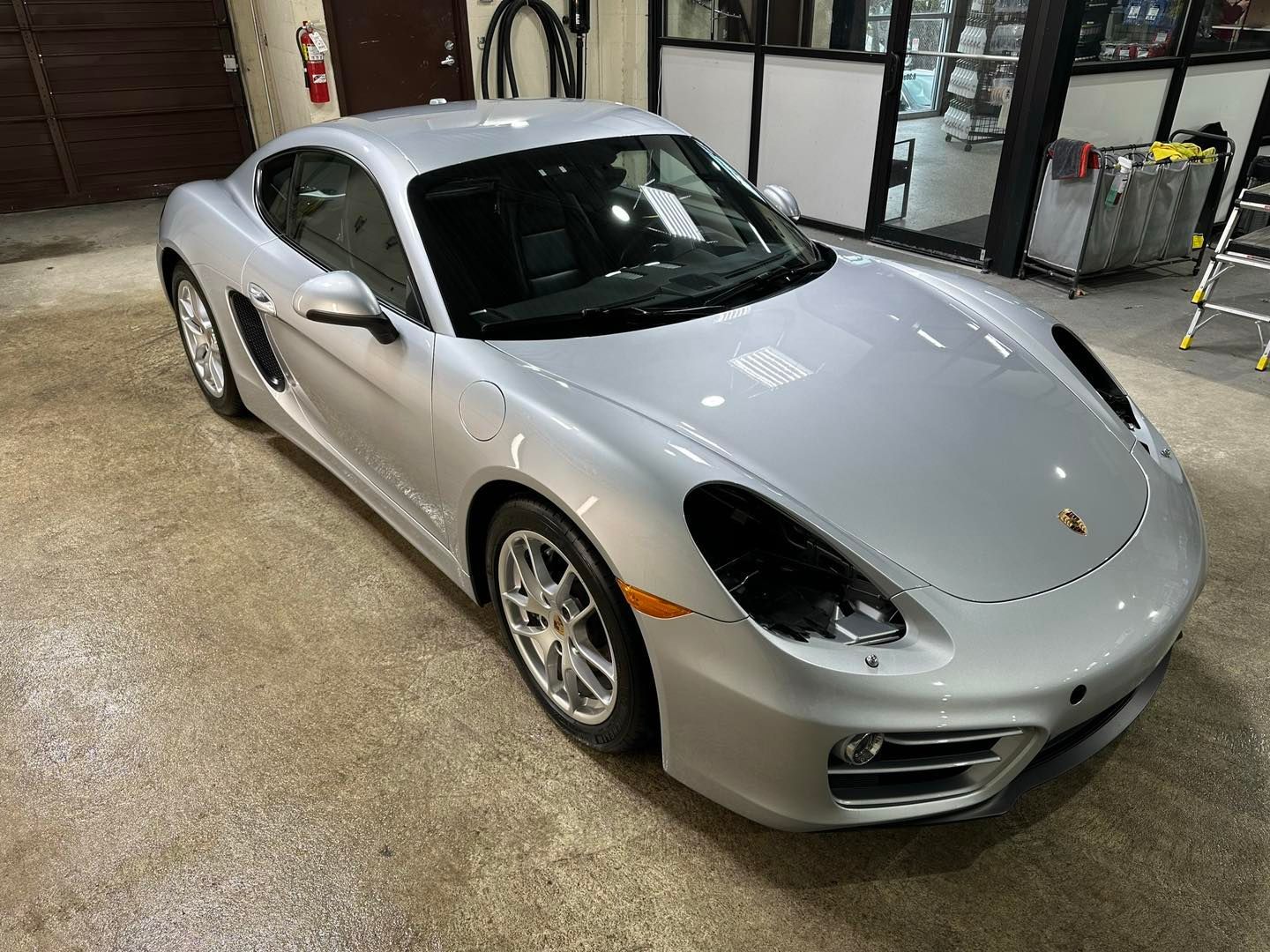
Ceramic coatings provide your vehicle with a glossy, attractive surface to help it stand out on the road. Their nanotechnology gives the paintwork a deep luster and enhanced color depth, making your car's paintwork truly stand out with a proud appearance and increasing its resale value and pride of ownership.
However, it should be remembered that ceramic coating isn't a miraculous fix that removes all potential damages and maintenance requirements. While it may increase the paintwork's lifespan and lessen certain forms of damage, regular upkeep and cleaning still must be conducted in order to preserve its shine and effectiveness.
Consider your location and driving habits before investing in a ceramic coating for your vehicle. If you live in an area prone to harsh weather or regularly take part in activities where you could be exposed to potential damage, such as frequenting parking garages with more extreme temperature changes or driving through dangerous environments, a ceramic coating could offer additional value in terms of protection for both yourself and others.
Determining whether ceramic coating is worthwhile comes down to personal choice and priorities. If long-term paint protection, reduced maintenance requirements and enhanced aesthetic appeal are important to you and your vehicle, then ceramic coating might be worth investing in.
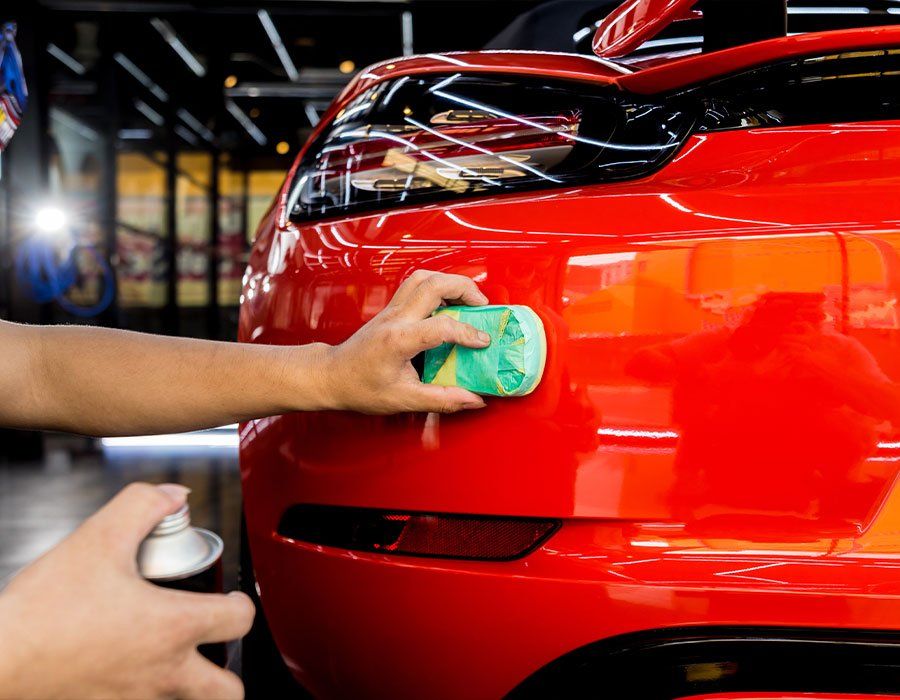
Steps in Maryland Auto Spa's Ceramic Coating Process
At Maryland Auto Spa, we take great pride in our meticulous approach to ceramic coating - ensuring every vehicle receives our utmost care and consideration during this process. Our knowledgeable team follows a step-by-step procedure in order to deliver exceptional results:
Thorough Cleaning: As part of the ceramic coating process, the first step involves thoroughly cleaning the vehicle in order to eliminate dirt, debris, and contaminants that could interfere with adhesion. This involves washing, degreasing, and claying surfaces so as to provide an uncontaminated canvas for the coating process.
Paint Correction: Our skilled technicians use paint correction to achieve a beautiful finish for our vehicles. This involves carefully removing imperfections such as swirl marks and oxidation from their paintwork to restore the original shine and enhance the clarity of color.
Surface Preparation: After paint correction, our team inspects the surface to identify any lingering imperfections or residue on its surface and prepares it for ceramic coating application. They ensure that it is smooth enough for coating application.
Application of Ceramic Coating: Once the surface has been thoroughly prepared, our professionals use professional-grade tools and techniques to apply ceramic coating. Careful attention is paid when spreading out each inch of exterior vehicle paintwork with a protective layer that bonds directly with the paintwork for maximum protection.
Curing Process: After application, coated vehicles undergo a curing process in order to enable the ceramic coating to bond successfully to their paintwork and achieve maximum effectiveness. Depending on product instructions, this may take between 1-14 hours for optimal curing.
After curing, our team conducts a detailed inspection to ensure every aspect of the coating is flawless. They perform quality checks on shine, coverage, and overall appearance before providing additional detailing services to address any remaining areas of concern.
At Maryland Auto Spa, our multi-step approach guarantees your car receives unparalleled protection and an eye-catching, long-term finish. We combine our expertise with top-quality ceramic coating products for exceptional results.
Alternatives to Ceramic Coating
While Maryland Auto Spa stands firmly behind the benefits and longevity of ceramic coatings, we recognize that vehicle owners often have differing preferences. Therefore, at Maryland Auto Spa, we aim to offer alternatives tailored specifically for individual vehicle owners' needs.
If ceramic coating isn't your ideal choice, we also provide alternatives such as paint protection film (PPF). PPF offers extra protection from rock chips, light scratches, and environmental hazards that could damage your vehicle's paintwork; similarly, it preserves its original finish while acting as an added barrier.
As each vehicle and owner have unique requirements, we take great care to find a solution tailored specifically to you and your vehicle. Our knowledgeable team is available to answer any queries that arise during this process as well as assist with decision-making processes.
Final Words
So, “Is Ceramic Coating Worth It" can be answered in the affirmative. Given all its advantages, such as protecting against environmental hazards and creating long-lasting glossiness, ceramic coating makes an invaluable investment for car owners. This blog provided a thorough explanation of its many benefits while dispelling some myths associated with them and emphasizing the practicality of this advanced protective solution.
At Maryland Auto Spa, our goal is to give your vehicle the care it deserves. Ceramic coating offers incredible protection and a lasting shine that lasts years - don't hesitate to visit us for a consultation and let our experts assist with making an informed decision for its longevity and appearance. Elevate your driving experience today with ceramic coating's lasting advantages at mdautospa.com; your car deserves only the best care.
Blog