Importance of Package Auto Detailing for Car Care
SCHEDULE ONLINE GET A FREE ESTIMATECar care isn’t just about keeping your vehicle looking good; it's about protecting your investment. Many people think washing their car is enough, but this is far from the truth. Regular cleaning can help, but package auto detailing goes a step further to ensure that your car is shielded against harsh weather, dirt, and other wear factors.
Package detailing is essential for car care as it offers comprehensive protection against environmental elements, such as UV rays, dirt, and chemicals, while enhancing the vehicle’s appearance and resale value. Services like Paint Protection Film (PPF) and ceramic coatings create a durable barrier that minimizes wear and tear, simplifies maintenance, and ultimately prolongs the lifespan of your vehicle's exterior.
Inside Package Detail: What's Included?
When it comes to package detailing services, they’re designed to cover every inch of your vehicle, ensuring it reflects not just cleanliness but also the best protective measures available. Maryland Auto Spa offers a complete suite of services that cater to both aesthetics and protection.
Typical Services Offered
- Exterior Wash: This is where it all begins. A thorough exterior wash removes dirt and grime accumulated from daily driving. Using high-quality, pH-neutral car wash soaps ensures that the finish isn’t compromised during this essential step.
- Polishing: After the wash, polishing follows suit. This step enhances the vehicle's shine while providing a protective layer against environmental elements—think of it as a shield for your paintwork that also makes your car look stunning.
- Interior Detailing: Often underestimated,
interior detailing involves a deep clean of seats, dashboards, carpets, and other components. This meticulous process elevates the overall comfort of your ride by removing dirt and allergens while restoring materials to their original state.
- Engine Bay Cleaning: It may seem minor, but engine bay cleaning is crucial for identifying potential leaks early on while keeping components accessible for maintenance. A clean engine bay can contribute to better performance and longevity of your vehicle.
- Tire and Wheel Cleaning: Specialized products work wonders here by blasting away brake dust, grime, and tough stains that accumulate on tires and wheels over time.
When you choose Maryland Auto Spa’s premium detail package, you’re assured that these services are delivered with precision and care, ensuring that both the exterior and interior of your car look impeccable. Maintaining this level of detail showcases not just commitment to aesthetics but also helps in preserving the value of your vehicle over time.
Protecting Your Car's Paint
Protecting a car’s paint is not just about aesthetics; it's essential for maintaining its structural integrity. Every time your car is driven, parked, or exposed to the elements, its paint bears the brunt of wear and tear. Over time, exposure to harsh sunlight, rain, bird droppings, and road grime can devastate your car’s exterior. Without proper care, you could be leaving your vehicle vulnerable to irreversible damage—think rust forming beneath the surface or unsightly blemishes marring what used to be a flawless finish.
Why Paint Protection Matters
The importance of paint protection becomes evident when considering that damaged paint can lead to significant issues down the line. If the clear coat is compromised, moisture can seep underneath, hastening rust formation. Additionally, dirt particles trapped on an unprotected surface can create micro-abrasions each time the vehicle is washed. That’s why being proactive about protecting your car's paint job isn't just a luxury; it’s a necessity for preserving its value and appearance.
Methods of Protection
Thankfully, there are several effective methods available for protecting car paint from environmental hazards. Two popular methods of paint protection for car owners are:
- Paint Protection Film (PPF): A step up in durability,
PPF provides robust protection against scratches and chips. This clear film acts as armor for your paint, efficiently absorbing impacts from road debris while offering a high degree of durability lasting 5-7 years. Although pricier initially, the long-term benefits can outweigh costs by preserving your vehicle's aesthetic.
- Ceramic Coating: This advanced solution involves applying a chemical polymer that bonds with the car’s paint. The result is a hydrophobic layer that not only repels water but also shields against dirt and grime for up to 2–5 years. While it carries a medium cost compared to other options, its ease of maintenance makes it popular among car enthusiasts.
Understanding these protective methods equips you with the knowledge needed to choose the right option for your specific circumstances. By embracing these various strategies, you are also laying the foundation for enhancing your vehicle’s visual appeal and overall performance on the road.
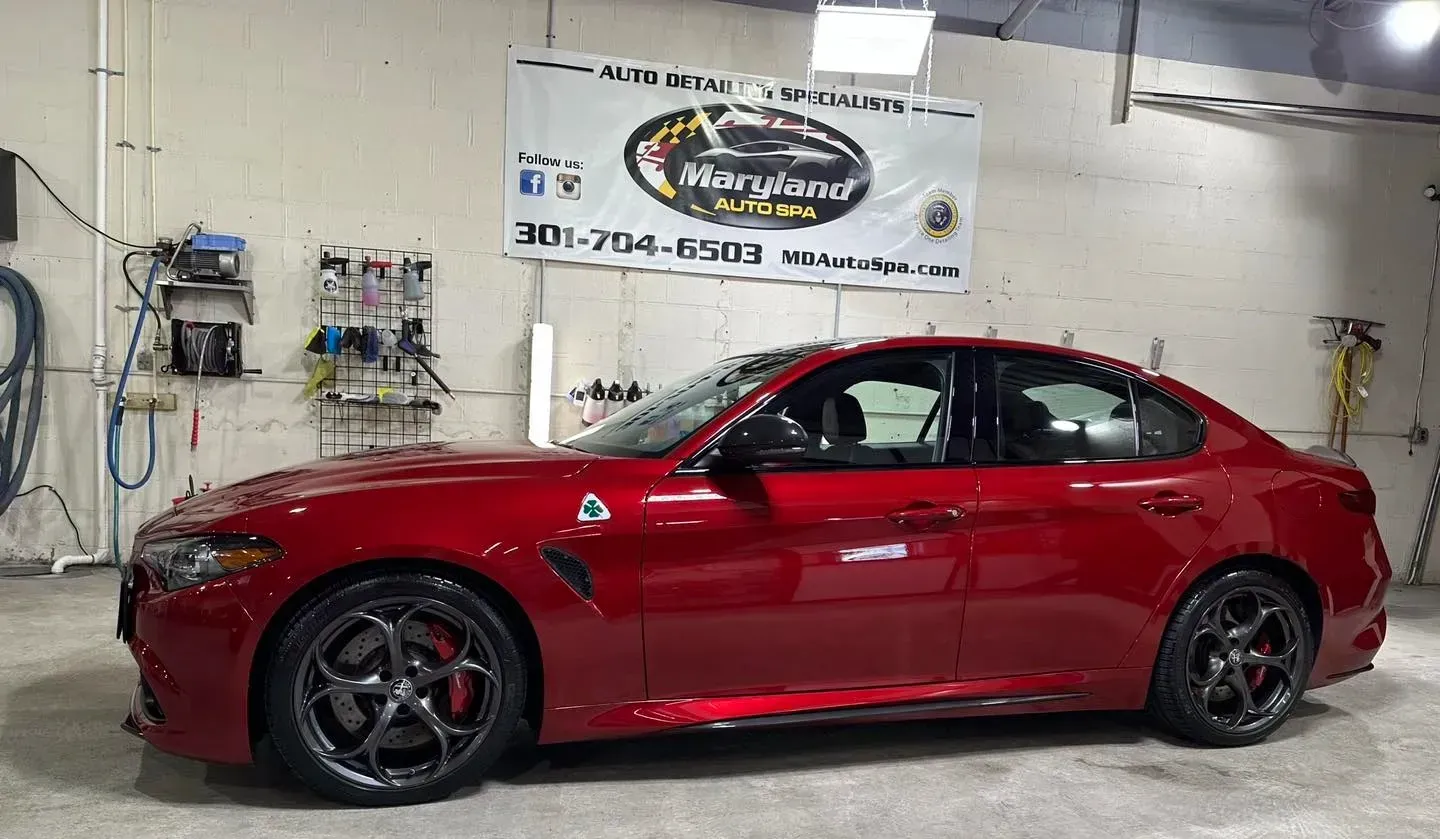
Boosting Aesthetics with Detailing
Beyond mere protection, detailing significantly improves the visual appeal of your car, ensuring it looks its absolute best. It's amazing what a thorough cleaning and polishing can do—both inside and out. Our team at Maryland Auto Spa knows all too well the difference meticulous attention makes.
How Detailing Improves Appearance
Through detailed cleaning, every nook and cranny is addressed, from those often-overlooked spots to the visible surfaces that catch our eye first. The exterior gets treated to a buffing and polishing regime that removes imperfections, leaving behind a lustrous finish.
Inside, upholstery is thoroughly cleaned; leather is conditioned; and carpets are shampooed—all contributing to a fresh scent and renewed look that makes each journey enjoyable. After a detailing service, you may recognize your car again as it gleams radiantly under sunlight or street lamps.
Each session at Maryland Auto Spa not only revives your vehicle’s aesthetics but also fosters a sense of pride in ownership that comes from having a beautifully maintained car. This transformation reflects your dedication to maintaining its condition and opens the door to exploring how these efforts contribute to a longer lifespan for your vehicle.
Extending Vehicle Longevity
Regular detailing doesn't just keep your car looking sharp; it significantly impacts its longevity as well. When you invest in professional detailing services, you're not just avoiding the drudgery of cleaning; you're preserving the integrity of your vehicle. This preservation is achieved through several key practices that protect both the exterior and interior components.
The Impact of Detailing on Longevity
First and foremost, preventing rust is a critical aspect of vehicle maintenance. Rust can start as a tiny speck and grow into a considerable problem if left unchecked. By keeping your vehicle clean and utilizing protective wax or ceramic coatings, you inhibit moisture from permeating into metal surfaces, which is essential for preventing rust development. It’s fascinating to think that something as simple as a detail can save you countless dollars in costly repairs down the line.
Moving inside, we also see significant benefits for interior conditions. Vehicles often suffer wear and tear due to dust, dirt, and spills, which can accelerate the deterioration of upholstery and dashboard materials. Routine vacuuming and application of protective products like leather conditioners not only improve cleanliness but can also extend the lifespan of these components by shielding them against UV rays and grime.
A lesser-known benefit is that ensuring engine health through cleaning can prevent severe issues before they occur. When a professional detailer cleans the engine bay, they often uncover oil leaks or other irregularities that could lead to extensive engine damage if ignored. Addressing these concerns promptly means you’re prolonging your vehicle's life while ensuring it's running efficiently.
Choosing the Best Detailing Package
Not all detailing packages are created equal, which means it's essential to choose one that fits your vehicle's needs and your own preferences. When assessing which package is best for you, start by considering your specific requirements. Do you have a new car that requires protective measures like ceramic coating or paint protection film? Or perhaps you're looking to revitalize an older vehicle that could benefit from thorough interior and exterior detailing? Understanding what your vehicle needs will help narrow down your choices.
Factors to Consider
When selecting a detailing package, there are several critical factors to keep in mind:
- Service Inclusions: Make sure the package includes all the essential services you require. Some offerings may cover basic cleaning, while others might include specialized treatments such as paint correction or steam cleaning for interiors. Always read through the details to ensure no crucial service is skipped.
- Frequency: Think about how often you'll need maintenance. Some packages offer ongoing care, providing routine detailing at regular intervals. These options may prove more cost-effective in the long run, allowing you to maintain the appearance of your vehicle without incurring higher costs over time.
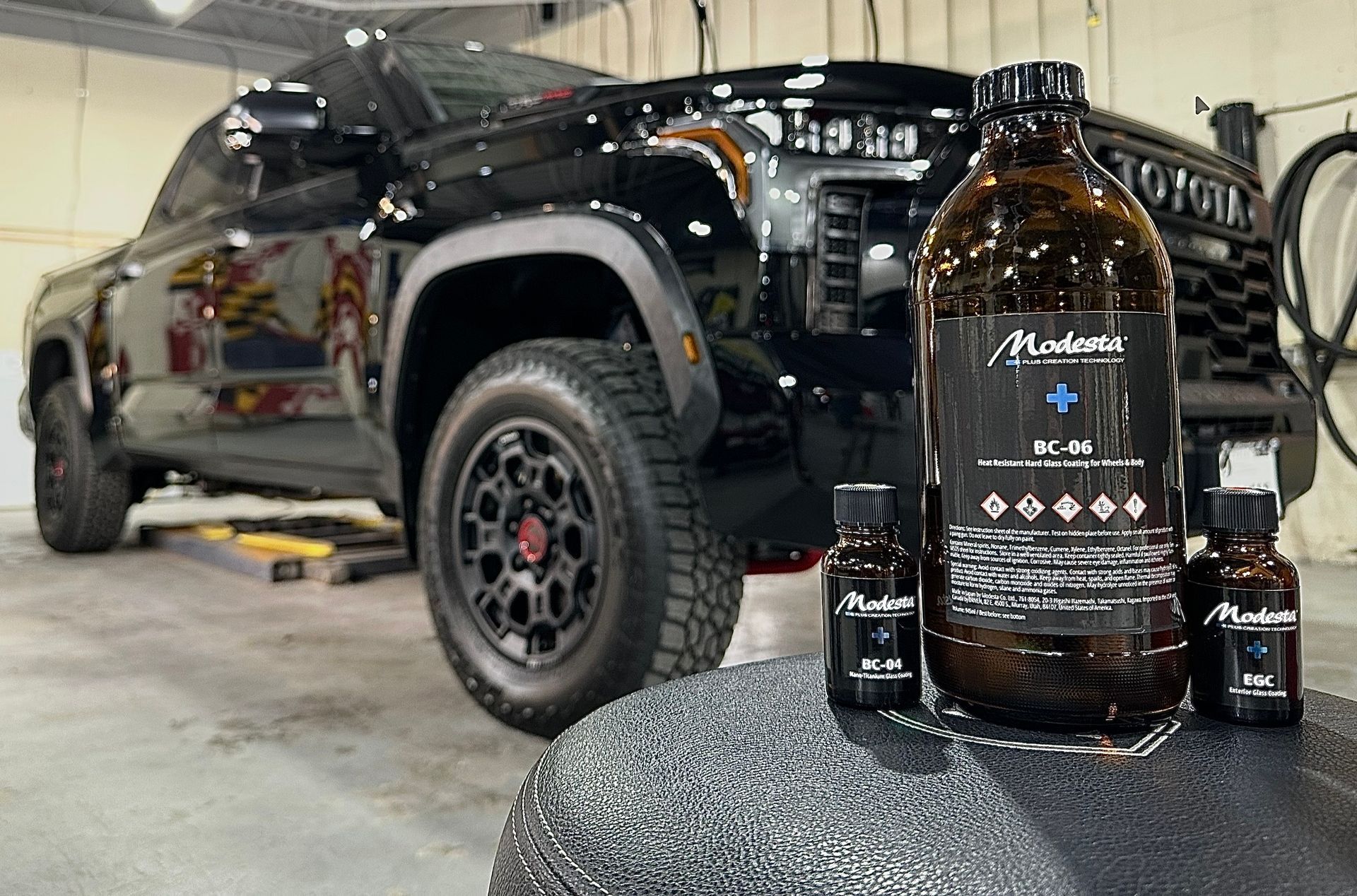
- Quality of Products Used: The products applied during the detailing process significantly impact the results. While premium products may come with a higher price tag, they often deliver superior protection and longer-lasting results. At Maryland Auto Spa, we prioritize using high-quality products like Modesta Ceramic Coating and STEK Paint Protection Film to guarantee your vehicle receives excellent care.
To ensure your car’s protection and aesthetic appeal, consider reaching out to
Maryland Auto Spa today. You can also call us at (301) 704-6503 for personalized guidance on selecting the best detailing package for your vehicle.
Blog