What Does Ceramic Coating Do? Uncover the Benefits!
SCHEDULE ONLINE GET A FREE ESTIMATEDid you know that your car bears the brunt of everything Mother Nature throws at it, from harsh sunlight to icy snowstorms? So, how can you protect your beloved automobile from these elements and enhance its overall appearance? Welcome to the world of ceramic coating – the superhero shield for cars in Silver Spring, MD! Prepare for a transformative journey as we delve into what ceramic coating does and unravel its significant benefits right now! Get ready to embark on an adventure that promises to redefine your vehicle's longevity, aesthetics, and ultimately - value. Dive in to discover this high-tech innovation that’s revolutionizing auto detailing!
What is Ceramic Coating?
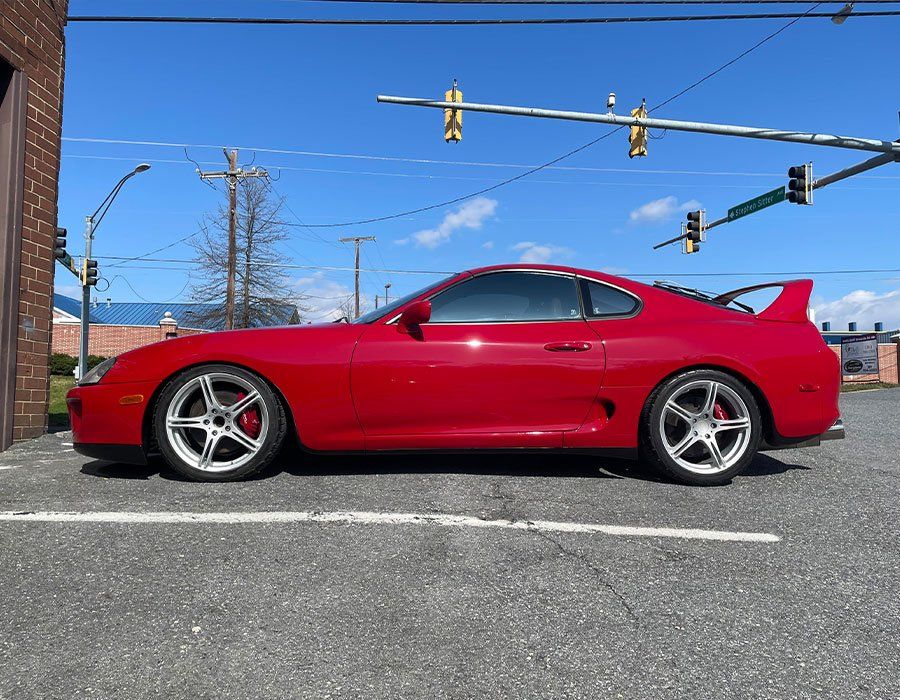
Have you ever heard of a car that shines so brightly that it looks like it just rolled out of the dealership? Well, there’s a good chance that the car had a ceramic coating applied to its exterior. Ceramic coating is a liquid polymer that is chemically bonded to your vehicle's paint, creating an extra layer of protection and shine.
Ceramic coating has become increasingly popular among car enthusiasts because of its long-lasting benefits and overall appearance. Not only does it add a glossy finish, but it also serves as a protective layer against environmental elements such as UV rays, oxidization, and chemical stains.
To better understand the significance of ceramic coating, imagine your car’s paint job as unprotected skin; without proper care and protection, it’s exposed to harmful elements that damage and corrode over time. But with a ceramic coating, your car becomes more resistant to those damaging factors.
With protection being a core benefit of ceramic coatings, let's take a closer look at their protective properties.
Protective Properties of Ceramic Coating
As we briefly mentioned earlier, ceramic coating creates an additional hydrophobic layer on your car’s surface, leaving the factory coat untouched. This results in resistance to many environmental pollutants like dirt, grime, and pollen that accumulate on your car over time.
But what makes ceramic coatings particularly special is their extreme resistance to UV rays and chemical stains caused by acidic contaminants in the air. Unlike waxing or other temporary coatings, which wear off quickly once exposed to certain agents such as acid rain or bird droppings, the ceramic coating's advanced formula creates a permanent or semi-permanent bond with the paint, so it sticks around and keeps working for much longer.
Overall, the protective properties of ceramic coating make it a smart investment for those wanting to keep their vehicle in showroom condition and avoid costly repairs in the future.
Resistance to Damage
One of the major concerns among car owners is maintaining the appearance of their cars, primarily the paint job. However, due to the harsh environmental elements such as dust, debris, mud, and UV rays exposed on roads or highways, car owners' paint jobs can quickly become damaged. Fortunately, ceramic coating offers a reliable solution for protecting your car's paint.
Ceramic coating works by forming a layer that bonds with your car's paintwork to provide a hardwearing surface. As a result, it significantly reduces the risk of damage caused by external elements. As a comparison, without a ceramic coating, even regular driving exposes your vehicle to contaminants and damages that lead to an unattractive appearance and extortionate repair costs.
Some dirt buildup might occur in day-to-day driving that even regular washing cannot effectively remove. Without a ceramic coating, this dirt eventually builds up, requiring repainting or other costly services.
Moreover, if you use powerful cleaning solutions to get rid of persistent marks on your car's paintwork, they end up stripping away some layers of your vehicle's original paintwork along with the stubborn stains. In contrast, ceramic coatings provide adequate protection from acidic contaminants in the air and chemical stains that develop into unsightly spots when they come into contact with your car's paintwork.
The Durability of the Coating
One significant selling point of ceramic coatings is their purported durability. High-quality ceramic coatings can last anywhere from two to five years on average, based on factors such as quality, maintenance, environmental influences, and driving conditions. That said, it is crucial to note that not all ceramic coatings offer the same level of durability.
One can think of a ceramic coating as an additional layer of protection applied on top of a car's paint job. The advantage is that with each application of the ceramic coating, you add more layers of protection to your vehicle's paintwork, giving your vehicle an increased lifespan beyond what factory levels provide.
In terms of the thickness of the ceramic coating layer, high-quality coatings ensure they apply the recommended number of layers to achieve optimal results.
Lifespan and Maintenance of Ceramic Coating
One of the biggest questions that car owners have about ceramic coating is how long it lasts. While some may think that a permanent or semi-permanent coating would last forever, this simply isn't the case. Several factors can influence the lifespan of ceramic coatings, including quality, maintenance, environmental influences, and driving conditions.
Proper maintenance and care are crucial to extending the lifespan of ceramic coatings. Regular washing with mild car shampoo and a microfiber cloth is recommended to keep contaminants from building up on the surface. Harsh chemicals and abrasive cleaning methods should be avoided, as they can damage the coating over time.
It's worth noting that even with proper maintenance, signs of wear and degradation may eventually appear. Reduced water beading and gloss are common indicators that it's time for reapplication. However, the good news is that reapplying ceramic coating is relatively easy compared to many other types of car detailing services.
As for the frequency of reapplication, it can vary widely depending on the specific coating, environmental factors such as climate and pollution levels, and how frequently the car is driven. Many high-quality coatings can last anywhere from two to five years on average with proper care, though some may last longer or shorter periods of time.
For example, a client of ours had their car coated with a high-quality ceramic coating three years ago. After regular washing and avoiding harsh cleaning methods, their car still beads water quite well and has maintained its glossy finish. While slight wear is visible upon close inspection, overall it still looks great and offers excellent protection against potential paint damage.
Overall, while proper maintenance is essential to ensure the maximum lifespan of your ceramic coating, it does not require huge amounts of upkeep for you to enjoy its benefits for years to come.
Average Lifespan and Influencing Factors
As previously mentioned, the average lifespan of ceramic coatings can vary widely depending on several factors - including their quality, maintenance, environmental influences, and driving conditions.
Higher-end coatings tend to last longer thanks to their formula's superior adhesion and hardening properties. Less expensive options may offer less predictable results over time due to variations in their components.
Another key factor that affects ceramic coatings' lifespan is exposure to environmental elements. UV rays, acidic pollution in the air, and extreme temperatures can all degrade the coating over time.
Lastly, proper maintenance habits will impact the longevity of your car's coating. For example, first-time use of a ceramic-coated vehicle for a long road trip could expose it to harsh weather conditions in different environments where maintaining regular cleaning intervals is not practical.
As you can see, there are several factors at play when trying to gauge a ceramic coating's expected lifespan. While five years is typical for high-quality coatings with proper care and application, it's important to remember that this timeframe is subject to considerable variability based on each vehicle's specific usage habits.
Additionally, like many things that get applied and worn away over time, some may wonder whether the ceramic coating is worth the cost if it needs reapplication every few years. While it's true that reapplication requires additional investment down the road, keep in mind that ceramic coating offers significant benefits beyond paint protection, such as ease of maintenance not found with traditional waxing techniques. When compared with traditional waxing expenses over the same three- to five-year span when ceramic coatings remain effective, these expenses can really add up.
It can help to think of ceramic coating as a smart investment in your vehicle's longevity. Just like purchasing quality tires that may last longer than cheaper options, the upfront cost may be higher but leads to better long-term value for your car maintenance budget.
Additional Ceramic Coating Benefits
Apart from the primary protective properties of ceramic coatings, there are additional benefits to consider. One of these benefits is that it helps to maintain and even enhance the color of your car's paint job. The ceramic coating can act as a shield against the harmful UV rays that cause the paint to fade or oxidize over time. As a result, the glossy finish on your paintwork will remain intact for an extended period of time.
Another advantage of ceramic coatings is their resistance to water spots and stains caused by acidic contaminants in the air. With a hydrophobic layer on top of your paintwork, water-based contaminants like bird droppings and tree sap will bead up on the surface, making it easier to remove them during regular maintenance.
Ceramic coating also minimizes the need for frequent waxing, detailing, or other maintenance routines necessary with untreated vehicles. As an added bonus, this reduction in upkeep can help save money over time. Additionally, with the prevention of fading and discoloration, vehicles preserve their value better, which is essential if you plan to resell them later.
A simple way to prove that ceramic coating enhances a car's overall appearance is by checking for water beading after application. When applied correctly, water should bead up instead of sticking flatly to your vehicle's surface.
Some drivers who prefer waxing might argue that today's cutting-edge wax technology provides similar protection features. While true at some level, compared to ceramic coatings, waxes do not last as long and require more upkeep. In the end, the ceramic coating provides enhanced protection without the need for additional maintenance.
Environmental Impact and Aesthetics of Ceramic Coating
Ceramic coatings are designed to protect your vehicle from external damage, but their impact on the environment is essential to note. Fortunately, most ceramic coatings are environmentally friendly, which means they do not release any harmful gases or residues. Also, since they prevent corrosion and color loss, cars protected with ceramic coatings typically have a longer lifespan.
Final Words
Ceramic coatings also enhance your car's appearance by giving it a glossy finish. They add depth to the original paint job that was never noticeable before. Some people might be hesitant, thinking that adding an extra layer of protective material would affect the car's aesthetics negatively. However, since ceramics don't add any significant weight or thickness to the car, they give it an elegant look, leading to multiple compliments.
Ceramic Coating is a game changer, providing unparalleled protection against the weather as well as a magnificent, long-lasting finish. Discover how this cutting-edge technology may help your car. Call us now at (301) 704-6503 and let us introduce you to the world of Ceramic Coating.
Blog