Clear Bra vs Ceramic Coating: Which Is Best For Your Car?
SCHEDULE ONLINE GET A FREE ESTIMATECar owners understand the importance of protecting their vehicles' paint jobs. Not only does this make your vehicle look nicer aesthetically, but it also prevents major oxidation and rusting. But when it comes to protecting that paint job, there's no rulebook for choosing between using a clear bra or a ceramic coating. Today we'll explore these details so you can decide which option works best in each instance! Let's dive in together and see which option best fits your vehicle!
What is Ceramic Coating?
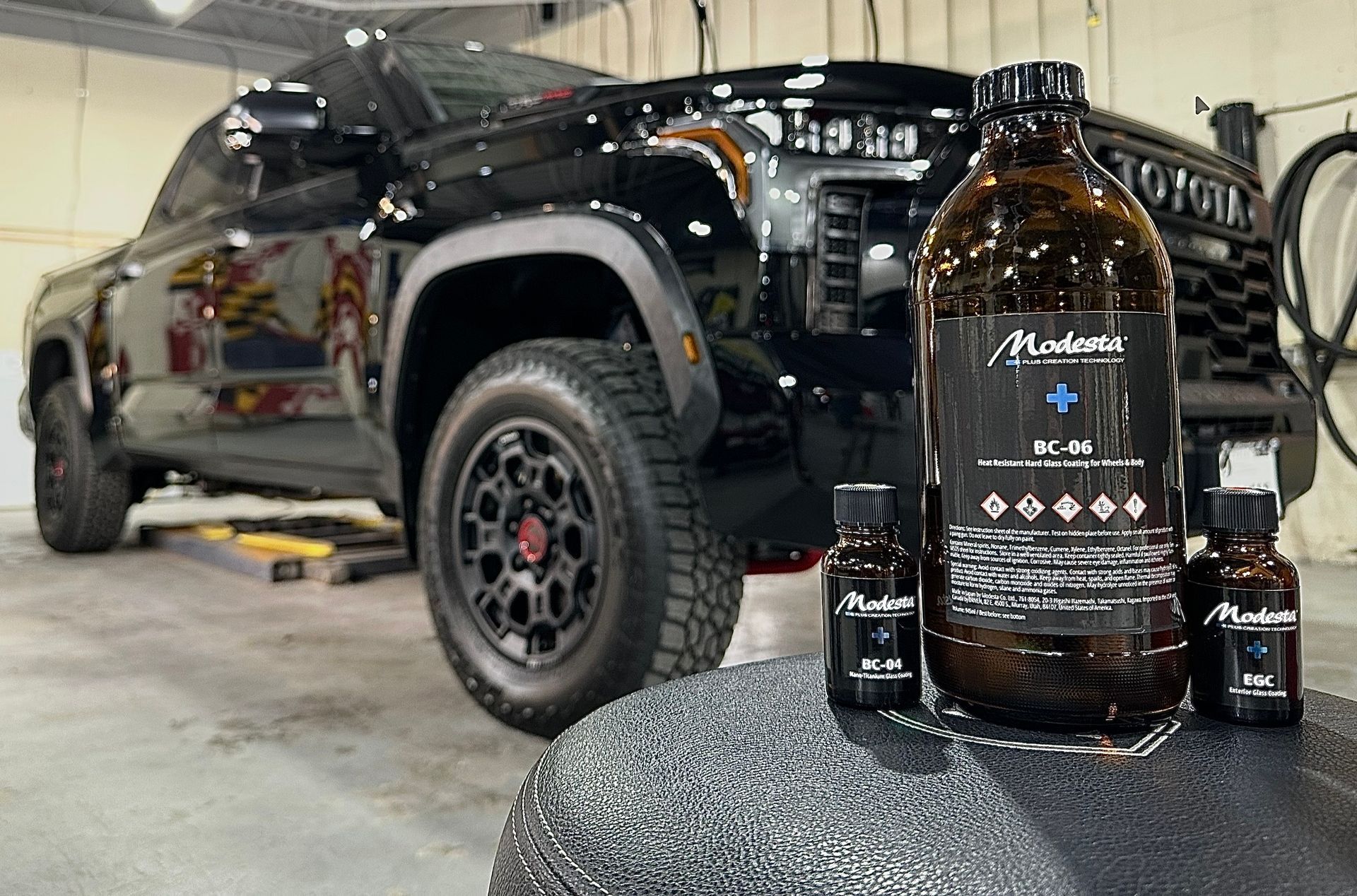
Ceramic coatings are an increasingly popular solution for protecting car paint finishes. Ceramic coatings keep environmental stressors from causing the paint underneath to fade, change color, or oxidize.
Ceramic coatings are more expensive than waxing or sealing, but they protect the outside of your car for a much longer time. Depending on the brand and product used, some ceramic coatings can last up to five years before needing to be reapplied. Even though the initial cost may be higher, the cost of protecting your car's finish is more than worth it.
What is Clear Bra?
Clear bra protection, also known as paint protection film, is a popular option for protecting the exterior of your vehicle. This thin plastic wrap made of urethane is applied directly to the body of the car to shield against scratches, chips, and damage caused by rocks, sand, or other road debris. Ceramic coating is a permanent sealant for your car's paint, but clear bra needs to be replaced every so often to keep working. This can be a good thing, though, because it helps you stay ahead of problems caused by normal wear and tear.
The Installation Process For Both Options
When selecting which vehicle protection option to use, the installation process of both options is an important factor to consider. Clear bra protection is typically applied by a professional because each panel must be cut and cleaned separately before being heated and molded onto the vehicle. Doing it yourself can be difficult because of this. Once in place, trimming around the edges and buffing with a cleaner designed specifically for clear bras are required.
Ceramic coatings require a thorough cleaning of the painted surface before application. A chemical bond between the molecules in the coating and the molecules in the paint forms multiple layers that form an impermeable barrier on cars. Installation takes more time than with clear bras as there are additional steps such as spot wiping areas with alcohol, polishing/buffing any stained areas, leveling out ridges or bumps, atmosphere/PH test prep, extensive damp cloth washing in stages, and a final wipe-down after application.
Overall, while both types of protection products protect your vehicle from environmental damage and wear-and-tear, there are distinct differences in how each type is installed. Whether you hire an expert or do it yourself, labor costs could differ drastically between each option. Therefore, before making a final decision on which choice is best for your car, take into account how much installation might cost.
Cost Of Installation For Each Option
When it comes to installing either a clear bra or ceramic coating, there is one major advantage and one major drawback. Because they take longer to put on, ceramic coatings tend to be more expensive than clear bras. On the other hand, ceramic coatings tend to be pricier due to their lengthy process; prices depend on how much work needs to be done.
While clear bras tend to be cheaper, they may not offer the level of protection some car owners desire. Ceramic coatings offer more layers of protection and tend to last longer than clear bras, so you'll end up spending more money over time for reapplication if you opt for clear bras instead. Both options have pros and cons when it comes to installation costs, so ultimately, it comes down to what works best within your budget while providing optimal vehicle protection in the long run.
As was already said, both clear bras and ceramic coatings require skill and precision to apply. However, ceramic coatings are usually more durable and last longer than clear bras. It is important that you do your research and understand what each structure offers before deciding which is best suited for your car.
Durability & Longer-Lasting Results of Each Option
Both clear bras and ceramic coatings offer outstanding durability when it comes to protection against fading, chipping, and other types of damage to your car's paint. Both options can last years on your car with proper maintenance, and each has additional benefits that might increase the coating's lifespan.
Clear bras are renowned for their outstanding longevity. They create a protective shield over the paint that shields against rock chips, scratches, and environmental contaminants. However, if exposed regularly to harsh chemicals like bird droppings or bug splatter, clear bras may not last as long as ceramic coatings.
Ceramic coatings offer greater longevity than clear bras if properly applied and maintained. By bonding directly to a layer of automotive paint, ceramic coatings create an indestructible film that won't chip or scratch off easily. However, some may be more vulnerable to fading under UV rays if not applied properly or taken care of promptly.
Repairing a clear bra is relatively simple if any part of it has been damaged. Over time, however, this film may degrade due to exposure to sun or rain and need replacement altogether. For the best results, ceramic coating should be performed by a professional. Luckily, if you take care of it, you won't have to do it as often.
Overall, both options offer great protection and durability, depending on what kind of repair or fade resistance you require. It is important to make an informed choice so that you can find the best option for your car.
Warranties Included With Each Option
When looking into protective films and ceramic coatings, the manufacturer's warranty is an important thing to think about. Clear Bra films typically provide three to five years of protection, whereas ceramic coatings provide one to five years of protection, as guaranteed by their manufacturers. Ultimately, how long your guarantee lasts usually depends on how much you paid for the product.
Due to the many durable materials used to make them, clear bra films usually come with longer warranties than ceramic coatings. These films contain high-grade polyurethane layers that offer increased protection, so their warranties tend to last longer.
Ceramic coatings, on the other hand, provide better protection, and some companies even offer free "top-up" treatments so that your coating will last longer and still cover everything as time goes on. This provides an additional level of assurance compared to typical "clear-bra" warranty policies, which may only cover minor scratches or fading caused by everyday wear and tear.
Which One Is Best for You?
Deciding between a clear bra or ceramic coating for your car depends on several factors. While both treatments offer long-term protection, their features set them apart in terms of warranty and performance. In the end, which option works best for you depends on your individual needs, preferences, and budget.
When it comes to warranties, clear bras typically offer more coverage. Many suppliers offer manufacturer's warranties that guarantee the quality of the product for a certain number of years against problems with the work or the materials. Some even guarantee installation work for up to seven years. On the other hand, ceramic coatings usually have shorter warranties that only cover a small number of problems with the material or the way it was installed.
On the whole, ceramic coatings tend to offer better overall performance than clear bras when it comes to overall protection. They form an additional protective layer over your car's surface, which makes it more resistant to external damage like UV ray exposure, chemical corrosion, and oxidation from contaminants like bird droppings or tree sap. Also, ceramic coatings are very flexible and can protect not only the paint but also the interior fabric and the windshield. Compared to plain bras, which only cover up existing damage without providing lasting protection, ceramic coatings have a better shine and repel water better.
Which option is ideal for you depends on your individual needs and budget constraints. Clear bras might be your best option if you want protection that lasts and comes with a full guarantee. On the other hand, if you require more comprehensive solutions with features like interior fabric protection or windscreen protection, ceramic coatings could be your best bet.
Final Words
Finally, both a clear bra and a ceramic coating offer excellent paint protection. Clear bras protect better against rock chips, and ceramic coatings keep out dirt and grime while making the car look shiny. Ultimately, the decision between them comes down to personal preference and what your vehicle requires.
If you are unsure which option is best for your car, Maryland Auto Spa can assist. Our team of experts will give you a consultation and assist in selecting the most effective way to protect your car's paint. Contact us today at (301) 704-6503 to book an appointment and give your vehicle the protection it deserves!
Blog