The Benefits of Paint Protection Film: Why Every Car Owner Should Consider It
SCHEDULE ONLINE GET A FREE ESTIMATEUnless you don't mind taking your car to the repair shop every other month, you definitely need to think about protecting its finish. Keeping it in pristine condition over the years will save you time, money, and frustration. Paint protection film does exactly that and more! From scratches to dirt to regular wear and tear, this film guards your car against any and all elements. In this post, we'll be breaking down the benefits of paint protection film and how to properly apply it to your vehicle. So read ahead to find out how easy it is to keep your car looking clean and shiny!
What is Paint Protection Film?
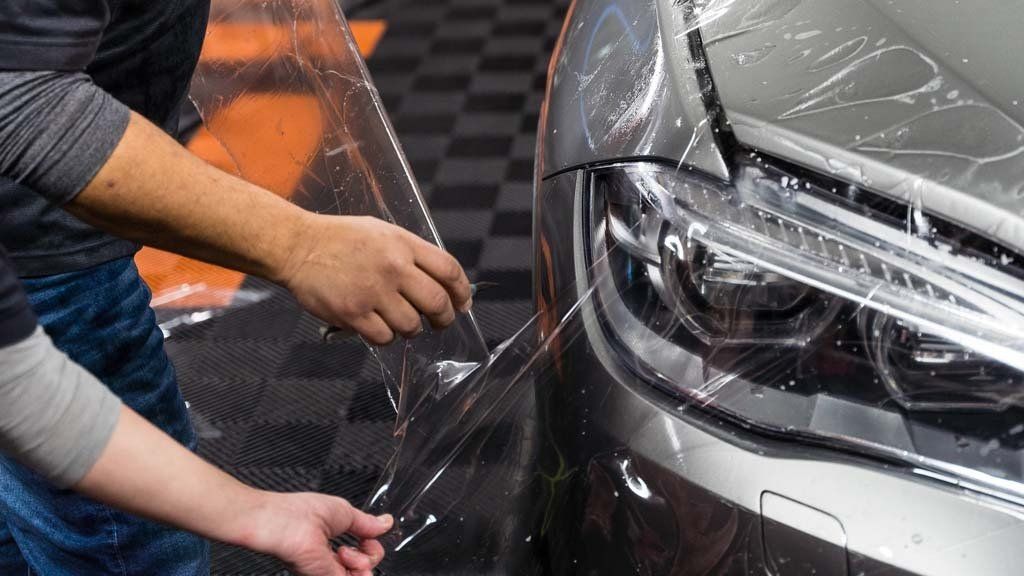
Paint Protection Film (PPF) is a transparent urethane film that is applied as a protective coating on top of your car’s paint. PPF helps protect your car from various environmental hazards like rocks, gravel, and abrasions. In addition to these environmental factors, PPF also protects against UV rays, which can damage surfaces over time. This means that your car's paint job is much better protected overall.
Benefits of Installing Paint Protection Film on Your Vehicle
Installing Paint Protection Film (PPF) on your vehicle has its fair share of benefits. The greatest benefit is the protection it offers your vehicle against scratches, scrapes, harsh weather conditions, and sunlight. PPFs are applied almost invisibly to cars, making them difficult to detect by passersby. This helps keep your car's paint looking beautiful for a longer period of time. Not only does this add extra value to your car, but you will be pleased with how the finish remains vibrant and unscathed throughout the years. Some of the benefits of installing PPF on your car are-
Last For A Long Time
Once installed, these protective films can last for up to 10 years without needing maintenance or replacement. This makes them an economical investment for drivers who are looking for lasting protection from dust, dirt, and grime accumulation, which causes wear and tear over time. Additionally, because PPF is more lightly tinted than window tinting film, it doesn't interfere with visibility during night driving, making it a great choice for those looking for both exterior styling enhancement and night-time optical clarity when driving.
Installation is Quick and Easy
PPF installation is quick and easy, often taking just a few hours to complete. This means that you can have your car protected in no time at all, as opposed to having to wait days or even weeks for another method of protecting it against scratches or damage. Plus, PPFs don’t require regular maintenance like waxing or polishing once they're installed, freeing up valuable time and money that can be put towards other projects.
Cost Saving in the Long Run
Cost may be an issue because PPF materials tend to be more expensive than traditional compounds used to paint and coat vehicles. But you may save money in the long run, because you won't have to spend as much on maintenance to keep the exterior protected. Regardless of which route you take, investing in some kind of external protection is recommended to maintain the beauty of your car and keep disruptions from weather conditions at bay.
Protection from Scratches and Damage
It is no mystery that paint protection film can largely protect your car from scratches and other damage. The main advantage of the film, in addition to protecting your car's paint, is that it absorbs a large amount of physical damage so that it doesn't affect the finish. An argument could be made that certain do-it-yourself touch-up paints and techniques can match the same level of protection and repair any damage as PPF can; however, these techniques require a significant amount of time and effort and come with the risk of permanent damage to the vehicle. On the other hand, paint protection film gives you an easier, more secure alternative for protecting your car’s finish while saving you time and money in long-term repairs.
Paint protection film is better than traditional ways to fix scratches or other damage to the car's appearance. The technology in this protective layer turns a small stone chip into a barely noticeable mark. If that same chip had been left out in the elements, it would have grown into a wide scratch or even something worse. Depending on the color depth of your vehicle's paint job and road conditions, this kind of protection may make all the difference when it comes to retaining the original value of your vehicle.
Installing paint protection film on your car isn't a cure-all for all blemishes, but it does have a lot of benefits that make it an attractive choice, especially since it doesn't cost too much. Armed with these benefits, it pays to invest in protective coverings that will maintain a long-lasting finish on your vehicle so you can drive worry-free without having to worry about minor repaints or damage.
Prevention of Long-Lasting Finish Damage
Now that we know the many benefits of paint protection film when it comes to protecting a car’s finish from scratches and damage, an important element to consider is the long-term preventive power of paint protection film. Using a good PPF will help prevent minor scratches and other cosmetic damage in the short term. With proper care, this product can also make the original paint and finish on a vehicle last for years longer.
In a study done by 3M, the market leader in automotive PPF products, researchers looked at how covered and uncovered car parts held up after five years. They found that, in general, areas with PPF endured less severe oxidation that could have caused permanent discoloration than areas without it. Additionally, they found that some samples barely showed any signs of wear even after half a decade. As previous studies have shown too, when pitted against general wear and tear such as everyday dirt, bird droppings, and road debris, PPF stands up to the test of time—literally.
It's worth noting, however, that while paint protection film can definitely provide illumination of both short- and long-term painted finish damage, it will not eliminate all degradation issues associated with exposure to weather effects, industrial fallout, or pollution over prolonged periods of time; proper washing or waxing will still be required every now and again to maximize its effectiveness. But given how well it works overall (especially compared to finishes that aren't protected) and how often it exceeds expectations, there is no doubt that PPF can be an important tool for keeping a car looking good for years to come.
Therefore, paint protection films can be a great investment that pays off in a variety of ways over the course of the car's lifetime if you want to shield the exterior paint of your car from minor wear and tear. Now let's take a look at how exactly this technology works to provide maximum protection against potential damage.
- According to a study conducted in 2018, paint protection film can reduce up to 8-10 degrees Fahrenheit from your vehicle’s external surface temperature.
- Paint protection film can help block up to 99% of UV rays that can cause damage and fading of the car’s exterior.
- Proven to increase the lifespan of your paint job by more than four times, paint protection film helps maintain the original luster and color of the car’s bodywork.
Areas That Benefit from Paint Protection Film Installation
Exterior paint is one area that benefits a lot from having paint protection film put on it. Installing a thin sheet of the optically clear polymer coating we talked about in the last section can protect painted surfaces from road debris, flying rocks, and other environmental factors that can cause abrasions, chips, and scratches. For vehicle owners who use their cars regularly on unpaved roads or in parking lots, this type of damage can accumulate quickly and lead to costly repair bills.
Putting paint protection film on the outside of a car is a short-term investment that can pay off in the long run both aesthetically and financially. Not only does it keep the vehicle looking newer for longer with its high-gloss finish that resists staining and fading over time, but it also prevents damage from spreading or getting worse, reducing repair costs in cases where roadway materials have impacted the exterior surface of the car.
Internal parts of the car, such as engines, transmissions, and other expensive parts that are hidden under hoods and elsewhere, also benefit from having paint protection film put on them. In this scenario, extreme weather conditions such as heavy rain or snowfall can cause issues with sensitive electronics or moving parts that could result in malfunction or poor performance. Installing a protective layer that can stand up to these environmental factors can prevent a drop in performance and make an engine last longer by stopping water from getting in and preventing corrosion.
Best Auto Detailer for Installing PPF in Maryland
Investing in high-quality paint protection film for your car is one of the wisest investments you can make as a car owner. It will protect it from damage from rocks, bugs, and other road debris, in addition to keeping it looking brand new and glossy.
If you are in need of paint protection film installation on your car, look no further than Maryland Auto Spa. Our team of experienced professionals can help you choose the right film for your car and make sure it's installed correctly, so your car will be safe for years to come.
Don't wait until your car's paint is damaged to take action. Contact Maryland Auto Spa at 301-704-6503 to schedule paint protection film installation and give your vehicle the protection it deserves!
Blog