The Difference Between One Step and Two Step Paint Correction
SCHEDULE ONLINE GET A FREE ESTIMATEHave you ever looked at your car and wondered why it doesn't sparkle like it did when you drove it off the lot? The secret to restoring that showroom shine could very well lie within the process of paint correction, a nifty automotive detailing procedure that can turn back time on your vehicle's exterior aesthetics. However, not all paint corrections are created equal.
In this blog post, we'll demystify the difference between one-step and two-step paint correction, helping you pick the right treatment to ward off any light scratches, swirl marks, or hazing, and reclaim your car's youthful glow. Buckle up for a deep dive into the world of paint perfection!
Exploring Paint Correction
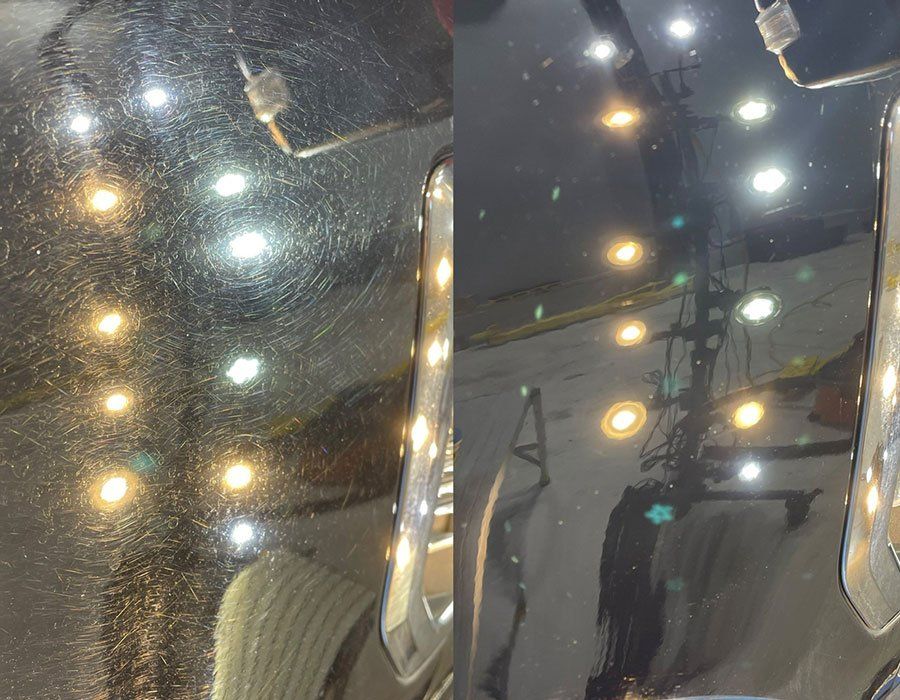
When it comes to maintaining the flawless appearance of your vehicle, paint correction is a vital process. Over time, a car's exterior can develop swirl marks, scratches, and other imperfections that dull its shine. Paint correction is the art of restoring the paintwork to its original glory through various techniques. By eliminating these imperfections, you can achieve a high level of gloss and clarity in your vehicle's paint. There are different approaches to paint correction, including one-step and two-step methods. Each method offers its own benefits and considerations. Let's dive deeper into the details of each approach.
One-Step Paint Correction
One-step paint correction is a technique that aims to improve the appearance of the vehicle's paintwork with a single abrasive compound. This method typically involves using a medium-cut polish or compound that can effectively remove light to moderate swirl marks, oxidation, and minor imperfections. It is an efficient solution for cars with relatively minimal damage or those in need of routine maintenance.
During one-step paint correction, a combination of machine polishing and the appropriate compound is used to level out the clear coat and remove imperfections. This process not only restores gloss and enhances shine but also helps rejuvenate the overall appearance of the vehicle.
One-step paint correction offers several advantages. First, it requires less time compared to more intensive methods like two-step correction, making it a cost-effective option for those looking for an efficient solution. It also removes many common imperfections, resulting in a significant improvement in the appearance of the paintwork.
However, it's important to note that one-step correction has limitations. While it can address minor surface defects effectively, it may not be suitable for deeper scratches or severe oxidation issues. In such cases, a more comprehensive approach, like a two-step correction, may be necessary.
Two-Step Paint Correction
When it comes to achieving the ultimate level of paint perfection for your vehicle, one method that detailers often employ is the two-step paint correction process. This intensive technique involves two distinct stages: cutting, or compounding, and polishing. Each stage plays a crucial role in restoring clarity and gloss to your car's paintwork.
The first step, cutting or compounding, is designed to remove deeper imperfections such as swirl marks, oxidation, and light scratches. To achieve this, a professional detailer will utilize an abrasive compound paired with a machine polisher. This combination allows them to carefully abrade the clear coat layer while minimizing the risk of damaging the underlying paint. By removing a fine layer of clear coat and smoothing out any defects, the surface is prepared for the next stage.
The second step in the two-step paint correction process is polishing. Polishing helps refine the finish by eliminating any visible marks left by the compounding stage and enhancing the overall gloss. A less abrasive polish is used in this stage to remove any micro-marring or hazing caused by the previous cutting process. The goal here is to further refine the surface and bring out its full potential, showcasing a mirror-like shine.
Imagine your car has been subjected to years of neglect, accumulating significant swirl marks and light scratches over time. A skilled detailer would perform a two-step paint correction to tackle these imperfections. First, they would carefully compound the paint using an appropriate abrasive compound to effectively eliminate those unsightly swirl marks. Then, they would move on to polishing, refining, and restoring the surface's original luster.
It's important to note that two-step paint correction requires precision, expertise, and experience. Misjudging the amount of clear coat removal during compounding or using improper techniques can lead to irreversible damage. That's why it's highly recommended to seek the services of a professional detailer who specializes in paint correction to ensure optimal results without compromising the integrity of your vehicle's paint.
Detailed Comparison: One-Step vs. Two-Step
Debating between one-step and two-step paint correction often depends on your vehicle's condition and your desired outcome. If you are looking for a quick enhancement or maintenance of already well-maintained paintwork, one step may be sufficient. However, for more significant corrections or restoring neglected finishes to their former glory, two-step paint correction offers a higher level of perfection.
Key Differences Explained
Understanding the key differences between one-step paint correction and two-step paint correction methods is essential in determining which approach is best suited for your specific needs.
One of the main differences lies in the level of aggressiveness applied during the correction process. In one-step paint correction, a single compound or polishing product is used to remove mild to moderate surface defects such as swirl marks, light scratches, and oxidation. This method focuses on enhancing gloss and clarity while providing some degree of defect removal.
On the other hand, two-step paint correction involves a more comprehensive approach. It typically employs a cutting compound during the initial stage to tackle deeper scratches, heavy oxidation, and severe imperfections. This aggressive compound effectively levels the paint surface but may leave behind some haze or micro-marring. In the second step, a finer polish is utilized to refine the finish, removing any haze left by the cutting compound and restoring a high level of clarity and depth.
Another critical difference between these methods is the time and effort involved. One-step paint correction is generally less time-consuming since it involves a single product application with the singular goal of improving overall appearance rather than achieving perfection. It can be an excellent option for well-maintained vehicles or for those looking for moderate improvement without investing too much time.
In contrast, two-step paint correction demands more meticulous attention to detail and typically takes longer to perform since it requires multiple product applications and more intensive polishing techniques. This method is often chosen for heavily damaged or neglected vehicles that require extensive defect removal and restoration.
Furthermore, it's worth noting that because two-step paint correction utilizes more aggressive compounds at the initial stage, there is an increased risk of thinning the clear coat if it's not done properly. This risk calls for experienced and skilled hands to navigate this method effectively.
Process Breakdown of Each Correction Method
One-Step Paint Correction:
- Thoroughly clean the exterior of the vehicle to remove any dirt or contaminants.
- Assess the condition of the paintwork to determine if a one-step correction is suitable.
- Apply a cutting compound or all-in-one polish using a machine polisher, focusing on one panel at a time.
- Work the product into the surface, gradually removing defects and enhancing gloss.
- Wipe away any residue and inspect the results for improvement.
- Follow up with a protective sealant or wax application to enhance and preserve the finish.
Two-Step Paint Correction:
- Start with a comprehensive wash and decontamination process to ensure a clean surface.
- Evaluate the extent of paint imperfections and select an appropriate cutting compound.
- Use a machine polisher with a cutting pad to apply the compound and work it into the paintwork, focusing on specific areas that need more attention.
- Regularly check your progress, making sure not to overheat or damage the paint by working in small sections.
- Once the desired correction is achieved using the cutting compound, switch to a finer polishing compound and pad combination.
- Polish the entire vehicle with this finer product to refine the finish further, eliminating any haze or marring left by the previous stage.
- Inspect and evaluate the final result for quality assurance.
- Apply a protective coating or sealant to prolong and maintain the corrected finish.
Weighing Up Pros and Cons of Each Method
When it comes to paint correction, both one-step and two-step methods have their own set of advantages and disadvantages. Let's weigh up the pros and cons of each method to help you make an informed decision.
One-Step Paint Correction
Pros:
- Time-Efficient: One of the significant benefits of the one-step method is that it can be completed in a shorter amount of time compared to the two-step process. This can be advantageous if you're working on a tight schedule or need your vehicle back quickly.
- Cost-Effective: Since the one-step method requires fewer steps, it is generally more affordable than its counterpart. If you're looking for a more budget-friendly option, this could be the way to go.
- Beginner-Friendly: If you're new to paint correction or don't have extensive experience, the one-step method may be easier to learn and execute. It typically involves using a single compound or polish, making it less complicated.
Cons:
- Limited Correction: While the one-step method can improve the appearance of your vehicle's paintwork, it may not address deeper scratches, clear coat damage, or other significant imperfections as effectively as the two-step process. It may provide more of an enhancement than a complete restoration.
- Inconsistent Results: Achieving consistent results with the one-step method can be challenging since there is limited room for customization. The outcome may vary depending on factors such as paint condition, severity of imperfections, and skill level.
Two-Step Paint Correction
On the other hand, the two-step paint correction method offers more extensive restoration capabilities but requires additional time and expertise. Let's explore its pros and cons:
Pros:
- Enhanced Correction: The two-step method allows for a more thorough correction process, making it suitable for addressing deeper scratches, swirl marks, and other significant paint imperfections. This method can achieve a higher level of paint restoration.
- Superior Finish: With the two-step method, you have the opportunity to refine your vehicle's paint further by using different compounds and polishes. This can result in a smoother, clearer, and more glossy finish.
- Customization Options: The two-step process provides greater flexibility for customization based on the specific needs of your vehicle's paintwork. It allows you to tailor the correction steps and products used for optimal results.
Cons:
- Time-Consuming: Compared to the one-step method, the two-step process requires more time and effort due to the multiple stages involved. It may not be the ideal choice if you're looking for a quick fix or have time constraints.
- Higher Cost: With the additional products and steps involved, the two-step method usually comes at a higher cost than the one-step process. It's important to factor in both time and budget considerations when deciding which option is best for you.
Ultimately, your decision between one-step and two-step paint correction will depend on various factors, including your goals, budget, time availability, and level of expertise. If you're seeking a cost-effective solution with satisfactory results, the one-step method might be suitable.
However, if you desire a more advanced correction with superior finish quality, even if it requires more investment in terms of time and cost, the two-step method could be the way to go. Consider consulting with professionals at Maryland Auto Spa, who can provide expert advice tailored to your specific needs.
Unveiling Paint Perfection with Maryland Auto Spa
Revive your car's lost brilliance by choosing the perfect treatment to conquer swirl marks, light scratches, and imperfections. When it comes to restoring your vehicle's youthful glow and that showroom shine, Maryland Auto Spa stands out as your premier choice.
Choosing Maryland Auto Spa means opting for more than just a service; it's an investment in your car's aesthetics and longevity. Our team of skilled professionals specializes in both one-step and two-step paint correction methods, ensuring that your vehicle receives the exact treatment it needs. Our Level 3 Paint Correction (Correction & Protection) is the most popular choice if you want to maintain your vehicle's flawless appearance, and our expertise in paint correction sets us apart.
Our dedicated professionals specialize in delivering tailored solutions that suit your car's unique needs. We provide efficient solutions and go the extra mile, making your choice of Maryland Auto Spa a decision you won't regret.
Experience the Maryland Auto Spa difference—a journey from ordinary to extraordinary. Reclaim your car's youthful glow today.
Schedule a consultation now!
Blog