Even the strongest armor has to be taken off when the fight is over. Imagine yourself as a knight from the Middle Ages taking off his chain mail after a hard-fought victory. Now, think about your beloved car and the Paint Protection Film (PPF) that covers it to protect it. Just like with a knight's armor, time will eventually make it necessary to get rid of it.
In this informative guide, we're about to dive headfirst into the art of PPF removal from your precious chariot, turning what seems like a daunting task into a manageable feat. With experts from Maryland Auto Spa at your side, fear not, for we will guide you through the process step-by-step. Get ready to break free from worn-out protection and embrace transformation!
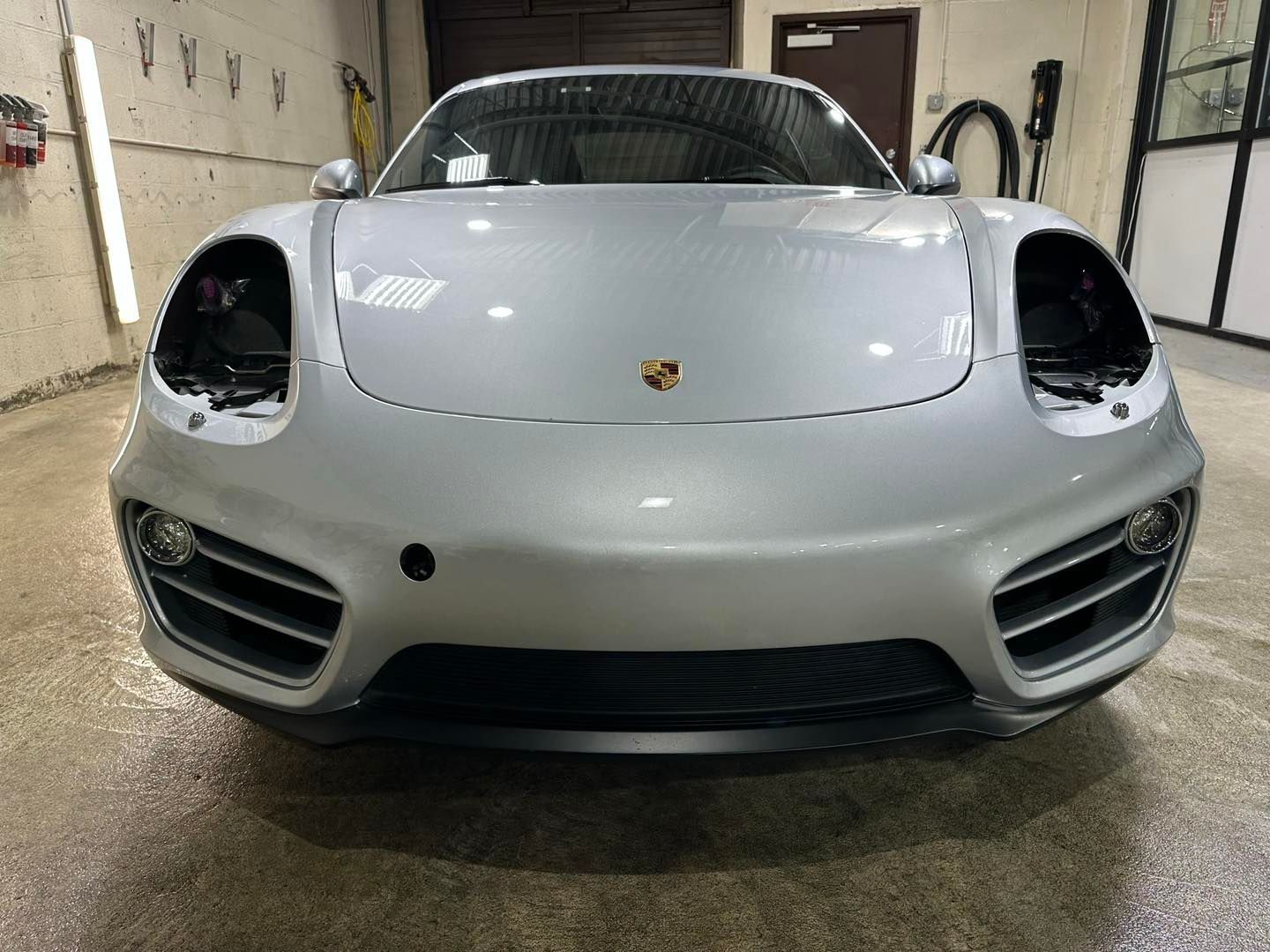
Understanding Paint Protection Film
Paint protection film (PPF) is a thermoplastic urethane film applied to the painted surfaces of a car to protect against external elements such as harsh weather, road debris, and UV damage. It is designed to preserve the vehicle's factory finish by preventing chipping, scratching, fading, and erosion of the paint from gravel, rocks, insects, and other hazards that might come into contact with it while driving. PPF can also enhance the aesthetic appearance of a car by giving it a high-gloss or matte finish.
To understand the
benefits of PPF installation, it is essential to realize that cars go through a lot of wear and tear. When out on the road, debris from other vehicles can fly into your car, causing chips, scratches, and dust buildup. Not only do these complications make your vehicle look unsightly, but they can also negatively impact your vehicle’s longevity. By having PPF installed on its exterior surface, it can protect against common issues like flying rocks or daily dirt accumulation that may cause wear and tear over time.
Furthermore, PPF serves as an additional layer for preserving a car's resale value. On average, most cars lose their value by up to 20% within the first year due to daily use and general deterioration of the paintwork. But with PPF, especially on high-use areas like hoods and bumpers, potential buyers will have peace of mind knowing that the key assets of the car are well maintained.
Overall, PPF offers excellent long-term protection when properly installed, but eventually, removal may become necessary because it has become damaged or discolored over time or because you simply want fresh protection on your car.
There are many different brands and types of PPF in today's market, so choosing one can be challenging. However, opting for a trusted brand with good installers, will provide excellent durability and longevity. Such established manufacturers have spent years testing their products, ensuring that they can withstand harsh weather, direct sunlight, and high speeds on the highway without fading or peeling off.
Think of PPF as a shield for your car's paint job. It is like wearing protective gear while playing sports: it helps reduce potential damage by absorbing most of the impact and keeps you safe. Like any other piece of safety equipment, installation is critical to its effectiveness, so make sure it is done correctly by professionals.
Why it's Important for Cars
PPF provides superior protection to high-use areas that typically get damaged from road debris such as gravel, sand, and rocks. Not only do these particles scratch up your vehicle's surface, but prolonged exposure can lead to more serious problems in the long run. Acidic bird droppings can cause large patches of discoloration in the paintwork if left untreated and result in more significant damage to the car’s exterior beyond just appearance.
As mentioned earlier, PPF also preserves your resale value. Even though car depreciation is inevitable over time, having a well-maintained finish on your car will be more appealing to potential buyers than a vehicle with damages, especially in high-impact areas. Furthermore, saving money by paying a one-time installation fee can sometimes outweigh the cost of an entire paint job or panel replacement later down the line.
Most importantly, it provides peace of mind that you are protecting one of your most significant investments; Your Car. Sometimes automakers do not use proper paints or clear coats to protect their cars from damage when initially produced, which shows how necessary a PPF addition can be in some instances.
The usefulness of PPF comes from the natural wear and tear applied through daily use. Everyday driving subjects cars to rock debris on highways or dirt roads, which can leave behind scratches and chips. As mentioned earlier, these problems are not only unsightly but can cause severe damage in the long run. PPF counteracts these issues by adding an extra layer of protection, reducing the effects of scuffs, road debris, UV rays, etc.
For example, vehicles such as the Tesla Collision Repair Model 3 and even older models like the BMW Z4 can always use an added layer of protection against everyday hazards. Not only are these investments aiding your vehicle's upkeep and maintenance, but they also truly help to make sure needed repairs stick when done properly.
Conditions Requiring Removal
There are various conditions that may require the removal of the paint protection film. The most common of all reasons is the general wear and tear caused by prolonged use of the PPF. If your car has been fitted with a paint protection film, it may start showing signs of wear and tear after several years of exposure to harsh weather conditions.
Similarly, if your car has been in an accident or collision, there's a fair chance that the film will have suffered some form of damage. In such cases, it's best to remove and replace the PPF, as it may no longer provide adequate protection to the underlying paintwork.
Furthermore, if you have plans to add a new layer of paint or decide to sell the vehicle, it would be prudent to remove the existing PPF. This helps prevent damage to the underlying paintwork during repainting and ensures a clean surface for any potential buyers.
Suppose your PPF has been on for four years and has begun to show signs of yellowing, bubbling, cracking, or fading. In that case, it's time to remove it and install a new one for maximum protection.
Leaving damaged PPF exposed on your car can cause more harm than good. Over time, water can seep in through the cracks and crevices in damaged films, leading to rust spots and other unpleasant outcomes.
Some individuals may argue that simply applying ceramic coatings over worn-out PPF is a more cost-effective way of combating wear and tear. However, while these coatings do offer extra layers of protection against UV rays and abrasion, they cannot repair existing damages like yellowing or bubbles.
Preparation Measures for Film Removal
Before embarking on the process of removing your paint protection film, you need to prepare adequately. Proper readiness saves time and prevents potential damage to the underlying car's paintwork.
The first step is ensuring that you have all of the necessary tools and equipment for the job. Tools such as heat guns, adhesive removers, microfiber towels, tar and glue removers, and car wash kits are essential. You may also require some protective gear, like nitrile gloves and safety glasses, when using chemicals or power tools.
Having a well-prepared work environment can also help prevent damage during removal. Ensure that your workspace is well-lit and has ample ventilation to prevent inhalation hazards when working with adhesive removers. An ideal temperature range for removal is between 60-75 degrees Fahrenheit.
Necessary Tools and Equipment
Removing paint protection film requires the use of several tools and equipment. Although some of these items may already be in your toolbox, you might need to purchase or rent some specialized tools. Here are the necessary tools and equipment:
Heat Gun: A heat gun is an essential tool for warming up the film, making it more pliable, and softening the adhesive that bonds it to the car's surface. A hairdryer can also work if you don't have access to a heat gun.
Adhesive Remover: This is a chemical solution that helps dissolve the adhesive that binds the PPF to the surface of your car. Different types of adhesive removers are available, including citrus-based and solvent-based formulas.
Plastic Razor Blades: These tools aid in removing film without scratching the clear coat or damaging paint. Plastic razor blades are not as sharp as metal blades; therefore, they cannot scratch or mar surfaces.
Microfiber Towels: You'll require plenty of microfiber towels to clean up any remaining adhesive residue and soak up excess water when washing the paintwork before removal.
Isopropyl Alcohol: Use isopropyl alcohol to clean off old wax and debris from the PPF before attempting to remove it.
Plastic Sheets: When you're dealing with large sections of PPF, plastic sheets can help protect glass and non-painted surfaces during removal.
Car Wash Kit: After removing the PPF, give your car a thorough wash with high-quality car shampoo, quick detailer spray, wheel cleaner, tire shine spray, etc.
Purchasing these tools isn't always economical for individual car owners unless they intend to replace their PPF regularly. However, professional auto detailing shops maintain an inventory of required tools for easy paint protection film installation and removal procedures.
Creating an Effective Work Environment
Before removing PPF from your vehicle, it is crucial to prepare an ideal working area that minimizes the risk of scratching the paint or causing damage to the car. Here's how to create an effective work environment:
Find a Clean and Dry Space: It’s important to note that removing PPF involves a delicate process that can go wrong if not executed correctly. Therefore, ensure that you use a dry and clean space, such as a garage or covered area, where no debris or dust particles can attach to the adhesive on the film when you remove it.
Control Temperature and Humidity: The warm temperature helps soften the adhesive under the film, while moisture affects the adhesive's strength. Hence, aim for low humidity levels and warm temperatures with good ventilation.
Use Good Lighting: Illuminating your working area with bright lights ensures you don't miss any residue or damage during PPF removal.
Failing to take these precautions can result in scratches on your car's bodywork, which would be more costly to repair than installing PFF.
A good comparison is painting the interior walls of a room. You wouldn't want a dirty surface, uneven lighting, or high humidity levels; otherwise, the painting job will turn out terrible.
Some people might argue that creating an effective work environment may seem excessive since they plan on taking off their car's PPF themselves. However, failure to take proper precautions results in scratches on your car's bodywork, which would be more expensive to repair than
installing fresh PPF.
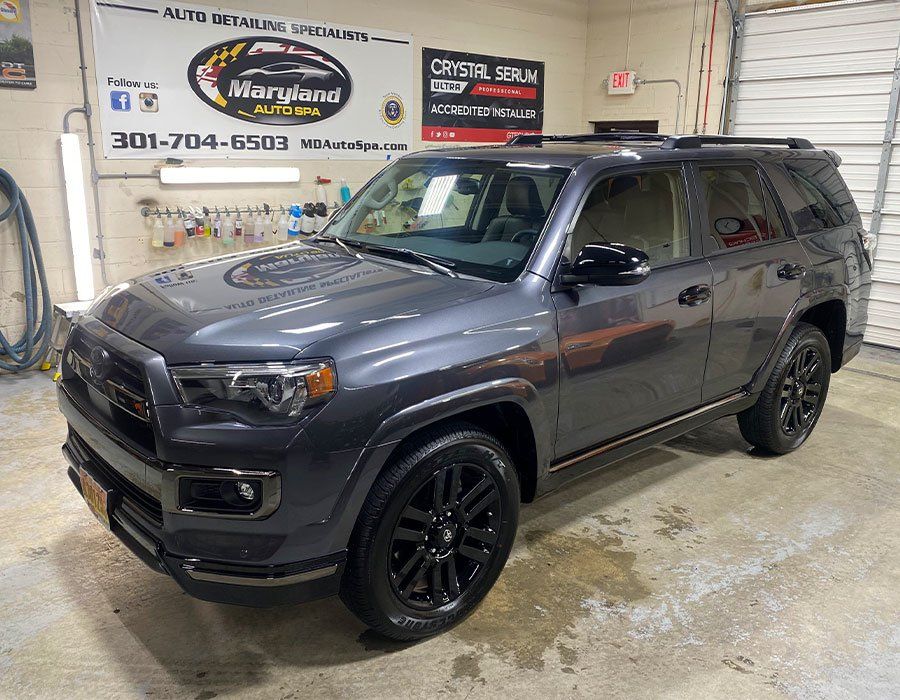
Step-by-Step Removal Guide
Now that you have all the necessary tools and equipment, it's time to begin with the actual process of removing your paint protection film. Here is a step-by-step guide to help you through this process.
1. Heating the Film: You’ll first need to heat up the edges of the PPF with a heat gun, hair dryer, or steamer. This will help loosen up the adhesive and make it easier to remove. Once you have heated the edges, grab them firmly using your fingers.
2. Peeling off the Film: As you peel the PPF off, make sure that you’re pulling at a 180-degree angle, with your hands as close to the surface as possible. Do not pull it away in one quick motion since this may damage the paintwork if there are any areas that are still sticking.
3. Removing the Adhesive Residues: With most of the film removed, there might be adhesive residues left behind that need to be removed. Apply adhesive remover on these spots using a clean microfiber towel and let it sit for about 10 minutes before scrubbing gently and wiping off.
4. Double-check for any Missing Pieces: After removing all residues, double-check to ensure that you haven't missed out on any pieces.
5. Final Inspection: Finally, go over each section where you’ve removed PPF thoroughly and check for any missed spots.
Think of removing PPF like peeling off stickers from your notebook back in school – start at one corner and take it slow and steady so that no residue gets left behind!
Dealing with Tough Spots and Adhesive Residues
Even after following the removal guide strictly, there may be times when you encounter tough spots that refuse to come off. Here are some solutions to such situations:
1. Using Hot Water and a Squeegee: Pour hot water over the stubborn spot to soften the adhesive, and then use a squeegee or plastic scraper to gently remove it.
2. Chemical solution: For tougher spots, the adhesive removers mentioned previously should work, or try using goo-gone, which is also very effective in removing adhesive residues.
3. Clay Bar Method: If none of the above remedies work, consider using a clay bar. Wet the surface with soapy water and then rub the clay bar over it until the sticky substance disappears.
4. Polishing for Residues: If there’s any residue left, buffing or polishing is a great way to tackle it, as these methods can create enough friction to lift any left-over residue.
5. Professional Help: If all else fails, professional auto detailers will have special cleaning agents and tools at their disposal, along with years of experience in this area.
Any of these approaches will take care of most spots, but some just refuse to budge! In these cases, it is important not to force or scrape too hard, as you may damage your paint job and only worsen the issue.
Post-Removal Maintenance and Care
After removing the paint protection film, it is essential to note that your car's paint is now exposed and needs proper care. The first thing to do is remove any leftover adhesive from the surface of the car. Any remaining adhesive can be removed using a heat gun, adhesive remover, and a microfiber cloth.
Once you've removed the adhesive, the next step is to give your car a good wash. Use car-friendly soap and a microfiber cloth to ensure that no debris or dirt is left on the surface of the paint. Be careful when washing around the edges and corners of your car, where buffing or polishing may be needed.
After washing, it's essential to inspect the surface of the paint for damage that may have been caused by the PPF installation or removal process. If any damage or scratches are visible, it’s best to seek professional help for repairs.
Finally, once everything looks good, you can add another layer of protection on top of your car's paintwork, such as wax or sealant. Adding this extra layer will help protect your paint from UV light and other harmful elements in the environment.
Cleanup, Polish, and Potential Reprotection
After removing old PPF from your vehicle's body surface, more often than not, remains could have been left behind after lifting off the Clear Bra. The glue residue might communicate an unrefined look, creating dents in an otherwise spotless look; therefore, cleaning becomes imperative.
The first step involves cleaning off any remaining glue residue using an appropriate adhesive cleaner recommended specifically for auto finishes. It is vital to take care of any leftover spots, as they can cause discoloration over time if left unchecked.
Polishing could be carried out post-cleaning if required by too much sun exposure or stubborn stains. Though not mandatory, a simple polish has the added advantage of not only improving the car's body look but also giving it a more vibrant and glossy finish.
Finally, once the car is clean, smooth, and polished, it's time to consider reapplying another protective layer of paint protection film, or Clear Bra. Doing so will help with stone chips and other environmental damage. The clear bra film should cover high-risk areas such as the hood, fenders, mirrors, bumpers, and headlights.
Get Professional Help From Maryland Auto Spa
Paint protection film removal can be an exhausting process if you do not know how to do it correctly and do not have the right equipment. Additionally, there is a chance that your vehicle will sustain additional damage during the inefficient process.
When it's time to say goodbye to your old Paint Protection Film, rely on
Maryland Auto Spa for a painless removal. Our experienced crew has the knowledge and skills to ensure a trouble-free journey. We have you covered, whether you want to replace it with new protection or restore your vehicle's original brilliance. Call (301) 704-6503 to
make an appointment for expert paint protection film removal. Say welcome to a reborn car!
Blog