DIY Auto Detailing vs Professional Service: Pros and Cons Compared
SCHEDULE ONLINE GET A FREE ESTIMATEDIY auto detailing allows for personal control over the process but can be challenging without expertise and specialized equipment. Professional auto detailing offers expertise, thorough cleaning, and access to high-quality products, providing consistent, high-quality results without the hassle. Achieving sparkle like a pro isn't always as simple as it seems. It demands time, skill, and specific tools. So, getting that fresh-off-the-lot look at home may come with extra challenges. In this blog post, we will compare the pros and cons of DIY and professional auto detailing!
DIY Car Detailing
DIY car detailing can be incredibly rewarding. The satisfaction of restoring your car to its original condition with your own hands can be extremely rewarding. Additionally, it presents an opportunity to save money compared to hiring a professional service.
When you take on the task of detailing your own car, you have complete control over the entire cleaning process. You can personalize and tailor the techniques and products used to fit the exact needs of your vehicle. It's like giving your car a custom spa day!
However, achieving professional-grade results through DIY detailing is no walk in the park. It requires expertise and access to specialized products and equipment that aren't always readily available to the average car owner.
Expertise is a critical factor often overlooked in DIY detailing. Professional car detailing services have highly trained technicians who understand the nuances of various materials, surfaces, and cleaning agents. Without this level of knowledge and experience, achieving showroom-quality results can be challenging.
Furthermore, while DIY might seem like a pocket-friendly alternative, it's important to recognize that stocking up on high-quality cleaning products and equipment can entail significant upfront costs. Moreover, unless you're well-versed in their usage, you might end up with unused or improper tools and cleaners that don't deliver the desired outcomes.
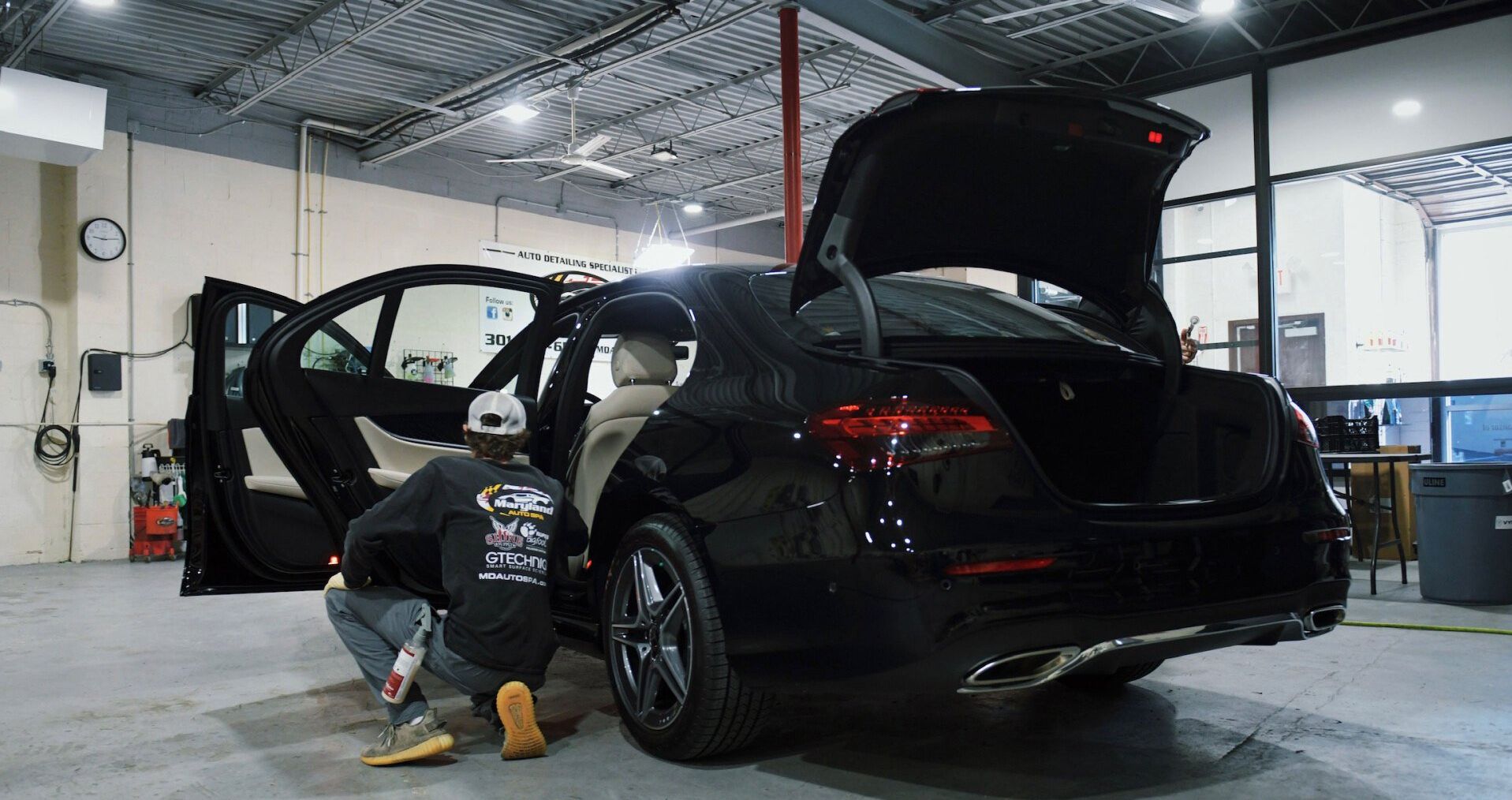
Understanding Tools and Products for DIY
When detailing your car yourself, having the right tools and products becomes critical for achieving professional-grade results. Let’s start by discussing the essential tools needed.
Tools
One of the most important tools for DIY car detailing is a set of microfiber towels. They are gentle on the paint finish and provide a lint-free cleaning experience, ensuring a scratch-free shine. Similarly, using soft-bristled brushes helps in cleaning delicate areas without causing any damage. Dislodging dirt and grime from hard-to-reach areas is made easy with a reliable vacuum cleaner.
A clay bar is another indispensable tool for DIY car detailing. It effectively removes contaminants that are embedded in the paint, leaving the surface smooth and ready for additional treatments. Furthermore, an assortment of brushes designed for different surfaces enables targeted cleaning, ensuring that each area of the vehicle is properly addressed.
Products
Equally crucial to the tools are the products used during DIY detailing. The selection of these products should be done with care to avoid damage to your vehicle's surfaces.
Starting with a pH-neutral car wash soap is essential for safely lifting dirt and grime from the vehicle's surfaces without stripping off protective waxes or sealants. Next, a high-quality glass cleaner helps maintain clear visibility through your windows and windshield.
Using a dedicated wheel cleaner ensures that brake dust and road grime are effectively removed without causing harm to wheels or braking components. Finally, applying a wax or sealant provides protection against environmental contaminants and UV damage.
It's important to note that using the wrong products can result in unwanted consequences such as scratches, swirl marks, or degradation of paint quality. Investing in reputable brands and scrutinizing product labels for compatibility with your vehicle's surfaces can save you time and money by preventing potential damages.
By understanding these essential tools and products for DIY detailing, you gain insight into the necessary elements required for maintaining the aesthetics and longevity of your vehicle.
Professional Auto Detailing
When it comes to pampering your vehicle, professional detailing services are like the VIP treatment. These experts have seen it all, from mud-caked trucks to luxury cars, and they know exactly what it takes to make any vehicle look its best.
First and foremost, professional detailers offer a level of expertise that's hard to replicate at home. They use specialized tools and products tailored to your vehicle's specific needs, ensuring that every nook and cranny is taken care of. By employing comprehensive cleaning techniques, they address areas that often get overlooked during DIY attempts, such as paint correction, engine bay detailing, and wheel detailing.
The advantages extend beyond just specialized tools and products. With years of practical experience, professional detailers have developed an excellent eye for detail. Their expertise allows them to identify and rectify even the most subtle imperfections that can detract from the overall appearance of your vehicle. This ensures a thorough cleaning process that delivers impeccable results.
Moreover, while a DIY approach offers personal control over the entire cleaning process, professional services provide efficiency and convenience without compromising on quality. Instead of wrestling with complex processes or investing in expensive equipment, professional detailers handle every aspect of the job with precision and skill.
Ultimately, the rigorous training and experience of professional detailers result in high-quality outcomes consistently. Their thorough attention to every aspect of vehicle detailing ensures that your car not only looks pristine but also maintains its value over time.
Quality and Experience of Professionals
Quality is always a top concern when it comes to professional detailing services. The experience of specialists, their understanding of various vehicle types, and the products they work with are crucial determinants of the overall standard of service provided to customers.
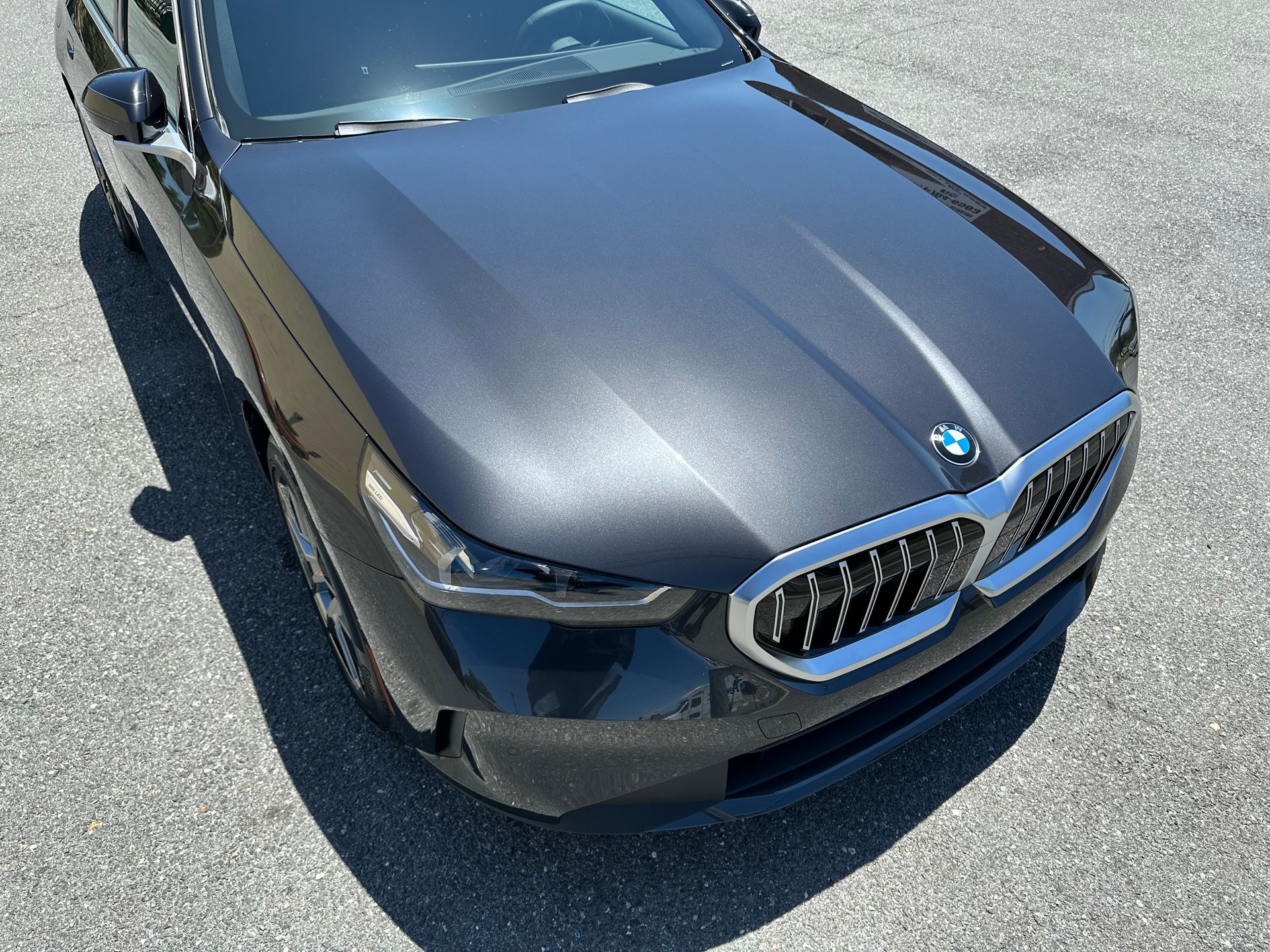
These professionals tend to possess an in-depth understanding of the unique characteristics and nuances associated with various vehicle finishes. Whether it's the delicate matte surface of a luxury sports car or the classic glossy paint common to many vehicles, experienced detailers comprehend the specific care techniques required for each type of surface.
For instance, applying a protective coating on a matte finish demands utmost precision due to its unique attributes, which differ significantly from those of traditional glossy paint. The application process must be conducted with extreme care to ensure that the desired protective effects are achieved without altering the matte appearance—a task best entrusted to proficient professionals with extensive experience in handling such finishes.
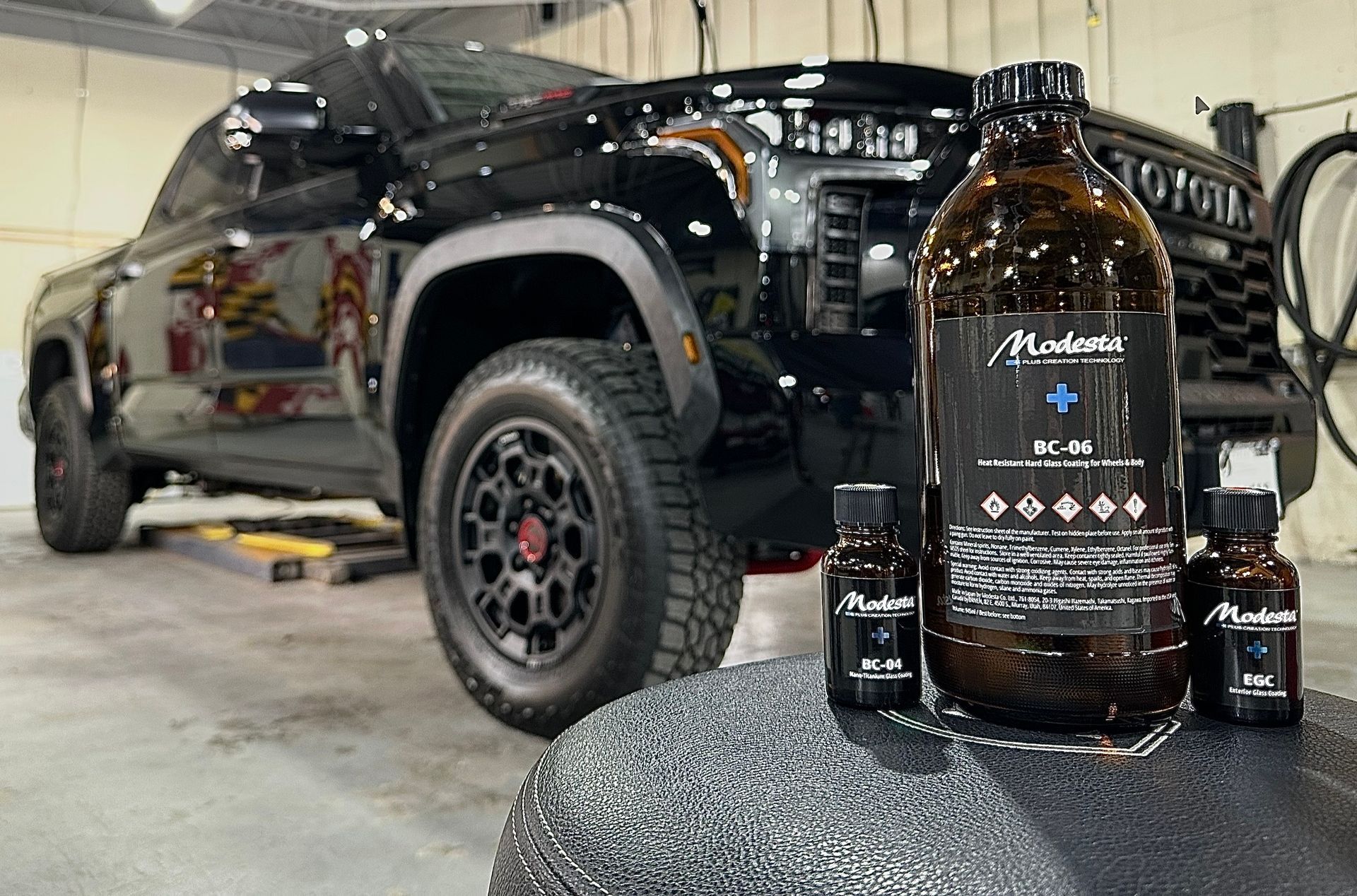
Furthermore, the depth of knowledge possessed by seasoned professionals extends beyond servicing vehicles themselves. It encompasses a comprehensive understanding of an array of paint protection products available on the market, ranging from ceramic coatings to specialized paint protection films. Their familiarity with these products allows them to recommend and apply suitable solutions according to individual customer preferences and specific vehicle requirements.
This level of expertise contributes significantly to ensuring consistently high-quality outcomes that meet or exceed customer expectations. The hands-on experience and specialized knowledge held by professional detailers translate into meticulous attention to detail throughout the entire service process, resulting in flawlessly executed treatments that enhance both the appearance and longevity of a vehicle's exterior.
Overall, placing your trust in seasoned professionals not only guarantees superior results but also provides peace of mind, knowing that your vehicle is receiving top-tier treatment from experts who understand its unique characteristics and your exacting standards.
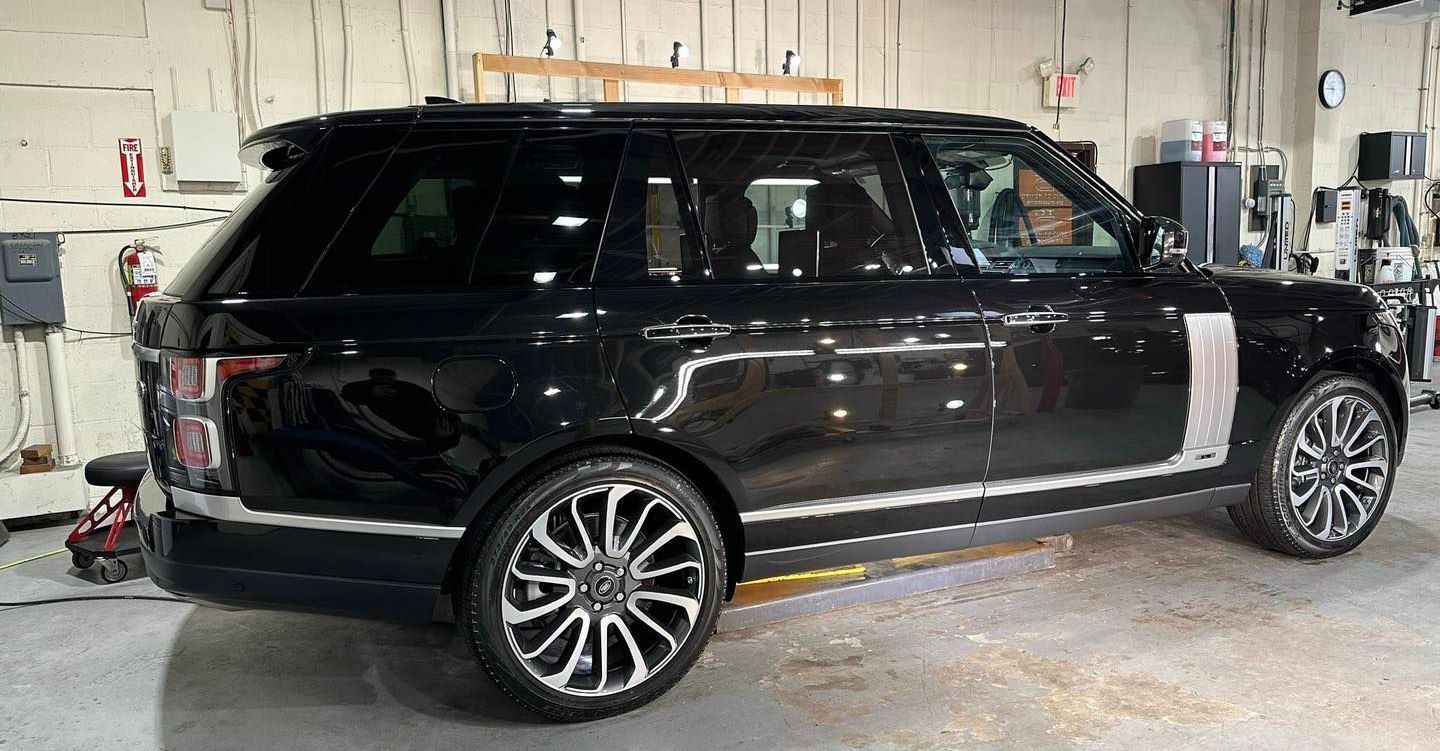
Weighing the Pros and Cons of DIY Detailing
DIY car detailing may seem like a tempting and cost-effective project, offering complete control over the process. Engaging with your vehicle at a personal level can be incredibly fulfilling. However, achieving professional results without access to specialized products and equipment can be extremely challenging. For instance, high-quality paint correction or ceramic coating application without the right tools and expertise is difficult, often leaving behind unsatisfactory results.
Moreover, the time investment for quality DIY detailing cannot be ignored. Detailed car cleaning requires meticulous attention to every surface and component, demanding significant hours on a single task. Committing several hours at once can eventually take its toll on your availability and energy.
On the other hand, while going the DIY route initially requires only an investment in cleaning products and equipment, expertise comes with practice and experience, which not everyone has initially. Achieving professional outcomes requires patience, dedication, and practice. Professionals have consistent high-quality outcomes due to their extensive experience, training, and access to professional-grade products. As such, the quality of results from DIY detailing tends to vary based on individual skill levels.
Understanding both sides of this coin is crucial in making an informed decision about which route to choose for car detailing—keeping costs in check but investing considerable time and effort versus enjoying professional-grade services with impeccable results but at a higher cost.
Comparing the Advantages and Disadvantages of Professional Auto Detailing
When it comes to professional car detailing services, there are clear benefits, but also a few drawbacks to consider. Let’s start with the advantages.
Advantages of Professional Auto Detailing
First and foremost, professional services bring expertise and thoroughness to the table. Experienced professionals know exactly where dirt and grime accumulate and use specialized tools and methods to ensure every nook and cranny is spotless. Additionally, these professionals have access to high-quality products that may not be readily available for personal use. This ensures that your vehicle receives top-notch treatment, resulting in consistently high-quality outcomes that are difficult to achieve through DIY methods.
Moreover, professional detailing often includes paint correction, polishing, engine bay detailing, interior deep cleaning, and wheel detailing—areas that may be overlooked or inadequately addressed in DIY efforts. The overall result is a vehicle that looks and feels refreshed, reflecting the level of care and thoroughness provided by professional services.
Disadvantages of Professional Auto Detailing
While professional detailing offers numerous benefits, it’s important to note the potential drawbacks as well. The primary downside is the higher upfront costs associated with professional services in comparison to DIY efforts. For some individuals, the extra costs might be a deterrent, given budget constraints or financial priorities.
Additionally, scheduling appointments with professional detailers may not always align perfectly with the vehicle owner's convenience. This could lead to inconvenience or potential delays in getting the car detailed when needed, especially during busy periods or when unexpected situations arise.
Understanding these pros and cons should help you weigh out whether professional service detailing is the right choice for you.
Choose Maryland Auto Spa's Professional Detailing Services For Outstanding Results
When it comes to maintaining the appearance and longevity of your car, choosing between DIY detailing and professional service can be difficult. While DIY may appear cost-effective and convenient, without access to expert knowledge, tools, and top quality products required for producing an impeccable finish, it may leave your vehicle lacking the care and attention it needs. Professional detailing services, on the other hand, deliver unparalleled results while saving both time and providing unparalleled care for your vehicle.
At Maryland Auto Spa, our skilled technicians use cutting-edge tools and products to give your vehicle a showroom finish. We take great pride in our meticulous approach and aim to clean, polish, and protect every inch of your car—beyond mere aesthetics—by providing comprehensive protection and maintenance that extends its value and lifespan.
If you're ready to experience top-notch professional car detailing services for your vehicle, don't hesitate to contact us at Maryland Auto Spa or call us at (301) 704-6503. We're here to elevate your car's appearance like never before.
Blog