The Best Time to Apply Ceramic Coating to Your Car: A Complete Guide

SCHEDULE ONLINE GET A FREE ESTIMATE
February 9, 2024

The most effective application of car ceramic coatings occurs in well-lit, dry, and cool conditions. These settings enable the solution to bind optimally with your car's paint, ensuring maximum longevity of the protective layer. Surprisingly, though, once cured, this mighty layer on your vehicle can brace almost any weather condition, protecting against harmful UV rays or grime that might seek to dull its shine. Ready for the ride?
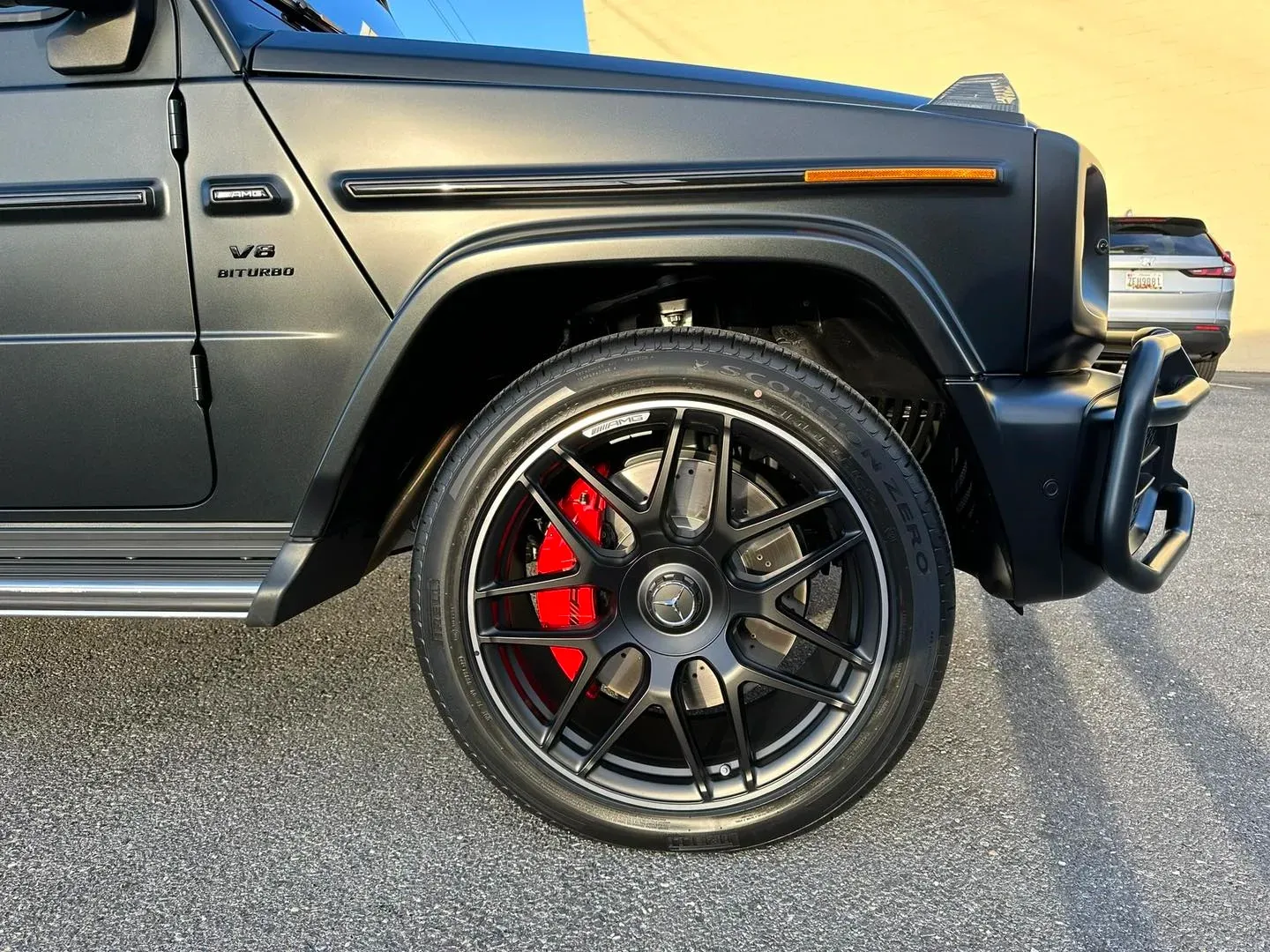
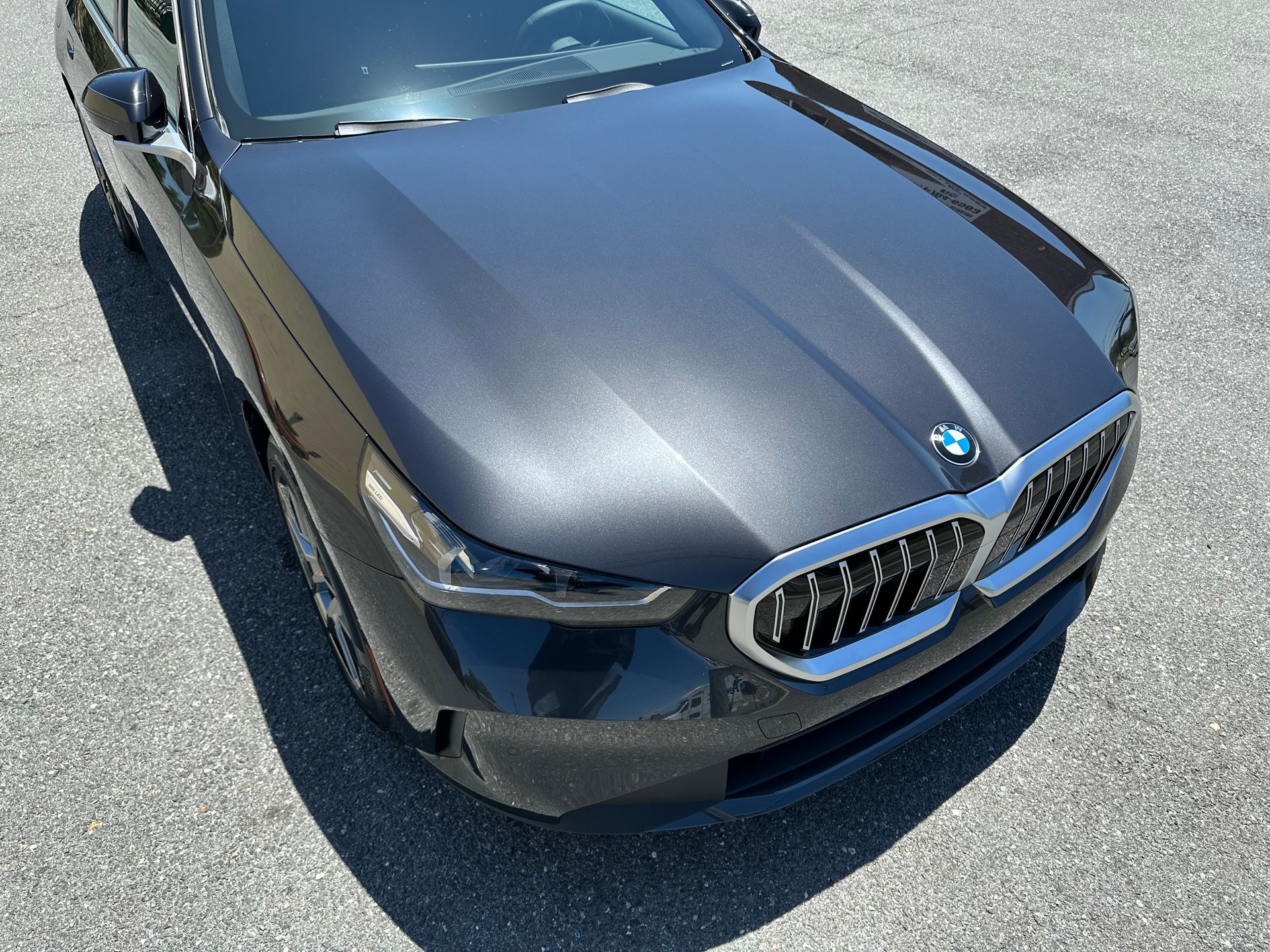
ceramic coating application

What are Car Ceramic Coatings?


Have you ever wished for a magic shield to protect your car's paint from all the scratches and dirt it picks up? That's essentially what car ceramic coatings offer. These coatings are like invisible armor for your vehicle, forming a tough, transparent layer that chemically bonds with your car's paint. They're made from advanced materials like silicon dioxide (silica) or titanium dioxide, which give them exceptional hardness and hydrophobic properties.


The Chemistry Behind Ceramic Coating


When applied to the surface of a vehicle, the nanoparticles in the liquid solution form strong chemical bonds with the factory paint. This creates a durable shield that offers protection against a range of exterior threats.


The enhanced hardness of these coatings serves as a barrier against scratches and chips, preventing them from reaching the underlying paint. Additionally, their hydrophobic properties enable water to bead up and roll off the surface easily, reducing water spots and making cleaning much simpler.


Just like how an umbrella keeps you dry during a downpour, car ceramic coatings keep your vehicle protected from water damage and other harsh environmental elements. This means that not only do they safeguard the paintwork against abrasions and minor damage, but they also make regular maintenance and washing significantly easier.


Seasonal Considerations for Application


The best time to apply ceramic coating to your car is when the weather is optimal. Ideal weather conditions play a significant role in the effectiveness and longevity of ceramic coatings. Generally, you want a climate that’s not too hot or too cold, with moderate humidity levels for an optimal application.


Optimal Weather Conditions


When applying ceramic coating, aim for dry, mild weather conditions with temperatures ranging from 50°F to 80°F (10°C to 27°C). These moderate temperatures help ensure that the coating applies smoothly and cures evenly. High humidity and direct sunlight should be avoided during the application process, as they can negatively impact the coating's performance and curing process.


Not only are extreme weather conditions uncomfortable for the person applying the coating, but they also interfere with the product's ability to bond with the paint surface effectively. Excessive heat or sun exposure can cause premature drying, while high humidity levels can lead to longer curing times and potentially impact the final finish.


Ideal Timing


Late fall or early winter might just be the perfect time for ceramic coating applications. During this period, moderate temperatures coupled with low humidity offer an optimal environment for the coating to cure properly. The cooler weather reduces the risk of damage due to excessive heat or sun exposure, allowing the coating to settle properly before harsh mid-winter weather sets in. Additionally, these cooler months provide a comfortable working environment that contributes to meticulous application and attention to detail.


The decision to apply ceramic coating during late fall or early winter isn't just about avoiding harsh weather extremes; it's also strategic in terms of preparation for the seasons ahead. A freshly coated vehicle enters spring better equipped to endure environmental stresses such as UV rays and pollen, while also making post-winter cleanup a breeze.


These seasonal considerations ensure that your ceramic coating is applied under optimal conditions, enabling it to bond effectively with your car's surface and provide long-lasting protection.
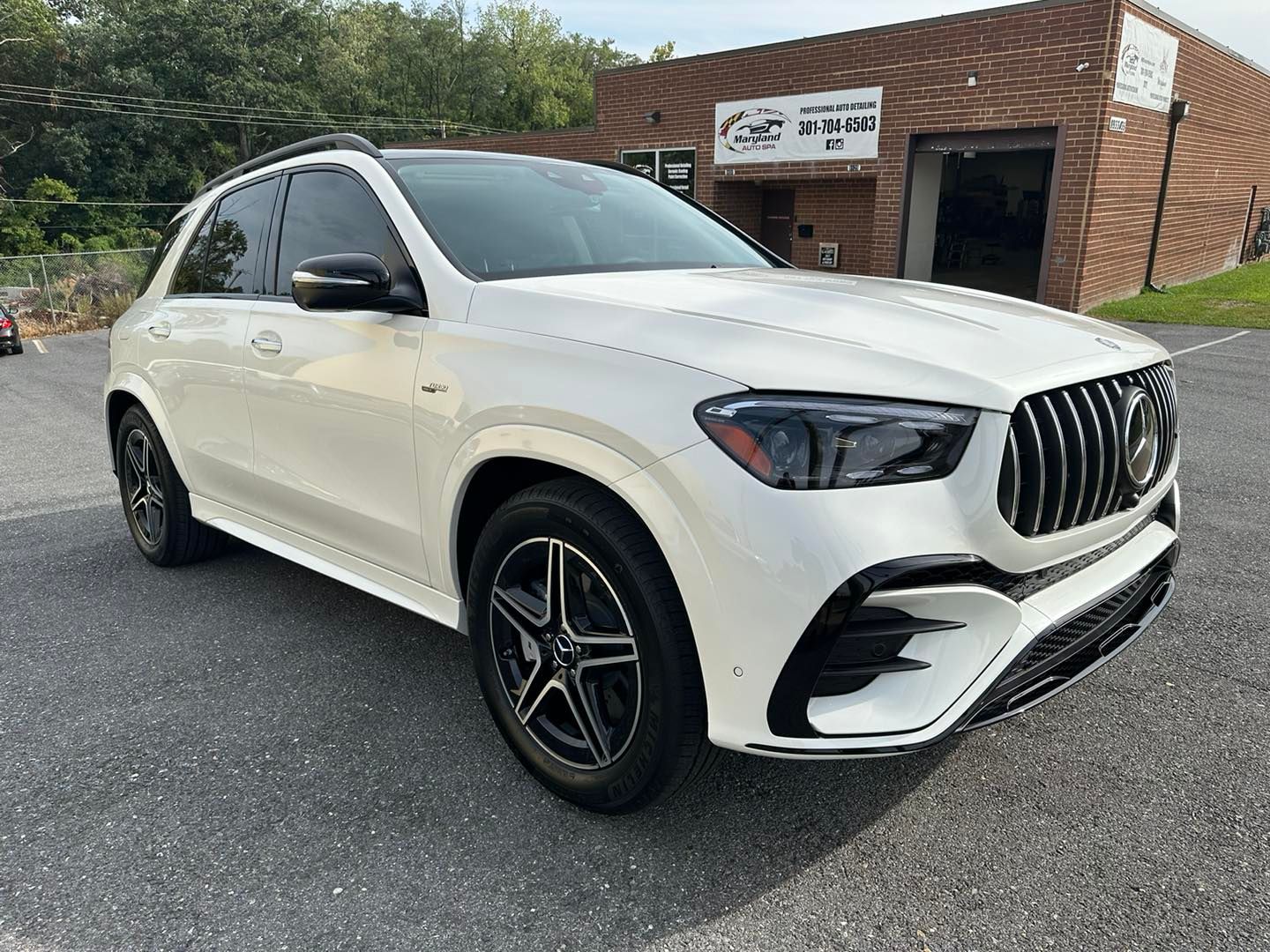
best time to apply ceramic coating

Guide to Car Prep and Coating Procedure


Before applying a ceramic coating to your car, thorough preparation is essential for achieving the best results. An important first step is to thoroughly wash and decontaminate the car's exterior to ensure a clean surface for the coating to adhere to. This involves more than just a regular wash. It means going the extra mile to eliminate any built-up dirt, grime, or impurities that might hinder the effectiveness of the coating.


This is achieved through a complete wash, usually involving a pH-neutral shampoo and two-bucket method, followed by claying to remove embedded contaminants in the paint. Claying helps to remove stubborn pollutants such as tree sap, industrial fallout, and paint overspray that cannot be removed through washing alone. It creates an ultra-smooth surface essential for proper bonding of the ceramic coating. In addition, in some cases, paint correction techniques may be employed to eliminate imperfections such as swirl marks, water spots, and scratches before applying the coating.


Application Procedure


The ceramic coating application itself demands meticulous and systematic attention to detail. The key to achieving a high-quality finish lies in ensuring comprehensive coverage of the vehicle's surface using specialized applicator pads. Each section of the vehicle needs to be methodically coated with precision and care.


Professional Application Option


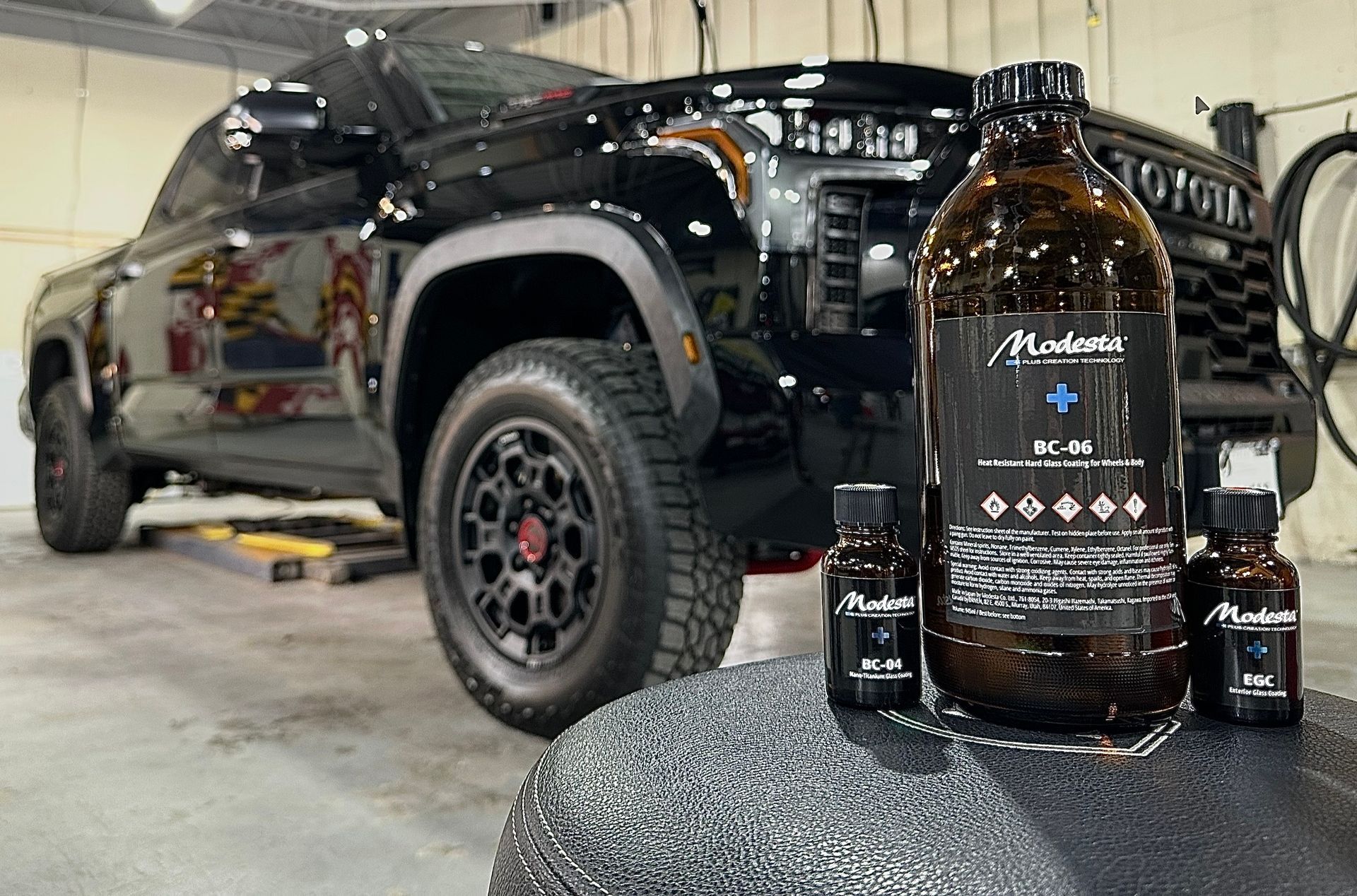
While some enthusiasts may opt for a DIY approach, professional application services offered by top-tier auto detailing services like Maryland Auto Spa can make a substantial difference. With professional expertise in the coating procedure, intricate details are expertly managed, ensuring precision application for optimal results.


Experienced professionals understand the unique requirements of each vehicle and can tailor the application process accordingly. We have a thorough understanding of the various ceramic coating products and their specific properties, allowing us to choose the best option for your vehicle and apply it with unparalleled precision.


So when it comes to something as essential as protecting your beloved vehicle, consider tapping into professional proficiency for a flawless finish. This ultimately guarantees that your car receives the highest level of care and precision during the ceramic coating application process.


Post-Application Car Care


After investing time and effort into a ceramic coating application, it's essential to ensure that the treatment endures through consistent post-application care. Let's explore the top factors to consider during this phase.


Understanding the Curing Period


Following the completion of the coating process, it's crucial to allow sufficient time for the product to fully cure and bond with the surface. This period typically ranges from 24 to 48 hours. During this time, it’s advisable to protect your vehicle from moisture and extreme conditions, as they can disrupt the curing process and potentially compromise the effectiveness of the coating.


The wait may seem extended, but ensuring your car remains sheltered during this vital interval significantly contributes to the longevity and effectiveness of the ceramic coating. Just like any investment, patience is key when safeguarding your vehicle against potential damage and preserving its appeal over time.


Prioritizing Regular Maintenance


Regular maintenance is a fundamental component of upholding the benefits of a ceramic coating application. By incorporating gentle hand washing practices using pH-neutral car wash soaps, you facilitate the preservation of the coating’s integrity and luster over an extended period of time. It's essential to uphold these habits to mitigate potential damage caused by environmental contaminants or abrasive cleaning agents. Learn more about the benefits of regular maintenance of ceramic coating!


Final Words


Maryland Auto Spa stands as your expert advisor in navigating the nuances of ceramic coating application. We recognize that selecting an ideal time and method to apply ceramic coating depends not only on the season; rather, it's about expertise and precision. Our skilled professionals possess all of the knowledge needed to ensure your vehicle reaps all of the advantages of ceramic coating, no matter when it is applied.


Maryland Auto Spa can enhance the protection and aesthetic appeal of your car with ceramic coating applications that ensure its lasting benefits are felt on every application. We take great pride in offering excellent automotive care solutions at Maryland Auto Spa.


To get started with ceramic coating or learn more about its cure time and how to maintain it over time, feel free to reach out to us at Maryland Auto Spa. Call us at (301) 704-6503 for more information on ensuring a lasting shine for your vehicle!

Blog
By Carson Mangum May 12, 2026
Every week, someone walks into our shop and asks some version of the same question: "Should I get PPF or ceramic coating?" It sounds simple. It isn't — because they're not the same thing, they don't solve the same problem, and choosing the wrong one (or skipping both entirely) costs real money down the road. We've been doing this for 19 years. We've seen what happens to vehicles that were protected correctly and vehicles that weren't. This is the guide we wish every customer read before they called us. First, Understand What You're Actually Protecting Against Paint takes damage from two completely different categories of threat, and each product is designed to handle one of them. Physical threats are anything that makes contact with your paint: gravel kicked up on the highway, road debris, a shopping cart in a parking lot, a branch, a key. These threats don't care how glossy your paint is or how hydrophobic your coating is. If something hits your car with enough force or abrasion, paint gets damaged. End of story. Environmental threats are the slow, invisible damage that accumulates over time: UV radiation breaking down your clear coat, bird droppings and tree sap etching into the surface if left to sit, industrial fallout bonding to the paint, hard water leaving mineral deposits, road grime embedding itself into microscopic pores. None of this happens in a single event. It compounds over months and years until your paint looks dull, feels rough, and requires expensive correction to fix. Once you understand those two categories, the rest of this becomes straightforward. What Paint Protection Film Actually Does PPF — paint protection film — is a urethane film, typically 6 to 8 mils thick, that is cut and installed directly onto your paint surface. Think of it as a transparent sacrificial layer that takes the hit so your paint doesn't have to. When a rock at highway speed strikes a PPF-covered panel, the film absorbs and disperses the impact. Your paint underneath is untouched. On bare paint, that same rock leaves a chip that exposes raw metal to rust and moisture. Premium films — the ones we use from STEK — also self-heal. The top coat of the film has elastic memory: minor surface scratches and scuffs disappear when heat is applied, either from the sun or a heat gun. You can drag a key across the surface, hit it with a heat gun, and watch the scratch vanish. That's not marketing language. That's the chemistry of how modern top-coat formulations work. What PPF does not do: it doesn't prevent UV fade on the surrounding panels it doesn't cover. It doesn't make your car easier to wash. It doesn't provide chemical resistance to bird droppings or tree sap on unprotected areas. It is a physical barrier, not a chemical one. What Ceramic Coating Actually Does Ceramic coating is a liquid silica-based polymer that bonds to your paint at the molecular level. When properly applied and cured, it creates a semi-permanent hard shell over your clear coat — harder than the clear coat itself — that fundamentally changes how your paint interacts with the environment. Water beads and sheets off immediately rather than sitting on the surface and evaporating into mineral deposits. Contaminants don't bond as readily to the surface, so bird droppings, tree sap, and road grime are far easier to remove. UV inhibitors in the coating slow clear coat oxidation. The overall gloss and depth of the paint improves visibly. For day-to-day use, the practical effect is a car that's dramatically easier to keep clean. A wash that used to take 45 minutes takes 15. Contamination that used to require a clay bar comes off with a rinse. That's not an exaggeration — it's the difference between a raw clear coat surface, which is microscopically porous and adhesive to contaminants, and a ceramic-coated surface, which is smooth, hard, and hydrophobic. What ceramic coating does not do: it does not prevent rock chips. A ceramic-coated hood takes the same chip damage from highway debris as an uncoated one. Anyone telling you otherwise is not being straight with you. The Decision Framework: What Does Your Car Need? Stop thinking about it as two competing products and start thinking about it as a risk assessment. Your primary threat is physical impact. You drive on highways regularly. You live near construction zones. You park in lots where door dings are a real risk. You've had chips before and you're tired of them. PPF is your answer — specifically on the front end, where the overwhelming majority of impact damage occurs: the bumper, hood, fenders, and mirrors. That coverage alone eliminates 80% of the chip and debris risk on most vehicles. Your primary threat is environmental degradation. You park outside. You deal with tree sap or bird activity. You want a car that stays looking clean with less effort. You're in it for the long-term paint health and resale value. Ceramic coating across the full vehicle is the right call. The coverage is comprehensive, the durability lasts years, and the maintenance savings add up quickly. You have a new vehicle, a sports car, or something you're treating as a long-term investment. Do both. Apply PPF to the high-impact zones and ceramic coating over the entire car — including over the film itself. You get physical protection where it matters most and full environmental protection everywhere. This is the correct answer for any vehicle you genuinely care about, and it's what we recommend most often to customers who ask us straight. You're working with a tighter budget. The smart call is ceramic coating on the full vehicle plus PPF on the front bumper and hood at minimum. You cover the most vulnerable areas for physical damage and get comprehensive environmental protection everywhere else. It's the highest-impact combination for the dollar. What Happens When You Skip Protection Entirely We see it constantly. A car comes in for paint correction — swirl marks, water spots etched into the clear coat, chips that have started to rust at the edges, oxidation spreading across the hood. The owner is shocked at the quote. Paint correction on a car that's been neglected for three or four years is not a quick job. The math usually looks something like this: protection applied at the time of purchase costs a fraction of what paint correction and repaint work cost later. And correction doesn't reset the clock the way proper protection does from the start — it addresses what's already there, but it can't recover a clear coat that's been UV-degraded for four years. The best time to protect a vehicle is when it's new. The second best time is now, before the damage compounds further. A Note on the Products We Use We're a Modesta-certified studio — one of a very small number in the country. That certification matters because Modesta operates differently from most professional ceramic coating lines. Higher silica dioxide concentration, deeper molecular bonding, longer verified durability in real-world conditions. When we apply ceramic coating at MDAS, we're using the best professional product available, applied by installers who have been trained and certified to use it correctly. Most shops carry one or two film lines and work with whatever they have in inventory. We carry STEK because different vehicles and different use cases call for different films. Thickness, finish, self-healing performance, and edge conformability all vary across products. Matching the right film to the right vehicle isn't splitting hairs — it's the difference between an installation that looks factory-perfect and one that doesn't. The Honest Answer "PPF or ceramic?" is really two separate questions: what are you protecting against, and what does your specific vehicle and driving situation actually call for? The answer is different for a daily-driven SUV in Silver Spring than it is for a weekend sports car that lives in a garage. We've been having this conversation with customers for 19 years. We're not going to upsell you on something you don't need, and we're not going to undersell you on protection that will save you money in the long run. Come in and let's look at your car together. Ready to figure out what your car needs? Book a consultation at mdautospa.com or call us at (301) 704-6503. BOOK A CONSULTATION  Maryland Auto Spa | 8931 Brookville Rd, Silver Spring, MD 20910 Modesta-certified ceramic coating studio. STEK authorized installer. Serving the DMV area since 2007.
By Carson Mangum April 17, 2026
Maryland Auto Spa | Silver Spring, MD
Water beading on a ceramic coated Porsche — Maryland Auto Spa Silver Spring MD
By Carson Mangum April 7, 2026
How to wash a ceramic coated car without damaging it. The step-by-step rinseless wash method from Maryland Auto Spa — products, process, and what to avoid.