How Many Layers of Ceramic Coating Can You Apply On Your Car?
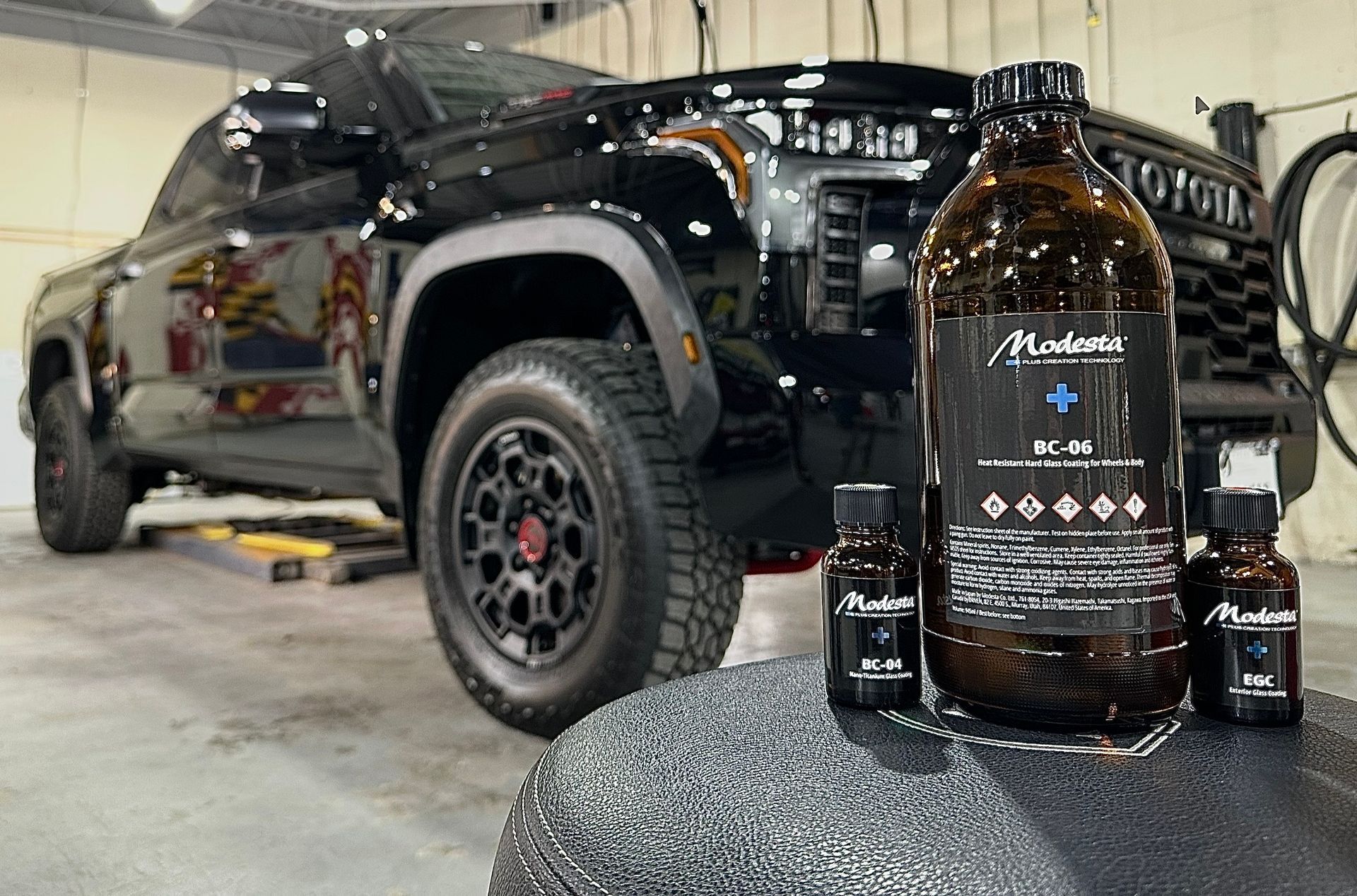
SCHEDULE ONLINE GET A FREE ESTIMATEThe number of ceramic coating layers applicable largely depends on the specific product and surface. It's critical that you follow the maker's guide on how many layers will give the best results. Different products have different rules; some may work well with multiple layers, while others max out at a single layer. In matters such as these, the smell of fresh solvents mixing into the newly opened product and the visual guide on the container become your aide. Let's discover how many layers of ceramic coating your car needs!
Considerations for Multiple Layers Application
When it comes to applying multiple layers of ceramic coating, it's vital to consider the compatibility of the products. Some ceramic coatings are designed to work together seamlessly, ensuring a strong bond and a uniform finish. On the other hand, combining incompatible products may result in undesirable effects such as streaking or peeling, ultimately compromising the coating's effectiveness.
In addition to product compatibility, surface preparation plays a significant role in determining the number of layers that can be applied. Properly preparing the surface by removing contaminants, polishing, and ensuring a smooth finish is essential for the adhesion and durability of the coating. Let's take a closer look at two key considerations:
Product Compatibility
Choosing the right ceramic coating product is crucial for achieving compatibility with multiple-layer applications. Not all products are designed to work effectively when layered on top of each other, and using incompatible products can lead to decreased performance and even product failure. Maryland Auto Spa can provide valuable insights into products specifically formulated for layering. By offering detailed information about recommended combinations and compatible products, customers can make informed choices that ensure the effectiveness and longevity of their ceramic coating.
Proper compatibility between products will enhance overall performance and ensure that the layers bond effectively, creating a durable shield for your vehicle’s paintwork.
Surface Preparation
Surface preparation is a critical step that significantly influences the success of applying multiple layers of ceramic coating. Thorough cleaning and decontamination are essential to remove any existing impurities, residues, or contaminants from the vehicle's paintwork.
Moreover, guidance on surface preparation can address common challenges such as paint imperfections, embedded contaminants, and environmental residues that may hinder the effectiveness of layered application. Understanding the intricacies empowers users to optimize conditions for applying multiple layers, leading to enhanced protection, improved durability, and a flawless finish.
By prioritizing product compatibility and thorough surface preparation, individuals can leverage the full potential of applying multiple layers of ceramic coating, resulting in superior protection and long-lasting benefits for their vehicles. These considerations highlight the importance of making informed decisions and preparing thoroughly when pursuing layered applications for maximum performance and longevity.
Advantages of Multiple Ceramic Coating Layers
When it comes to giving your car the best protection possible, one layer of ceramic coating might not be sufficient. Here are some key benefits of applying multiple layers.
Enhanced Protection
Applying more than one layer of ceramic coating is like adding extra layers of armor to shield your car's paint from the harsh elements. Each additional layer acts as an extra barrier against environmental contaminants, UV rays, and minor abrasions. With each layer, you're not just protecting your car's paintwork; you're prolonging its lifespan, ensuring it stays fresh for years to come.
Environmental Contaminants
From bird droppings to tree sap and water spots, environmental contaminants can wreak havoc on your car's paint. Applying multiple layers of ceramic coating creates a stronger defense against these elements, making it less vulnerable to damage.
UV Rays
The sun's powerful UV rays can cause paint to fade and degrade over time. But with each additional layer of ceramic coating, you're providing extra protection against UV damage, shielding your car from the sun's harmful effects.
Minor Abrasions
Everyday wear and tear can take a toll on your car's paint. Multiple layers of ceramic coating act as a shield against minor abrasions, preserving the glossy finish of your car's paint.
Improved Durability
One layer is good, but multiple layers are even better when it comes to ensuring the longevity of your ceramic coating. Each layer contributes to the overall durability of the coating, creating a robust shield that sustains the paint's luster and protective qualities for a longer period of time.
Testimonials and real-world data can help showcase the enhanced durability achieved through multiple layers. When customers see real evidence of extended protection and resilience, they'll feel more confident in their decision to opt for multi-layer ceramic coatings.
So, with superior protection against environmental contaminants, UV rays, and minor abrasions, as well as enhanced durability over time, multiple layers of ceramic coating really do provide an unbeatable shield for your vehicle's paintwork.
Potential Drawbacks of Overcoating
While additional layers of ceramic coating offer heightened protection and shine, there are noteworthy aspects to consider before opting for overcoating your vehicle.
Cost Concerns
An important consideration regarding overcoating with ceramic coatings involves increased product costs and professional application fees. While the advantages of multi-layer application are evident in terms of superior protection and gloss, customers may understandably have concerns about the associated expenses.
However, providing transparent pricing information and package deals for multi-layer applications can help alleviate these cost concerns for customers, making the decision more feasible and transparent.
In terms of product costs, users should understand that additional layers of ceramic coating will require more product usage, directly contributing to the overall cost. Furthermore, engaging a professional for the application of multiple layers also adds to the expense.
Despite these concerns, it is critical for customers to understand that the additional investment can result in longer protection, gloss retention, and increased customer satisfaction.
Regular Maintenance Requirements
Apart from cost considerations, maintaining the appearance and effectiveness of multi-layer ceramic coatings requires more diligent care and periodic maintenance. Users need to educate themselves about detailed maintenance guides and products available on the website. Clear instructions and insights regarding proper maintenance not only inform customers about what to expect but also equip them with the knowledge needed to uphold the integrity of their multi-layer ceramic coatings effectively.
By addressing these potential drawbacks associated with overcoating with ceramic coatings, customers can make informed decisions while fully understanding the responsibilities and benefits that come with multi-layer application.
Maintenance and Longevity of Multi-Layer Coatings
After investing in multi-layer ceramic coatings for your vehicle or other prized possessions, it's natural to want to ensure they stay in top-notch condition for as long as possible. So, what are the key factors and best practices that help maintain these coatings effectively?
Routine Maintenance
To extend the life and performance of your multi-layer ceramic coating, it's crucial to follow a routine maintenance plan. This includes using the right cleaning products and techniques that won't compromise the integrity of the coating.
Regular upkeep not only keeps your ceramic-coated surface looking flawless but also contributes to its long-term durability. By incorporating detailed instructions on proper washing methods, such as using pH-neutral soaps and microfiber wash mitts to minimize swirl marks, it is possible to maintain ceramic coating without causing unintended damage.
Longevity
A key concern for customers investing in multi-layer coatings is their expected longevity. This is often a critical factor in their decision-making process. Discussing the expected longevity of multi-layer coatings adds value by showcasing the enduring protection and value that customers can anticipate from Maryland Auto Spa’s ceramic coating services.
Understanding the
benefits of routine maintenance and being informed about the anticipated longevity of multi-layer ceramic coatings is crucial for customers seeking optimal protection for their vehicles or other valuable items.
Final Words
Understanding the appropriate number of layers for ceramic coating to best protect and enhance the finish of your vehicle is vital for long-term protection and beauty.
Maryland Auto Spa's expert ceramic coating application services ensure each layer is expertly applied for maximum durability and effectiveness, whether that means adding shine to your paint job, extra layers of protection or both!
When it comes to maintaining multi-layer ceramic coatings, consistent care and awareness of their expected longevity are essential. For more personalized guidance and expert advice, feel free to
reach out to us at Maryland Auto Spa; we're here to help you make the most out of your investment.
Blog