Which is the Best Paint Protection Film: STEK, SunTek, or XPEL?
SCHEDULE ONLINE GET A FREE ESTIMATEAll three brands—STEK, SunTek, and XPEL—offer high-quality paint protection films (PPF) that can safeguard your vehicle against daily wear and tear. Each brand has been carefully crafted with advanced technology to offer maximum protection against rock chips, scratches, and harsh weather elements. However, despite similarities, each brand presents unique advantages, which might influence your decision. This may catch you by surprise, but certain factors, such as the installation process, finish quality, or self-healing properties, can tip the scale in favor of one brand over others. Delving into specifics provides a clearer perspective.
Overview of Car Paint Protection Films (PPF)
Picture your car's paint as a superhero in a battle against enemies like road chips, scratches, and environmental harm. However, even superheroes need protection, and that's where Paint Protection Films (PPF) come in. PPF is essentially an invisible shield that you can apply to your car's exterior to safeguard it from damage. Think of it as your vehicle's own personal armor, effectively preserving its appearance.
The magic of PPF lies in its ability to absorb the impact energy of small rocks or road debris instead of letting them hit and chip away at your car's paintwork. It doesn't just stop there—PPF is also resistant to discoloration from harmful UV rays, ensuring that your car looks vibrant for a long time.
PPF works excellently on high-impact areas such as the hood, fenders, and bumpers—places that are often subjected to the harshest conditions.
Imagine a long drive on an open highway; your car is constantly pelted by tiny rocks and debris. Without PPF, these particles can inflict unsightly chips and scratches on your car. PPF acts as a barrier, taking the hit and leaving your car unscathed. This layer of defense keeps your vehicle looking pristine, no matter the journey.
However, unlike iron-clad armor, PPF is virtually invisible when applied correctly, ensuring that your car's aesthetics remain unaffected despite the added protection.
Understanding the protective prowess of PPF highlights why it's such a valuable addition for any vehicle owner. But how do these brands differ in offering this sought-after defense? Let's explore what sets STEK, SunTek, and XPEL apart.
STEK Paint Protection Film
STEK has gained a reputation for offering a remarkable self-healing paint protection film, acting as a barrier against abrasions. This distinctive feature sets it apart from its competitors. When exposed to heat, tiny scratches on the film mend themselves, restoring the film to its original state. The ability to self-heal is a game-changer when it comes to maintaining the exterior of your vehicle. It provides peace of mind knowing that minor scuffs will be taken care of without any additional effort on your part. Plus, this feature keeps the aesthetic appeal intact.
In addition to self-healing properties, STEK PPF provides robust protection against various damaging elements that vehicles encounter on the road, such as stone chips, bug splatter, and other contaminants that can cause surface damage over time. The film acts as a shield, safeguarding the vehicle's paint and ensuring it remains unblemished. This level of protection not only preserves the appearance of the car but also maintains its resale value.
Optical Clarity
One noteworthy benefit of STEK PPF is its high optical clarity. This means that once applied, the film ensures minimal to no visual distortion. The transparency provided by this paint protection film ensures that the original paint color shines through without any compromise in vibrancy or gloss.
This clear and uninterrupted view is valued by car enthusiasts who wish to preserve the visual characteristics of their vehicle while providing an extra layer of defense against external threats.
While STEK PPF has exceptional qualities, it's important to mention that it may come at a relatively higher price point compared to other options available on the market. However, for many customers, the trade-off between cost and benefits leans heavily towards the numerous advantages offered by STEK PPF.
Overall, STEK PPF’s impressive self-healing capabilities and superior protection make it a desirable option for those looking to invest in long-term paint protection for their vehicles.
SunTek Paint Protection Film
SunTek's Paint Protection Film (PPF) is engineered to be a barrier against abrasions, stains, and impacts, aiming to maintain the integrity of a vehicle's paint color and finish. With a high-gloss finish and exceptional resistance to yellowing over time, SunTek PPF presents itself as an option for long-term protection and shine.
One of the most commendable attributes of SunTek PPF is its ability to uphold the visual appeal of your vehicle while providing reliable defense against various forms of wear and tear. This means your car will continue to radiate that factory-fresh gloss without being overshadowed by accumulations of scratches, stains, or discoloration.
Furthermore, SunTek PPF prides itself on its long-lasting clarity. This means that regardless of how much time passes, your vehicle's protective film won't lose its transparency, maintaining your car’s sleek allure without any visible alterations.
XPEL Paint Protection Film
XPEL is a well-established brand providing a comprehensive range of paint protection films (PPF) tailored to safeguard your vehicle's exterior. The Ultimate Plus and Stealth series are among their noteworthy offerings, designed to provide unparalleled defense against environmental hazards such as road debris, bird droppings, and tar while preserving the paintwork's luster.
The Ultimate Plus series, in particular, stands out for its hydrophobic characteristics. This unique quality enables the film to repel water effectively, diminishing the adhesion of contaminants and making it easier to maintain a clean, glossy exterior. Additionally, XPEL PPF is engineered to resist yellowing over time, ensuring that the protective film maintains its transparency and does not affect the vehicle's aesthetics.
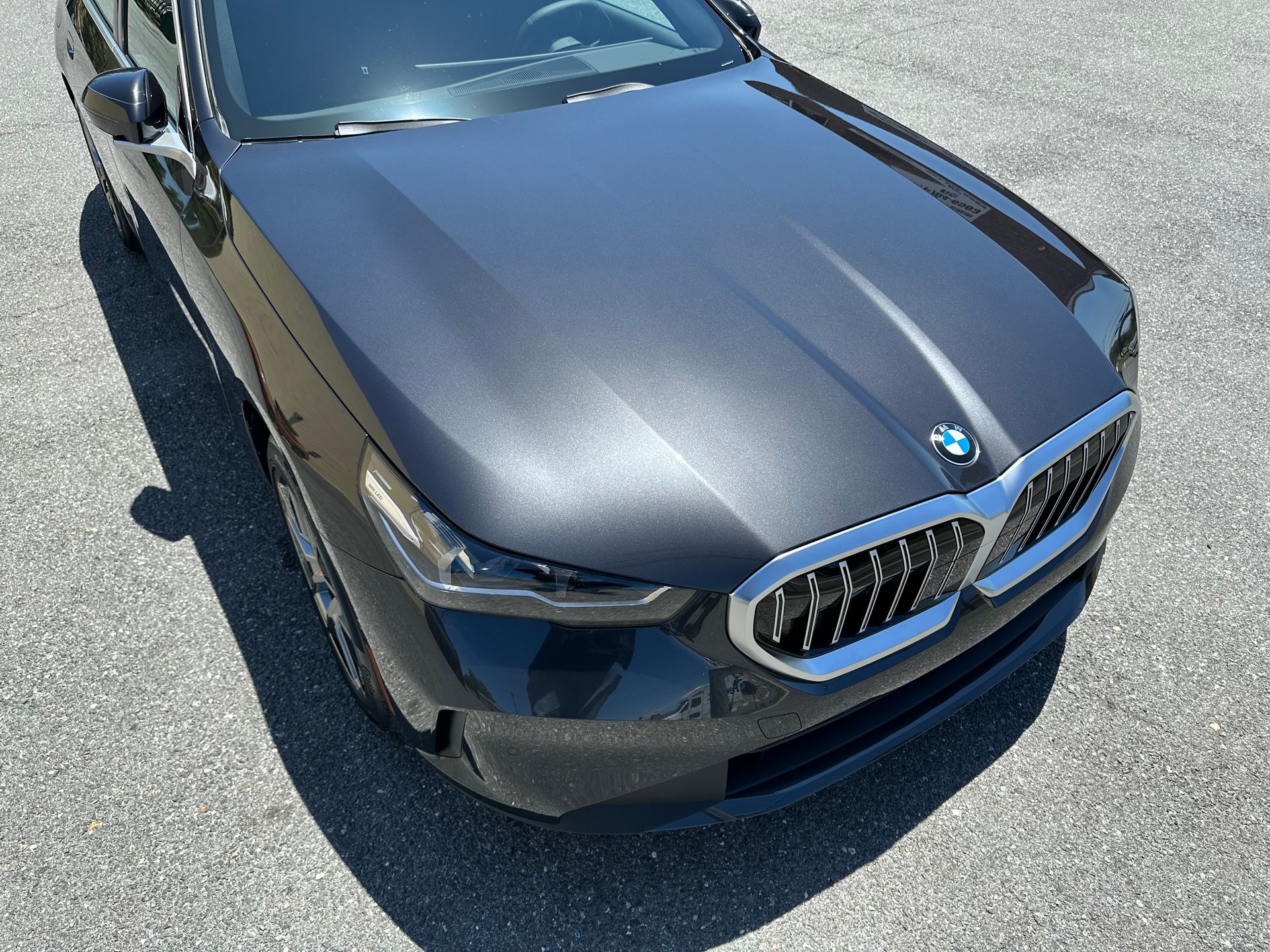
Furthermore, XPEL's Stealth series caters to car enthusiasts seeking a matte finish while requiring the same level of protection as the Ultimate Plus series. This specialized film offers both preservation and style, shielding the vehicle's surfaces from damage without compromising the desired matte appearance.
XPEL PPF garners distinction for its exceptional durability and remarkable hydrophobic features that contribute to optimal protective qualities. The robust defense mechanism shields your vehicle from potential paint damage caused by exterior elements, affirming its long-term value.
Moreover, the film's hydrophobic characteristics play a pivotal role in preserving the vehicle's aesthetic appeal by repelling water and contaminants. This not only minimizes the collection of dirt and grime but also simplifies cleaning and maintenance efforts, ensuring that your vehicle maintains a polished appearance effortlessly.
Comparative Analysis: STEK, SunTek, and XPEL
When comparing paint protection film (PPF) brands like STEK, SunTek, and XPEL, it's crucial to consider several factors that play a significant role in determining the best product for your vehicle. These factors include self-healing capabilities, UV resistance, optical clarity, ease of maintenance, and overall durability. Making an informed decision involves understanding the unique selling points of each brand, how they align with your specific preferences, and the level of protection required for your vehicle.
Self-Healing Capabilities
STEK, SunTek, and XPEL are known for their ability to heal themselves. This feature ensures that minor scratches and marks on the paint protection film disappear over time. However, it's important to look deeper into the extent of the self-healing capabilities of each brand; what kinds of scratches do they heal? How long does it usually take for a mark to vanish?
UV Resistance
UV rays can damage a vehicle's exterior over time, causing the paint to fade and lose its luster. It's essential for PPF to offer effective protection against UV radiation. Each brand boasts different levels of UV resistance; some might have better UV protection than others, so it's necessary to understand these nuances before making a decision.
Optical Clarity
The optical clarity of the PPF is crucial for maintaining the appearance of the vehicle after the film has been applied. It's important to find a balance between robust protection and maintaining the original color vibrancy of the car.
Ease of Maintenance
Convenience often plays a significant role in choosing a PPF brand. Customers will want to know how easy it is to maintain the PPF after it has been applied. Brands that offer easy-to-clean surfaces can significantly enhance customer satisfaction.
Overall Durability
Undoubtedly, one of the most critical factors when comparing PPF brands is overall durability. How well does each brand hold up over time? What kind of wear and tear can they withstand? The longevity of the protection offered can be a key selling point for many customers.
Understanding these aspects is essential when considering which PPF brand aligns best with your preferences and requirements for your vehicle's protection.
Cost and Advantages of Each PPF
Concerning paint protection film (PPF) costs can vary based on factors such as the type of film, vehicle size, and installation complexity. This makes it important to assess each brand's cost-effectiveness in relation to protective features, longevity, and maintenance requirements.
Firstly, let's discuss XPEL, known for being a leading name in the industry. The cost of XPEL PPF is often higher due to its exceptional quality and durability. However, its advanced self-healing properties provide incredible value for money. Minor scratches on the film can vanish over time when exposed to heat. Additionally, XPEL boasts superior UV resistance, effectively preventing the fading or discoloration of a car's paint.
SunTek, on the other hand, is renowned for delivering high performance at a relatively lower cost compared to some other brands. Despite being more budget-friendly, SunTek PPF offers impressive durability and excellent protection against rock chips and scratches. Its clarity and high-gloss finish are key selling points, making it an attractive option for vehicle owners who seek quality protection without breaking the bank.
Lastly, STEK PPF sits between XPEL and SunTek in terms of cost but offers distinctive advantages. STEK paint protection films are renowned for their exceptional hydrophobic properties, efficiently repelling water and keeping cars looking pristine even in unfavorable weather conditions. Additionally, STEK films are designed to be exceptionally low-maintenance, reducing the need for frequent cleaning and upkeep compared to other brands.
When evaluating these three options based on cost and advantages, it's important to consider not only the initial investment but also long-term benefits such as durability and maintenance requirements. While each brand has its strengths, understanding how these factors align with your specific needs is crucial to making an informed decision about which paint protection film is right for you.
Choosing the Ideal PPF for Your Vehicle
Selecting the right paint protection film (PPF) for your vehicle is crucial and depends on various factors. Beyond cost and advantages, you need to think about what matters most to you. It's similar to choosing the right shoes: you want something that fits well, looks good, and provides the level of comfort and durability you need.
Assess Your Needs and Preferences
First, consider your budget, the desired level of protection for your vehicle, and the kind of environment it'll be exposed to. Some areas have rougher roads or harsher weather conditions, which means you might want to consider a more durable and thicker film. On the other hand, if you're mainly driving in urban areas with less risk of debris, a lighter film may suffice.
Don't forget to think about how important the look of your vehicle is to you. Some films are nearly invisible, whereas others can alter the appearance of your artwork.
Consult with Professionals
Consulting with automotive detailing professionals who can provide personalized recommendations based on your specific vehicle and usage habits is a good idea. They can assess your precise needs and make suggestions based on their extensive experience.
At Maryland Auto Spa, our team of professionals can provide expert guidance tailored to your individual situation. When selecting a PPF, it's crucial that it suits both your aesthetic preferences and practical requirements. Our professionals have in-depth knowledge about the different PPF solutions available on the market, enabling them to advise you effectively.
Ready to make an informed decision about car paint protection film? Contact us at Maryland Auto Spa or call us at (301) 704-6503 for expert advice tailored to your unique needs.
Blog