The Science Behind Paint Protection Film: How It Works and Its Benefits
SCHEDULE ONLINE GET A FREE ESTIMATEHave you ever stumbled upon a knick or scratch on your cherished vehicle, despite all efforts to keep it pristine? The frustration is real. Yet, there's a solution that's as high-tech as it is effective. Paint protection film works by creating a strong barrier between a vehicle's paint and potentially damaging elements like rock chips, scratches, and UV exposure. Composed of transparent elastomeric polyurethane, PPF absorbs impacts and can self-heal minor scratches, while also preventing fading and discoloration caused by UV rays, ensuring that your vehicle maintains its aesthetic appeal over time. Let’s discover the science behind paint protection film and how it works!
Overview of Paint Protection Films
Paint Protection Film, often referred to as PPF, serves as an invisible armor for your vehicle's exterior. This transparent layer is primarily designed to absorb the impact of everyday hazards like road debris, bird droppings, and UV rays. The innovative technology behind PPF allows it to defend against these threats without compromising the visual aesthetics of your car.
Modern PPF is predominantly made from thermoplastic polyurethane (TPU), a material known for its robustness and flexibility. The unique properties of TPU allow the film to stretch and conform seamlessly to the contours of your vehicle while providing an effective barrier against scratches and chips. Interestingly, even though the thickness of PPF typically ranges from 8 to 12 mils (1 mil equals one-thousandth of an inch), this small measurement belies its remarkable durability. It’s fascinating to consider how something so thin can deliver such substantial protection.
The advancement in PPF technology means that not only does it protect your car, but it also often comes with self-healing properties—the ability to repair minor scratches through heat exposure or simply from being parked outside.
Selecting the right PPF involves considering various factors, like transparency and gloss finish, which can elevate your car's appearance while maintaining its protection. Many drivers are now choosing matte finishes for a more unique look, while others prefer high-gloss options that enhance color depth. Knowing how each type reacts with different paint colors will guide you toward maximizing your vehicle's visual appeal.
Types and Materials of PPF
When it comes to paint protection films, not every option fits every vehicle or owner. The four main types are designed to suit different driving lifestyles and aesthetic preferences, ensuring that all vehicle owners can find a solution that meets their needs without compromising on quality.
Standard TPU Film
The Standard TPU Film is often the entry-level option for many car owners, acting as a reliable barrier against minor scratches and road debris. This film is created from thermoplastic polyurethane (TPU), a material known for its impressive flexibility and durability.
This film acts as an invisible shield that helps protect your car's exterior from everyday wear and tear. Whether you're navigating through gritty city streets or encountering stray stones on rural roads, this film offers a fundamental layer of defense while being budget-friendly.
Self-Healing TPU Film
For those who drive frequently in harsher conditions or simply want peace of mind, the Self-Healing TPU Film is an ideal upgrade. This innovative material contains elastomeric polymers that enable it to heal itself when subjected to heat.
A remarkable feature allows small scratches to disappear over time, so rather than leaving visible signs of use, the PPF maintains its appearance for longer periods. After a sunny day, you might notice minor scratches fading away by themselves—a practical magic trick where your car retains a like-new look.
Matte PPF
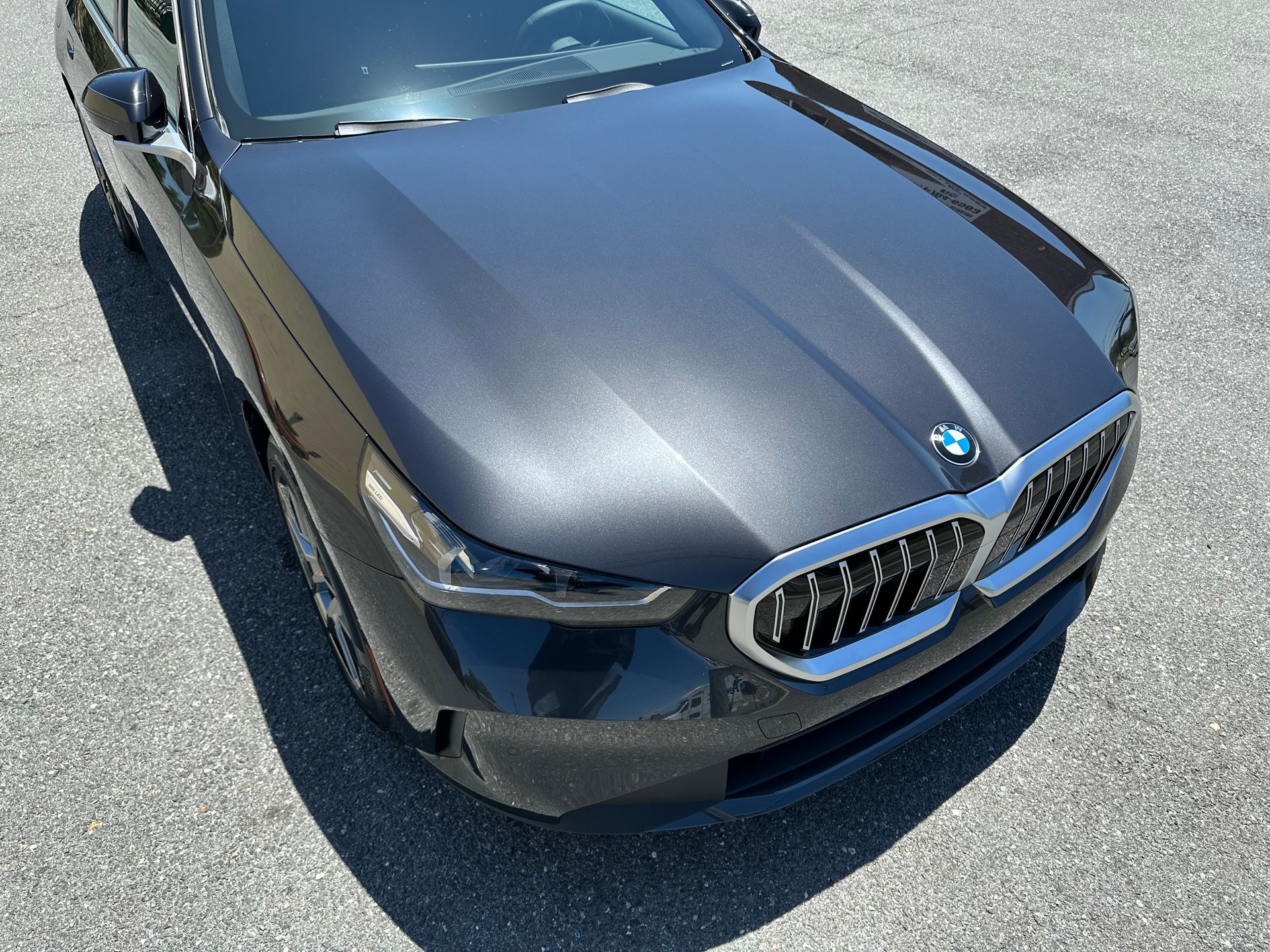
If you prefer a distinct finish that stands out from glossy surfaces, then matte PPF should be on your radar. This type of film provides a sleek matte appearance and is designed to offer the same level of protection as traditional glossy films.
Whether you're looking to avoid glare or seeking an understated elegance, matte films serve dual purposes: offering top-tier protection while keeping eyes drawn to those subtle beauty notes that shine in their own right.
Colored TPU Film
Finally, the colored TPU film opens up creative possibilities for customization without sacrificing protection. This variant allows vehicle owners to choose various colors while simultaneously safeguarding the paintwork underneath.
It's particularly useful for individuals wanting to express personality through their vehicles without resorting to costly paint jobs or wraps that might not be as protective.
Understanding these options is crucial as we now turn our attention to the materials that make each film function effectively—primarily thermoplastic polyurethane (TPU).
How PPF Works
Paint protection film functions through a clever interplay of layers that provide a robust shield for your vehicle's surface. At the core of its design, PPF acts as a sacrificial layer, meaning that it absorbs impacts while protecting the original paint underneath. This is crucial: when faced with daily wear and tear—such as rock chips, scratches, or environmental contaminants—the film takes the hit, allowing your car’s paint to remain pristine.
The construction of PPF typically includes three essential layers. Firstly, there's the adhesive layer. This layer is key as it ensures a strong bond between the film and the vehicle’s surface. It's designed to hold tightly during use but can be removed without damaging the underlying paint, preserving your car’s finish.
The second layer is often referred to as the middle TPU (thermoplastic polyurethane) layer. This component isn't just there for show; it provides essential elasticity and resilience against impacts. Its flexibility enables it to withstand minor collisions without cracking or tearing.
On top of all this sits the top coating, which plays several roles. Most importantly, this layer offers UV protection, preventing fading and discoloration caused by prolonged exposure to sunlight. Additionally, some top coatings come with hydrophobic properties, allowing water to bead up and roll off easily—making maintenance easier, so you can spend less time washing your car and more time enjoying it.
Color and gloss may look fantastic when you drive it off the lot, but without proper protection, they could dull quickly.
A remarkable feature of some modern PPFs is their self-healing ability. Utilizing the heat from friction or sunlight, the elastomeric polymers in the TPU layer can return to their original state when scratched. So rather than seeing a permanent mark every time something brushes against your vehicle, you might just witness those blemishes seemingly vanish into thin air.
Recent Technological Advances
In the rapidly evolving world of automotive care, advancements in paint protection film have been nothing short of revolutionary. One of the most exciting developments has been the introduction of self-healing technologies. By employing advanced nanotechnology, these films can effectively absorb minor impacts and scratches, allowing them to heal themselves over time.
Importantly, alongside self-healing capabilities, nano-coatings are enhancing PPF performance by augmenting its hydrophobic properties. This means that contaminants like grime, water, and dirt bead up and roll off with ease rather than clinging stubbornly to the surface. The result? A sleek finish that retains its aesthetic appeal over time. Leading brands such as STEK have integrated these innovations into their products, continuously raising the bar for durability and effectiveness.
The implications of these advancements are significant: not only does PPF now offer longer-lasting protection for your vehicle’s paintwork, but it also enhances its appearance—making it shine brighter than ever before.
Moreover, these technological upgrades have led to increasingly diverse options in terms of finishes and textures, providing vehicle owners with choices that cater to their specific preferences. From gloss finishes that accentuate a car's natural color to matte options that give an entirely distinct look, advancements in PPF ensure that there's something for everyone.
Ultimately, these innovations make paint protection film an invaluable investment for anyone who values the appearance and longevity of their vehicle.
If you're ready to protect your vehicle with cutting-edge paint protection film, consider reaching out to Maryland Auto Spa today for expert advice and installation services. Visit Maryland Auto Spa or call us at (301) 704-6503 for more information!
Blog