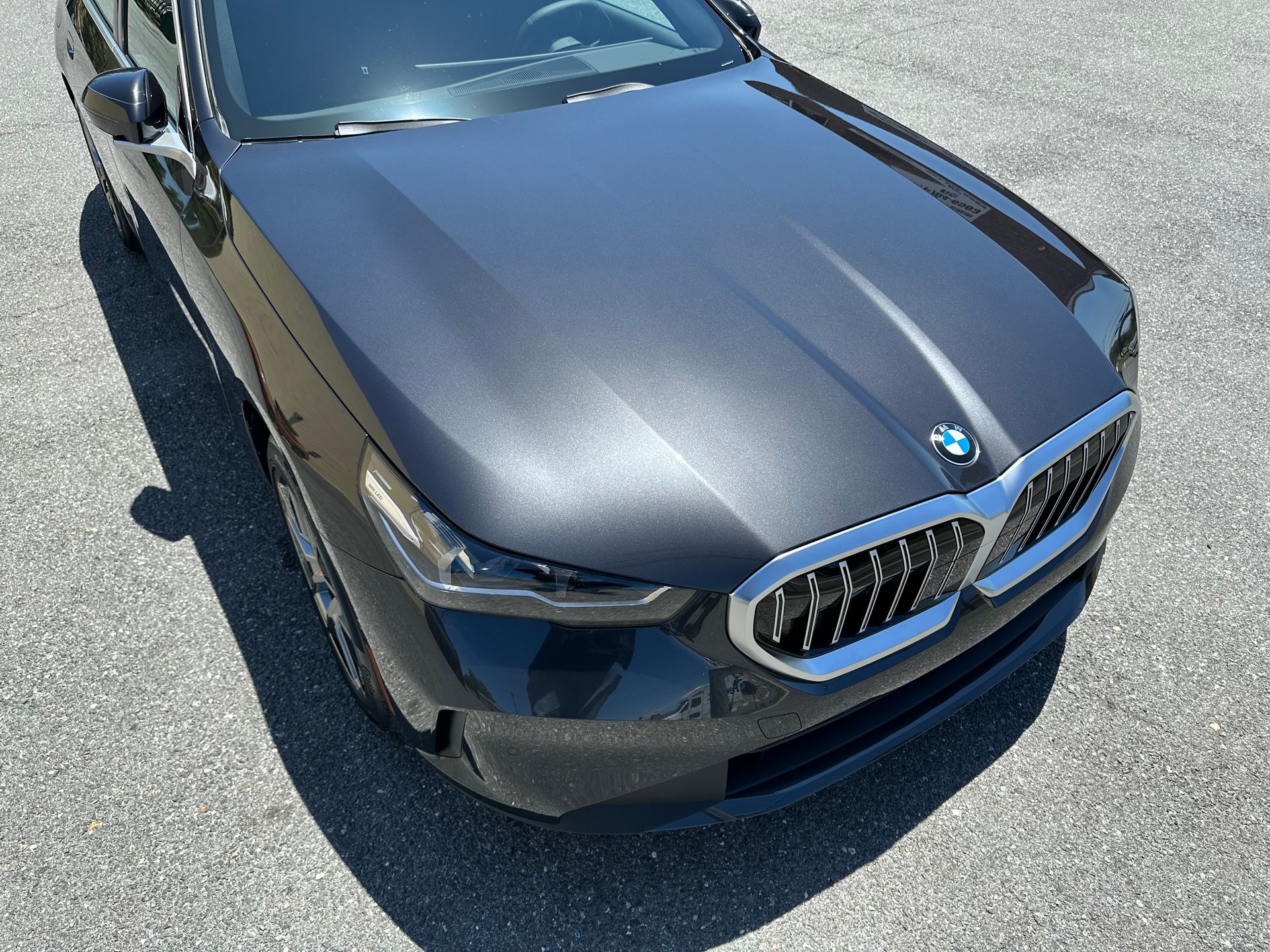
Paint Correction in Silver Spring, MD — Restore Your Paint Before It's Too Late

SCHEDULE ONLINE GET A FREE ESTIMATE
March 26, 2026

If your car's paint has lost the depth and gloss it had when it was new — if you're seeing swirl marks under direct light, fine scratches across the hood and roof, hazy sections, or a dull finish that no wax or spray detailer can fix — you need paint correction. Not a detail. Not a polish. Paint correction.

Maryland Auto Spa in Silver Spring, MD is a certified paint correction and ceramic coating studio serving the DMV. Here's exactly what paint correction is, what it fixes, and why getting it done right the first time matters more than most people realize.

What Is Paint Correction?

Paint correction is the process of removing imperfections from a vehicle's clear coat through machine polishing — a controlled, multi-step process that uses rotary and dual-action polishers with compounds and polishes of progressively finer abrasion.

Your paint has several layers: the base coat (which contains the color), and the clear coat on top (which provides gloss, UV protection, and depth). Most imperfections you see in your paint — swirl marks, water spots, fine scratches, haze, oxidation — live in or on the clear coat, not the base coat. Paint correction works by safely removing a microscopic layer of clear coat, leveling out those defects, and revealing the clear, undamaged surface beneath.

Done correctly, the result is paint that looks better than it did when it came off the lot.

Done incorrectly — with the wrong compounds, the wrong technique, or insufficient lighting — you can burn through clear coat permanently, leave holograms, or introduce deeper marring than what you started with. This is why machine polishing should only be performed by trained technicians working under proper inspection lighting.

One-Step vs. Two-Step Paint Correction: What's the Difference?

Not every vehicle needs the same level of correction. We assess each car individually and recommend the correction process that gets your paint to the best achievable condition.

One-Step Paint Enhancement

A one-step polish uses a single-stage compound and polish combination to remove light swirl marks, minor water spots, and surface haze. It's appropriate for vehicles that are in generally good condition but have lost some of their original clarity and depth — typically newer vehicles that have been through commercial car washes or light road use.

A one-step enhancement won't fully correct heavier defects, but it produces a significant improvement in gloss and clarity in a shorter time window. It's also the prep step included in our Level 1 ceramic coating package.

Two-Step Paint Correction

Two-step correction involves a cutting stage followed by a refining stage. The cut removes heavier defects — deeper swirls, water etch marks, and scratches that a single polish can't reach. The refining stage then removes the micromarring left by the cut and brings the paint to its maximum corrected clarity.

Two-step correction is the right call for vehicles with moderate to heavy paint defects, vehicles that have been through years of automatic car washes, paint with visible swirl marks under overhead light, or paint that is being prepared for a premium ceramic coating installation.

This is the correction level included in our Level 2 ceramic coating package — and it's where the most dramatic transformations happen.

How Do I Know If My Paint Needs Correction?

Most people don't notice paint defects in overcast light or shade. Take your car into direct sunlight or park it under a parking garage light and look at the hood and roof at a low angle. If you see a web of fine circular marks, patches of haze, or areas that look dull relative to the surrounding paint, those are clear coat defects that correction removes.

Other signs your vehicle needs paint correction: swirl marks visible under direct lighting, water spots that don't wash off (mineral deposits etched into the clear coat), dull sections especially on horizontal surfaces (hood, roof, trunk), paint that waxing makes look temporarily better but reverts quickly, or oxidation and chalking on older vehicles parked outdoors frequently.

If you're not sure, bring the car in for a consultation. We inspect every vehicle under correction lighting and give you an honest assessment before recommending anything.

Our Paint Correction Process

Every paint correction at Maryland Auto Spa follows the same disciplined process:

Step 1 — Full decontamination wash. The vehicle is hand-washed, clayed, and fully decontaminated before any polishing begins. Polishing over surface contamination introduces deeper scratches and gives inaccurate results.

Step 2 — Paint inspection under correction lighting. We inspect every panel under high-intensity lighting to map existing defects, assess clear coat thickness, and determine the appropriate correction approach for each section of the car.

Step 3 — Machine polishing. We work panel by panel with calibrated compounds and polishes matched to the defect severity on each section. We don't use the same approach on a lightly swirled door as we do on a heavily oxidized hood.

Step 4 — Final inspection and wipe-down. Once polishing is complete, all polish residue is removed and the paint is inspected again under lighting. We don't move to the next step until the correction meets our standard.

Step 5 — Protection recommendation. At this point, your paint is in its best corrected condition. We discuss your options for protecting that work — including whether ceramic coating makes sense for your vehicle and goals.

Paint Correction and Ceramic Coating: The Right Sequence

This is important: if you're considering ceramic coating, paint correction must come first. Ceramic coating is a permanent bond with your clear coat surface. Whatever condition your paint is in at the time of coating — swirls, etch marks, haze — gets locked under that coating permanently at 9H hardness. You cannot polish it out later without removing the coating itself.

Paint correction followed by ceramic coating is the correct sequence. Correct the paint to its best achievable condition, then protect that condition permanently with a coating that holds it there for years. That's the process.

At Maryland Auto Spa, we offer this as a bundled service — and through our Coat & Care System, we pair the coating with professional ongoing maintenance so it stays performing at full strength long-term. It's the only program of its kind in Maryland.

Learn more about ceramic coating at MDAutoSpa.com →

Get a Paint Correction Quote in Silver Spring, MD

Maryland Auto Spa is located at 8931 Brookville Rd, Silver Spring, MD 20910, serving DC, Bethesda, Rockville, Chevy Chase, Potomac, and the entire DMV metro area.

If your paint isn't looking the way it should, the best time to correct it is before the damage compounds further. Clear coat thickness is finite — the longer defects are left unaddressed, the less material is available to correct.

Request a free consultation at MDAutoSpa.com or call us at (301) 704-6503.

One visit to our studio will show you what your paint is actually capable of. Let's bring it back.

Blog
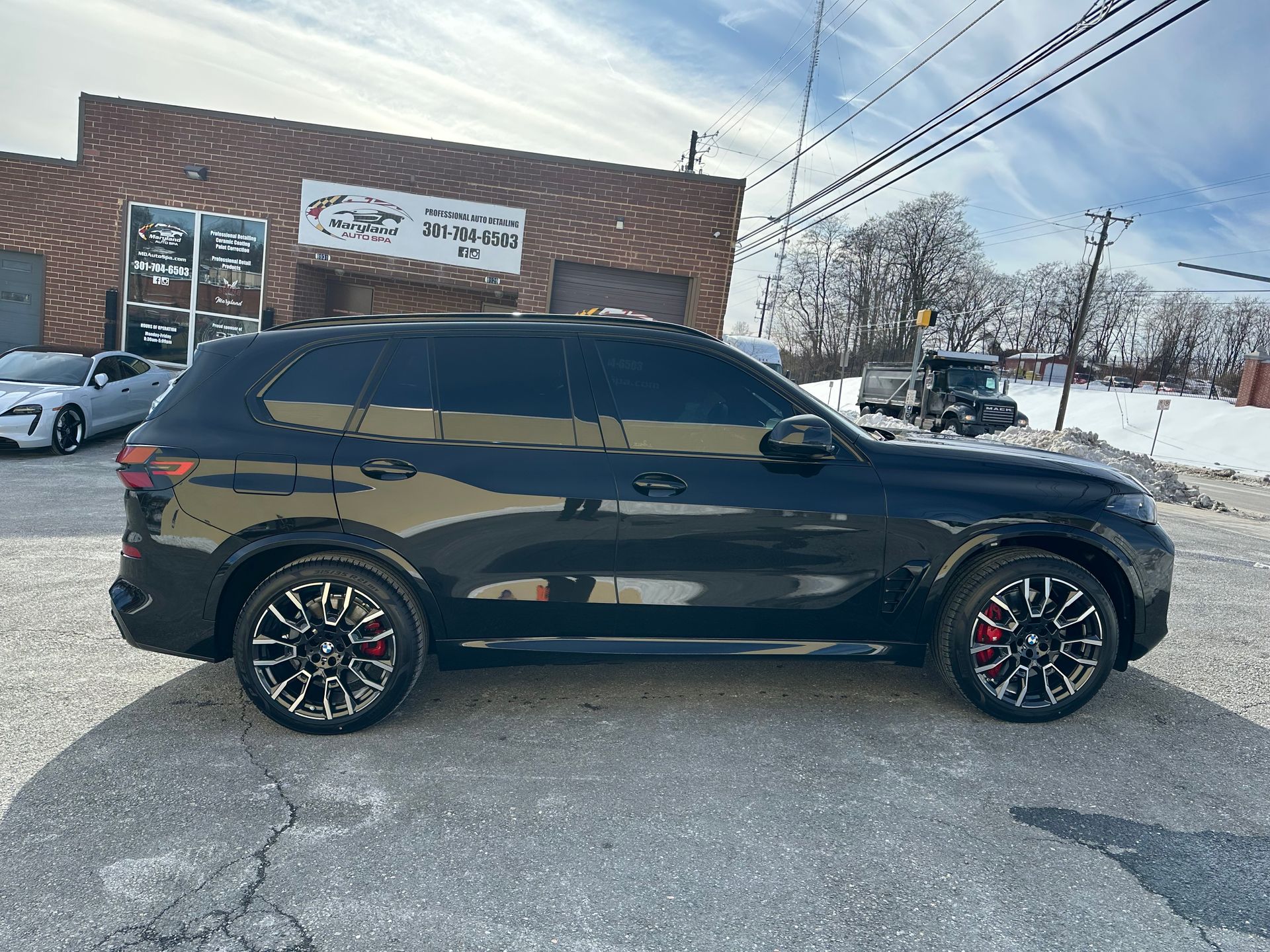
BMW ceramic coated at Maryland Auto Spa in Silver Spring MD — luxury vehicle paint protection near C
By SEO Team March 26, 2026
Maryland Auto Spa serves Chevy Chase, MD with professional ceramic coating starting at $1,599. Protect your BMW, Audi, or Range Rover — free consultation, 15 min away.
Ceramic coating being applied to a luxury vehicle at Maryland Auto Spa in Silver Spring MD
By SEO Team March 26, 2026
Professional ceramic coating in Silver Spring, MD starts at $1,599. See our Level 1 and Level 2 packages, what's included, and get a free quote from Maryland Auto Spa.
By Carson Mangum March 26, 2026
What Is Pollen, Exactly? It's that time of year again. The cherry blossoms are peaking across the DMV, the Instagram photos are stunning, and your car is coated in a fine yellow-green dust that, if you're not careful, is quietly working against your paint. That dust is pollen. And it's a bigger deal than most car owners realize. Pollen is a fine powder released by trees, grasses, and flowers as part of the reproduction process. In the DC metro area, spring pollen season typically kicks off with tree pollen (including the infamous cherry blossom variety) in late March, then ramps up through April and May with grass and weed pollen adding to the mix. During peak days, the pollen count around Silver Spring and the surrounding region can reach levels that coat every outdoor surface, your car included, within hours of washing it. If you've ever washed your car on a Friday morning and walked out Saturday to find it yellow again, you know exactly what we're talking about. Why Is Pollen Harmful to Your Car's Paint? Here's where it gets important: pollen isn't just a cosmetic nuisance. Left sitting on your paint, pollen can cause real, lasting damage. Pollen is acidic. When pollen comes in contact with moisture — rain, dew, even humidity — it releases proteins and organic acids that can etch into your clear coat over time. Your clear coat is the protective layer that sits on top of your color coat, and once it's etched or degraded, the damage is visible and expensive to correct. Pollen has microscopic hooks and barbs. Under a microscope, pollen grains have a textured, sometimes spiked surface. When you try to wipe pollen off a dry car with a cloth or dry hand — something basically every car owner has done — those barbs drag across your clear coat and leave fine scratches. Over time, this is what causes that dull, hazy look on cars that are otherwise regularly washed. Pollen accumulates in tight spots. Windshield edges, door jambs, mirror housings, around badges — pollen packs into these areas and stays moist. That concentrated moisture and acidity sitting in one spot accelerates localized paint damage faster than open panel surfaces. Pollen traps other contaminants. Pollen is sticky. It acts as a magnet for road grime, brake dust, and industrial fallout, turning a single contaminant into a layered mix that's harder to safely remove and more chemically aggressive against your finish. The Biggest Mistake People Make in Pollen Season Going to the touchless automatic carwash every weekend and calling it done. Here's the problem: touchless washes use high-pressure water and aggressive chemical detergents to compensate for the lack of physical contact. They're better than nothing, but they don't fully remove pollen — especially from crevices and panel gaps. And the detergents used strip any existing protection (wax, sealant, or light coating layer) off your paint, leaving it bare for the next round of pollen to attack. The second mistake is waiting too long. Most people wait until the pollen is clearly visible before washing. By that point, especially after any rain or morning dew, the acidic compounds have already been activated and had hours (or days) to sit on your clear coat. How Ceramic Coatings Protect Against Pollen A professional-grade ceramic coating is one of the single best investments you can make for your car's paint, and pollen season is one of the clearest reasons why. Ceramic coatings create a hydrophobic, non-porous surface barrier. Pollen has a much harder time bonding to a coated surface compared to bare paint, wax, or sealant. When it does settle, it sits on top of the ceramic layer rather than in contact with your clear coat. The coating repels water — and the acids that come with it. Because a ceramic-coated surface sheds water so aggressively, pollen-activated acids don't sit and dwell the way they do on uncoated paint. Rain and rinse water bead up and carry contaminants off the surface. Safe maintenance is dramatically easier. Because coated cars don't trap pollen and grime the same way uncoated cars do, weekly rinse washes during pollen season are far more effective. You spend less time decontaminating and less money on correction work down the road. Protection lasts through the season and beyond. Unlike wax (which lasts 4–8 weeks) or spray sealant (8–12 weeks), a properly installed ceramic coating from Maryland Auto Spa is rated for multiple years of protection. You're not re-applying every time pollen season rolls around. What About Maintenance Plans? If your car already has a ceramic coating, our VIP Maintenance Plan and VIP+ Maintenance Plan are built to keep it performing the way it should. A ceramic coating is only as good as the maintenance behind it. Our VIP plans include scheduled hand washes, decontamination, and maintenance spray applications performed by our team — keeping your coating clean, active, and protected between Ceramic Coating Refreshes. During pollen season that regular professional touch matters more than ever. We catch the buildup before it bonds to the coating and becomes a bigger problem. What You Should Do Right Now If your car is sitting outside in Silver Spring right now with a layer of pollen on it, here's what we recommend: 1. Don't wipe it dry. Seriously. A dry cloth or your sleeve on a pollen-covered car is one of the fastest ways to add fine scratches to your clear coat. 2. Get a contact rinse as soon as possible. A good rinse with clean water to float the pollen off the surface before you do anything else. 3. Come see us if your paint needs correction. If you're already seeing haze, swirl marks, or dull spots on your clear coat, pollen may have already done some damage. Paint correction can restore that gloss — and pairing it with a ceramic coating afterward means you'll never deal with this at the same level again. 4. Ask about our ceramic coating packages. We work on daily drivers, weekend cars, daily drivers that get treated like weekend cars, and everything in between. We'll find the right protection level for how you actually use your vehicle. Ready to Protect Your Paint This Spring? Don't let another pollen season etch its way through your clear coat. Maryland Auto Spa is located in Silver Spring, MD — serving the DMV area including Rockville, Bethesda, Chevy Chase, and DC. Book a consultation or get a quote at MDAutoSpa.com Maryland Auto Spa specializes in professional ceramic coating installation, paint correction, and auto detailing in Silver Spring, MD. Our team is certified in Gtechniq, IGL Coatings, and System X ceramic coating systems.