What is Matte Paint Protection Film? A Complete Guide for Car Owners
SCHEDULE ONLINE GET A FREE ESTIMATEHave you ever marveled at a sleek, expensive car and its matte finish paint job? What if you were told there's a way to maintain this impeccable look throughout the lifespan of your vehicle without breaking the bank? Let's dive into the world of matte Paint Protection Film (PPF), an innovative solution that ensures your ride always looks fresh off the showroom floor.
This complete guide will shed light on everything car owners need to know about matte PPF, from its composition to its benefits. Stick with us for a journey into transforming your automobile’s aesthetics while giving it solid protection. You just might sacrifice that polish and gloss for an edgy finish once you're done reading.
Composition of Matte Protective Film
Matte paint protection film, a revolutionary solution for protecting the paint finish of cars with a matte or satin appearance, is composed of specialized materials designed to safeguard against various elements. Typically made from a blend of elastomeric polymers, adhesive layers, and a clear topcoat, this film is formulated to provide an invisible shield that enhances the durability of the vehicle's exterior.
The elastomeric polymer layer in the composition of the matte protective film ensures flexibility and stretchability, conforming effortlessly to the contours of the vehicle's surface. The adhesive layer securely bonds the film to the paintwork without leaving any residue when removed. Finally, the clear topcoat acts as a barrier against environmental factors such as UV radiation, chemicals, dirt, and debris.
This carefully crafted combination of materials provides not only protection but also a seamless appearance that doesn't alter the matte or satin finish desired by car owners.
Purpose and Benefits
The primary purpose of matte protective film is to safeguard your vehicle's paintwork from potential damage. The specialized properties of this film offer several notable benefits:
- Impact Absorption: Matte protective film forms a durable shield against minor scratches and abrasions caused by road debris, branches, or accidental brush-ups.
- UV Ray Resistance: Matte finishes are particularly susceptible to fading or discoloration due to prolonged exposure to harsh sunlight. The protective film effectively blocks harmful UV rays, preserving the color vibrancy and gloss-free appearance.
- Easy Maintenance: With the film acting as an additional protective layer, cleaning becomes a breeze. The smooth surface reduces the adhesion of dirt and grime, making it easier to maintain a pristine matte finish.
- Chemical Resistance:
They are resistant to chemicals such as solvents, acids, and alkalis, ensuring long-lasting protection.
- Resale Value Preservation: When it comes time to sell your car, having a well-maintained matte finish can be a significant selling point. The protective film helps retain the original condition, enhancing resale value.
- Self-Healing Properties: Some matte protective films have self-healing properties that allow minor scratches or swirl marks to disappear on their own over time. This feature ensures the longevity of the flawless finish.
By investing in matte protective film, you not only extend the lifespan of your car's exterior but also enjoy its unique aesthetic without constantly worrying about potential damage.
Performance of Durable Car Films
When it comes to protecting the exterior of your beloved car, matte paint protection film is a game-changer. This advanced technology brings numerous benefits to car owners, ensuring that your vehicle stays in pristine condition for longer periods of time.
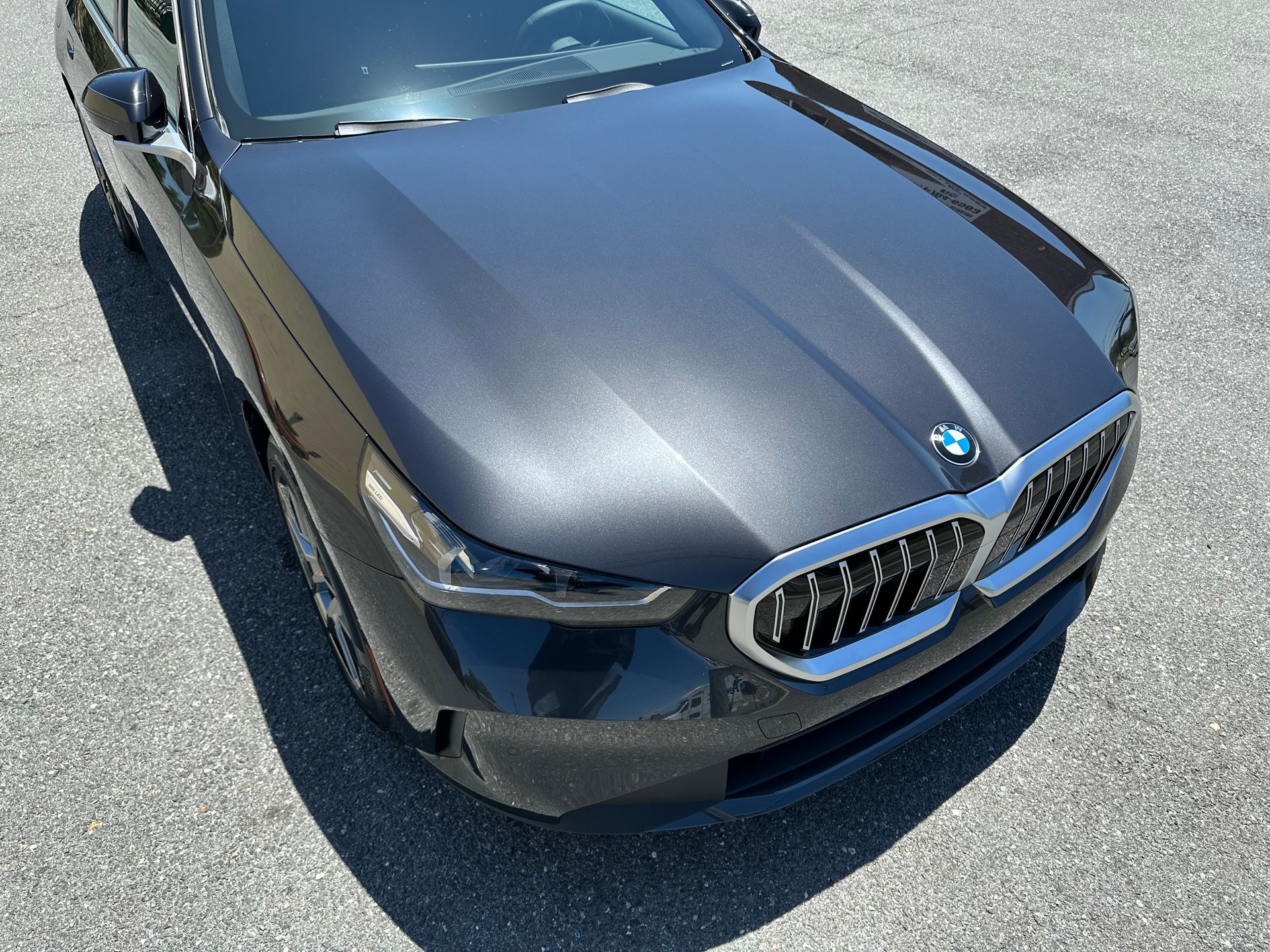
Imagine having a beautiful matte black finish on your car and wanting to preserve its sleek appearance. A durable car film offers the perfect solution by acting as a shield against external elements that could potentially damage the paintwork.
These films are designed to withstand the test of time and provide excellent performance in various aspects, making them a worthwhile investment.
As you can see, these durable car films possess traits that enhance their protective capabilities against various external factors. From UV resistance to chemical resistance, they provide an added layer of assurance for maintaining your car's aesthetic appeal.
Comparing Different Film Brands
When it comes to matte paint protection films, several brands offer a range of options. Each brand has its own unique qualities and features, making it important for car owners to compare different film brands before making a decision. One of the popular brands in this field is STEK, known for its self-healing properties that allow minor scratches to disappear over time.
Another notable brand is 3M, which offers an extensive range of film options with varying levels of thickness and protection.
Other brands, such as SunTek, have their own strengths and characteristics worth considering.
Comparing different film brands involves looking at factors such as durability, warranty coverage, ease of installation, and overall performance. Car owners should consider their specific needs and preferences to determine which brand aligns best with their requirements. Reading reviews and seeking recommendations from professionals or fellow car enthusiasts can also provide valuable insights into the pros and cons of different film brands.
It's worth mentioning that while comparing different film brands is an important step, it's equally crucial to ensure that you choose a reputable installer who has experience working with the brand you select. A high-quality film installed poorly can lead to unsatisfactory results and potentially damage your vehicle's paint surface.
Cost and Quality Factors
When considering matte paint protection films, cost and quality factors play a significant role in the decision-making process. While it may be tempting to opt for the cheapest option available, compromising on quality can lead to unsatisfactory results and limited protection for your vehicle's paint.
It's vital to strike a balance between cost-effectiveness and quality when choosing a matte paint protection film. Investing in a higher-quality film may come with a higher price tag initially, but it can provide superior protection against common hazards like rock chips, scratches, and UV damage, saving you money in the long run by preventing potential repair costs.
However, it's crucial to note that cost doesn't always directly correlate with quality, and there are affordable options available that still offer satisfactory performance. Therefore, considering factors like customer reviews, product reputation, and warranty coverage is essential to ensuring you're making an informed decision.
Application Process and Maintenance Tips
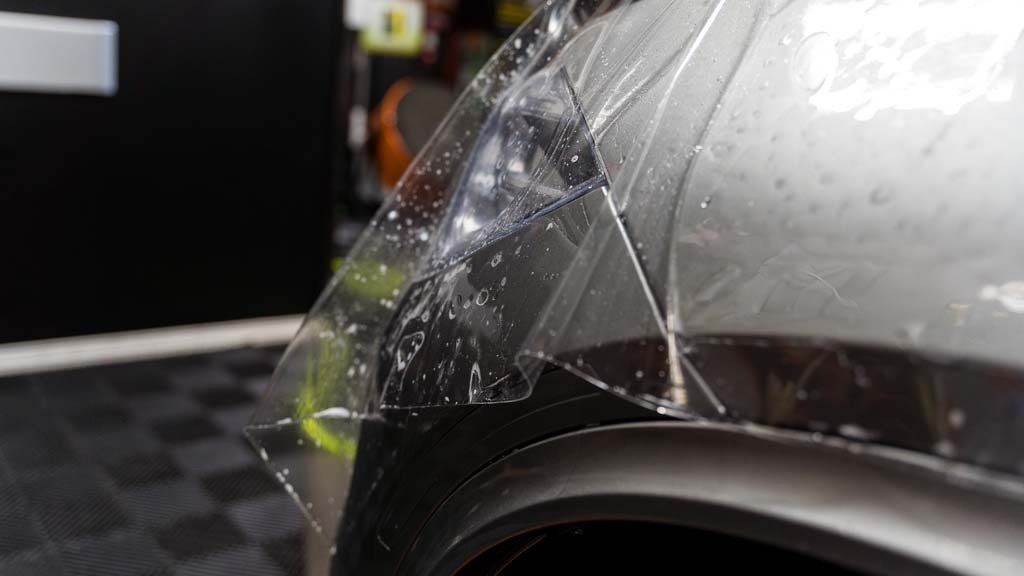
To ensure that your matte paint protection film provides optimal safety and longevity for your vehicle, it is essential to understand the application process and follow proper maintenance tips. The application process involves carefully cleaning the surface of the car before applying the film. This ensures that no dirt or debris is trapped underneath, which could affect its adhesion and appearance. It is recommended to seek professional assistance for a seamless installation, as they possess the necessary expertise and tools to achieve a flawless finish.
Professional installers have experience handling paint protection films and can guide you through the application process to ensure a smooth and bubble-free result.
Simple Installation and Care
Installing a matte paint protection film doesn't have to be complicated. While seeking professional installation is ideal, you can also opt for DIY methods if you're confident in your skills. It's crucial to thoroughly clean the surface before starting the installation process. Ensure there are no traces of wax, silicone-based products, or debris on the car's exterior.
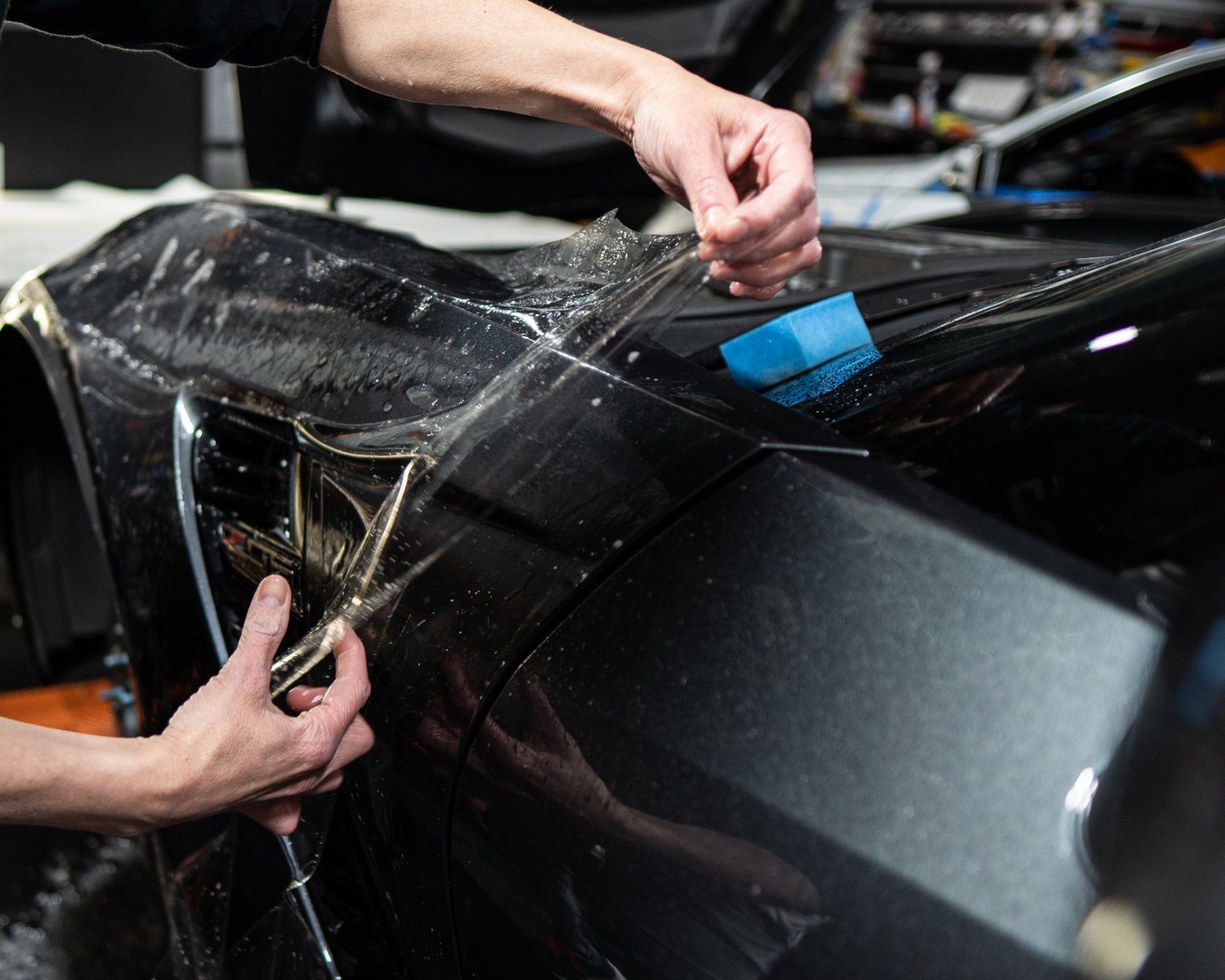
Begin by spraying a mixture of water and soap onto the desired area where you'll be applying the film. This helps create slipperiness, so you can easily maneuver and position the film correctly. Gently place the film on the designated area, avoiding any creases or bubbles as much as possible. Use a squeegee or soft rubber roller to smooth out the film and remove any air trapped underneath.
Once the matte paint protection film is installed, it's important to care for it properly. Regularly wash your vehicle using a non-abrasive soap and a microfiber cloth or sponge. Be gentle during the cleaning process, avoiding excessive pressure that could potentially damage the film. Additionally, refrain from using mechanical car washes with brushes that may scratch or peel off the film.
Moreover, avoid parking your car in direct sunlight for extended periods, as this may cause the film to fade or degrade over time.
For added protection and longevity, consider applying a protective wax specifically designed for matte finishes. This can help enhance the appearance and provide an additional layer of defense against environmental contaminants. Learn more about the maintenance tips for paint protection film!
Matte Magic Unveiled: A Journey into Durability and Style for Your Vehicle
Explore the world of matte paint protection film with us at Maryland Auto Spa! Transforming your car's aesthetics while providing robust protection is no longer a luxury but a practical choice.
Remember, the composition of matte protective film, with its elastomeric polymers, adhesive layers, and clear topcoat, ensures not only durability but also a seamless appearance that complements your matte or satin finish. The benefits, from impact absorption to UV ray resistance, make it a wise choice for car owners looking to extend the lifespan of their vehicles.
Embrace the performance of durable car films; envision a lasting and beautiful matte. As you contemplate investing in this game-changing technology, remember to compare different film brands and strike a balance between cost and quality.
Maryland Auto Spa is here to elevate your car care journey. Visit our website to discover premium services that ensure your vehicle stays in pristine condition.
Trust us to deliver the perfect blend of quality and expertise for a lasting, head-turning matte finish. Drive on with confidence, style, and the assurance of Maryland Auto Spa.
Blog