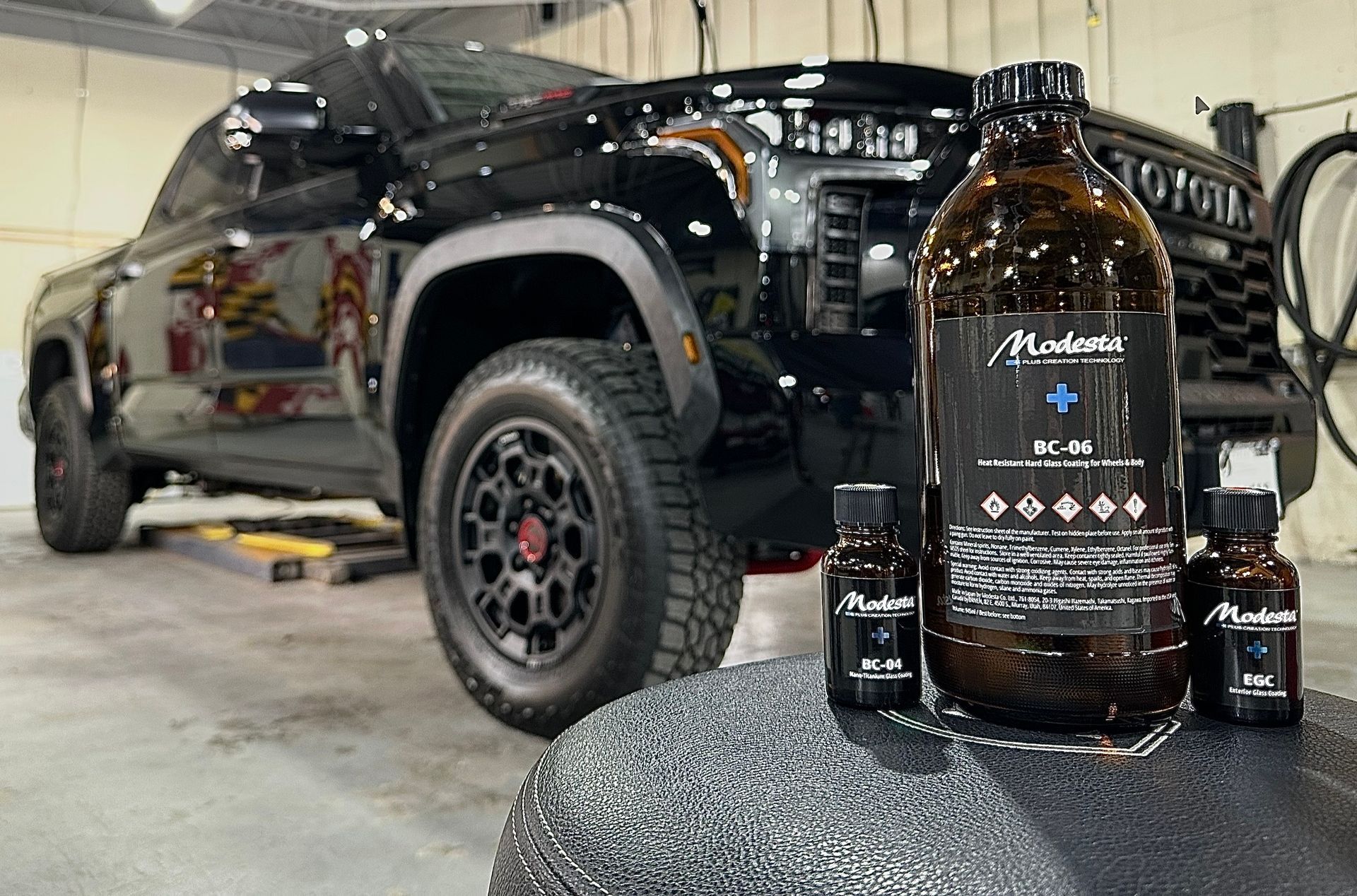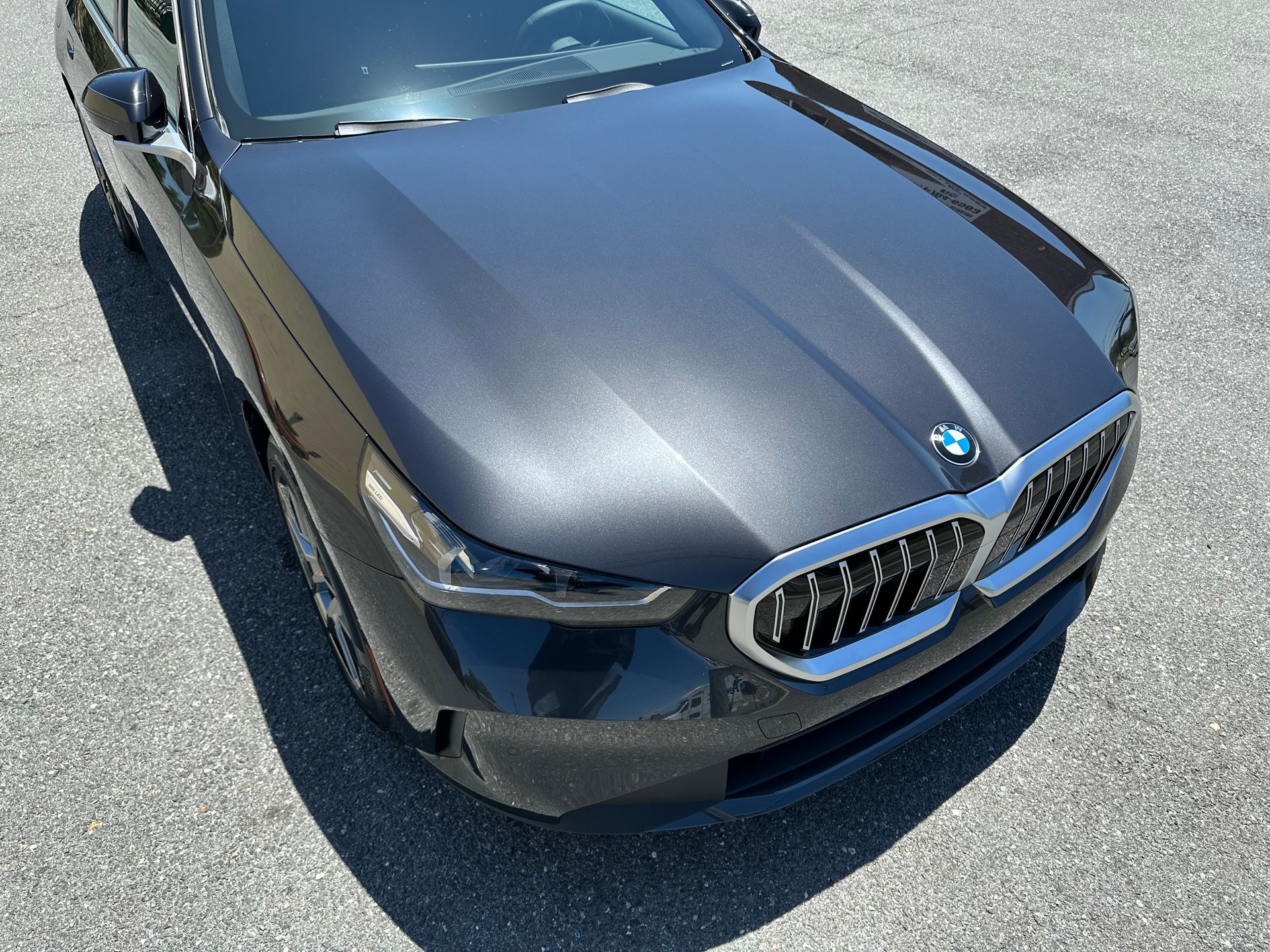
Advanced Ceramic Coating Techniques: Beyond the Basics
SCHEDULE ONLINE GET A FREE ESTIMATEWelcome to Maryland Auto Spa's latest insight, where we take car care to a higher level! In this blog post, we will explore the intricate world of ceramic coatings as an innovative method of automobile maintenance. As vehicles evolve, so do methods to maintain and protect them. Gone are the days of basic wax jobs being sufficient; now advanced ceramic coating techniques offer revolutionary protection while providing long-term durability that traditional methods cannot match.
At Maryland Auto Spa, we pride ourselves on being at the cutting-edge of this dynamic industry, offering state-of-the-art services that set new standards in vehicle protection. In this deep dive, we'll explore how advanced ceramic coating techniques can revolutionize how you care for your car. From understanding their scientific foundation to witnessing their stunning results, Maryland Auto Spa will lead you through an experience that redefines what it means to take pride in maintaining the exterior. This ultimate guide for professionals dives deep into the wonderland of these techniques.
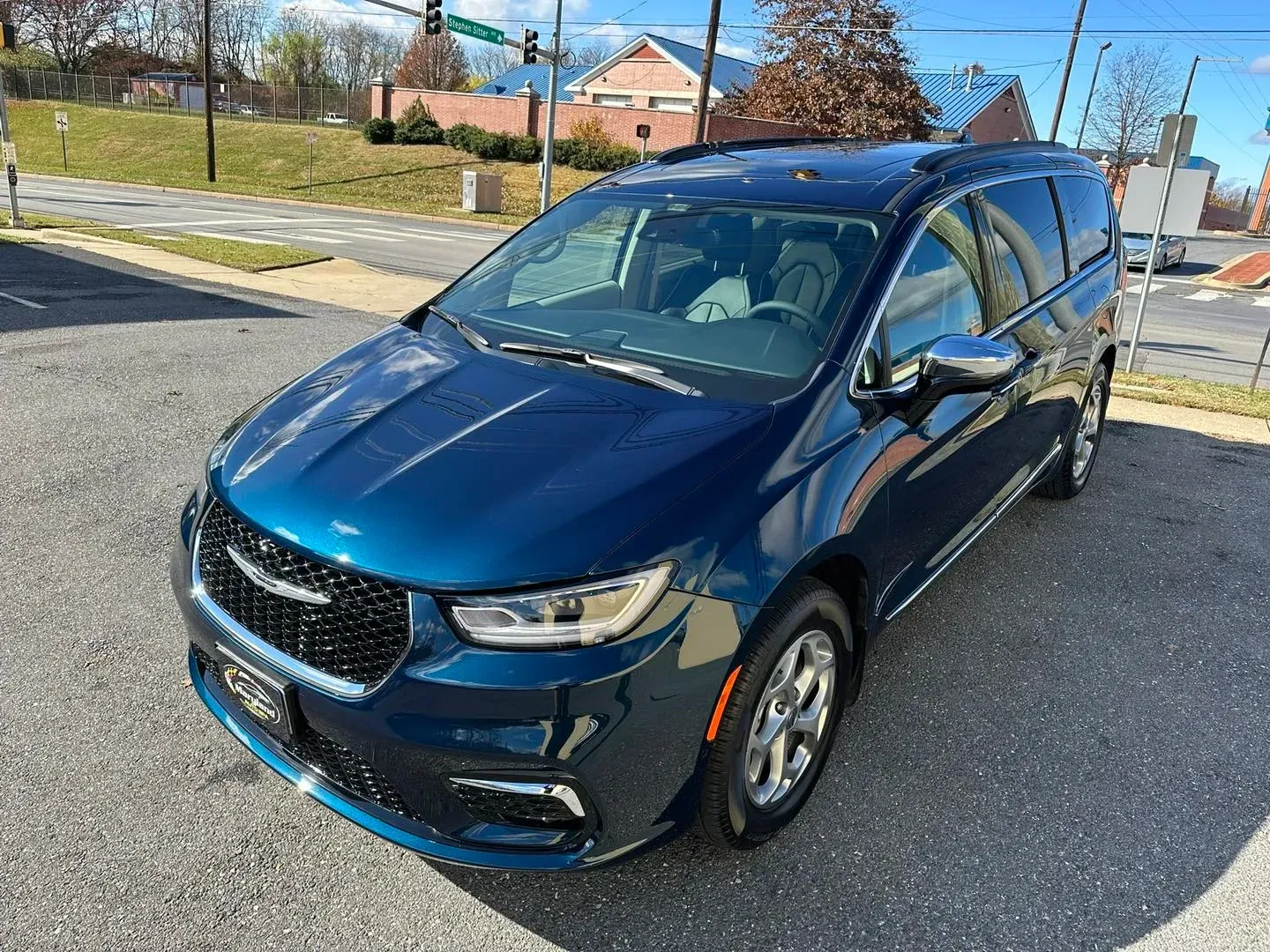
What Are Advanced Ceramic Coating Techniques?
When it comes to achieving a flawless and long-lasting
ceramic coating, professionals understand the importance of utilizing advanced techniques. These techniques not only enhance the effectiveness of the coating but also ensure optimal protection and durability for the vehicle's surface. Let's explore some of these advanced ceramic coating techniques that can take your detailing skills to the next level.
Another advanced technique is paint correction. Before applying a ceramic coating, it is crucial to prep the surface by removing any imperfections or blemishes in the paint. Paint correction involves using various polishing compounds and tools to remove swirl marks and other defects, ultimately revealing a smooth and flawless surface. By performing paint correction prior to ceramic coating application, professionals can ensure better adhesion and maximize the coating's performance.
Substrate Variety and Preparation
The success of a
ceramic coating application heavily relies on proper layer variety and preparation. Different substrates, such as paint, glass, and metal, require specific considerations to ensure that the ceramic coating adheres effectively. Moreover, thorough preparation of the surface is essential to remove any contaminants or imperfections that could hinder the coating's performance.
Take, for instance, a vehicle with a metallic substrate. Before applying the ceramic coating, professionals need to address any rust or corrosion issues. This may involve sanding down affected areas, applying anti-corrosion treatments, and priming the surface to create a smooth and stable foundation for the coating. By addressing these concerns beforehand, professionals can prevent future damage and enhance the longevity of the coating.
Another crucial aspect of substrate preparation is decontamination. Over time, vehicles accumulate various contaminants, such as dirt, grease, pollen, and even industrial fallout, on their surfaces. These contaminants can interfere with the bonding process of the ceramic coating if they are not properly removed before application. Professionals employ methods like clay bar treatment or iron fallout removal to thoroughly cleanse the surface and ensure maximum coating adhesion.
High-Temperature Buffing
One of the most essential techniques for achieving a
flawless ceramic coating is high-temperature buffing. This advanced method involves using specialized equipment and heat to maximize the performance of the coating and enhance its longevity. By employing high-temperature buffing, professionals can take their detailing expertise to the next level, ensuring a superior finish that will impress even the most discerning car enthusiasts.
Imagine you have a beautiful sports car with a vivid red paint job. You want it to truly stand out on the road, so you decide to invest in a ceramic coating. However, without proper high-temperature buffing, your desired outcome may fall short. The heat generated during high-temperature buffing allows the coating to bond more effectively to the surface of your car's paint, resulting in enhanced glossiness and durability. Additionally, this technique helps to eliminate micro-defects, such as swirl marks which can detract from the overall appearance.
Numerous studies have shown that high-temperature buffing significantly improves the performance of ceramic coatings. The combination of controlled heat and friction aids in leveling out the coating, creating a uniformly smooth surface across your vehicle. This not only enhances its visual appeal but also provides added
protection against harsh environmental factors, such as UV rays and contaminants.
Application of Ceramic Coatings
The application of ceramic coatings requires precision and meticulous attention to detail. It is vital to follow proper procedures and utilize the right tools and techniques to ensure a flawless finish that not only enhances the visual appeal of your vehicle but also provides long-lasting protection against various elements.
The successful application of a ceramic coating hinges on several factors, including using high-quality products, mixing ingredients correctly, and employing the appropriate style of application. To achieve optimal results, it is imperative to use reputable ceramic coatings known for their durability and protective properties. Additionally, understanding the characteristics of different coatings and how they interact with specific surfaces allows professionals to choose the right product for each unique situation.
Some argue that applying a ceramic coating is a simple task that beginners can do without professional assistance. While it is true that there are DIY kits available on the market, achieving professional-grade results requires expertise and experience. Professionals understand the intricacies involved in proper surface preparation, paint correction, and precise application techniques. By entrusting your vehicle to skilled hands, you can rest assured that every step of the process will be executed flawlessly.
Mixing Ingredients and Style of Application
When it comes to the application of ceramic coatings, there are two important aspects to consider: mixing the ingredients correctly and choosing the right style of application. These factors greatly influence the effectiveness and longevity of the coating on the vehicle's surface.
Ceramic coatings generally consist of a base coating and a top coating. When these components are mixed together, they chemically react to form a strong bond with the paint surface. This chemical reaction is crucial for achieving long-lasting protection against environmental elements such as UV rays, acid rain, and oxidation.
Once the ingredients are mixed, it's time to consider the style of application. There are various techniques professionals use to ensure an even and uniform layer of ceramic coating on the vehicle's surface.
Unique Properties of Ceramic Coatings
Ceramic coatings offer numerous unique properties that set them apart from traditional wax or sealant products. Understanding these properties can help professionals make informed decisions when recommending ceramic coatings to their clients.
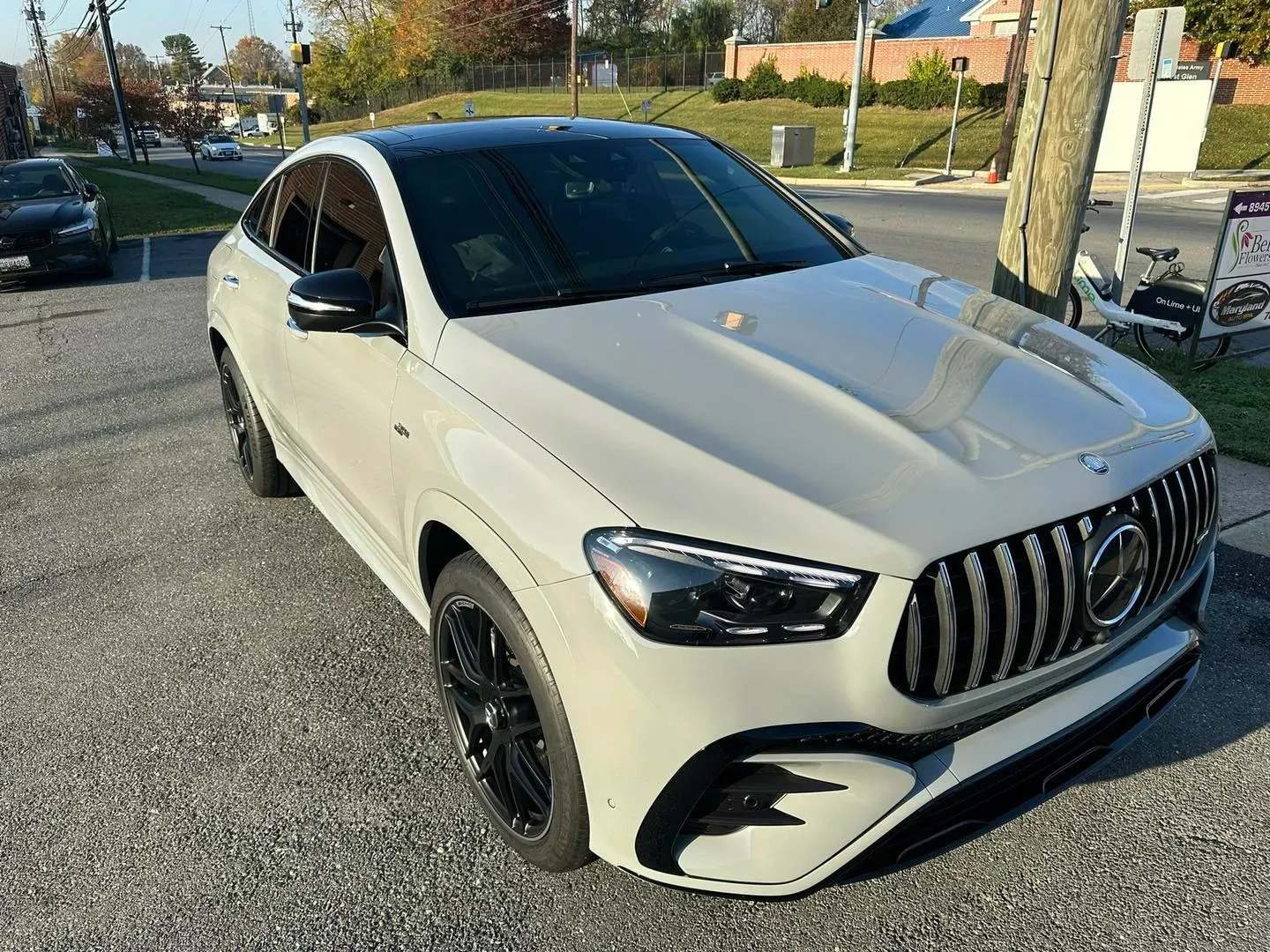
Picture this: You're standing in front of two cars—one coated with traditional wax and the other with a ceramic coating. The car with traditional wax appears glossy at first but lacks depth and vibrancy compared to the car with a ceramic coating. The ceramic-coated car has a brilliant, mirror-like finish that catches your eye and makes the paintwork look richer and more luxurious.
One of the key properties of ceramic coatings is their ability to enhance the appearance of the vehicle, creating a deeper and more vibrant finish. This is due to their high refractive index, which means they reflect light in a way that adds depth and clarity to the paintwork.
Some may argue that traditional wax or sealants can also provide shine and gloss to a certain extent. While this is true, the long-term durability and aesthetic enhancement offered by ceramic coatings simply cannot be matched by conventional products. Ceramic coatings are resistant to UV rays, chemicals, and environmental contaminants like bird droppings or tree sap. These properties ensure that the paint remains protected for an extended period, maintaining its gloss and vibrancy for years.
Durability, Gloss and Versatile Material Compositions
When it comes to ceramic coatings, durability is one of the factors that car enthusiasts and professionals value most. These coatings are designed to provide long-lasting protection against various types of damage, including physical wear and tear. Unlike traditional wax or sealant products that may wear off quickly, ceramic coatings have proven to retain their effectiveness for an extended period of time.
Imagine owning a high-end luxury vehicle that you've meticulously maintained with regular washing and waxing. Despite your best efforts, over time, the constant exposure to environmental contaminants, UV rays, and harsh weather conditions can take a toll on its appearance. However, with a ceramic coating applied to your vehicle's exterior, you can significantly reduce the impact of these factors.
Not only does a ceramic coating act as a barrier against dirt, grime, and UV damage, but it also adds an incredible gloss to your vehicle's paintwork. The depth and shine provided by these coatings give your car a showroom-quality appearance that lasts. With its hydrophobic properties, water rolls off effortlessly, preventing water spots or stains from forming on the surface.
The versatility of material compositions used in ceramic coatings is another aspect worth mentioning. These coatings often contain silicon titanium dioxide (SiO2), titanium dioxide (TiO2), carbon dioxide (SiO2), or quartz, which work together to create a robust protective layer on your car's paintwork. The unique combination of these materials ensures that ceramic coatings offer exceptional durability and resistance to a wide range of environmental contaminants.
Studies have shown that vehicles coated with ceramic coatings can retain their gloss and color depth up to five times longer than those protected with conventional wax or sealant products. This extended lifespan not only saves you money in the long run by reducing the need for frequent reapplication but also maintains the aesthetic appeal of your vehicle over time.
Environmental Impact and Benefits of Ceramic Coatings
In today's world, where sustainability is increasingly important, it's essential to consider the environmental impact of our choices when it comes to car care. Ceramic coatings present several noteworthy
benefits in this regard, which make them an eco-friendly choice for both professionals and car owners.
Firstly, ceramic coatings significantly reduce the need for frequent cleaning compared to traditional wax or sealant products. Due to their hydrophobic properties, water beads up and rolls off the surface easily, carrying away dust and dirt with it. As a result, your car stays cleaner for longer periods of time between washes. By reducing the frequency of washing, you not only conserve water but also minimize the use of chemical-laden cleaning products.
Furthermore, ceramic coatings provide a protective barrier against harmful environmental contaminants that can damage your car's paintwork. By minimizing the need for touch-ups, you contribute to reducing the overall consumption of resources and waste generated by repairs or repainting projects.
Imagine living in an area where environmental regulations restrict the use of traditional cleaning products due to their potentially harmful effects on the ecosystem. A ceramic coating allows you to maintain the cleanliness and appearance of your vehicle without relying on chemically-intensive cleaners. This not only aligns with environmentally friendly practices but also ensures compliance with local regulations.
Moreover, the durability of ceramic coatings further contributes to their eco-friendliness. By extending the lifespan of your car's paintwork, you reduce the frequency at which it requires repainting. As a result, fewer resources are consumed in the manufacturing and application of new paint, leading to a decreased carbon footprint and environmental impact throughout the lifecycle of your vehicle.
It is important to note that while ceramic coatings offer environmental benefits, proper disposal and handling of associated products are crucial to ensuring minimal negative impact. Professional detailers have a responsibility to dispose of any leftover materials or applicators in an environmentally conscious manner, while individuals applying
DIY ceramic coatings should follow proper guidelines for safe disposal.
Contact Maryland Auto Spa for Advanced Ceramic Coating Application
Maryland Auto Spa stays up-to-date with these advancements by using ceramic coating technology that looks beautiful and provides durable protection from everyday driving hazards. Maryland Auto Spa strives to stay at the forefront of these technological innovations; in fact, we lead them! employing cutting-edge ceramic coating techniques on every vehicle that comes through our doors.
Our team of specialists isn't simply highly trained; they're passionate artisans in their field. Combining years of experience with an in-depth knowledge of ceramic coating science, Maryland Auto Spa understands both the value and significance of maintaining your vehicle's beauty and integrity. When you choose Maryland Auto Spa as your service provider, you are choosing someone who recognizes both of these factors.
Are you ready to give your car the ultimate protection it needs? Experience Maryland Auto Spa's advanced ceramic coating techniques and see the difference for yourself. Reach out now and
schedule your appointment. Join those who choose nothing less than the best when it comes to their vehicles' appearance and longevity! Let Maryland Auto Spa show you the way.
Blog