DIY Ceramic Coating vs. Professional: Which is Better for Your Car?
SCHEDULE ONLINE GET A FREE ESTIMATEIf there's one thing car owners hate, it's seeing their vehicles age more quickly than they'd like. From dust to road grime, it can feel like the elements just won't give up. But what if you could stop time in its tracks? That's where ceramic coating comes in. But which one is the right choice when it comes to DIY ceramic coating vs. professional? In this blog post,
Maryland Auto Spa is here to guide you through the advantages and disadvantages of both, so you can determine the best option for your car.
What is Professionally Applied Ceramic Coating?
When it comes to caring for your car,
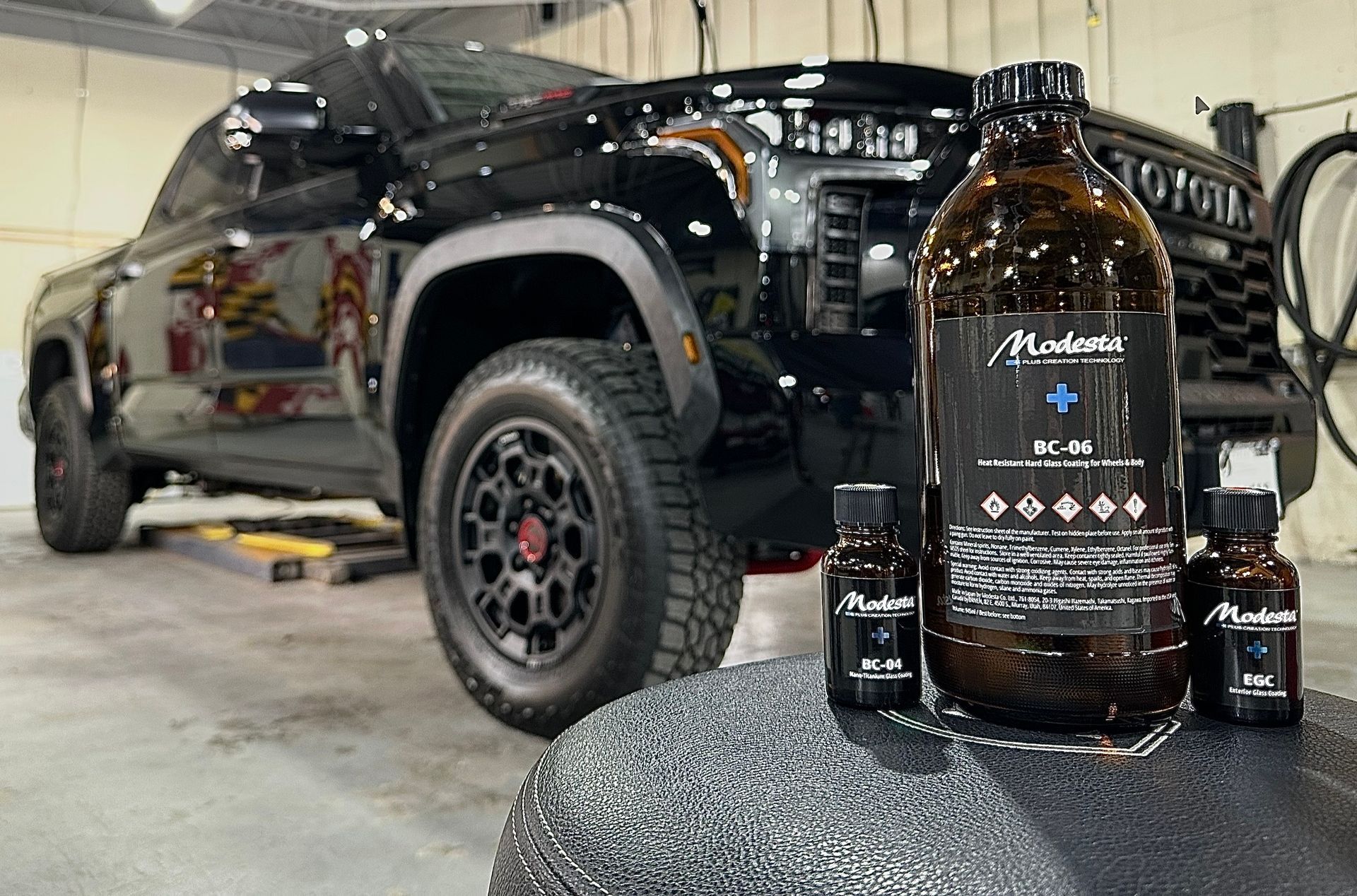
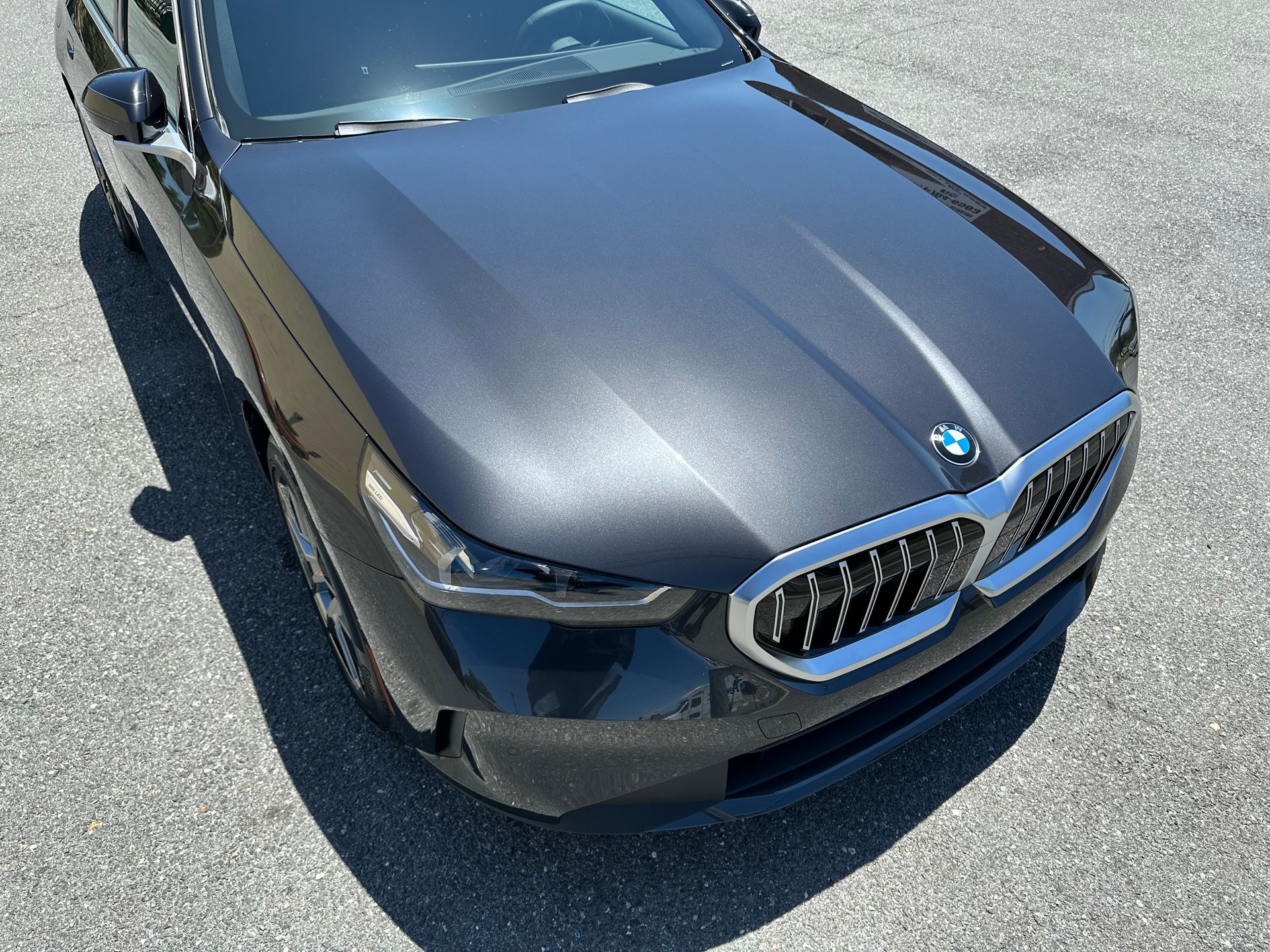
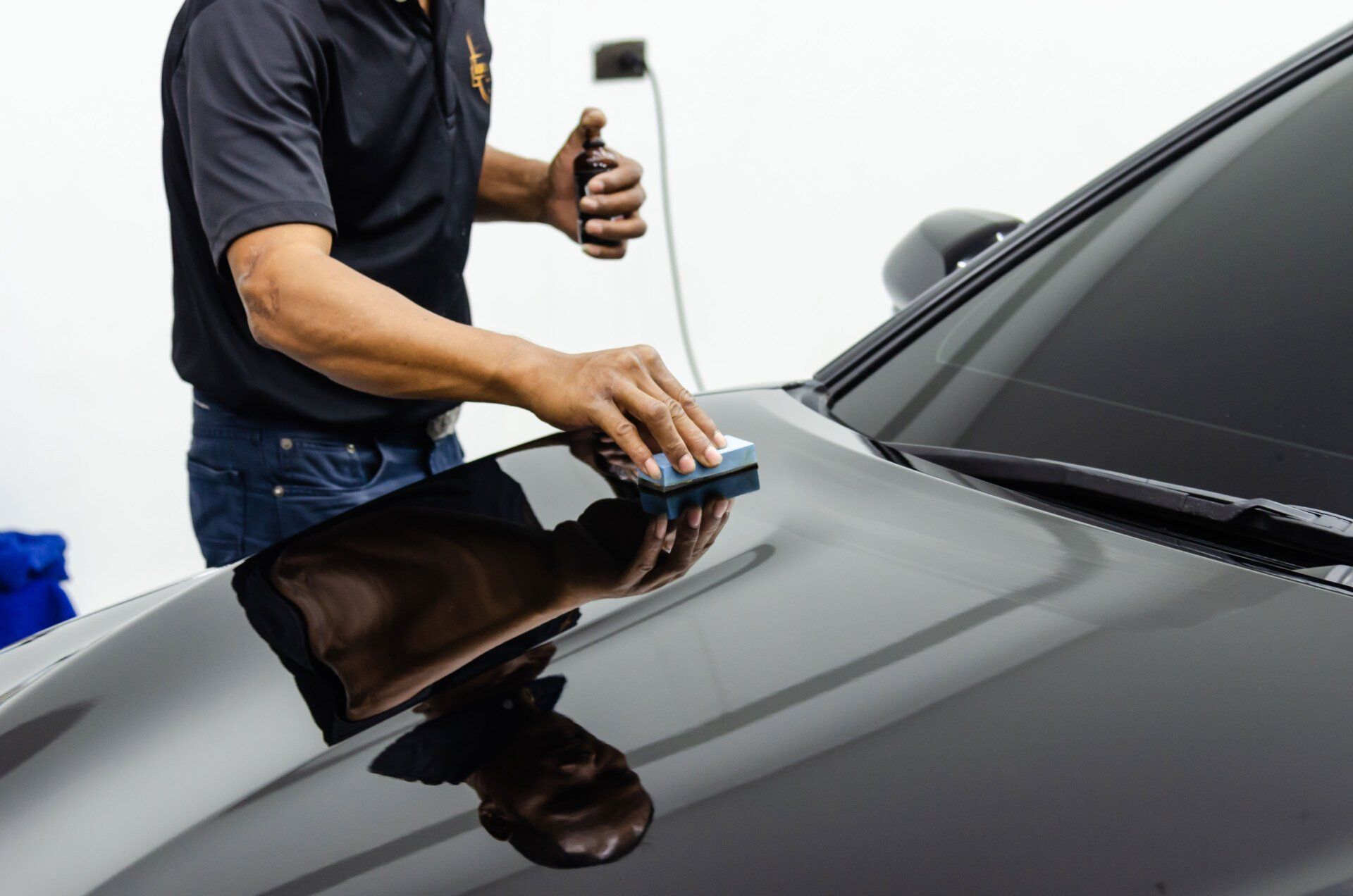
professionally applied ceramic coating is a great way to keep it looking new and clean. Ceramic coating is a special type of paint protection that provides a protective barrier on top of a vehicle’s paint job, protecting it from corrosion, UV rays caused by everyday wear and tear. Professional ceramic coatings are applied at a certified car detailing facility using high-quality products specifically designed for automotive use.
Whether you choose to do it yourself or go to a professional, there are pros and cons for each side. Some may argue that DIY ceramic coatings can be more cost effective, while others may argue that professionally applied coatings offer superior protection due to the experienced technicians and higher-grade products used. The debate between DIY and professional ceramic coatings really comes down to individual preference, as each option has its advantages and drawbacks.
Regardless of which route you decide to take when protecting your car's paintwork with ceramic coatings, there’s no denying the benefits associated with having a professional handle the job. If you want peace of mind knowing that your car is getting the best possible protection, then having it done by a certified professional is definitely the way to go. Plus, transitioning into the next section about the benefits of professional ceramic coatings will make it even easier for you to make an educated decision.
- Professionally applied ceramic coatings offer protection for about 3-5 years, while DIY ceramic coatings may last up to 1 year.
- Professional ceramic coatings offer superior gloss retention, chemical resistance, durability, UV resistance, and hydrophobic properties compared to DIY coatings.
- A professional car detailer can apply an additional layer of coating on top of a previously applied layer of DIY ceramic coating to offer enhanced protection.
Benefits of Professional Ceramic Coating
When it comes to ceramic coating, there are many benefits to choosing a professional application over DIY. Time and effort are the first benefits; professional installation of a protective ceramic coating will save you time and energy in comparison to trying to do it yourself.
A second major advantage of using a professional is the results. It is likely that when investing in a high-quality ceramic coating, you want optimum protection for your car. A professional will be able to ensure that your car is correctly treated with a precise application that will provide long-lasting protection. Professional applicators are also well equipped with advanced tools and techniques that may not be available to the average consumer.
Professional installers also have access to support after the job has been completed. They can provide advice on how to best maintain your ceramic coating so it remains in its best condition for as long as possible. This isn't something you would get if you chose to go down the DIY route, which could lead to costly repairs or replacements in the future.
Ultimately, the decision between taking on a DIY ceramic coating project or paying someone who does it professionally comes down to weighing up your personal preferences and budget constraints. However, when considering longevity, convenience, and precise results, it’s safe to say that professional installation offers more advantages than DIY options.
If you choose a professional option when applying ceramic coatings, then your car will be fully covered and protected from any potential damage for years, giving you peace of mind heading into the future. While putting this protection in place requires an initial investment of time and money, taking preventative measures now can mean big savings down the line. Now let's look at what DIY ceramic coatings can offer in terms of advantages and disadvantages.
What is DIY Ceramic Coating?
DIY ceramic coating is a do-it-yourself alternative to professional ceramic coating. Many times, a DIY ceramic coating will come in the form of a spray, liquid, or wax that you can use without the help of a professional. It's typically much more affordable than professional installation and can be found in most automotive stores.
Nevertheless, it's important to note the advantages and disadvantages when considering DIY vs. professional for your car. Some of the drawbacks to DIY ceramic coatings include a lack of durability, inconsistent coverage, and inexperience with proper application techniques, which could potentially lead to damage. They are also often unable to offer any warranty, like professional ceramic coatings. On the other hand, DIY offers a unique advantage when it comes to accessibility; anyone with basic knowledge and some free time can coat their vehicle without needing assistance from a specialist and without having to pay for expensive services.
Weighing these pros and cons is key when deciding between DIY and professional ceramic coating solutions in order to ensure that you get the best results from whichever route you ultimately take. We all want our vehicles to look their best no matter what, but it's about being prepared with the right knowledge when choosing between DIY and professional ceramic coating options.
Now that we've discussed DIY ceramic coating versus professional installation, it’s important to understand the materials and equipment necessary for successful application for those who choose the DIY route. Let’s explore this next in order to make sure we're able to put our tools and knowledge into practice.
Materials and Equipment for DIY application
When considering ceramic coating for one's car, it is important to assess the materials and equipment required for a DIY application. Those opting for a do-it-yourself route will require a range of supplies and tools for both the preparation process and coating application. As no two projects are ever the same, acquiring the necessary materials and equipment in their entirety can be an arduous task.
Compounding, polishing, pre-ceramic coating cleaning products, and surface protection items are all essential to successfully completing the process, depending on the condition of the vehicle prior to application. All of these items come with their own sets of instructions that must be followed precisely; failure to do so could result in poor results or damage to your car’s bodywork. Not to mention, if any mistakes are made during the process, sharpening or reworking tools may be necessary too. In addition, ample and appropriate space will be needed to do the job: either an inside garage or outdoors with weather protection.
The reality is that unless you are a proficient car detailer, undertaking a DIY ceramic coating project could end up being more expensive - both in terms of money invested and time required—than paying for a professional service provider like Maryland Auto Spa to do it right the first time. Furthermore, with professional coating services, customers can rely on high quality results due to the quality control protocols that ensure precision levels remain consistent throughout each project’s duration.
DIY ceramic coating projects can be undertaken if you possess the requisite knowledge or skills and review the manufacturer’s instructions thoroughly before beginning work. However, there is also a lot of merit in allowing skilled professionals like Maryland Auto Spa to handle the job in order to guarantee satisfactory outcomes without any unnecessary risks. And this brings us onto our next section: Maryland Auto Spa’s advanced professional ceramic coating service, which offers industry-leading longevity for your car's paintwork.
Maryland Auto Spa's Professional Ceramic Coating Service
Having discussed the costs, materials, and difficulty of applying a DIY ceramic coating to your car, it’s time to look at the professional approach. Maryland Auto Spa offers a professional ceramic coating service that can provide superior results and greater convenience compared to doing it yourself. For starters, Maryland Auto Spa’s experienced technicians have the skills and precision necessary to properly apply the ceramic coating. This ensures that every application is even and has no missed spots or gaps. Furthermore, due to their expertise and knowledge gained from working with different types of paint finishes and dirt or grime buildup, they can offer a more customized protective layer than when using an off-the-shelf product meant for everyone.
Quality control is another key advantage of using Maryland Auto Spas’ professional application process. Using the latest tools and equipment, they are able to guarantee that any surface protection will be applied with accuracy and care. No matter what type of car you bring in for their service, rest assured that each panel is inspected closely for any imperfections prior to application and that they use only the highest quality products available on the market.
In addition, having a certified technician work on your vehicle also ensures safety measures are met, since they are up to date with changing industry regulations. They understand exactly how long the product needs to cure and how much pressure should be applied during application, which eliminates any chances of damage or markings left behind by incorrect usage. By trusting Maryland Auto Spa with your vehicle, you can be sure that you're getting consistent, high quality results every time, which is why many customers choose their services over attempting DIY applications.
Finally, compared to attempting DIY ceramic coatings yourself, obtaining professional services from Maryland Auto Spa adds peace-of-mind as well as convenience, since all you have to do is drop your vehicle off for service and pick it up once it's done—all at a competitive price point. With these benefits considered, many car owners prefer leaving it in the hands of professionals like Maryland Auto Spa rather than attempting DIY methods themselves due to a lack of knowledge or equipment needed for proper application.
Comparing Costs of DIY vs. Professional Options
When it comes to protecting a vehicle’s paint in the best way, some may opt to save money and go the DIY route in ceramic coating application. While this can seem like a great option up front, it is important to be aware of the risks associated with incorrect application as well as the possible extra costs accrued in trying to ensure a good result. That being said, considering a professional ceramic coating service provider such as Maryland Auto Spa, it would at first appear to cost more than what a DIY product could offer. However, when comparing both options in more detail, the results and overall price speak for themselves.
The cost of purchasing a DIY home kit may be less initially than hiring an expert professional car detailer to apply a superior quality product. This cost, however, may not be all that is required in order for the job to be done correctly and safely. The whole process requires specialized knowledge and understanding of the surface preparation process leading up to the application of products, as well as durability test procedures once completed to ensure correct finalization. It also demands specialized equipment: not everyone has access to orbital machines or polishers, nor do they possess adequate knowledge of their use. For those who don’t have these supplies or skillsets already available, paying additional costs will be inevitable, which defeats the purpose of being economical in the first place. Furthermore, there’s no guarantee that the results achieved with DIY methods will be satisfactory due to inexperience, and the potential usage of lower-grade chemicals may lead to uneven coverage or longer-term discoloration down the track.
On the other side of the coin, Maryland Auto Spa proudly offers exceptional quality ceramic coatings for all kinds of vehicles, with years of professional expertise going behind each job to guarantee satisfaction. Their premium products coupled with trained technicians’ accurate and detailed attention are what makes them stand out from the rest of the pack, meaning clients needn’t worry about needing any follow-up services as our coatings remain glossy and durable for many years ahead without further action necessary, ultimately saving customers time (in addition to money!) over the long run.
Final Words
In conclusion, when considering whether a professional ceramic coating service or DIY is better for your car, a review and comparison of both needs to take more than just initial costs into account. Choosing Maryland Auto Spa means you are investing in superior quality materials as well as reaping benefits from trained technicians' extra precautions taken during application so that a perfect finish remains maintained for many kilometers ahead, ensuring value for money and a risk-free investment. Schedule an appointment with us today for our professional ceramic coating service!
Blog