If you've ever heard of "paint protection film" or "clear bra," then you'll already know it is a specialized coating with advanced capabilities to shield the paint on your vehicle. But what you're maybe wondering is: how long does it really last? You're in luck because Maryland Auto Spa is here to explain! As the experts in paint protection film in Maryland, Maryland Auto Spa has plenty of knowledge to impart on the topic, so without further ado, let's dive into how long paint protection film lasts.
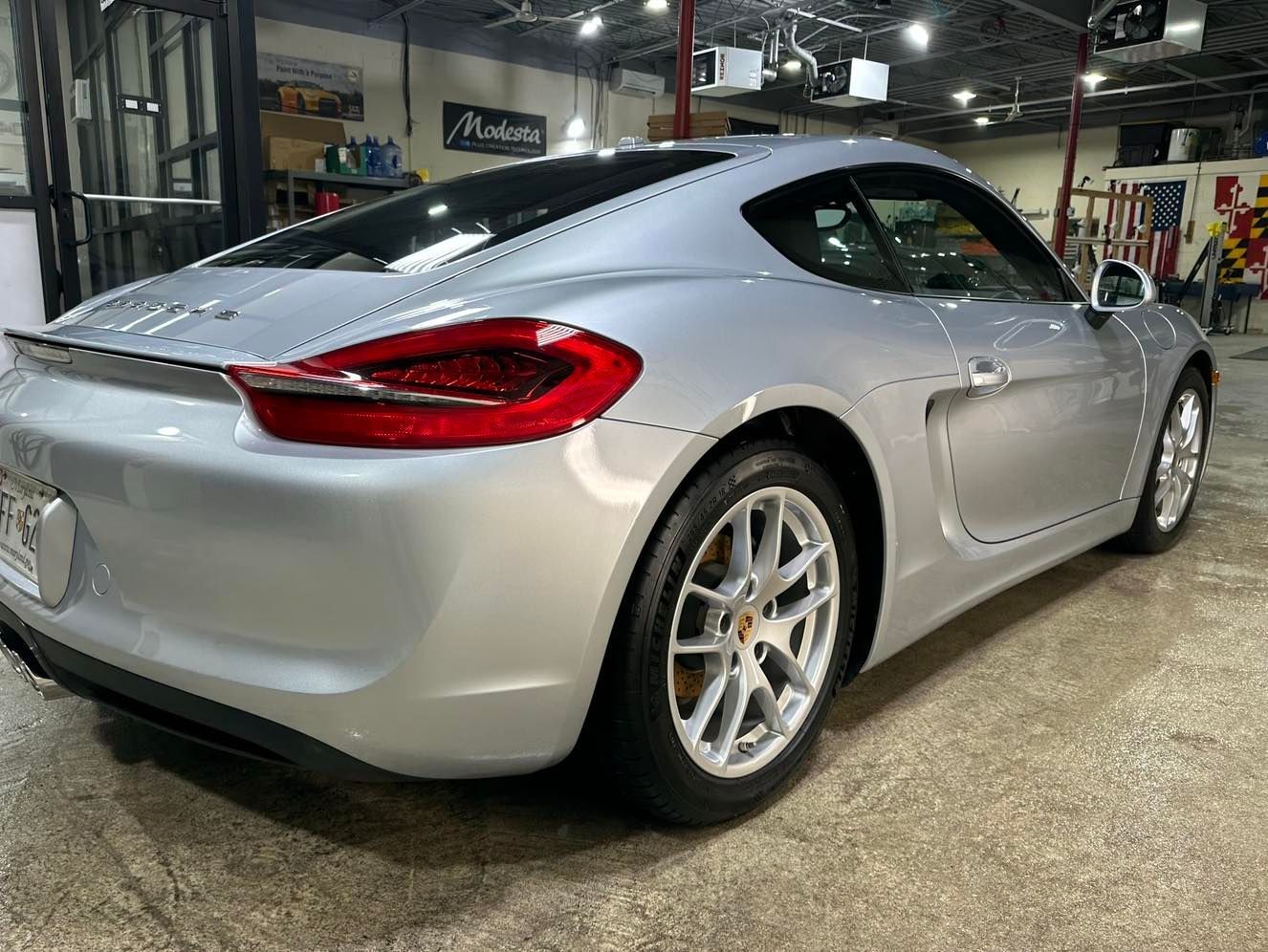
What is Paint Protection Film?
Paint Protection Film (PPF) is a thin, transparent film applied to the bodies of cars and other vehicles to protect their paint surfaces from scratches, dirt, rocks, and other environmental hazards that may cause damage. This self-healing film acts as an invisible shield that bonds directly to the paint of a car's exterior and provides protection against damage that inevitably occurs due to everyday driving. PPF is not only effective in protecting the exterior finish of cars and other vehicles but also offers a level of customization for drivers looking to make their vehicle stand out.
The debate surrounding PPF centers around whether or not it is really necessary for the majority of vehicle owners. On one hand, it can help preserve the shine and clarity of a car's paint finish for many years; on the other hand, it can be difficult to maintain in some climates where saltwater or harsh weather conditions are prevalent. There are examples where the use of PPF has prevented significant damage from hazardous road debris such as bits of rock or hail that would have otherwise caused dents or chips in unprotected paint surfaces. However, some experts suggest that those who experience mild climates may opt to go without this product since frequent washing and waxing can effectively protect their vehicle’s paint surface from most environmental elements.
Whichever side you take in this debate, there is no denying that paint protection film offers an all-in-one solution for any vehicle owner looking for lasting protection without any extra work or maintenance required. After much research, we have come to recognize it as one of the best methods available when it comes to preserving the look of a vehicle's exterior finish over a longer period of time. Now let us move on to what kinds of options are available if you decide that paint protection film is right for your vehicle.
Different Types of Paint Protection Film
Different types of paint protection film (PPF) range from basic films that cover your entire vehicle to custom-cut films that adhere only to the areas most vulnerable to scratches and chipping paint. The most popular type of PPF, clear bras, are designed to be virtually unnoticeable once installed. These films typically come in a variety of thicknesses and levels of durability. At Maryland Auto Spa, we offer both the thinnest grade PPF film for those who want the highest clarity all the way up to our highest-end grade film offering heat protection that's ideal for track days or regular performance driving.
Of course, the type of PPF you ultimately choose will depend on where your vehicle will be driven and what type of finish you desire. If you are an everyday driver, a basic clear bra may provide adequate protection. On the other hand, if you drive aggressively, you may need a higher grade film with better scratch and heat resistance. But remember: cost should also factor into your decision when it comes to PPF products, because higher grades can increase costs significantly.
When it comes to selecting paint protection film for your vehicle, take some time to review your options and consider the amount of protection needed. You’ll want to make sure that you are satisfied with the level of protection being provided before making any decisions, both about the product itself and when weighing price versus quality. With so many options on the market now, it’s easier than ever to find just the right solution for protecting your vehicle's paint — no matter how you use it or park it!
Now that you understand what paint protection film is and the different types available, you might still be wondering: how long does paint protection film last? To get an accurate assessment of how long paint protection films can last, let's examine what goes into their construction and what measures must be taken for them to remain at peak performance levels.
How Long Does Paint Protection Film Last?
When it comes to the longevity of paint protection films, opinions vary considerably. Some individuals believe that such films can last for years, while others maintain that the material wears down in only a few months or less. To further complicate matters, the lifespan of paint protection films can differ significantly depending on several factors, such as the type of film used and the amount of care provided by the car owner.
To determine an estimate of how long these films may last, one should look into the self-healing properties of the urethane film used in many paint protection applications. Since this material is designed to flex and adapt to any minor scratches or scuffs, many experts claim that it can withstand heavy use over several years. However, some individuals will testify that paint protection film tends to bubble and lift after only a few months or less, indicating a lack of flexibility or durability in the material. It is important to note that the performance of urethane films will depend greatly on their grade—better-quality films feature stronger resins and are thus more durable than their lower-grade counterparts.
Given this dichotomy of expert opinion and consumer testimony, it is safe to conclude that while some high-grade paint protection films have been known to outlast years of wear and tear, not all types or grades offer satisfactory longevity guarantees. When selecting an appropriate model for your vehicle, be sure to consider key factors about its durability in order to maximize its lifespan moving forward. The next section will delve into these elements so you can make an informed decision when protecting your car's finish.
Factors Affecting the Duration of the Film's Lifespan
Paint protection film's lifespan depends on several factors. The type of film used, the exposed environment, installation procedures, and care of the film can all impact the length and
benefit of the paint protection film.
Let us start with the type of film used. Different films have different levels of durability, weather resistance, and longevity. Cheaper films will not usually last as long as more expensive films. For vehicles used in harsher climates or conditions, such as cars that are subjected to saltwater or ocean air, a thicker and higher quality film might be necessary for better performance and longevity.
Likewise, for those living in dryer climates, a self-healing wrap may often be adequate and can be less expensive to replace should it degrade quicker than expected. Ultimately, one must carefully consider which type of film they would like installed based on their vehicle's usage, how long they expect to keep it, and climate/weather factors in their area.
Paint protection film does not only protect against minor cosmetic damage (such as rock chips) but also provides a barrier to harsh environmental contaminants such as UV rays from the sun, acid rain, and so forth. Therefore, if you expose your vehicle to constant sunshine or frequent acid rain, you may need additional layers of protection or a higher-quality film in order to extend its lifespan.
The installation process is yet another factor that should be considered when determining how long the paint protection film will last. Quality installation is paramount; an improperly installed PPF can lead to premature degradation and fading due to exposure to the elements. Proper installation, carried out by experienced technicians, can greatly improve the lifespan of your PPF.
Finally, regular maintenance (such as washing) and the use of appropriate cleaning products can also help extend the life of and benefit from paint protection films applied to your vehicle's exterior surfaces. Regular wiping down with a mild detergent solution followed by a drying step using microfiber cloths helps reduce dust buildup on the PPF surface as well as preventing streaks due to improper drying/cleaning methods.
When considering all these factors together, one can conclude that there is no definitive answer as to just "how long" paint protection films will last because many unknowns come into play when deciding on coating duration. However, by understanding each factor above and adapting accordingly, one can ensure your vehicle’s paintwork remains protected for longer periods of time. Now let's look at some tips for making sure that the paint protection film lasts even longer before needing to be replaced.
How to Ensure That the Paint Protection Film Last Longer?
Now that we have discussed the various factors that can affect the film’s lifespan, let’s move on to what you can do as a vehicle owner to ensure that the paint protection film lasts as long as it should. Perhaps the most important tip is to be proactive when it comes to maintenance. After installation, regularly inspect the condition of the film and address any problems before they become irreversible. Additionally, for best results, use cleaning agents designed specifically for protective films to avoid damaging or removing the coating. Furthermore, try to shield your car as much as possible from things like bird droppings, dirt, tree branches, and other potential hazards that could scratch or damage it.
When considering applying a paint protection film to your vehicle, make sure to research product quality as well as installation methodologies. Not all products are made the same, and certain types of films might offer better durability than others. As previously mentioned, ensure that the product chosen is resistant to UV rays and acid rain. Also, look for an experienced installer who possesses sound knowledge of different kinds of films in order to maximize their longevity. In many cases, if it is not installed correctly with high-quality materials, it will shorten its life expectancy.
By following these recommendations, you can help preserve your car’s original finish while keeping your paint protection film intact and making sure it provides optimal coverage for years to come.
What Should You Look for in a Quality Paint Protection Film?
When selecting a quality paint protection film (PPF), there are several factors to consider. The most important thing to look for is the ability of the PPF to act as a barrier against environmental elements like dirt, dust, and UV rays. To ensure that your vehicle is well-protected, you should look for PPF with high-quality construction materials that can stand up to these elements for years. Additionally, you should look for PPF with properties like flexibility and durability so that it can conform to the shape or size of your car. Flexibility ensures that the PPF will not crack or peel off over time due to regular driving conditions. Additionally, you should look for PPF brands with an industry-standard warranty of 5–10 years; this will give you peace of mind in case the PPF fails prematurely.
It is also important to evaluate the affordability of a quality brand. There is a debate about whether higher prices indicate a better quality product, but many consumers find that no matter what price they pay, their purchase does not last as long as expected. Therefore, you should focus on researching companies and products with positive reviews and proven track records of lasting PPF protection over many years. Furthermore, pay attention to any promotional deals offered by car dealerships and other vendors; these can help lower the cost while still getting decent performance out of the product.
Overall, evaluating different paint protection films requires research and some intelligent decision making before committing to any one brand or type of product. Keeping these considerations in mind will help ensure that you select a quality paint protection film that can last for years without compromising on cost or performance.
At Maryland Auto Spa, we bring out the brilliance of your ride. With our premium paint protection film, your vehicle's beauty will stand the test of time. Discover unrivaled protection and a showroom finish. Visit us today to learn more about our services and find out how long paint protection film can safeguard your investment. Drive with confidence, backed by Maryland Auto Spa's expertise!
Blog