It seems like there’s something new to worry about when it comes to taking care of your car. Between engine maintenance, fluid flushes, and tire rotations, it can be overwhelming to think about yet another task. But what if there was something you could do to help alleviate the headache that is auto care? That’s where ceramic coatings come in. But what does it protect against, and how does it help?
Maryland Auto Spa is here to break down the details!
Ceramic Coating
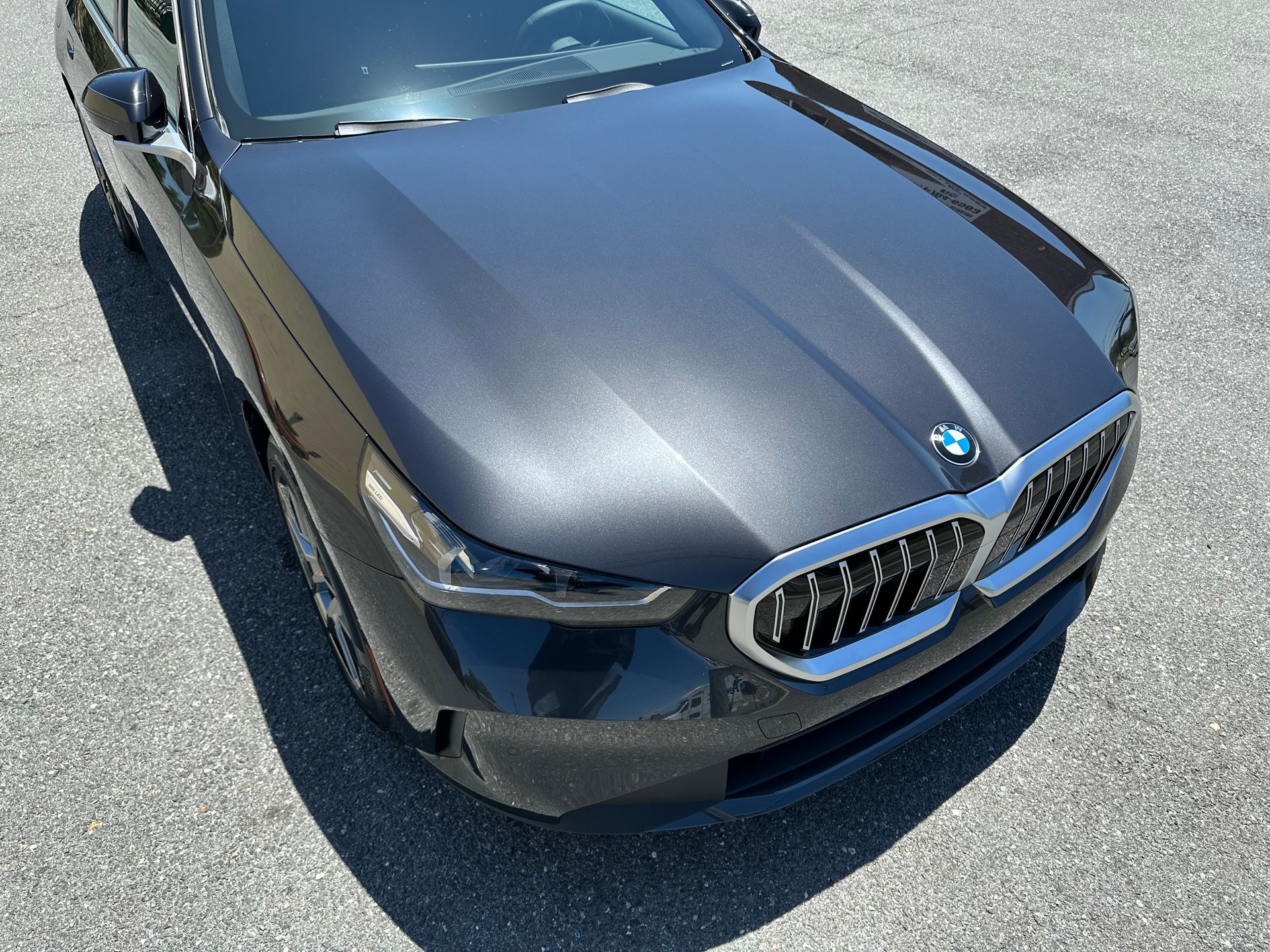
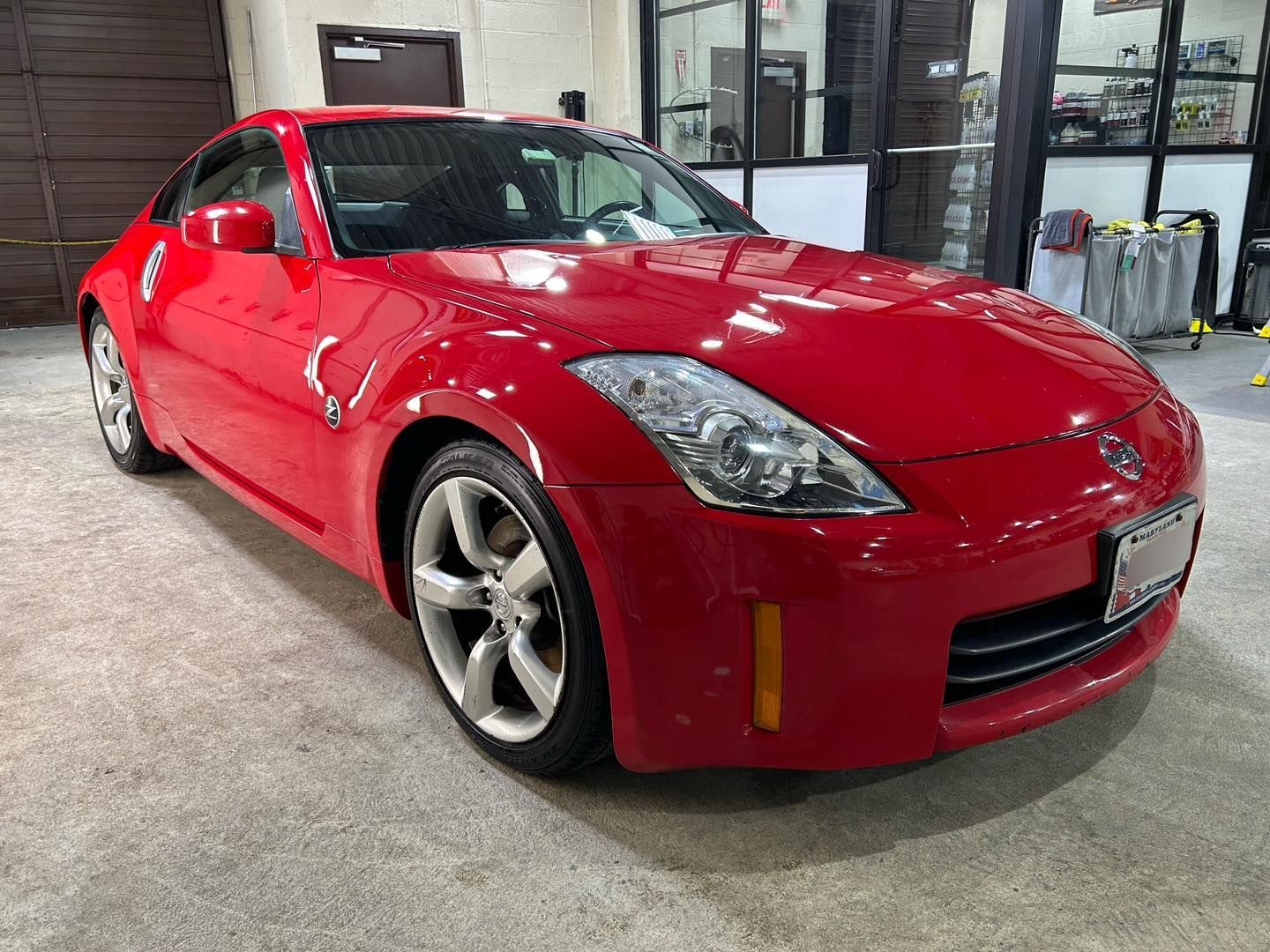
Ceramic coating is an automotive aftermarket solution that provides a protective layer for your vehicle. It consists of synthetic resins and fillers that are applied directly to the surface to form a strong barrier against minor abrasions, water, and other elements that may damage your car. The coating offers protection from the sun’s damaging UV rays as well. It also adds a high-gloss finish that can help restore the original look of your paint job while helping keep it in prime condition longer.
The debate surrounding the installation of ceramic coating on cars ranges from those advocating for the practice due to its durability and shine to those opposing it because of its cost and maintenance requirements. One positive point for ceramic coatings is that they prevent oxidation on metals, which helps preserve the life expectancy of vehicles. Additionally, ceramic coatings can make regular maintenance easier by preventing contaminants and pollutants from sticking to the vehicle surface. This means less time cleaning and more time on the road when it comes to keeping your ride in tip-top shape.
On the other hand, some skeptics contend that ceramic coatings are expensive and require specialized removal should you ever decide to apply a new paint job or switch back to waxing or polish treatments. Others point out that prolonged exposure to the sun might weaken the protection offered by ceramics, leaving you vulnerable to discoloration or breakdown of the coating itself over time.
Ultimately, whether or not you choose to apply a ceramic coating is up to you based on how much wear and tear your car's exterior endures each day and other factors like budgeting. But one thing remains certain: ceramic coatings provide superior protection against environmental elements when compared to typical waxes or polishes. With this knowledge in mind, let’s now focus on what these coatings protect against in greater detail.
What Does Ceramic Coating Protect Against?
Ceramic coatings provide your vehicle with a layer of protection from environmental and mechanical elements. Often, these coatings are applied as a liquid or wax-like product that fills in microscopic scratches and imperfections on the car’s body panels. Once the coating has been applied, it bonds to the surface, creating an armor-like outer barrier. This bond creates a top layer that acts like a shield, preventing dirt, debris, UV rays, and other contaminants from coming into direct contact with the factory paint job. The glossy finish also helps reduce the chances of fading due to natural elements like rain and direct sunlight.
While ceramic coating has many benefits, such as lasting for several years and adding further resistance to dirt compared to traditional waxes, there can be some drawbacks, like having to upkeep certain areas more frequently than others over time. Additionally, while it can protect against dirt and wear from regular washing sessions at home or professional power washes at the car wash; ceramic coating might not always help protect against deep gouges or abrasions in paintwork that could cause serious lasting damage if tackled carelessly.
This discussion of what ceramic coating protects against leads us to the importance of understanding which environmental elements can potentially harm your vehicle’s appearance. Understanding these elements is key to determining which type of protective covering best suits you and your car's needs. - we'll explore this topic more in depth soon!
Environmental Elements
When it comes to environmental elements, ceramic coatings provide an extra layer of protection from the weather. While regular waxing and polishing offer a short-term solution to weather-induced damage, the benefits of using a ceramic coating extend over a much longer period of time. In fact, one advantage of using a ceramic coating is that it chemically bonds with the paint on your vehicle, which creates an additional barrier of protection against abrasive particles caused by wind or debris. Ceramic coating also adds structural support and integrity to your car’s surface, which can help reduce the risk of corrosion and rust caused by certain environments. However, it’s important to note that while ceramic coatings can protect against these elements, they won’t prevent damage completely. Over time, natural wear and tear will inevitably cause some form of discoloration or damage to your car’s paint.
That said, the good news is that many ceramic coatings come with long-term warranties and guarantees, which can help you offset potential damages due to environmental factors. Therefore, you may be able to reap the benefits of reduced maintenance costs while protecting your car’s finish for years to come.
These advantages make ceramic coatings a great option for those looking for more long-term solutions for their vehicles. And while it may offer some protection against environmental elements such as wind, debris, and corrosion, it can’t protect your car from all sources of potential damage. With that being said, let's explore how ceramic coatings can protect against sun and weather damage in greater detail.
- Ceramic coating is designed to protect the paint against environmental contaminants such as bird droppings, road tar, and even UV rays.
- Studies have proven that ceramic coatings create a much harder finish on the vehicle’s exterior than traditional waxes or sealants.
- Tests conducted by the Environmental Protection Agency (EPA) in North America found that vehicles with ceramic coatings are 98.86% effective at blocking ultraviolet radiation.
Sun and Weather Damage
Having a clear coat of ceramic coating on your vehicle can protect it against the harsh environmental elements that are exposed to it throughout the day. One example of this is sun and weather damage. Ceramic coatings provide excellent UV protection as well as some resistance to fading, oxidation, and other dangerous elements. The ceramic coating acts as an additional protective barrier to the paintwork, withstanding extreme temperatures and humidity. It will also aid in preventing paint chipping due to ice or hail, successfully protecting exposed areas of the car from weather damage.
Ceramic coatings can also help reduce swirls and scratches from everyday washing activities, such as drying off your car after a rain shower. While many would say that too much direct exposure to sunlight and certain weather conditions can cause discoloration and fading of the paint, evidence has been shown that ceramic coating does indeed help protect against those types of damages.
So you can rest assured knowing you have protected your vehicle from the wind, sun, rain, snow, and any other weather element it may be exposed to on its daily commute.
With these advanced technologies in place on your car, maybe now is also a good time to start thinking about some other potential damages your car can be exposed to. This could be anything from corrosion to acidic dirt, which we'll get more into shortly.
Corrosion and Acidic Dirt
When it comes to protecting your vehicle, protection against corrosion and acidic dirt is just as important as sun and weather damage. Corrosion of automobile components can take place from common sources such as salt water, environmental pollution, and other sources, including acidic household cleaners, which can come into contact with the surface of the car.
A vehicle's paint job can also suffer from dangerous chemicals that have been accidentally spilled or simply left on the vehicle. The corrosive agents in these substances, such as acids and salts, can cause the clear coat layer of a vehicle's paint to weaken over time, resulting in faded paint and eventual corrosion.
When fully cured, the ceramic coating acts as a barrier between your vehicle's paintwork and these corrosive substances. In the curing process, ceramic coating submersion will significantly increase the overall durability of the protective coating while also creating a more glossy finish that also serves to protect from oxidation caused by UV rays.
These advantages leave your car looking showroom-new and provide an invaluable degree of UV and acid resistance. Although there are other solutions to guard cars against corroding agents, nothing beats a deep seal of ceramic coating to provide full coverage for your car’s valuable component parts.
It's important to understand how essential it is to protect your vehicle's finish by implementing both preventative measures such as regularly washing your car and the final step of applying a high-quality ceramic coating that leaves your car safe from any potential corrosive elements that may be encountered. This way, you can ensure that your car will look great not only now but for years to come.
The benefits presented by ceramic coating when it comes to corrosion prevention are plentiful; its ability to “bond” with surfaces makes it ideal for long-term protection from exposure to disruptive acids or any hostile substances aimed at damaging the paintwork of a vehicle cannot be overlooked. With this knowledge, it is now necessary to ask ourselves: which vehicles are most likely going to benefit from a ceramic coating? This question will be explored further in the next section…
What Vehicles Can Benefit From Ceramic Coating?
Ceramic coatings can offer excellent protection on a variety of vehicles. Any car, truck, van, SUV, off-roader, or luxury automobile is a candidate for ceramic coating. Given the durability and strength of ceramic coatings, they can be used to protect even the most resistant surfaces from things like corrosion and acidic dirt. In addition, protective coatings such as ceramics don't damage car paint but actually help it retain its overall luster and beauty over time. That means cars that have been constantly exposed to harsh elements won’t fade out over a period of time.
The application process of the ceramic coatings must be done correctly to ensure the paint job is completed without issue. Automobile owners should take the necessary steps to make sure their car paint is perfectly prepped by properly cleaning the surface before application in order to be able to achieve optimal results. This can also mean bringing in professionals like Maryland Auto Spa who understand how to properly apply ceramic coatings for optimum levels of protection.
If you're looking for comprehensive protection against elements like corrosion and acidic dirt while also maintaining your vehicle's overall aesthetics, a ceramic coating may be a good option for you. However, it's important to remember that proper application procedures should always be followed for the best results. With Maryland Auto Spa's experienced team ready to work with any type of vehicle, you can rest assured that your car will receive superior protection while keeping it looking great for years down the line. Now that we've discussed what vehicles can benefit from ceramic coatings and how they can guard against elements like corrosion and acidic dirt, let's move on to learn how Maryland Auto Spa achieves optimal results with ceramic coatings.
How Does Maryland Auto Spa Achieve Optimal Results?
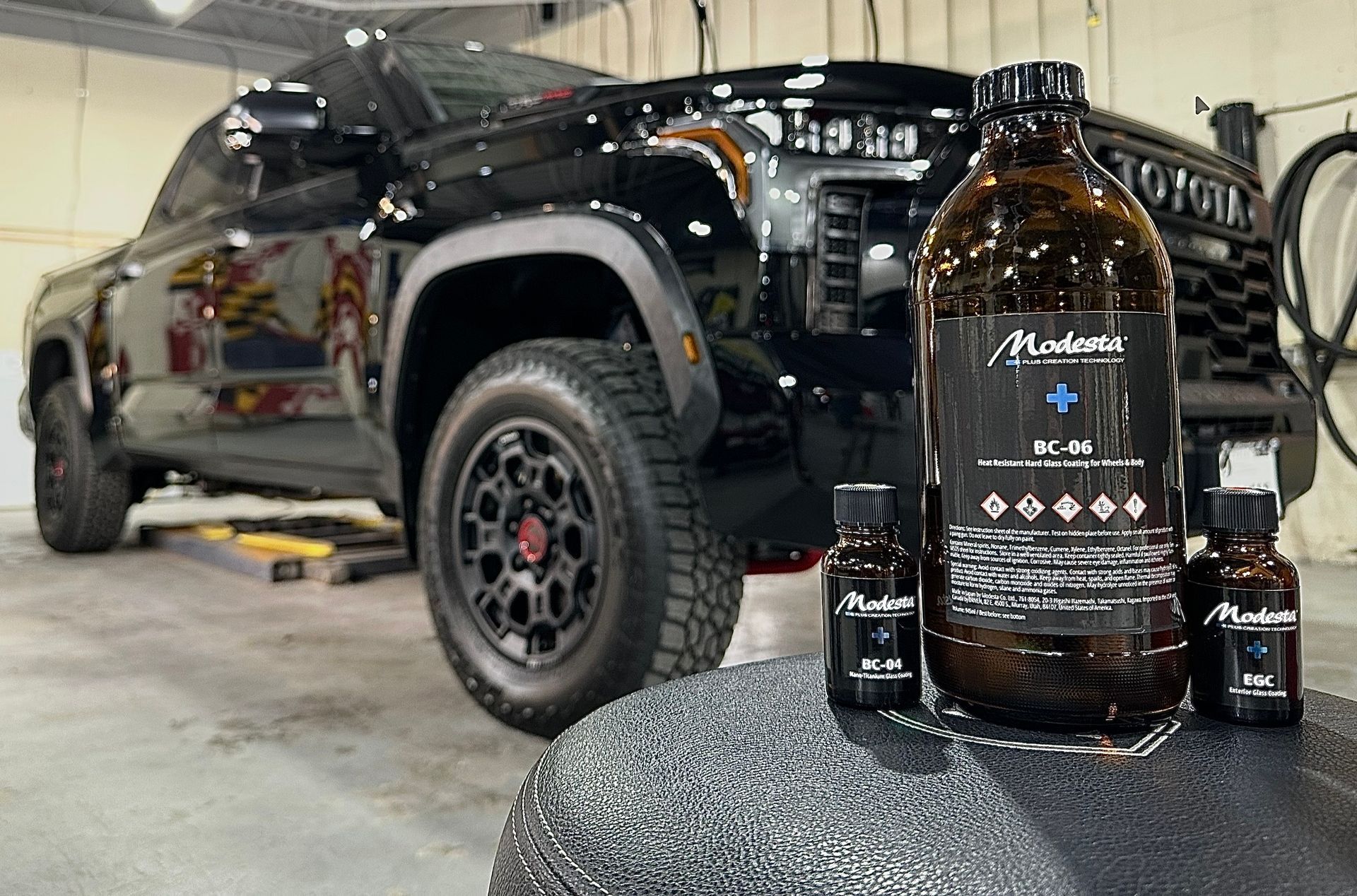
At Maryland Auto Spa, we strive to achieve optimal results when it comes to ceramic coating protection for vehicles. We use the latest technology and top-of-the-line products to ensure that our clients receive the best possible service. Our combination of hand-washing and precise application of ceramic coating helps to ensure that all cars are fully protected from environmental elements and UV rays. In addition, our team regularly inspects all vehicles before and after each job to guarantee that the highest level of quality is achieved.
Maryland Auto Spa’s unique process involves a combination of hand washing and machine polishing, which allows us to reach those really hard-to-clean areas while avoiding any potential damage that machine polishing can cause, such as paint swirls. This ensures that the vehicle’s paintwork is in perfect condition prior to applying the ceramic coating, making it look glossy and brand new again.
When it comes down to debating both sides of the argument, there are some detractors who believe that this kind of protection is unnecessary due to its high cost, but we disagree, strongly emphasizing that although it does come with a higher upfront cost, it offers long term protection that preserves the value of your car. Here at Maryland Auto Spa, we have seen many customers return years after having their car protected with ceramic coatings and have noticed their car still looks as good as day 1. This proves worthwhile when compared with the cost associated with repairs for unprotected cars due to damages caused by weather such as UV rays and bird droppings, which tend to be more expensive than the upfront costs.
In conclusion, at Maryland Auto Spa, we are committed to providing quality workmanship combined with awesome customer service in order to achieve optimal results for any vehicle needing ceramic coating protection. We carefully select only the very best products available on the market, and our experienced staff works tirelessly to make sure your vehicle looks new for years to come.
Schedule an appointment with us today to learn more about ceramic coating!
Blog