Imagine your luxury car, currently adored for its gleaming aesthetics and slick, shiny exterior, tragically succumbing to an unlucky key scratch or two. Would you just live with it, accepting the ill-fated scars of reality? Or would you fight back to restore its former pristine glory? Here at Maryland Auto Spa, we often get asked if paint correction can indeed fix those unwelcome scratches. Buckle up and let us guide you as we cruise down the road of knowledge, exploring the intricacies of paint correction and how it could be your vehicle's knight in shining armor!
What Does Paint Correction Do?
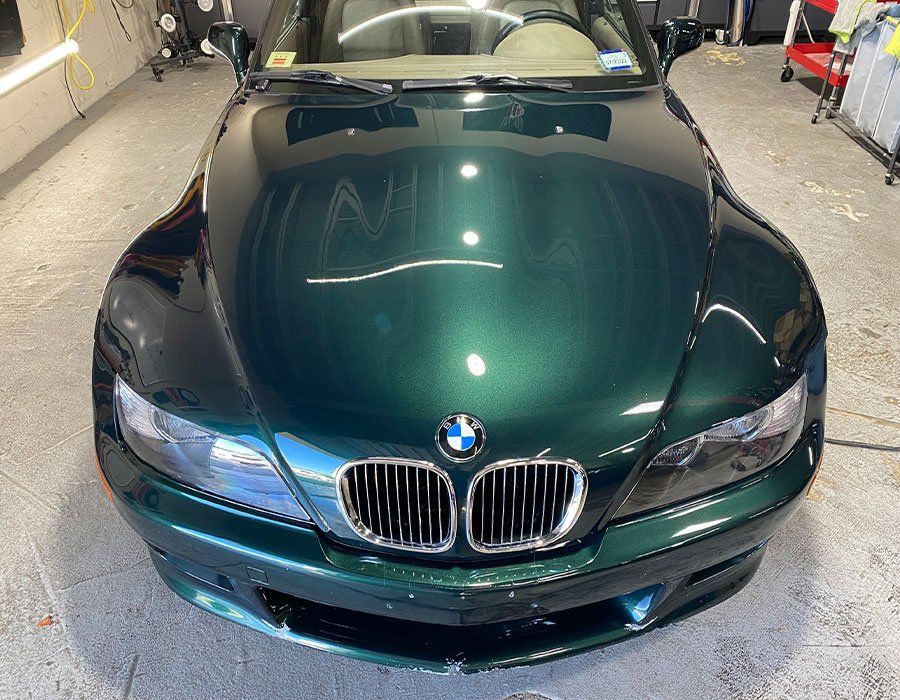
Paint correction is a term used in auto detailing that refers to the process of restoring and rejuvenating the paintwork on a car's exterior. The ultimate goal is to remove any imperfections present on the surface, such as light scratches, swirl marks, water spots, or oxidation, so that the paint appears as if it just came out of the factory. To achieve this, expert auto technicians use a variety of methods and equipment to buff out the blemishes and create a smooth, uniform finish.
To put it simply, paint correction removes a thin layer of clear coat from your vehicle's paint while taking care not to cause any further damage. This process reveals fresh layers underneath that have not been affected by external factors and are free from blemishes. Accordingly, this brings out an even color pattern that reflects light exactly how it was intended.
However, as with most things, there are limitations to what can be achieved through paint correction; this is where knowing what can and cannot be fixed with paint correction is essential. Minor scratches and swirl marks are well within the scope of this service to effectively address. It can restore your vehicle back to its original shine with no visible blemishes. But if the scratch extends too deeply onto the primer layer or into the metal frame below, only then will re-painting become necessary.
It is also important to note that this process takes time. The matter of time limits the availability of some services, such as quick detailing offered by some shops. A truly professional-grade result requires patience, skill, and attention to detail. Attempts to rush paint correction could result in further damage.
With a better understanding of what paint correction is and how it works, let’s move on to discussing the role it plays in repairing scratches on your vehicle's paint surface.
- According to the International Detailing Association, professional paint correction services can typically remove around 90%–100% of clear coat scratches.
- A 2020 industry report highlighted that approximately 75% of customers surveyed reported significant improvement in their vehicle's appearance after a paint correction service like that offered by Maryland Auto Spa.
- The same report found that ceramic coatings, used by the likes of Maryland Auto Spa, provided an additional layer of protection against environmental factors, reducing the probability of new scratches by up to 50%, depending on the circumstances.
Role in Fixing Scratches
One of the most common reasons that people visit professional automobile detailers for their paint correction service is to fix light to moderate scratches. Whether the scratches are minor or moderate, they are an eyesore and can lower your car's value over time if not addressed.
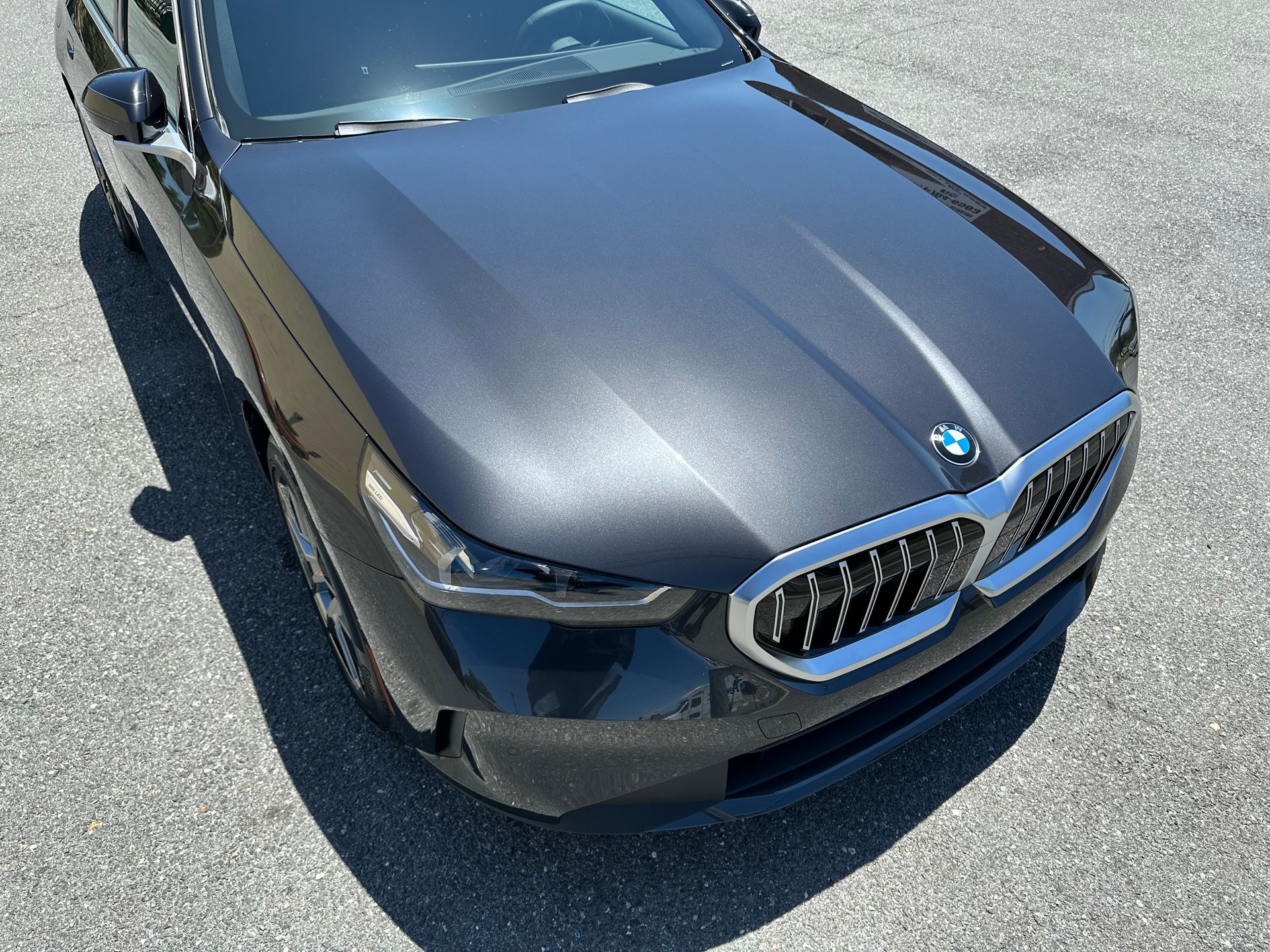
Paint Correction is an effective method for removing light to moderate scratches on the top layer of paint caused by debris such as rocks, sand, pebbles, etc. It also addresses fine swirl marks that result from washing with abrasive materials such as sponges and brushes. When carefully done by a skilled technician, this process can restore your car's finish to its original luster.
Some deep scratches, however, may be beyond the scope of paint correction and dent removal. In such cases, a qualified auto body repair facility or a body shop should take care of these problems instead.
There are also many DIY paint correction kits available online; however, one must exercise caution when using these products since they're often difficult to use effectively without prior expertise and involve some level of risk of permanent damage to your clear coat or paint job.
Consider covering up a scratch with tape. While tape offers temporary coverage with minimal effort, it does not address the root cause of the issue nor bring back a pristine finish like Paint Correction does.
Now that we have gone over the primary factors in play during Paint Correction for damaged cars, let us delve into Maryland Auto Spa's Paint Correction process and how they deliver exemplary results.
Maryland Auto Spa's Paint Correction Process
When a vehicle comes to
Maryland Auto Spa for paint correction, our team of professionals conducts a thorough assessment of the car's surface by analyzing its condition and determining the extent of the damage. Once we identify the scratches or defects in the paint, we use specialized equipment and techniques to perform paint correction.
At Maryland Auto Spa, we take pride in our step-by-step approach to transforming scratched and damaged paint into a smooth and beautiful finish. Our experts employ specialized tools and methods that allow us to remove even the most stubborn blemishes from your car's surface. Our primary goal is to ensure your satisfaction with our work and provide you with long-lasting, top-notch results.
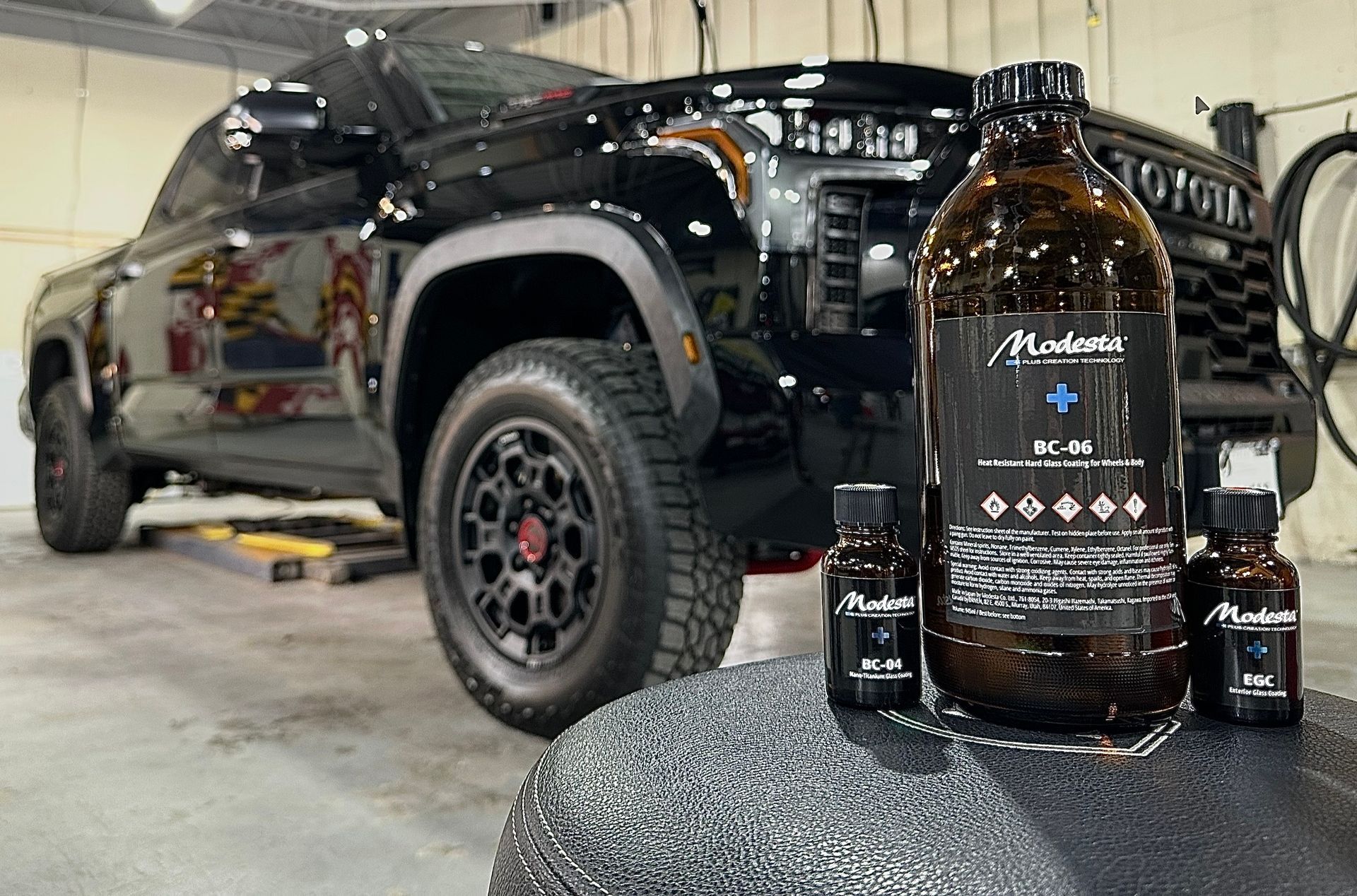
At Maryland Auto Spa, we use only high-quality products from reputable manufacturers when performing paint correction services. We do so because these products provide superior outcomes compared to generic brands that do not have similar formulations or precise application methods. With expert care from our professionals and advanced materials, your vehicle's finish will look better than ever before.
Some people might argue that DIY paint correction kits are an excellent option since they are more affordable than professional services. However, it is worth considering that DIY kits may cause additional harm if used incorrectly, which is almost always the case for someone who has no experience with them! It's always more effective when trained professionals do the job to make sure that your vehicle maintains its value and appearance.
Our team has years of experience, training, and attention to detail that ensures we can restore your car’s finish to showroom-quality levels.
Now let's dive into Maryland Auto Spa's paint correction process in further detail by discussing the initial assessment and sanding process.
Initial Assessment and Sanding
The first stage of Maryland Auto Spa's paint correction process is an initial assessment that includes identifying defects, analyzing the severity of paint issues, and developing a plan for repair. Once our evaluation is complete, our professionals start sanding down the scratched areas.
Many different grits of sandpaper are available for paint correction. We use the finest possible paper first, which ranges from 2000 to 3000 grits. This step prepares your car's surface for the next phase by removing any rust or contaminated areas from past repairs, as well as some unwanted paint layers.
Once we have removed those layers, we will then transition to using smoother abrasives like 4000–5000-grit sandpaper when dealing with deeper scratches. Typically, at this point, the goal is to remove all scratches or blemishes without over-sanding and causing damage to surrounding areas by having expertly-trained staff who can assess when scratches are correctly removed.
Suppose you are worried about damage from a specific scratch on your car's surface. Don't worry because our experts have sufficient knowledge and experience using specialized tools such as dual-action polishers and buffing wheels that won't leave any further damage!
It might be tempting' to skip straight to filling in scratches with touch-up paint rather than sanding them beforehand. However, by neglecting the sanding phase, you run the risk of making the blemish more apparent as a bump while not taking care of its underlying cause. Sanding helps our professionals create a smooth surface free from any bumps or ridges that could stand out after repair.
Some people may imagine that the sandpaper used in this stage will remove too much paint or harm the car's finish. But we use specialized knowledge, materials, and techniques to prevent such issues from occurring. When done skillfully, sanding can safely erase swirls and scratches in preparation for the next stages of our paint correction service.
Maryland Auto Spa uses genuine care and skill to return your car's surface to its formerly smooth and appealing appearance.
Primer Application and Paint Touch-Up
Once the initial assessment is done and sanding has been completed, the next step in the paint correction process at Maryland Auto Spa involves primer application and paint touch-up. This step ensures that the paint job on your car looks as good as new.
At Maryland Auto Spa, we use a range of top-quality materials for our paint correction services. Our primer application helps to fill in scratches or dents, while our paint touch-up brings in a seamless finish. With years of experience behind us, our team uses tried-and-true techniques to ensure an expertly done job every time.
To give you an idea of how this works, think about a piece of paper with a scratch on it. If you apply some pen ink over that scratch without any foundation, the ink simply sits on the surface. When you run your finger over it, you can still feel the scratch underneath. However, if you fill in that scratch with white-out or putty before applying ink to it, then the ink will blend right in with the paper. The same principle applies to primer and touch-up paint when correcting scratches on your car's surface.
Some owners may be tempted to buy a can of spray-paint from their local hardware store and take matters into their own hands. However, DIY solutions are not advisable when dealing with auto detailing tasks like painting or repairing scratches. We have seen many instances where well-intentioned customers try DIY repairs only to end up making things worse by applying mismatched colors or primer incorrectly.
Insight into Professional Equipment and Materials Utilized by Maryland Auto Spa
At Maryland Auto Spa, we pride ourselves on utilizing the latest equipment and materials available on the market. We understand that using high-quality materials and equipment is essential for achieving lasting results in paint correction and scratch repair services. Our team of professionals is experienced and highly skilled in using these tools to deliver exceptional service to our clients.
We also use state-of-the-art paint thickness gauges to determine the extent of damage on the car's surface before we begin the correction process. These gauges accurately measure the thickness of paint applied to your car, revealing areas where there may be too little or excess paint, leading to scratches and marks on your car's surface.
Special Tools for Scratch Repair and Paint Correction
At Maryland Auto Spa, we understand that no two vehicles are alike; therefore, we have equipped ourselves with a vast array of specialty tools to ensure successful scratch repair and paint correction. These tools have been handpicked by our team of experts to deliver outstanding results when it comes to car detailing.
One of the unique tools we use is sandpaper with a low grit count. This type of sandpaper efficiently removes scratches, paint transfer, and other superficial damage from your vehicle's surface in a matter of minutes without damaging the overall paint job. In addition, our specialists are trained to use this specialized tool with precision so that no further damage is caused to your car's surface.
Another tool that is crucial for scratch repair is the spray gun. Our team uses these guns for precise color matching as well as primer application. Furthermore, the spray gun delivers an even coating, which ensures the original look of your vehicle remains intact after correction services.
Some may believe that using a simple brush or cloth for touch-ups can fix scratches easily, but in reality, it could result in more damage under poor lighting conditions. There is no denying that attention to detail matters, and at Maryland Auto Spa, we strive for perfection with every service we provide.
Overall, at Maryland Auto Spa, we believe quality materials, specialized equipment, and an experienced team are essential ingredients in delivering exceptional scratch repair and paint correction services to our clients.
Quality of Materials Used for Lasting Results
One of the reasons why Maryland Auto Spa is a leading provider of paint correction services is the quality of the materials used in their process. The company prides itself on using only the best equipment and supplies, ensuring that their clients receive results that are not only stunning but long-lasting.
For instance, Maryland Auto Spa uses high-quality polishing compounds that can remove scratches without damaging the clear coat. This means that the corrected paint will be as durable as it was before the scratches were made. By using premium materials like these, Maryland Auto Spa can achieve excellent results without compromising on the longevity of the paint finish.
Another example of our dedication involves the use of top-of-the-line paint protection films. These are specifically designed to protect vehicles from damage caused by rocks, debris, and other hazards on the road. Paint protection films are preferred over traditional methods because they offer superior protection against wear and tear while ensuring a scratch-free finish for an extended period.
Professional-grade equipment and top quality compounds cannot be substituted with over-the-counter items for several reasons. While wax-based items provide short-term finishes, professional-grade products can sustain surfaces’ shine for extended periods without regular applications.
At Maryland Auto Spa, we invest in top-of-the-line tools and utilize only the highest quality materials in our paint correction process. They are committed to delivering long-lasting results that satisfy each client. With such strong commitments, it's no wonder Maryland Auto Spa is a trusted name in vehicle detailing.
With that in mind, it's clear why Maryland Auto Spa is the best choice for your paint correction needs.
Reasons to Choose Maryland Auto Spa for Paint Correction
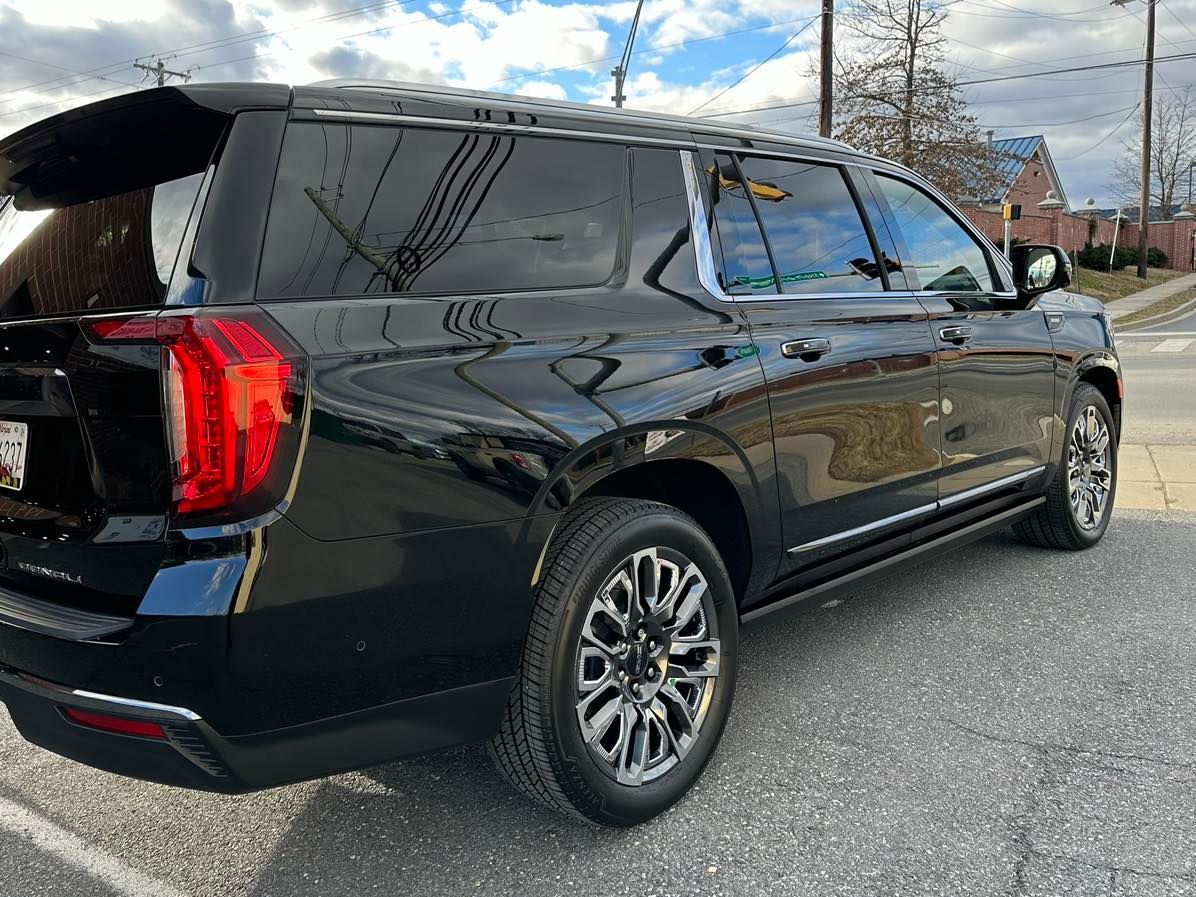
There are plenty of reasons why Maryland Auto Spa stands out among auto detailing services when it comes to paint correction. Here are just a few:
- Experience and Expertise:
At Maryland Auto Spa, we have years of experience and numerous certifications in ceramic coating formulas and auto detailing products. Our dedicated team of experts is well-versed in a variety of car models and types. We are committed to providing excellent customer service, and our comprehensive exterior and interior automotive detailing packages reflect that commitment.
- Quality Products: Would you rather use an off-brand detergent on your clothes or splurge for a high-end laundry soap? When it comes to detailing your car, quality products make all the difference. Maryland Auto Spa uses only top-of-the-line materials from industry-leading manufacturers to ensure long-lasting results. It's like investing in designer clothing versus fast fashion; the former lasts longer and provides better value.
- Professional Results: While DIY solutions may seem appealing at first, they often lead to unsatisfactory results that can quickly turn into costly repairs. At Maryland Auto Spa, we know how important your car is to you, which is why we take detailed care with every project we undertake. Our goal is to restore your vehicle's appearance to its previous glory.
- Support for a Good Cause: At Maryland Auto Spa, we're more than just an auto detailing company - we're also dedicated community members. We donate a portion of our proceeds from one of our detailing packages to Driven To Cure, a non-profit organization that seeks a cure for rare kidney cancers in young children. By choosing to work with us, you're not only investing in your car, but you're also investing in a good cause.
When it comes to auto detailing and paint correction, trust Maryland Auto Spa to provide top-notch services. With our team's expertise, quality products, professional results, and support for a good cause, we stand out among the competition.
Visit our website or call us now to
schedule your paint correction service at Maryland Auto Spa. Restore your car's beauty and protect its value with our expert team and top-notch materials. Don't wait - book your appointment today and experience the Maryland Auto Spa difference!
Blog