Why Regular Detailing is Important for Fleet Vehicles: Enhancing Cleanliness and Value
SCHEDULE ONLINE GET A FREE ESTIMATEWhen it comes to fleet management, cleaning may not be the first thing that comes to mind. Regular detailing is more than just a vanity project; it plays a crucial role in keeping your vehicles functioning well and looking sharp. A clean fleet not only enhances your company’s image but also helps extend the life of your vehicles and keep drivers safe on the road. By staying on top of detailing, you can save money in the long run and ensure that your team takes pride in their work environment.
Regular detailing for fleet vehicles is essential as it enhances the company image, extends the lifespan of the vehicles through proactive care, and promotes safety by maintaining visibility and cleanliness. Additionally, routine maintenance helps catch minor issues before they escalate into costly repairs.
Benefits of Regular Detailing for Fleets
Regular detailing is essential in maximizing the overall longevity, performance, and safety of fleet vehicles. One significant benefit is enhanced brand image. A clean fleet reflects a professional and reliable business ethos. This is especially critical for businesses in competitive fields like delivery services or corporate transport; when first impressions count, well-maintained vehicles can be pivotal in building trust with clients and encouraging repeat business.
Moving on, there's an undeniable aspect of preventative care that comes with regular detailing. It isn’t just about keeping things looking sharp; it's a proactive approach to maintenance. Cleaning consistently helps to expose minor issues. Spotting these minor blemishes early allows you to take corrective action before they develop into larger headaches, such as rust formation due to paint chips. In fact, preventing rust can spare your fleet from hefty repair bills in the future.
Another often overlooked benefit of maintaining a clean fleet is how it can improve driver morale. A vehicle that's clean and inviting fosters pride among drivers. When employees feel positive about their workspace—even if it’s on wheels—they're likely to invest more care into its upkeep. This pride naturally leads to job satisfaction; a happy employee typically provides better service.
Moreover, there’s also a financial incentive tied to routine detailing. Maintaining the aesthetic value of your fleet not only prevents minor damages from escalating but also significantly preserves resale value. Consistent care takes neglected vehicles and showcases them at 20–30% higher resale values compared to those left untouched over time.
By focusing on cleanliness and preventative measures, you can enhance the overall functionality and appearance of your fleet, leading seamlessly to considerations regarding how to uphold this standard effectively.

Maintaining Vehicle Appearance and Value
A well-maintained fleet gives off an image of professionalism and reliability. It is not just about making a good first impression; it also has financial implications, as better-looking vehicles tend to attract better offers when it comes time to sell them.
Paint Correction and Ceramic Coatings
One vital aspect of maintaining your fleet's exterior is paint correction. Over time, vehicles pick up swirls and scratches—those little marks that can accumulate after months of use.
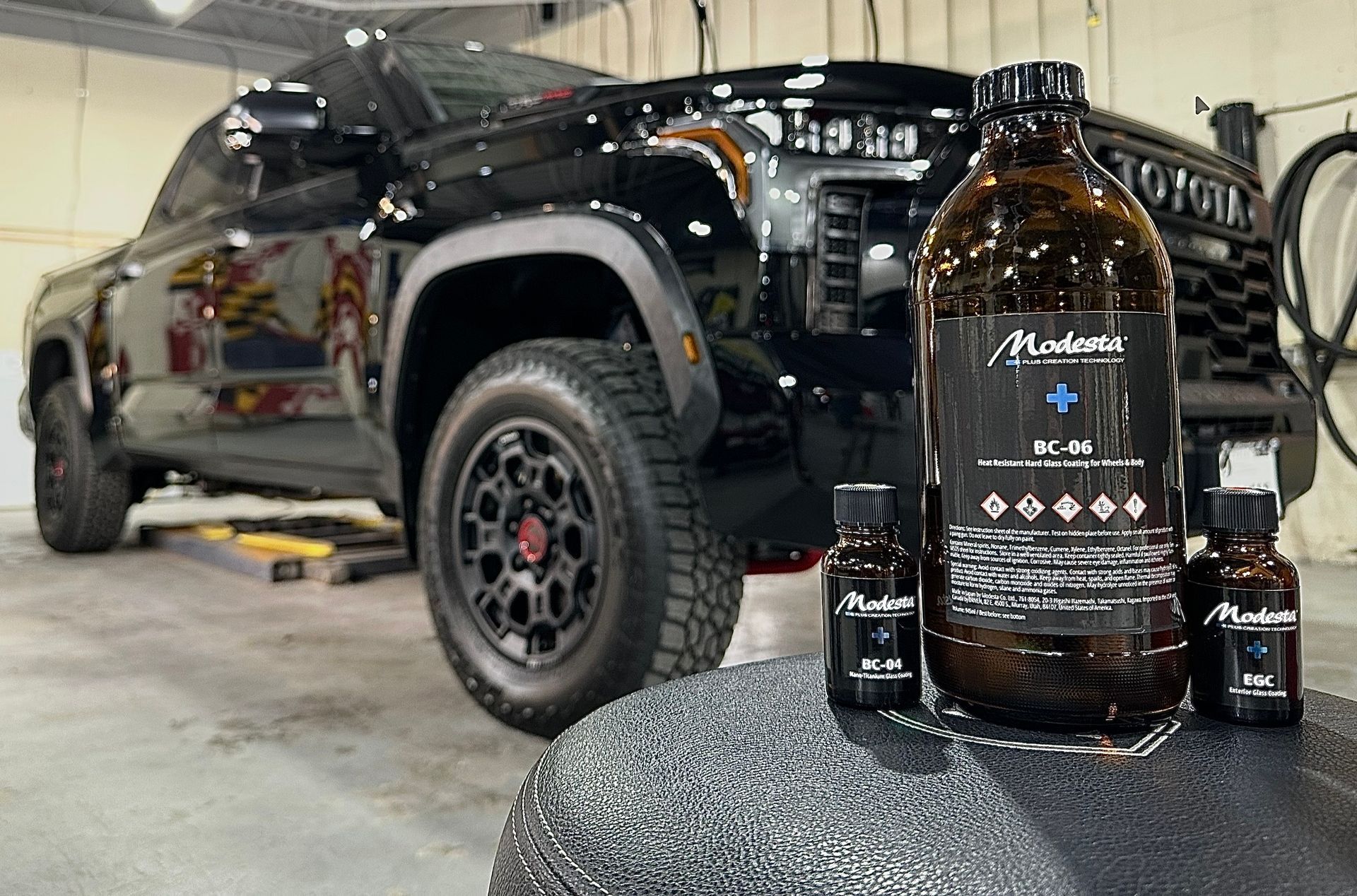
Regular paint correction services can effectively remove these imperfections, restoring the vehicle's original shine. This process involves polishing the finish carefully to eliminate oxidation and fade from the vehicle's surface. Once the paintwork is rejuvenated, applying ceramic coatings adds another layer of protection.
These coatings act like a barrier against harmful UV rays and environmental contaminants such as bird droppings or tree sap. They make the vehicle easier to clean because dirt doesn't adhere as easily to the slick surface.
Interior Care
Detailing encompasses not only the external appearance but also the interior aspects. Maintaining regular cleaning of the upholstery, dashboard, and air vents not only prevents unnecessary wear and tear but also ensures a pleasant driving experience.
It’s easy for dust and allergens to build up over time, especially in frequently used vehicles where drivers spend long hours. By committing to regular interior cleaning sessions, you're not only maintaining aesthetics but also promoting a healthier environment for your team members.
Investing time in both interior and exterior vehicle maintenance eventually pays off through enhanced customer perception, prolonged vehicle lifespan, and increased resale values—all critical components contributing to an overall profitable fleet operation.
Cost Savings from Regular Maintenance
Preventative maintenance, particularly through consistent detailing, can lead to substantial cost savings for fleet vehicles. By routinely addressing minor issues before they escalate into major repairs, you’re not only preserving the vehicle but also protecting your finances.
Reduced Repair Costs
It’s important to recognize how these seemingly small efforts compound over time. Regular detailing and inspections can catch issues in their infancy—like noticing a slight dent or a chip in the paint—before they require expensive fixes. If a fleet vehicle is allowed to run with such damage unchecked, it could escalate into significant structural problems, leading to costly downtime and repairs that could have been avoided.
Fuel Efficiency
Beyond repairs, regular detailing impacts another critical aspect of fleet management: fuel efficiency. Clean vehicles tend to be more aerodynamic, which improves fuel consumption. Dirt and grime accumulate on exteriors, disrupting airflow and increasing drag. By keeping vehicles clean, fleet managers enhance their appearance and enjoy tangible financial benefits through reduced fuel expenditures.
Resale Value
Lastly, let’s discuss resale value. Well-maintained fleets command higher prices in the resale market compared to neglected ones. When comparing two vehicles of the same age and model—one isn’t receiving the attention it needs while the other has been regularly detailed—it’s evident which one will fetch a better price due simply to its well-kept appearance and documented maintenance history.
Investing in regular detailing goes beyond just keeping the fleet looking pristine; it strategically translates into savings across various dimensions of vehicle management. From avoiding expensive repairs and enhancing fuel efficiency to securing higher resale values, it's clear that this preventative approach pays off both short- and long-term.

Enhancing Safety and Longevity
One of the simplest yet most powerful aspects of regular detailing is its impact on visibility. Clean windows and headlights are not just about aesthetic appeal; they significantly improve driver visibility and reaction times. Dust, grime, and accumulated debris can obscure vision, particularly in challenging weather conditions like rain or fog. When these elements gather on the glass surfaces, drivers may hesitate or misjudge distances, increasing the risk of accidents. Thus, ensuring that windows, mirrors, and headlights are cleaned regularly isn't merely a beneficial practice; it’s an essential safety measure for every fleet vehicle.
But it goes beyond visibility; the overall lifespan of your vehicles is heavily influenced by how well they are maintained.
Regular detailing plays a vital role in extending the lifespan of fleet vehicles. Think of each vehicle as a critical asset in your operations. Just like any machine, they require thorough care to perform efficiently over time. When vehicles receive consistent cleaning and maintenance, there’s a significant reduction in the buildup of harmful contaminants like road salt, grime, and corrosive substances that can corrode metal components and damage mechanical parts.
Regular undercarriage cleaning is often overlooked but is essential for protecting against rust and other long-term damages caused by road debris. For instance, if left unchecked, continuous exposure to road salt can quickly erode the base of your vehicles. By tackling these issues early on through detailing services, you're not just safeguarding your investment but also ensuring that your vehicles remain reliable for daily operations.
The health of drivers is often overshadowed by concerns about vehicle performance, yet it's just as critical. A clean interior contributes greatly to the well-being of your drivers. Over time, dust, allergens, and bacteria can accumulate in cars, creating an unhealthy environment that might lead to respiratory issues or allergies. Regularly cleaning air vents ensures that fresh air circulates freely without carrying pollutants into the cabin.
Moreover, keeping upholstery clean minimizes unpleasant odors and bacteria buildup that may develop due to food debris or spills. When drivers are comfortable and healthy in their working environment, they are more focused and productive—an essential factor in successful fleet management.
Optimal Detailing Frequency for Fleets
Determining how often to detail fleet vehicles isn’t a one-size-fits-all approach; it largely depends on several critical factors, including vehicle usage, environmental conditions, and the specific requirements of each vehicle type within the fleet. Keeping this in mind allows for tailored strategies that enhance cleanliness and prolong longevity.
Weekly Light Cleaning
One of the most effective strategies is to implement weekly light cleanings that include washing, dusting, and vacuuming. This routine keeps vehicles looking fresh, preventing dirt accumulation that can lead to more significant issues down the line. In the same way, regularly cleaning a vehicle helps maintain its integrity and appearance while also reflecting a professional image to clients and customers alike.
Monthly Deep Cleaning
A more thorough detailing should be executed each month. This process goes beyond surface level and dives deep into both exterior and interior care. It includes steam cleaning carpets and upholstery and applying protective wax treatments. During this extensive cleaning, it's essential to inspect for any wear or damage that may have occurred since the last detailing session. This proactive measure allows fleet managers to address issues early before they escalate into expensive repairs.
Seasonal Check-ups
Don't overlook seasonal check-ups within your detailing regimen. As seasons change, so do the challenges faced by vehicles. Fleet managers should focus on rust prevention with appropriate treatments during this time. Conversely, summer demands special attention to UV protection—ensuring interiors are shielded from sun damage while exteriors are treated for heat-related wear.
Schedule Your Fleet Detailing Today
Don’t let dirty or neglected vehicles undermine your business. Regular detailing ensures your fleet remains a valuable asset and a strong representation of your brand. Contact Maryland Auto Spa today to learn more about our fleet detailing services and schedule your first appointment.
For top-notch detailing services tailored to your fleet needs, consider reaching out to
Maryland Auto Spa by calling us at (301) 704-6503
today!
Blog