Types of Paint Protection Films: Clear vs. Matte - Which is Right for Your Vehicle?
SCHEDULE ONLINE GET A FREE ESTIMATEWhen protecting your vehicle’s paint, paint protection film (PPF) is one of the most effective solutions. This advanced protective layer shields your car from scratches, rock chips, and environmental damage and enhances its overall appearance. However, not all PPFs are the same. The two most popular options are Clear PPF and Matte PPF. Choosing the right one depends on your aesthetic preferences, driving habits, and lifestyle.
In this article, we’ll break down the key differences between clear and matte paint protection films to help you decide which option best suits your vehicle.
What Is Paint Protection Film?
Paint Protection Films (PPF) are a formidable line of defense for your vehicle's exterior. These advanced, transparent, or colored polyurethane films are meticulously designed to shield the paint from damaging factors, including road debris, scratches, UV rays, and other environmental assaults.
Developed through cutting-edge material science, the origins of PPF trace back to military applications where durability was paramount. Over time, these films have transitioned into the consumer automotive market due to their effectiveness in protecting car finishes. Today, leading manufacturers like XPEL, 3M, and STEK produce high-quality PPF options that cater to a range of protection requirements and aesthetic preferences. This gives vehicle owners a choice—whether they prefer the glossy sheen of a clear film or the sleek look of a matte finish.
The
application of PPF involves adhering it directly to the vehicle's painted surfaces, which not only forms a barrier against minor abrasions but also helps prevent fading caused by harmful UV rays. This means that by investing in PPF, you’re not just maintaining the aesthetic appeal of your vehicle; you're prolonging its lifespan and resale value as well.
Clear Paint Protection Film
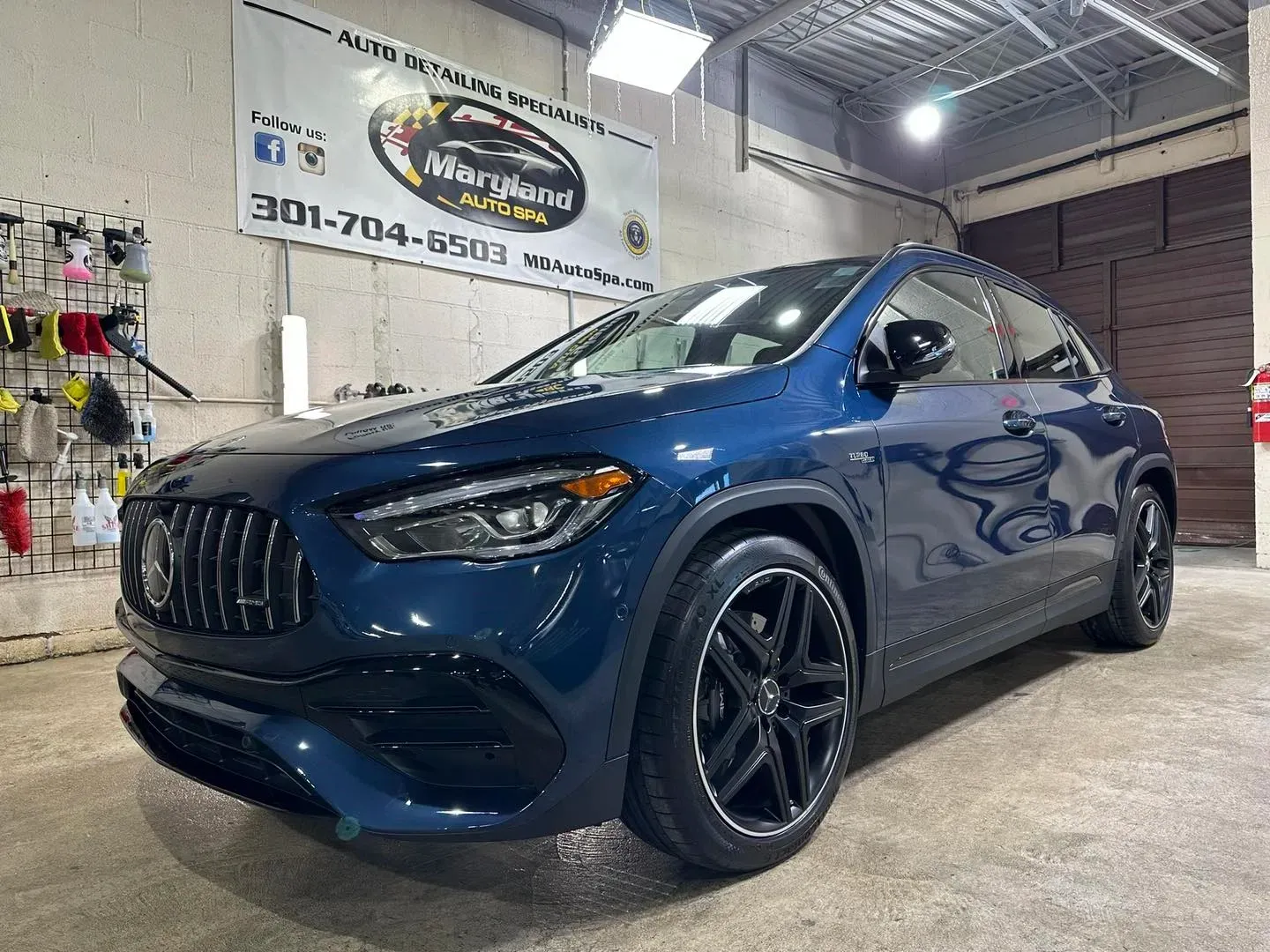
Clear Paint Protection Films are designed to be virtually invisible while preserving the factory finish of your vehicle. Their primary function is to guard against various forms of damage, but they shine in retaining the original look of your car. By opting for clear films, you're making a choice that prioritizes appearance without sacrificing protection.
Benefits of Clear Paint Protection Film
1. Transparent and Invisible Protection
Clear PPF is designed to be nearly invisible once applied, allowing your vehicle's original paint color and gloss to shine through. This makes it ideal for car owners who want to preserve the factory-fresh appearance of their vehicle without altering its look.
2. Enhanced Gloss and Shine
One of the standout features of clear PPF is its ability to enhance your vehicle's gloss. The film adds a layer of brilliance to your car’s paint, making it appear even shinier and more polished. This is especially appealing for luxury or sports cars where the glossy finish is a key design element.
3. Self-Healing Properties
Most modern clear PPF products feature self-healing technology. Minor scratches and swirl marks disappear when exposed to heat, such as from sunlight or a warm water wash. This keeps your vehicle looking flawless over time.
4. Best for a Factory Look
Clear PPF is the best option if you want your car to retain its original appearance from the day you drove it off the lot. It preserves the original paintwork while providing a robust barrier against damage.
Who Should Choose Clear PPF?
Clear PPF is an excellent choice for car enthusiasts who take pride in their vehicle’s factory paint and want to preserve its original look. It’s particularly suited for luxury cars, sports cars, and vehicles with custom paint jobs that deserve to be showcased.
Matte Paint Protection Films
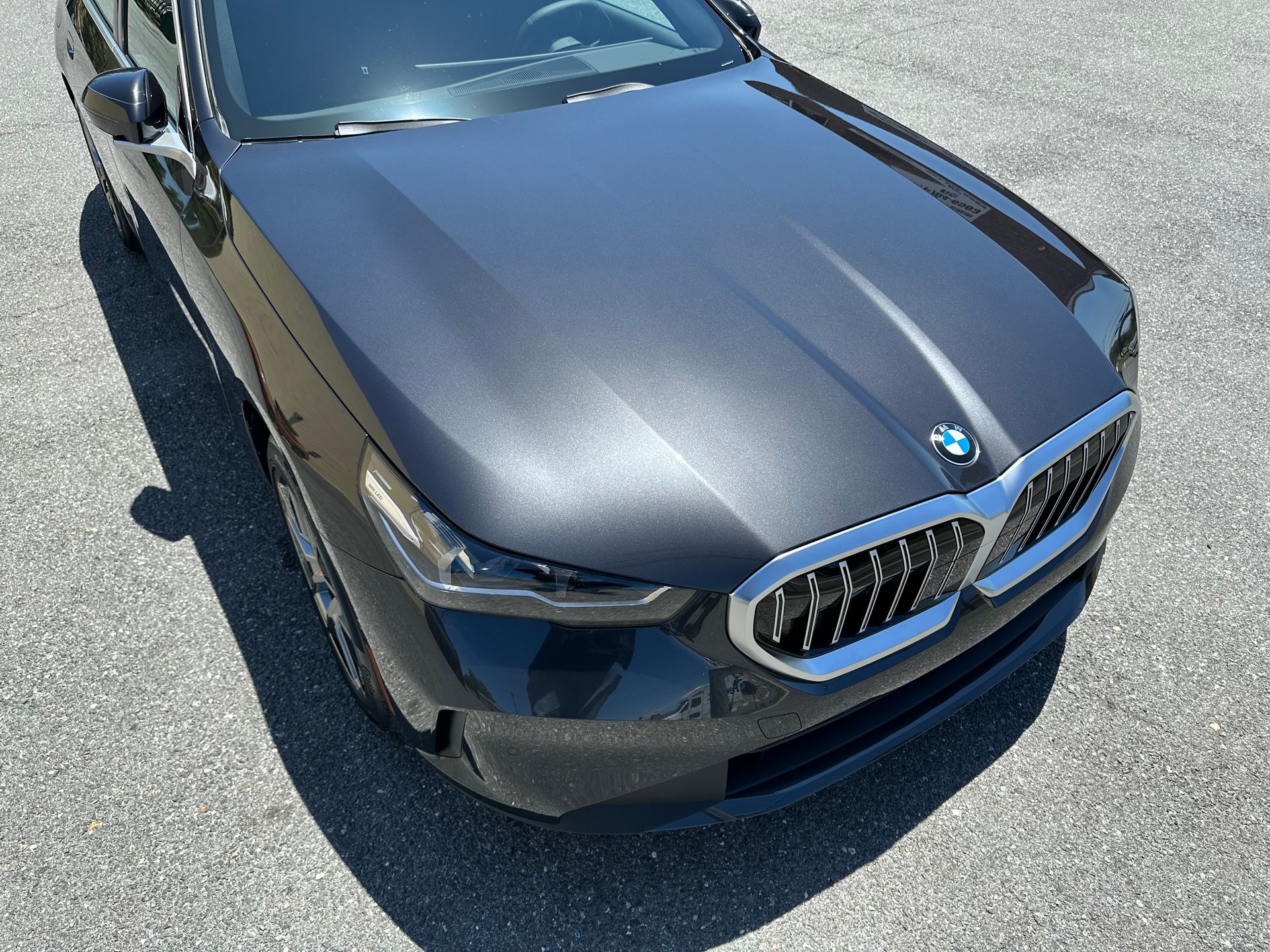
Matte PPF provides the same level of protection as clear PPF but with a flat, non-reflective finish. It can either preserve a matte paint job or transform a glossy vehicle into a sleek, satin-finished masterpiece.
Benefits of Matte Paint Protection Films
1. Bold and Unique Aesthetic
Matte PPF delivers a sleek, satin finish that gives your car a modern and edgy appearance. It can be applied to both matte-painted vehicles to preserve their unique look or to glossy vehicles for a full transformation.
2. Anti-Glare Properties
The matte finish reduces reflections and glare, making it ideal for drivers who prefer a subtle, understated aesthetic. This finish is particularly popular among those who want their vehicle to stand out without being overly flashy.
3. Durable and Self-Healing
Like clear PPF, matte film is durable and features self-healing technology. Scratches, swirl marks, and other minor imperfections fade away with heat, ensuring your vehicle retains its bold look for years.
4. Perfect for Customization
If you’re looking to switch up your vehicle’s style without committing to a permanent paint job, matte PPF is an excellent choice. It gives your car a high-end, custom appearance while protecting the original paint underneath.
Things to Consider while Choosing Matte PPF
While matte films come with fantastic aesthetics, they do have a few drawbacks that potential users should consider before applying them to their vehicles. Maintenance can become trickier compared to traditional glossy films. The non-reflective nature, while visually appealing, is more likely to show fingerprints, grease, and oil smudges—all factors that could detract from that stunning exterior you're aiming for.
Therefore, always ensure you have the right supplies or consult with our professionals at Maryland Auto Spa if you're uncertain about how to maintain your investment effectively.

Comparing Clear and Matte Films
When choosing between clear and matte paint protection films, it helps to examine their characteristics closely.
Starting with appearance, clear films are designed to maintain the original gloss and color of your vehicle, allowing its natural beauty to shine through while providing robust protection. This is often ideal for car enthusiasts who want to preserve their vehicle's factory finish. On the other hand, matte films provide a unique, non-reflective look that has become increasingly popular among drivers wishing to stand out. It’s like changing your car's wardrobe—one choice keeps it classic, while the other opts for something more avant-garde.
Both types of films excel at guarding your vehicle against chips and scratches. While matte films offer a similar level of protection, their distinct texture may hide minor imperfections, making dings less noticeable over time. Choosing what kind of protection fits your lifestyle is vital; if you drive in rough conditions often, consider how each option performs under duress.
In terms of maintenance, clear films tend to be easier to clean, which is an important factor for those who enjoy a low-maintenance experience. A quick wash and the occasional wax will usually suffice to keep clear PPF looking pristine. Conversely, matte films require special care. Their unique texture necessitates specific cleaning products to avoid damage or streaking, ensuring they remain visually appealing. If you choose matte, it’s wise to prepare ahead by purchasing the correct maintenance supplies.
How to Choose the Right PPF for Your Vehicle
When deciding between clear and matte PPF, consider the following factors:
- Your Vehicle’s Style: If your car already has a glossy finish and you want to keep it, clear PPF is the logical choice. On the other hand, if you want a more modern and unique look, matte PPF can give your car an eye-catching edge.
- Aesthetic Preferences: Do you prefer a sleek and shiny appearance or a subtle, satin finish? Your style will play a big role in your decision.
- Functionality Needs: Matte PPF is ideal if you want anti-glare properties, while clear PPF is best for those who prioritize a factory-original appearance.
- Budget Considerations: Both types of PPF offer excellent protection, but matte PPF may require additional care to maintain its distinct finish.
Why Choose Maryland Auto Spa?
At Maryland Auto Spa, we specialize in helping our clients choose and apply the perfect paint protection film for their vehicles. Whether you prefer the timeless elegance of clear PPF or the bold statement of matte PPF, we ensure precision installation and top-quality results. Our expert technicians use cutting-edge tools and premium films to guarantee that your vehicle gets the protection it deserves.
Ready to Protect Your Vehicle?
If you’re still unsure which type of PPF is right for you, we’re here to help! Contact Maryland Auto Spa today for a consultation. We’ll walk you through the benefits of each PPF option and help you make the best choice for your car. Whether you choose clear or matte, you can trust us to deliver exceptional protection and style.
Visit
Maryland Auto Spa today or call us at (301) 704-6503
for a consultation regarding our PPF installation services. We’re excited to help you select the right film that aligns with your vision for your vehicle!
Blog