How to Prepare Your Car for Ceramic Coating: A Complete Guide
SCHEDULE ONLINE GET A FREE ESTIMATECeramic coating is one of the most effective ways to protect your car’s paint while enhancing its shine and depth. However, proper preparation is essential for the coating to adhere effectively and deliver long-lasting results. At Maryland Auto Spa, we specialize in professional ceramic coating services, and we know that a well-prepared surface is the key to a flawless finish. In this guide, we’ll walk you through everything you need to know to prepare your car for ceramic coating.
Why Preparation Matters
Ceramic coating bonds directly to your car’s paintwork to create a durable protective layer. Any dirt, imperfections, or residue left on the surface can interfere with this bonding process, resulting in uneven application and reduced durability. By properly preparing your car, you ensure that the coating adheres seamlessly, enhancing its performance and longevity.
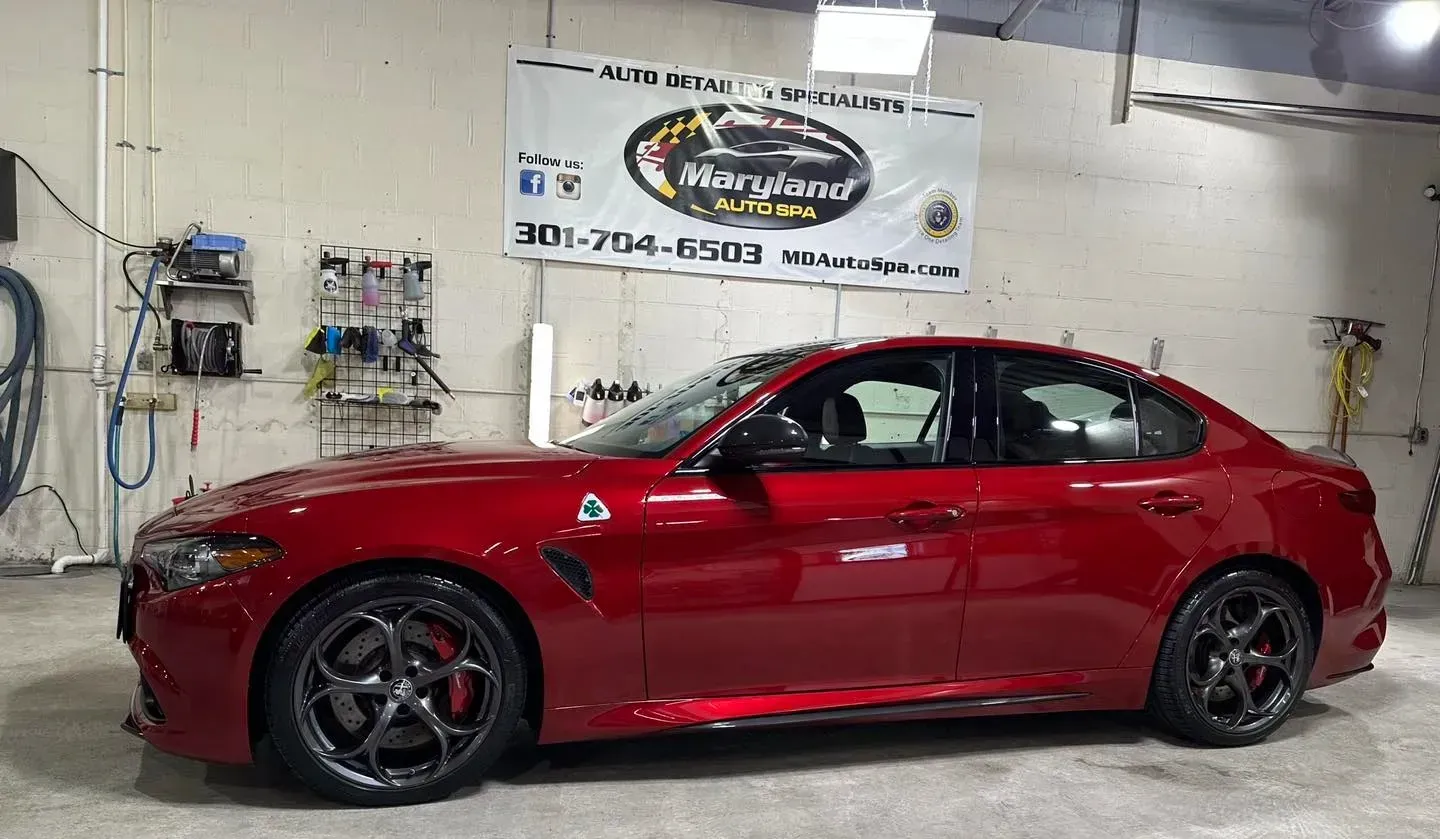
Preparing Your Vehicle for Ceramic Coating
To prepare your car for ceramic coating, start with a thorough wash using a wax-free soap to remove all existing residues; following this, use a clay bar to eliminate any embedded contaminants. Then, polish the paintwork to correct scratches and swirl marks before concluding with a cleansing wipe to ensure no oils or waxes remain on the surface, allowing for optimal adhesion of the ceramic coating.
Step 1: Wash Your Vehicle Thoroughly
The first step in preparing your car for ceramic coating is a comprehensive wash. This removes surface-level dirt, grime, and grease that can interfere with the coating process.
How to Wash Effectively:
- Rinse Thoroughly: Start by rinsing your vehicle to remove loose dirt and debris. Use a pressure washer if available, but avoid getting too close to avoid damaging the paint.
- Use a High-Quality Car Shampoo: Choose a pH-neutral car shampoo to prevent stripping the paint or causing damage. Avoid products with wax or sealants, as these can leave residues that interfere with the coating.
- Two-Bucket Method: Use one bucket for soapy water and another for rinsing your wash mitt. This prevents dirt from being reintroduced to your car’s surface.
- Focus on Details: Pay extra attention to areas prone to dirt buildup, such as wheel arches, door jambs, and grilles.
- Dry Carefully: Use a clean microfiber towel or air dryer to prevent water spots.
Step 2: Decontaminate the Paint Surface
Even after a thorough wash, microscopic contaminants can remain embedded in your car’s paint. These need to be removed to ensure a smooth surface for the ceramic coating.
Chemical Decontamination:
- Use an iron remover to dissolve embedded metal particles, such as brake dust, that can’t be washed away.
- Apply a tar remover to break down stubborn tar spots or adhesive residues.
Mechanical Decontamination:
- Use a clay bar or clay mitt to physically remove embedded contaminants from the paint surface. Work in small sections using a lubricant spray to prevent scratching.
- Gently glide the clay bar over the paint until the surface feels smooth to the touch.
Step 3: Perform Paint Correction (If Necessary)
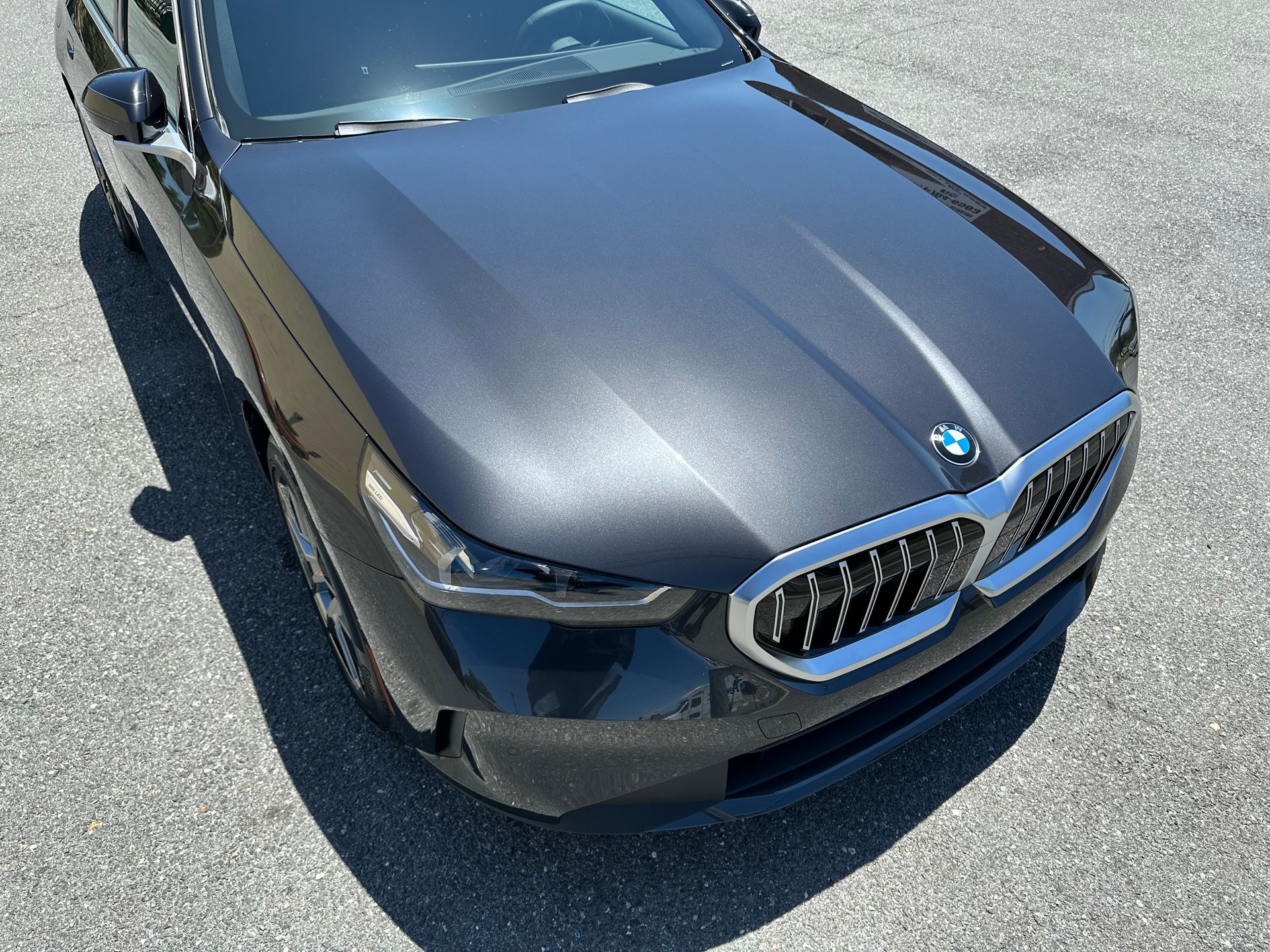
Ceramic coating will seal your paintwork under a protective layer, so any scratches, swirl marks, or imperfections will remain visible if not corrected.
Paint correction involves polishing the paint to restore its clarity and remove defects.
Steps for Paint Correction:
- Inspect the Paint: Use a strong light source to identify scratches, swirls, or oxidation.
- Choose the Right Polishing Compound: Select a compound appropriate for the severity of the imperfections. Use a fine polish for light swirls or a heavier compound for deeper scratches.
- Use a Dual-Action Polisher: Work panel by panel, using a dual-action polisher for consistent results.
- Clean After Polishing: Wipe down the surface with an isopropyl alcohol (IPA) solution to remove polishing oils or residue.
If your vehicle's paint is already in excellent condition, this step may not be necessary, but it’s critical for cars with visible defects.
Step 4: Prepare the Surface for Coating
After decontamination and correction, the surface needs to be perfectly clean for the ceramic coating to bond effectively. This involves a final cleaning step.
Final Cleaning with IPA:
- Mix an IPA solution (isopropyl alcohol diluted with water) or use a pre-coating surface cleaner.
- Spray the solution onto the paint and wipe it off with a clean microfiber towel.
- Ensure all polishing oils, residues, and dust are removed for a streak-free, clean surface.
Step 5: Choose the Right Environment
Ceramic coating should be applied in a controlled environment to ensure the best results. Here’s what to consider:
- Temperature: The ideal temperature for ceramic coating application is between 50°F and 85°F. Avoid extreme heat or cold, as this can affect the curing process.
- Dust-Free Area: Perform the coating in a clean, enclosed space to prevent dust and debris from settling on the surface during application.
- Adequate Lighting: Good lighting helps you see the surface clearly, ensuring even application and identifying any missed spots.
Step 6: Protect Non-Painted Surfaces
Before applying ceramic coating, mask off areas that should not be coated, such as rubber trims, plastic moldings, and glass. Use painter’s tape to protect these surfaces and prevent accidental application.
Step 7: Gather the Necessary Tools
Having the right tools and materials on hand ensures a smooth application process. Here’s what you’ll need:
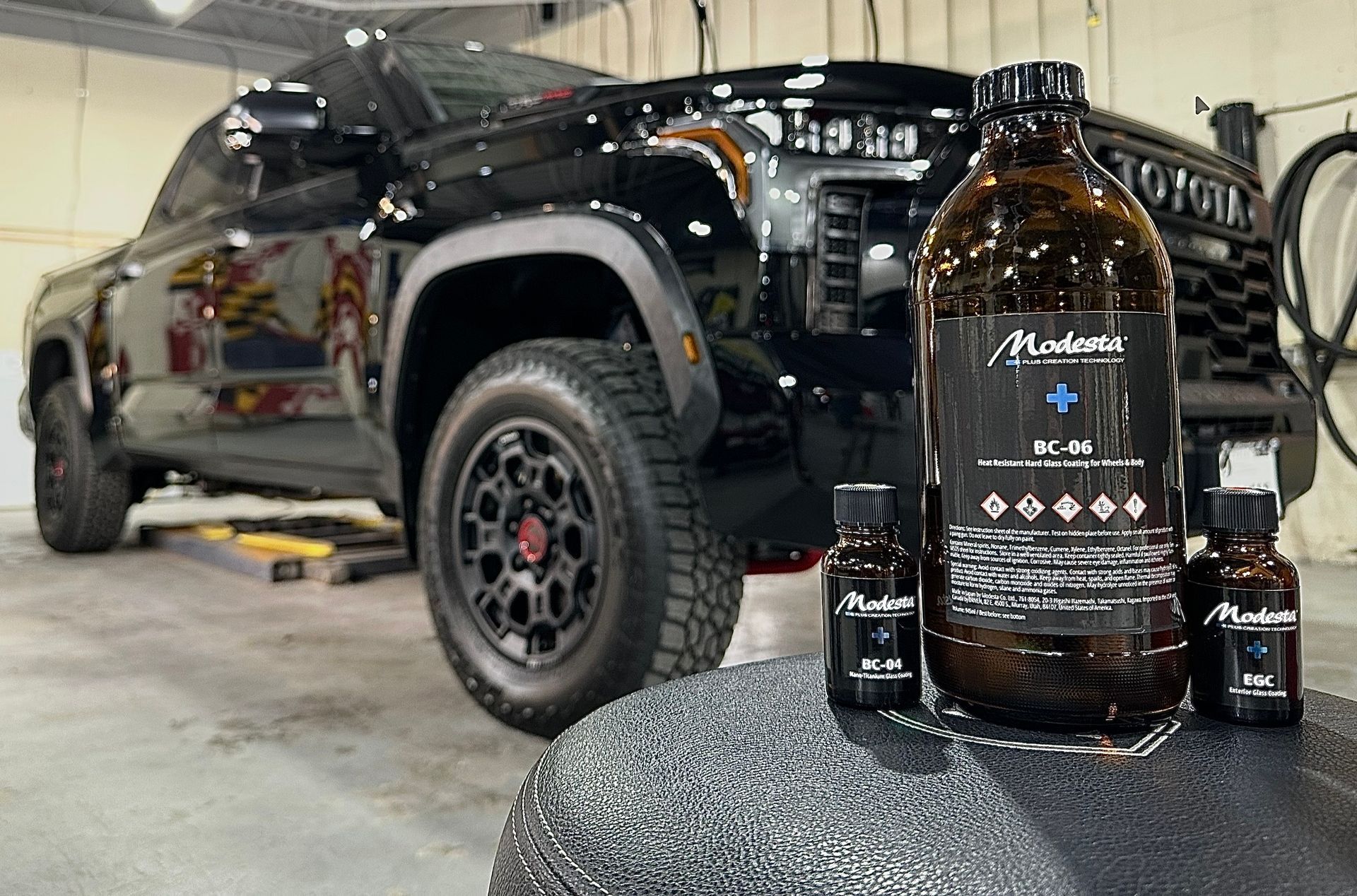
- High-quality ceramic coating product
- Microfiber applicator pads
- Clean microfiber towels
- Panel wipe or surface prep solution
- Masking tape (for non-painted surfaces)
Step 8: Application Tips (If DIY)
If you’re applying ceramic coating yourself, follow these tips for best results:
- Work in Small Sections: Apply the coating to one small section at a time to ensure even coverage and avoid letting the product dry before leveling.
- Follow Product Instructions: Different ceramic coatings have specific applications and curing times. Always read and follow the manufacturer’s guidelines.
- Buff Immediately: After applying the coating, use a clean microfiber towel to buff the surface, removing excess product and leveling the coating.
- Inspect thoroughly: Check for high spots or streaks and correct them immediately.
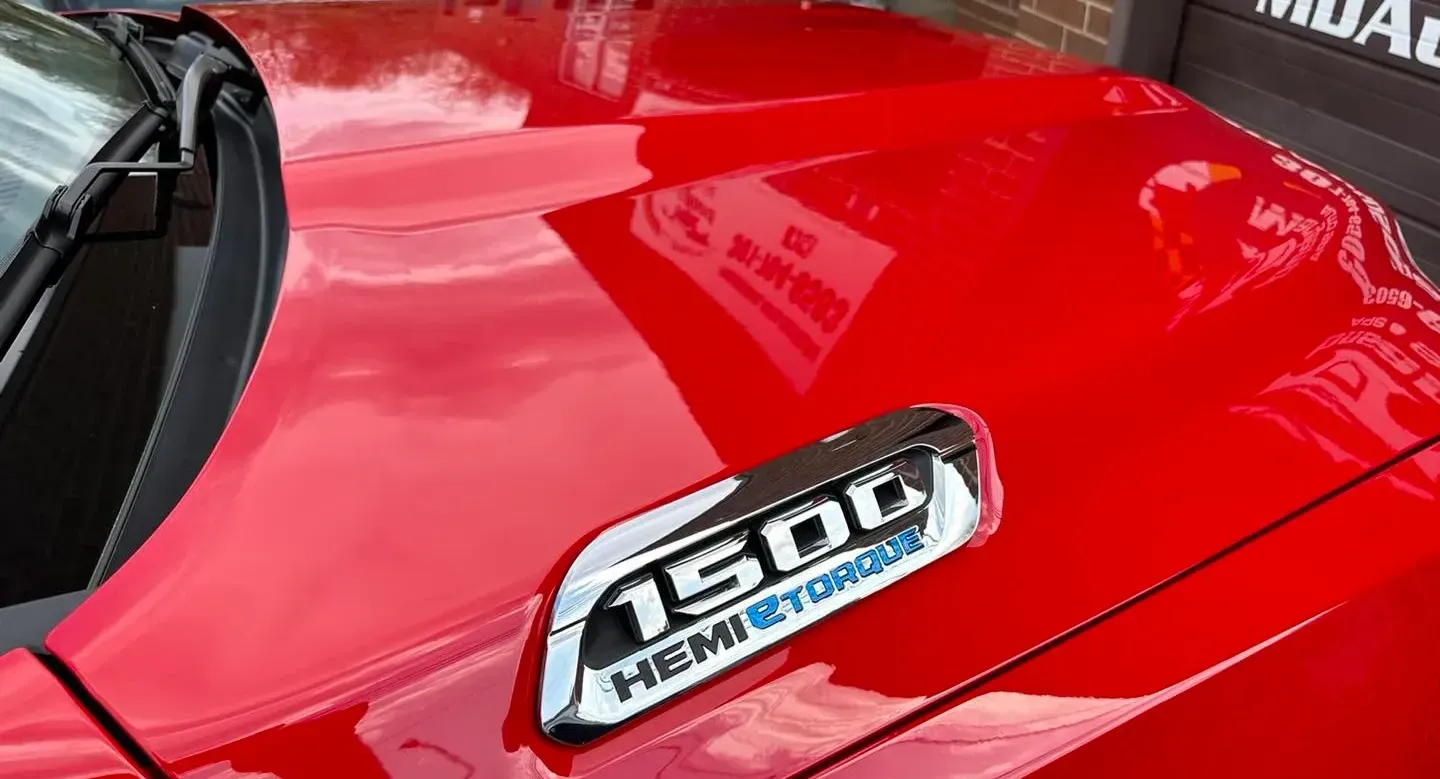
Post-Ceramic Coating Maintenance
After applying the ceramic coating, regular maintenance becomes vital for ensuring longevity and continued protection of your vehicle's paint. Maintaining your investment safeguards against elements that could diminish the coating's effectiveness over time. Think of it as extending a layer of defense over your beautiful finish.
Maintenance Tips
- Avoid Harsh Chemicals: When washing your car, always opt for a pH-neutral soap. Using anything that deviates from this balance can harm the coating and strip away its protective properties.
- Use Soft Tools: Your cleaning tools significantly impact your car’s surface; therefore, using soft microfiber towels and wash mitts is essential. These materials help prevent unsightly scratches that can compromise the finish of your paint.
- Regular Washing: It’s advisable to wash your car every two weeks. Frequent washing prevents dirt buildup, ensuring that contaminants don’t etch into the coating or penetrate through tiny imperfections.
- Inspect for Damage: Regularly check for chips or scratches in the ceramic coating. Minor damage can affect performance if left unattended, allowing dirt and grime to find their way beneath the surface.
- Reapply Maintenance Products: Every 6–12 months, consider applying a ceramic coating booster to refresh the hydrophobic features of your finish. This rejuvenates the coating and helps maintain its ability to repel water effectively.
Engaging in these maintenance practices preserves the integrity of your ceramic coating and enhances its hydrophobic behavior, keeping your car looking shiny and new for longer periods. Diligence pays off; consistent care yields breathtaking results while prolonging the life of your vehicle’s exterior.
Final Words
Preparing your car for ceramic coating is a meticulous but crucial process that ensures the best results. From thoroughly washing and decontaminating the surface to addressing imperfections through paint correction, every step plays a role in creating the perfect canvas for the coating to bond effectively. Skipping these steps or rushing the preparation can lead to subpar results, reducing the performance and longevity of the ceramic coating.
At Maryland Auto Spa, we take the hassle out of the preparation process, offering professional ceramic coating services that guarantee a flawless finish. Our team is trained to handle every detail, from surface preparation to precise application, ensuring your vehicle looks its best and stays protected for years to come.
Whether you’re looking for unmatched protection, enhanced shine, or long-term preservation of your car’s paint, trust Maryland Auto Spa to deliver exceptional results.
Contact us today to schedule your ceramic coating service and give your vehicle the care it deserves.
Blog