How to Apply Ceramic Coating for Car Protection?
SCHEDULE ONLINE GET A FREE ESTIMATEAre you tired of constantly worrying about the wear and tear on your car's exterior? Do simple things like bird droppings, tree sap or harmful UV rays have you concerned for your car's finish? You're not alone. A plethora of car owners are turning to ceramic coatings as the solution. This revolutionary product promises to protect your car's paintwork from virtually all environmental damage.
Delve into
Maryland Auto Spa’s expert guide on how to implement this phenomenal technology. Here, we will navigate you through the step-by-step process of applying a ceramic coating for unparalleled car protection. Propel your vehicle's longevity and maintain its sparkling finesse with our simplified, user-friendly guidelines.
Understanding Ceramic Coating with Maryland Auto Spa
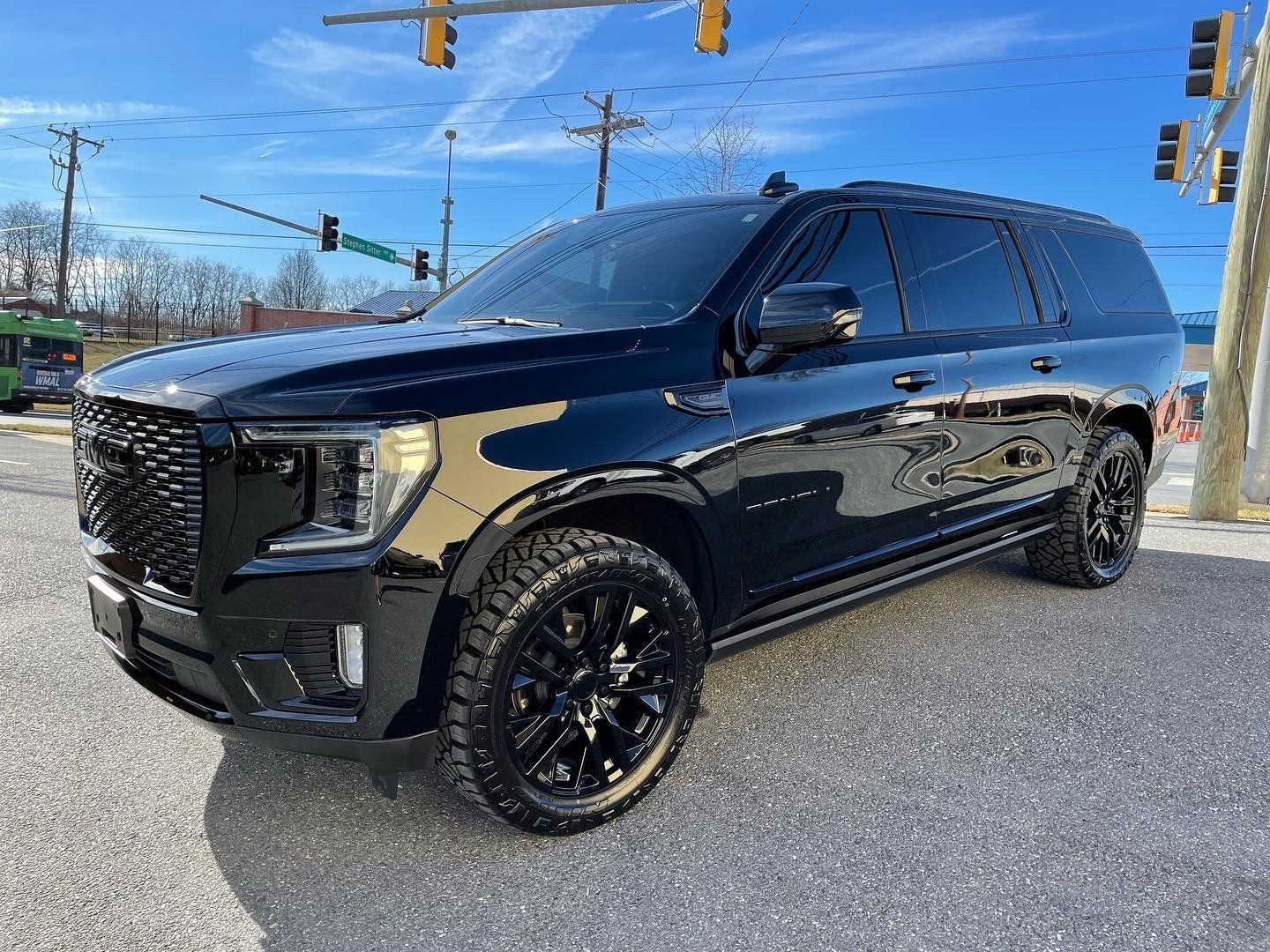
Ceramic coating is a revolutionary solution for protecting your car's exterior from various environmental elements. At Maryland Auto Spa, we understand the importance of preserving and enhancing the look of your vehicle. That's why we offer top-tier ceramic coating services that provide long-lasting benefits.
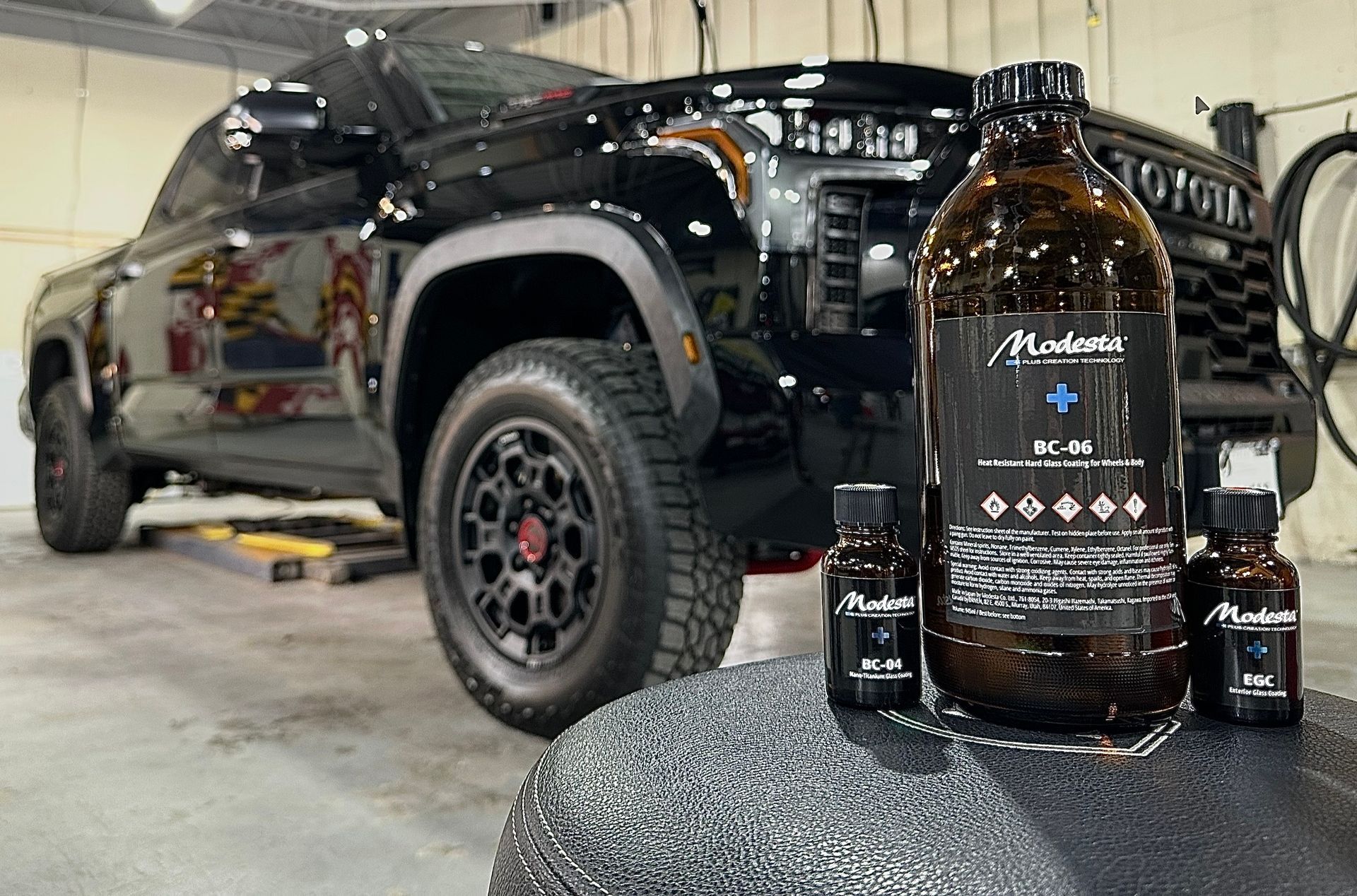
When it comes to ceramic coating, it's crucial to understand its composition and application process. Ceramic coatings are made up of nanoparticles that form a strong bond with the surface of your vehicle, creating a protective layer. This layer acts as a shield against UV rays, acid rain, bird droppings, tree sap, road salt, and other contaminants that can damage your paintwork over time.
Another key aspect of understanding ceramic coating is its hydrophobic properties. This means that water and other liquids bead up and roll off the surface instead of sticking to it. This makes cleaning your car easier and reduces the chances of water spots and mineral deposits forming.
At Maryland Auto Spa, our highly trained technicians ensure precise application of ceramic coating using industry-leading techniques. We take great care in preparing the surface by thoroughly cleaning and decontaminating it before applying the coating. This ensures optimal bonding between the coating and the paintwork for maximum longevity and effectiveness.
Maryland Auto Spa's Preparations for Ceramic Coating
Before applying ceramic coating to your car, our experts at Maryland Auto Spa understand the importance of thorough preparation. These preparations ensure a smooth and successful application process, guaranteeing optimal protection and shine for your vehicle.
Firstly, a thorough wash is crucial. This involves using high-quality car wash products to remove any dirt, grime, or contaminants that may be on the surface of your car's paintwork. Our professionals pay close attention to intricate areas such as door jambs, wheel wells, and emblems to ensure a clean canvas for the coating.
Secondly, our team at Maryland Auto Spa performs paint decontamination. This step entails removing any bonded contaminants, such as industrial fallout, tree sap, or stubborn tar spots, that cannot be removed through regular washing alone. By thoroughly decontaminating the paintwork, we create an ideal surface for the ceramic coating to bond with.
Once the exterior is clean and free from contaminants, paint correction may be necessary, depending on the condition of your car's paintwork. Paint correction involves carefully polishing away imperfections such as swirl marks, light scratches, and oxidation. By restoring the paintwork to its original luster, we maximize the visual impact and protective benefits of the ceramic coating. Learn more benefits of ceramic coating!
After completing these preparatory steps, our experts perform a final wipe-down using specialized products that remove any remaining oils or residue from previous cleaning stages. This ensures that the surface is completely clean and ready for the ceramic coating application.
Ensuring Your Car is Ready for Application
In addition to Maryland Auto Spa's preparation processes, there are some essential steps you can take to ensure your car is ready for ceramic coating application.
One crucial aspect is ensuring that the vehicle is dry. Before applying the coating, it is essential to make sure that all surfaces are thoroughly dried to prevent any water spots or streaks from affecting the final result. This can be achieved using drying towels specifically designed for vehicles.
Another important step is surface decontamination. Even after a thorough wash, there may still be invisible contaminants present on the car's surface. To ensure optimal bonding of the ceramic coating, it is recommended to use a clay bar or a synthetic equivalent to remove any remaining impurities.
For example, imagine driving your car on a hot summer day. This can cause tar or insect residue to become embedded in the paintwork. By using a clay bar, you can gently glide it over the surface, effectively removing these contaminants and leaving behind a smooth finish ideal for ceramic coating application.
To further enhance adhesion and longevity of the ceramic coating, it is advisable to perform a light polish if necessary. This step helps with the removal of any minor imperfections that may still be present on the paintwork after surface decontamination. A proper polishing process can bring out the true potential of your vehicle's appearance.
Maryland Auto Spa's Ceramic Coating Application Process
When it comes to protecting your car's paintwork, Maryland Auto Spa offers a meticulous and thorough ceramic coating application process. Our expert technicians ensure that every step is carried out with precision and attention to detail, providing you with a long-lasting and high-quality finish. Let's dive into the key aspects of Maryland Auto Spa's ceramic coating application process.
First and foremost, the process begins with a comprehensive assessment of your vehicle's paintwork. Our technicians at Maryland Auto Spa examine the condition of the surface, identifying any imperfections or areas that require special attention. This step allows us to tailor the ceramic coating application to address your specific needs.
For instance, if we detect minor scratches or swirl marks, we will incorporate paint correction techniques before applying the ceramic coating. This ensures that your car's paint surface is flawless and ready for optimal protection.
Once the assessment is complete, the next step involves a thorough preparation of the vehicle's exterior. Maryland Auto Spa technicians meticulously clean the surface to remove any contaminants such as dirt, grease, or residue that could impede the bonding of the ceramic coating.
To exemplify our dedication to quality, we utilize high-quality cleaning products that are safe for your vehicle's paintwork while effectively removing stubborn build-up.
After the surface is clean, our technicians carefully apply the ceramic coating using professional-grade tools and techniques. We ensure even coverage across all surfaces of the vehicle, including the body panels, windows, and wheels, leaving no area unprotected.
To facilitate a seamless and smooth application, we utilize nanotechnology in our ceramic coatings. This technology enables deep penetration into the paint surface, bonding at a molecular level to create an exceptionally durable layer of protection.
Once applied, the ceramic coating undergoes a curing process, usually involving heat or infrared lamps. This step ensures proper adhesion and enhances the overall performance of the coating.
An Overview of Our Professional Application Steps
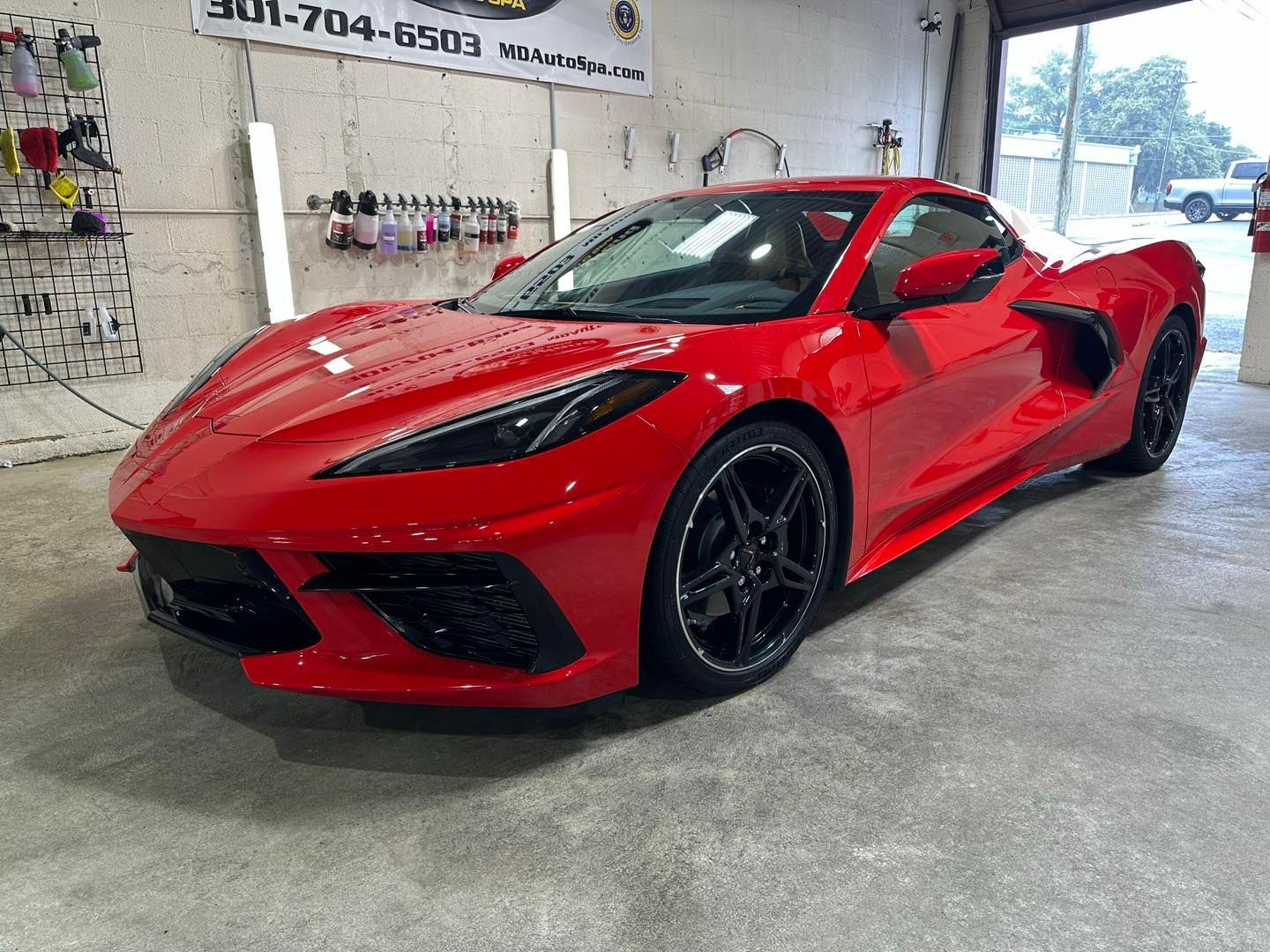
Maryland Auto Spa follows a series of meticulous steps during the application process to ensure exceptional results:
- Assessment and inspection of the vehicle's paintwork to identify specific areas that require attention or correction
- Thorough cleaning and decontamination of the exterior surfaces to eliminate any dirt, grime, or residue
- Paint correction techniques are employed if necessary, such as removing swirl marks, scratches, or oxidation
- Precise application of the ceramic coating using professional tools and techniques for even coverage on all surfaces
- Curing the applied coating through heat or infrared lamps to enhance its bonding and durability
Throughout each step, our expert technicians prioritize attention to detail, ensuring that every aspect of the ceramic coating application is carried out with precision. This commitment guarantees a high-quality protective layer that enhances your vehicle's paintwork for years to come.
Aftercare: Maintaining Your Car's Ceramic Coating
Congratulations on getting your car's ceramic coating applied! Now, it's essential to understand how to properly care for and maintain ceramic coating to ensure its longevity and effectiveness. Following some simple aftercare practices will go a long way toward preserving the glossy look and protection of your vehicle.
The first and most crucial aspect of maintaining your car's ceramic coating is regular washing. While ceramic coatings offer excellent resistance to dirt and contaminants, it's still important to wash your car regularly to remove surface debris and prevent the buildup of harmful substances. Use a pH-neutral car wash soap and a soft microfiber wash mitt or sponge to gently clean the surface without causing any scratches or swirl marks.
Another important part of aftercare is drying your vehicle properly. Allow sufficient time for excess water to drain off naturally or use a clean microfiber towel to gently dry the surface. This step helps prevent water spots from forming on the ceramic coating.
Additionally, to maintain the hydrophobic properties of your ceramic coating, applying a specially formulated ceramic coating maintenance spray can help. This type of product acts as a booster and revitalizes the existing ceramic coating, enhancing its water-repellent qualities and extending its durability over time. A light mist and buffing with a soft microfiber cloth are all it takes to keep your car looking fresh and protected.
Tips and Recommendations from Maryland Auto Spa Experts
At Maryland Auto Spa, we are passionate about providing top-notch auto detailing services and ensuring that your vehicle receives optimal care. Here are some expert tips and recommendations to help you maintain your car's ceramic coating and achieve long-lasting protection:
“When it comes to protecting and maintaining your car's ceramic coating, regular washing and proper drying techniques are paramount. We always recommend investing in high-quality pH-neutral car wash products and soft microfiber towels for optimal results." - Our Expert Detailer
Let's dive further into our expert tips on how to care for your ceramic-coated vehicle:
- Use separate wash mitts or towels for different parts of your car's exterior to minimize cross-contamination.
- Avoid washing your car in direct sunlight or on hot surfaces, as this can lead to the premature drying of cleaning solutions, leaving behind unwanted residues.
- Consider using a dedicated ceramic coating shampoo for even better results.
- Regularly inspect your vehicle for any scratches or chips in the ceramic coating. If necessary, consult a professional detailing service like Maryland Auto Spa for touch-ups or spot corrections.
- Follow the manufacturer's guidelines specific to the ceramic coating product you have applied to ensure proper care and maintenance.
By following these expert tips and recommendations, you can ensure that your car's ceramic coating remains in pristine condition for a longer time, providing the utmost protection against environmental elements and maintaining its glossy appearance.
Allow Maryland Auto Spa to help your vehicle achieve excellence with ceramic coating technology! When the time is right to embark on this journey to automotive excellence or have questions regarding ceramic coating technology, we have you covered.
Contact us now to arrange an appointment or inquire about our ceramic coating services, and achieve ultimate car protection with the lasting benefits of ceramic coating for your vehicle. Your car deserves only the best, and a ceramic coating can make it shine brighter while prolonging its life span.
Blog