Self-Healing Paint Protection Film: The Ultimate Car Care Solution
SCHEDULE ONLINE GET A FREE ESTIMATEThe quest to preserve that showroom-ready gloss on your automobile has never been easier. Dive into the world of rapid automotive evolution with one of the marvels of modern car care technology: self-healing paint protection film (PPF) offered by Maryland Auto Spa.
Unseen scratches or pesky stone chips will no longer keep you awake at night; be introduced to a revolution that redefines durability, performance and style in the realm of car detailing. This blog is about to take you on a journey through a science miracle that allows your vehicle to not only retain its pristine look but also heal itself, ensuring an enhanced lifespan and unparalleled aesthetic appeal. Prepare to keep your precious machine as captivating as ever with this dynamic product that is literally shaking up perceptions in the automotive industry. Read on to discover the ultimate car care solution!
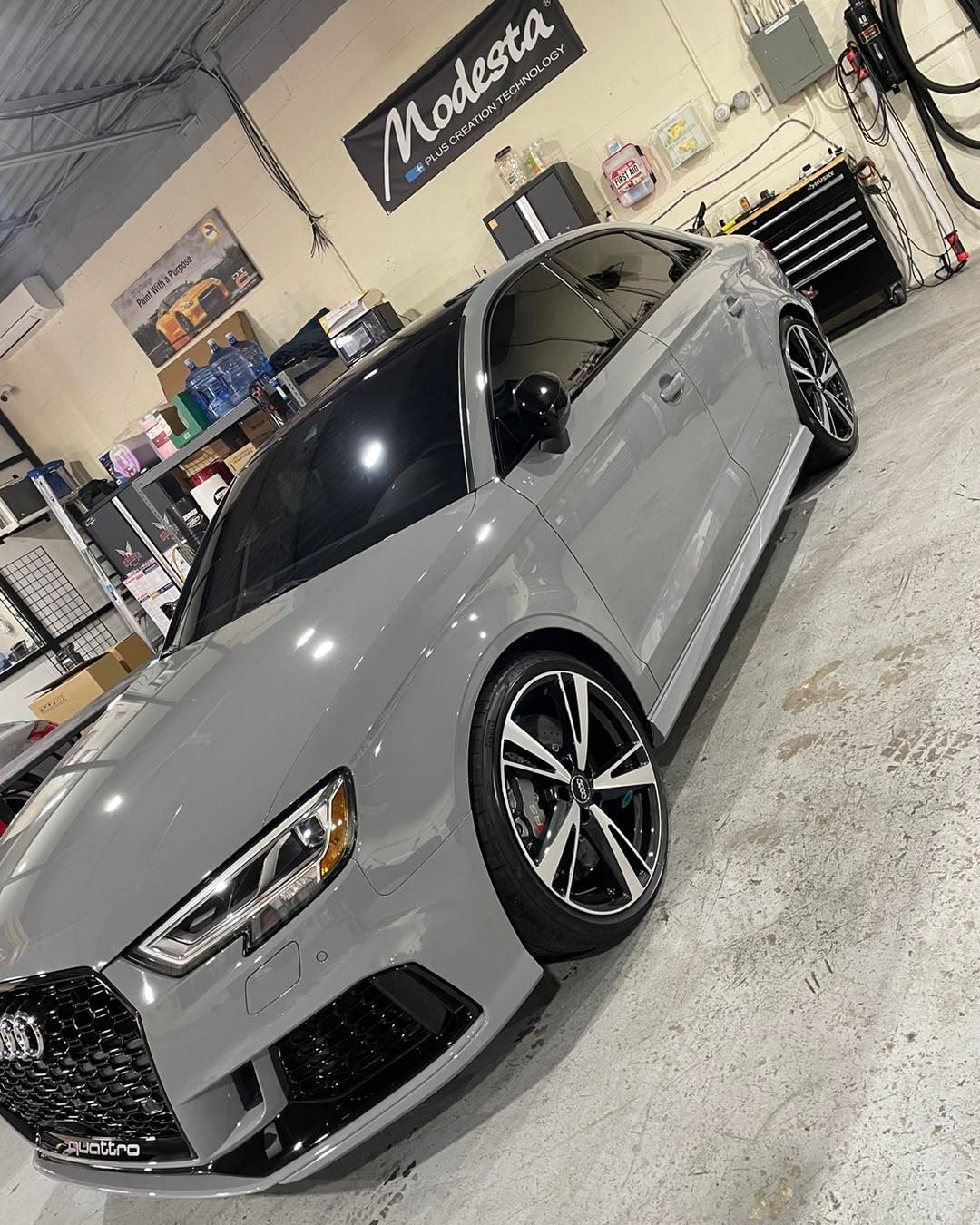
Self-Healing Paint Protection Film
Every car owner understands the importance of protecting their vehicle's paintwork from the inevitable wear and tear that comes with regular use. That's where self-healing paint protection film becomes a game-changer in car care solutions. By protecting the exterior surfaces of the car from damage from road debris, light scratches, bird droppings, and UV rays, this cutting-edge technology provides a remarkable level of protection.
Self-healing paint protection film is made from a special elastomeric polymer compound that has unique properties. The film is designed to have a certain degree of flexibility, allowing it to absorb impacts without permanent damage. When the film sustains minor scratches or swirl marks, it has the incredible ability to "heal" itself through heat-activated processes, effectively repairing the damaged area.
The self-healing process works with the assistance of heat or warmth, whether it's sunlight or warm water, which helps activate the elastomeric compounds within the film. This leads to the restoration of its molecular structure and surface appearance. It's important to note that while minor scratches can self-heal on their own, deeper cuts may require professional attention for restoration.
Why Do You Need Self-Healing Paint Protection Film?
When it comes to investing in your vehicle's long-term appearance and resale value, self-healing paint protection film is an invaluable asset.
First and foremost, the film acts as a protective barrier between your vehicle's exterior and environmental factors that can cause damage. It provides an additional layer of defense against road debris, such as rocks, stones, and sand, that can otherwise chip or light scratch the paintwork. It also guards against chemical contaminants like bird droppings or tree sap, which can etch into the clear coat if left untreated.
Additionally, self-healing paint protection film is highly resistant to UV rays. Over time, prolonged exposure to the sun's harmful rays can cause the fading and oxidation of a vehicle's paint. However, with the film acting as a shield, it helps preserve the vibrant color and finish of your car for years to come.
Another significant advantage of self-healing paint protection film is its long-lasting durability. Unlike traditional wax or sealants that require regular reapplication, the film offers extended protection without the need for constant upkeep. With proper care and maintenance, the film can last for several years, saving you both time and money in the long run.
Moreover, by investing in self-healing paint protection film from Maryland Auto Spa, you gain access to our expertise in installation. Our team ensures precise application using high-quality materials to deliver optimal results. We have extensive experience working with various types of vehicles and are well-versed in the intricacies of this advanced technology. Learn more about the advantages of paint protection film!
Enhancing Durability and Resistance
When it comes to protecting your car's paintwork, durability and resistance are of paramount importance. This is where the self-healing paint protection film provided by us truly shines. The film is specifically designed to withstand the rigors of everyday use and the elements, ensuring that your vehicle's paint remains pristine for years to come.
Unlike traditional coatings, self-healing paint protection film offers a unique feature that sets it apart: its ability to "heal" itself from minor scratches and swirl marks. This means that the film is not only capable of preventing damage in the first place, but it can also repair itself over time. Imagine parking your car in a crowded lot, worried about door dings or minor scratches from nearby vehicles. With self-healing films, those concerns become a thing of the past.
Advantages over Traditional Coatings
Traditional coatings such as waxes and sealants have long been used to protect car paintwork. While they provide some level of defense against environmental hazards, they pale in comparison to the powerful advantages offered by self-healing paint protection film.
First and foremost, self-healing film provides superior longevity compared to traditional coatings. With proper care and maintenance, the film can last for many years without needing to be reapplied. This means that you don't have to worry about regular waxing sessions or the need for frequent reapplications.
Additionally, self-healing paint protection film offers enhanced resistance to a wide range of damaging factors. It provides exceptional protection against UV rays, preventing your car's paint from fading or oxidizing due to sun exposure. Furthermore, it guards against harsh chemicals, bird droppings, road salt, insect stains, and other contaminants that can harm your car's finish. By acting as a sacrificial layer, the film takes the brunt of these hazards while preserving your original paintwork.
Overall, self-healing paint protection film offers unrivaled performance and peace of mind when it comes to protecting your car's precious exterior. Its ability to repair minor scratches, combined with its longevity and resistance to various environmental elements, make it an ideal choice for any car enthusiast who desires maximum protection for their investment.
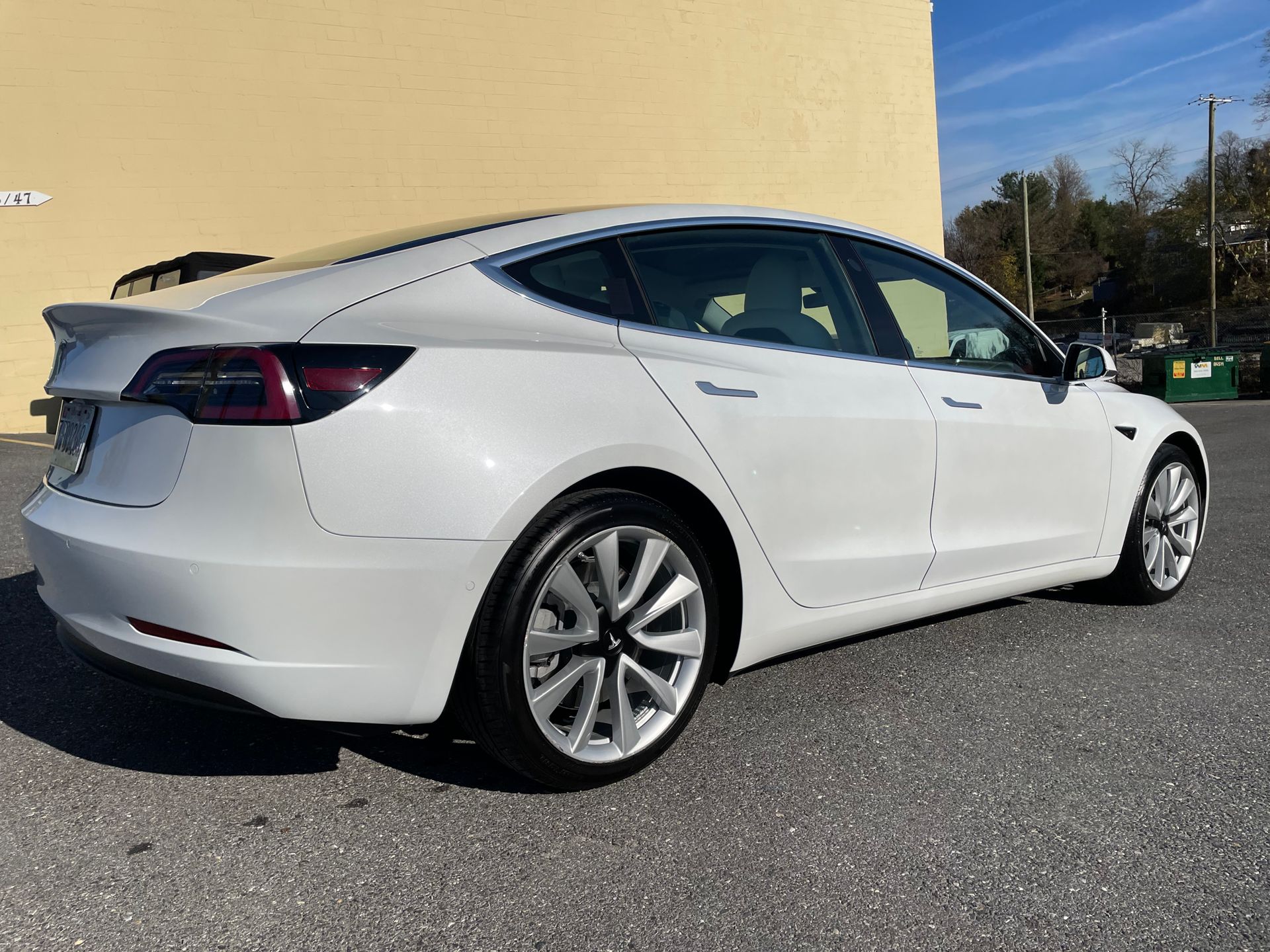
Selecting Your Self-Healing Paint Protection Film
When it comes to selecting the right self-healing paint protection film for your vehicle, there are several factors to consider. With numerous options available on the market, it's essential to make an informed decision that aligns with your specific needs and preferences. By carefully evaluating these factors, you can ensure that you choose a high-quality film that provides optimal protection and durability.
Let's say you recently purchased a sleek new sports car and want to keep its pristine appearance intact. You decide to invest in a self-healing paint protection film to shield your car from potential scratches and damage. The next step is selecting the most suitable film based on the following factors:
Factors to Consider
1. Quality and Durability
The quality and durability of the paint protection film are vital considerations. Look for films made from top-tier materials that offer excellent resistance to light scratches, fading, and yellowing over time. Self-healing properties, where the film can repair minor surface imperfections automatically, are also highly desirable for long-lasting protection.
2. Variety of Coverage Options
Consider the coverage options offered by different paint protection films. Some films cover specific areas prone to damage, such as the hood, fenders, or door edges. Others provide full-body coverage for comprehensive protection. Assess which areas of your vehicle require the most safeguarding and choose a film that
suits your requirements.
3. Clarity and Aesthetics
Aesthetic appeal plays a role in choosing a self-healing paint protection film, as it becomes an added layer on your vehicle's exterior. Look for films that offer high optical clarity, allowing your car's color and shine to shine through without any noticeable distortion or haze.
4. Ease of Installation
Consider whether you plan to install the paint protection film yourself or have it professionally installed. Some films are more DIY-friendly, with pre-cut kits and user-friendly installation instructions. Others require the expertise of a professional installer. Assess your comfort level and budget accordingly.
5. Warranty and Customer Support
Warranty coverage and reliable customer support are crucial factors to consider when selecting a paint protection film. Look for manufacturers or brands that provide comprehensive warranties, ensuring that you're protected against any defects or issues after installation. Additionally, research customer reviews and experiences with the brand's customer support to gauge their responsiveness and helpfulness.
Choosing a self-healing paint protection film is similar to selecting the right suit of armor for your car. You want it to be durable yet aesthetically pleasing, providing optimal protection against potential threats.
- A report from the International Journal of Automotive Technology and Management stated that self-healing coatings can recover their initial state by up to 90% when micro-scratches occur.
- According to industry data, self-healing paint protection films can extend the life of vehicle paint by up to 10 years, depending on factors such as climate, usage, and maintenance practices.
- The Global Automotive Paints Market report (2020) projected a growth rate of over 30% for the paint protection films sector, highlighting the increasing consumer trust in technologies like self-healing films.
Maryland Auto Spa: Your Provider for Expert Installation
When it comes to the installation of self-healing paint protection film, you deserve nothing less than a provider who offers expert craftsmanship and exceptional service. That's where Maryland Auto Spa comes in. As a premier automotive detailing studio located in Silver Spring, Maryland, we have built a reputation for excellence in providing top-tier installation of self-healing paint protection film. With our extensive experience and credentials in ceramic coating formulas and auto detailing products, you can trust that your vehicle will receive the utmost care and attention.
Maryland Auto Spa takes pride in being highly certified in ceramic coating installation and safe automotive paint correction. Our team of skilled technicians undergoes rigorous training to stay up-to-date with the latest techniques and industry advancements.
Not only does Maryland Auto Spa offer expert installation, but we also prioritize customer satisfaction. We understand that each vehicle is unique, requiring tailored solutions to address specific needs. Our friendly staff takes the time to listen to your concerns and preferences, working closely with you to determine the best approach for protecting and enhancing your car's appearance.
So, why settle for anything less than expert installation when it comes to protecting your beloved vehicle? Choose Maryland Auto Spa as your provider for self-healing paint protection film installation. Enjoy the peace of mind that comes from knowing the best in the business is protecting your car.
Blog