Hydrophobic STEK PPF: Ultimate Vehicle Protection for Rainy Weather
SCHEDULE ONLINE GET A FREE ESTIMATEEvery car owner knows that keeping a vehicle looking great can be quite a challenge, especially in rainy weather. Water spots, rust, and dirt buildup are just some of the headaches that come with living in wet climates. Fortunately, there's a solution that offers more than just temporary relief: STEK Paint Protection Film (PPF). With its advanced hydrophobic properties, this protective film is designed to repel water and keep your car's paint shining bright, no matter the forecast. In this article, we’ll dive into why investing in STEK PPF is not just smart—it’s essential for maintaining your vehicle's beauty and integrity, especially when the clouds roll in.
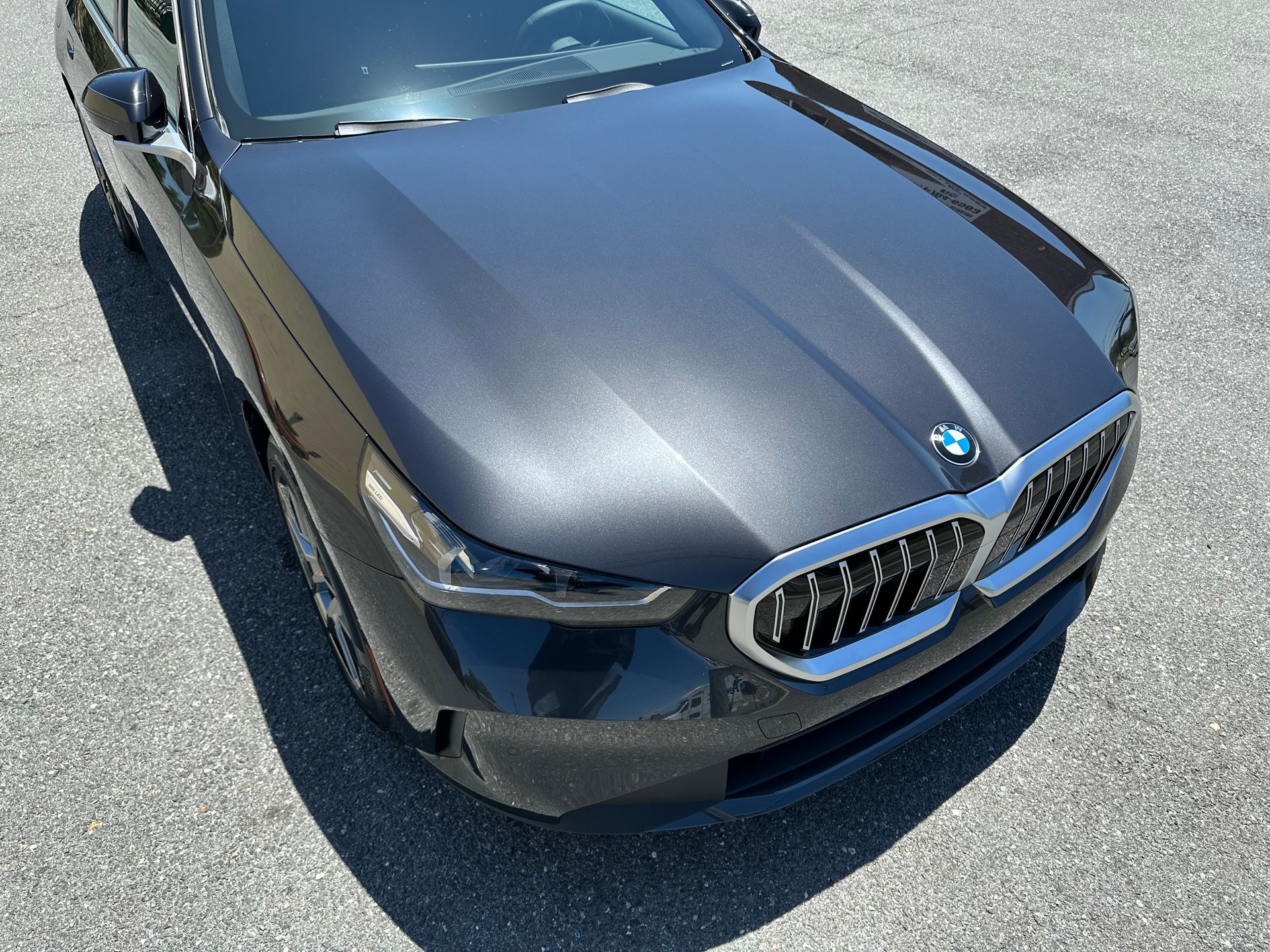
STEK PPF’s hydrophobic properties effectively repel water, reducing the accumulation of rainwater on the vehicle's surface and thereby minimizing the risk of water spots and corrosion. This protective layer not only enhances visibility during wet conditions but also helps maintain the integrity of your vehicle’s paint by preventing water from pooling and causing damage over time.
Why You Need STEK PPF in Rainy Regions
Moving without protective measures in areas that experience consistent rainfall can feel like maneuvering through a maze filled with hazards for your vehicle's exterior. The constant exposure to moisture not only makes your car prone to visible water spots but also significantly increases the risk of rusting and corrosion over time.
Notably, statistics indicate that vehicles in rainy climates are a staggering 30% more likely to develop rust compared to those in drier regions. This is largely because water accumulates on the surface of your vehicle, often mixed with harmful road grime, which can penetrate even the smallest imperfections in your paint job.
While many people might consider regular wax for protection, this method frequently falls short when facing heavy rain or extreme conditions. Unlike traditional waxes that can wear off quickly and require frequent reapplications, STEK Paint Protection Film provides a durable shield that stands up against such environmental challenges.
With its hydrophobic properties, STEK PPF actively repels water by creating a barrier that allows raindrops to bead up and roll off the surface instead of settling there. This remarkable feature reduces water retention by nearly 50% on treated surfaces!
Another benefit of PPF comes into play during cleaning. Vehicles treated with this film require less effort to maintain their shine because dirt and debris have a harder time sticking to the slick surface. The ease of cleaning becomes especially useful after a downpour when mud and rainwater make everything seem grimy. Instead of spending hours polishing away stubborn stains, you can maintain your car’s appearance with simple washes that take only minutes.
For anyone living in regions where rain is a fixture rather than an exception, understanding how advanced protective films work can further enhance vehicle longevity and appearance while making maintenance efforts much easier.
How Does STEK PPF Work?
At its core, STEK Paint Protection Film (PPF) creates an invisible shield over your vehicle’s surface. But what makes this film particularly effective?
The Technology Behind STEK PPF
STEK PPF is crafted from thermoplastic polyurethane—a material revered for its resilience and flexibility. This multi-layered film excels at protecting your car against daily wear and tear. When faced with scratches or scuffs, the top layer doesn’t simply give in. Instead, it absorbs the impact and shields the paint beneath.
When exposed to heat—whether from the sun or a light source—the film can self-heal, erasing minor imperfections as if they had never happened. This technological marvel means you can keep your vehicle looking newer for longer without constant worry about little marks or dings.
Hydrophobic Properties
The beauty of STEK PPF lies not only in its protective capabilities but also in its hydrophobic nature. The outermost layer is specially treated with hydrophobic chemicals designed to repel water like a well-made umbrella. To visualize this effect, think of how water beads off a freshly coated nonstick frying pan; raindrops gather on the surface and roll right off, taking dirt along with them.
This beading action not only enhances the aesthetics of your vehicle but also has practical benefits. In rainy conditions, a vehicle protected by STEK PPF will stay cleaner for longer periods, reducing the frequency of washes needed. It’s like adding an extra layer of ease to maintaining your car's appearance—even during the wettest seasons.
Furthermore, these hydrophobic properties help safeguard against potential rust and corrosion caused by prolonged exposure to moisture. The lower surface tension created by the hydrophobic treatment means dirt and grime have fewer opportunities to adhere to the paintwork, maintaining not just cleanliness but also integrity over time.
Benefits of Hydrophobic Protection
Hydrophobic protection provided by STEK PPF not only repels water effectively; it enhances your driving experience in a multitude of ways. Hydrophobic protection offers practical benefits in winter months.
Eases Snow and Ice Removal
Picture yourself on a chilly morning, coffee in hand, ready to head out but faced with ice clinging stubbornly to your car's surface. With hydrophobic layers like STEK PPF, these frosty troubles become significantly easier to manage. This protective coating prevents snow and ice from adhering firmly to the vehicle, allowing much of it to slide off effortlessly. You spend less time scraping the windshield and more time looking forward to that drive, which is especially crucial when you're running late!
Furthermore, vehicles treated with hydrophobic coatings can repel up to 99% of water, leading to reduced freezing on windows and mirrors. This means quicker preparation time and safer conditions as you hit the road.
Beyond the immediate utility of clearer visibility and easier snow removal, maintaining this hydrophobic layer can enhance the longevity of your vehicle's paint by protecting it from UV rays and harmful environmental pollutants.
Simplified Maintenance and Cleaning
One of the unsung benefits of applying STEK PPF is the ease of maintenance it offers. The hydrophobic qualities of this paint protection film allow dirt, mud, and other debris to be washed away with minimal effort. This means less time spent cleaning and more time enjoying the ride.
Reduced Cleaning Time
According to user reviews, cars protected by STEK PPF require half the time to wash compared to non-treated vehicles. For people with hectic schedules who would prefer not to spend their weekends cleaning, this results in substantial savings.
Long-term Cost Savings
Regular vehicle washing can add up in costs over time. Between purchasing high-quality cleaning materials, paying for a detailer’s service, or simply wasting precious time, the expenses can soar before you realize it. By reducing the need for frequent, intensive cleanings, STEK PPF allows car owners to save on both cleaning supplies and potentially costly detailing services every few months.
Many users have noted that after installing STEK PPF, they experience a reduction in cleaning frequency; some find themselves washing their cars once every month instead of weekly. Not only does this translate to financial savings, but it also extends the lifespan of both the PPF itself and the underlying paint job—protecting your investment long-term.
Overall, by choosing STEK PPF, you're not just investing in immediate visual appeal; you're also paving the way for a future where vehicle upkeep involves less strenuous labor and more convenient care.
Performance Attributes
The overall effectiveness of STEK PPF goes beyond just simple protection. It provides robust safeguarding against issues like rock chips, scratches, swirl marks, and even chemical threats from road debris like tree sap or bird droppings—things that can wreak havoc on any vehicle's finish. Here are some key performance attributes:
Protection: With an unparalleled ability to absorb impact forces and resist damage, STEK PPF shields your car’s paint from physical wear.
Longevity: Often exceeding industry standards by offering years of durable performance without requiring frequent reapplication.
Aesthetic Appeal: It maintains its glossy shine while enhancing clarity over time compared to other options like wax, which tends to dull with age.
By investing in STEK PPF, you won’t merely be enhancing your vehicle's protection; you'll also enjoy peace of mind knowing you’ve given it one of the best defenses available on the market today.
Keep Your Vehicle Protected with Hydrophobic STEK PPF
Rainy weather can seriously damage your vehicle's exterior, causing water spots, road grime buildup, and even long-term paint damage. With hydrophobic STEK PPF, you get the ultimate protection against moisture, dirt, and environmental contaminants—all while maintaining a sleek, glossy finish. Its advanced self-healing properties and water-repelling technology ensure that your car stays cleaner for longer and protects against the elements.
At Maryland Auto Spa, we specialize in professional STEK PPF installation to give your vehicle top-tier protection, enhanced durability, and long-lasting shine. Invest in hydrophobic PPF to prevent rain and harsh weather from ruining your car's appearance and drive confidently in any condition.
For those curious about eligibility for installation or any questions regarding this superior option, don't hesitate to check out Maryland Auto Spa. You can also call us at (301) 704-6503 for more information or assistance!
Blog