How Ceramic Coating Boosts Paint Longevity: Benefits for Your Car's Finish
SCHEDULE ONLINE GET A FREE ESTIMATEHave you ever observed that certain cars maintain their shine and appearance even after years of use? The secret to their lasting beauty might lie in ceramic coating—a game-changing solution for car owners who want to keep their vehicle’s paint fresh and vibrant. This protective layer not only enhances your car's appearance but also defends it against pesky environmental threats like UV rays. In this article, we'll dive into how ceramic coatings work, their impressive benefits, and why they are becoming a favorite among car enthusiasts and everyday drivers alike.
Ceramic coating improves paint longevity by creating a durable, protective layer that chemically bonds to the vehicle's exterior, shielding it from UV rays, harsh chemicals, and environmental pollutants. This advanced protection significantly reduces the need for frequent waxing while maintaining a high-gloss appearance, thus preserving the integrity and vibrancy of the paint for years to come.
The Basics of Ceramic Coating
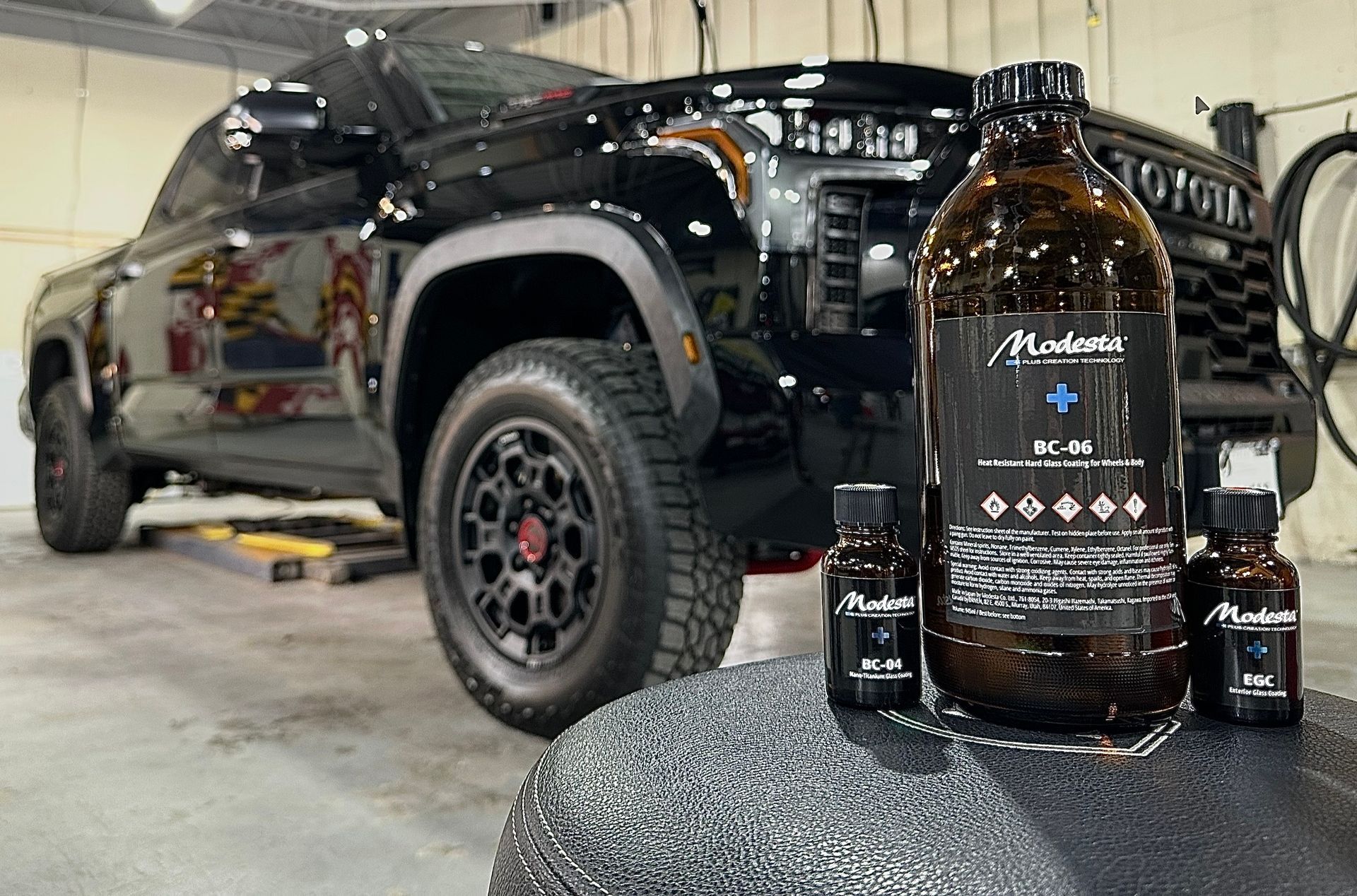
Ceramic coatings are more than just a product; they represent a significant advancement in car care technology. They provide a robust alternative to ordinary waxes and sealants, with longevity and performance that can genuinely transform the way your vehicle's exterior is protected. A liquid polymer applied to the car's surface that creates a solid chemical bond with the original paint is the fundamental component of a ceramic coating. This interaction creates an almost impenetrable shield against harmful elements such as dirt, grime, and UV rays.
Ceramic coatings distinguish themselves from conventional products by utilizing cutting-edge nanotechnology to achieve remarkable properties. The tiny molecules within the coating fill in micro-pores within the paint surface, offering enhanced protection and making it far more difficult for contaminants to adhere to the finish. The result? A glossy look that still appears showroom-fresh even after exposure to harsh environments.
To fully appreciate these benefits, we must also consider the essential components that make up these advanced solutions.

Chemical Composition and Application Process
High-quality ceramic coatings typically consist of silicon dioxide (SiO2) and titanium dioxide (TiO2). Silicon dioxide is known for its hardness, and when combined with titanium dioxide, it creates a clear, tough layer that significantly enhances durability. This combination offers exceptional resistance against UV damage and other pollutants—effects that standard protective finishes simply cannot match.
Achieving optimal results requires meticulous attention to detail during the ceramic coating application process. Proper surface preparation is key—thoroughly washing and decontaminating the vehicle using a clay bar removes embedded dirt particles. Following this, polishing the paintwork enhances adhesion by creating an ultra-smooth surface for the coating to bind effectively.
After these preparatory steps are complete, applying the coating must take place in a controlled environment—free from dust or contaminants. This is vital because any contaminants caught under the coating can lead to imperfections or decreased effectiveness over time.
Once applied correctly, maintenance becomes remarkably straightforward. It’s essential to understand that proper maintenance will keep your vehicle looking pristine for years to come. Regular washing with pH-neutral shampoos preserves the integrity of the ceramic layer while avoiding abrasive cleaners or harsh automatic car washes, ensuring longevity. When cared for properly, many ceramic coatings last anywhere from 2 to 7 years depending on usage and environmental factors.
How Ceramic Coating Protects Car Paint
The beauty of ceramic coatings lies in their advanced formulation, which creates a semi-permanent hydrophobic barrier on your car's surface. Unlike basic wax, which often washes away after just a few rain showers, ceramic coatings chemically bond with the paint, ensuring long-lasting protection against various environmental elements.
One of the key benefits of ceramic coatings is their role as a sacrificial layer. These coatings effectively absorb harmful contaminants such as bird droppings or tree sap, preventing them from directly affecting your paint. This means that if something corrosive lands on your car, it interacts with the coating rather than the paint itself. Over time, this can result in fewer paint defects and ultimately prolong the life of your vehicle's finish.
Benefits Against Environmental Hazards
- UV Protection: With UV rays being one of the leading culprits for paint fading, ceramic coatings act as a shield. They significantly reduce solar damage, providing up to 99% UV protection. This helps keep your vibrant color crisp and fresh over time.
- Chemical Resistance: No more worrying about spills or splashes from road tar or tree sap! Ceramic coatings are designed to resist harsh chemicals that otherwise could lead to painful etching in traditional paints.
With such strong protection against environmental hazards, many car enthusiasts see ceramic coatings as a wise investment in maintaining the aesthetics and value of their vehicles.
Enhancing Aesthetic Appeal
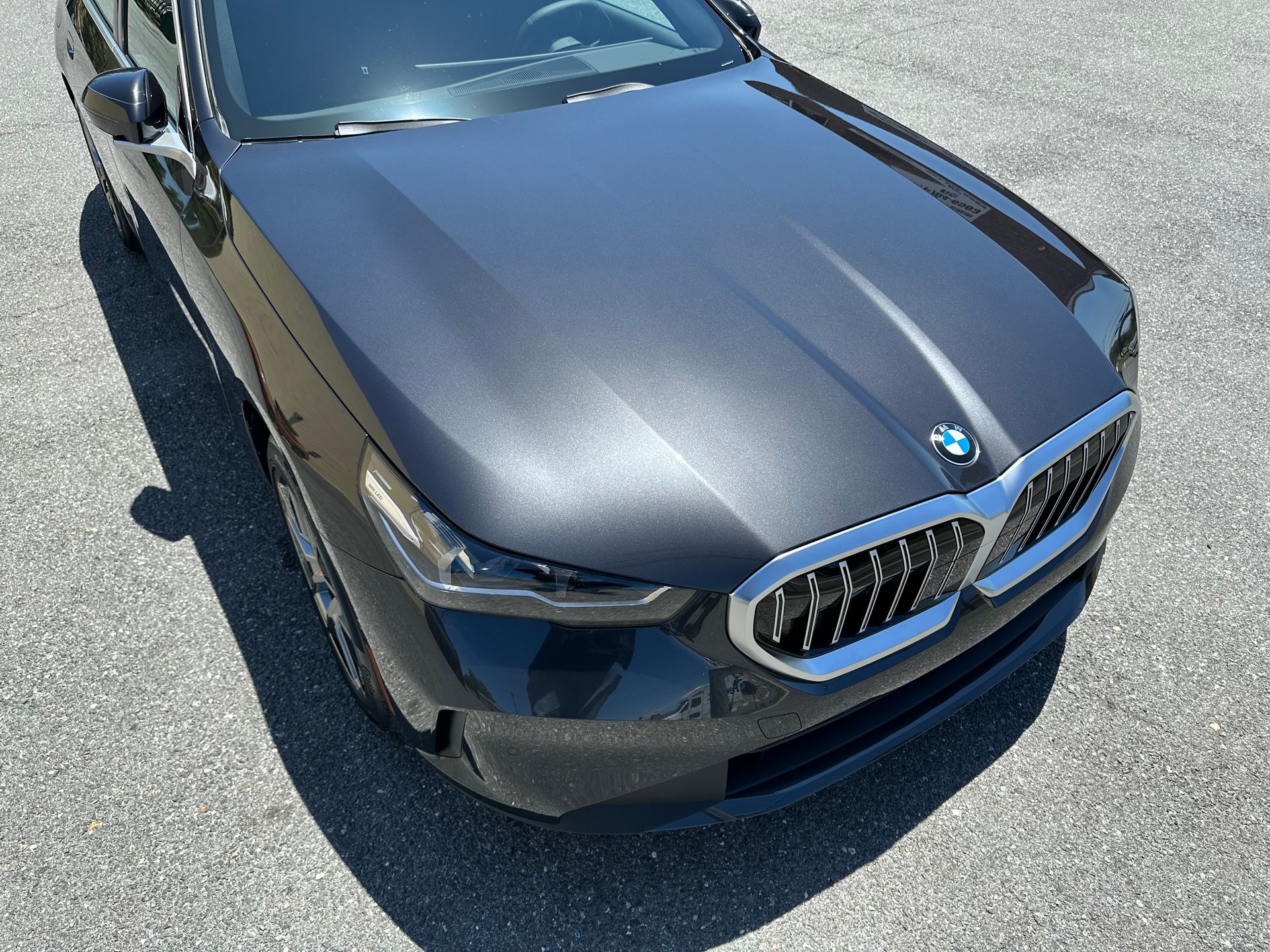
Your car's stunning shine and depth of color are often the first things that come to mind when considering its aesthetic appeal. Ceramic coatings play an integral role in achieving this captivating appearance. Upon application, these liquid polymers bond with the paint surface, forming a protective layer that boosts luminosity significantly. This chemically enhanced shine far surpasses that provided by traditional waxes or sealants, giving your car a dazzling finish reminiscent of a showroom model.
Endurance Meets Elegance
While the coating provides an undeniably beautiful finish, it also prolongs the vibrant appearance of your vehicle's paint. Ceramic coatings offer substantial UV protection, which can decrease paint fading by approximately 90% over five years. Vehicles treated with ceramic coatings retain their color vibrancy for two to five years longer compared to those without such treatments. That sort of longevity spells real savings in both time and cost when considering frequent repainting or costly detail sessions you may avoid.
All these factors combine to create a vehicle that not only dazzles onlookers but also withstands wear and tear from environmental elements.

Durability and Longevity
One of the standout features of ceramic coatings lies in their impressive longevity. These high-quality protective layers can last between two to five years, a stark contrast to traditional waxes that require reapplication every few months. Imagine the freedom of knowing that your car’s paint is shielded for years at a time without constant upkeep. In addition to saving you time, this durable defense helps you look more put together over time.
Maintaining this protective coating is quite straightforward too. To prolong the life of your ceramic coat, all it takes is regular washes with pH-neutral shampoos and avoiding harsh automatic car washes. This type of maintenance guarantees the preservation of your investment and maintains the pristine appearance of your vehicle.
Considerations and Maintenance
One of the first considerations when opting for a ceramic coating is understanding the intricacy of its application process. Achieving that perfect bond between the coating and your vehicle's paint requires not just a steady hand but also professional expertise. Quality matters; a subpar application can lead to uneven coverage, which might diminish the coating's effectiveness. It's always wise to invest in services from professionals who use high-quality products and possess the experience to ensure optimal results.
Ongoing Maintenance
After applying the gleaming ceramic coating, ongoing maintenance becomes crucial. This is where many owners make a mistake: treating their new coat in the same way as traditional waxes is not recommended. The regular washing routine plays a significant role in maintaining the electric shine and durability provided by ceramic coatings.
For best results, it's advisable to steer clear of automatic car washes that rely on harsh brushes, which can scratch or wear down your coating over time. Instead, choose touchless car washes or enjoy hand washing your vehicle with pH-neutral shampoos.
Routine maintenance should be scheduled every six to twelve months. It not only helps sustain the hydrophobic properties—meaning your car will repel water more effectively—but it also minimizes water spots, dirt accumulation, and pesky contaminants like tree sap that could otherwise compromise your vehicle's finish.
Regular checks are essential; inspecting your vehicle for any signs of wear or damage ensures you're addressing potential issues early on. While ceramic coatings significantly enhance resistance against chemical stains, no coating is entirely foolproof. Even the toughest coatings can benefit from periodic enhancements or topping products designed specifically for them.
By sticking to a structured maintenance plan—regular washes with suitable products and occasional inspections—you enhance the longevity of your coating investment. By adhering to a structured maintenance plan, you not only preserve the aesthetics of your vehicle but also maintain its market value, thereby ensuring that it continues to attract attention on the road for years to come.
If you're ready to elevate your car's aesthetic appeal while ensuring lasting protection, consider investing in professional ceramic coating services today! For inquiries, reach out to us at Maryland Auto Spa or call us at (301) 704-6503!
Blog