Innovations in Clear Coats: Exploring the Latest in Paint Correction Technology
SCHEDULE ONLINE GET A FREE ESTIMATEIn a world where your car isn’t just a means of transport but an extension of your personality, maintaining its pristine condition becomes paramount. Join us as we explore the revolutions in paint correction technology, where we uncover the magic behind transforming grime-covered finishes into gleaming masterpieces. It's more than just buffing out scratches—it's elevating auto detailing to an art form. Buckle up and step into the future of lustrous finishes on four wheels!
Different Paint Correction Levels
When it comes to
paint correction, it's crucial to understand that not all imperfections are the same. Each vehicle requires a different level of correction based on the severity and depth of defects present in its paintwork. At Maryland Auto Spa, we offer three levels of paint correction to cater to the specific needs of each customer's vehicle.
Let's say you have an older car that has been exposed to years of neglect and environmental damage. It may have accumulated a multitude of scratches, swirl marks, and oxidation, making it appear dull and lackluster. In such cases, you would require a higher level of paint correction to effectively address these deep-rooted imperfections.
On the other hand, if you own a relatively new car with minor surface-level defects like light scratches and swirl marks caused by improper washing techniques or general wear and tear, a lower level of paint correction can produce excellent results in enhancing the overall appearance.
By offering multiple
levels of paint correction, we ensure that our customers receive tailored services that meet their unique needs. Our skilled technicians thoroughly evaluate each vehicle's condition and recommend the most suitable level of correction to achieve optimal results.
The benefits of having different levels of paint correction are abundant. Not only does it allow for customized treatment based on the current state of your vehicle's paintwork, but it also ensures that the process is
efficient and cost-effective.
For instance, if your car only requires surface-level correction, there is no need for extensive cutting and refining steps that are reserved for more severe defects. By focusing on the specific areas that need attention, Level 1 correction can yield significant improvements in gloss, clarity, and swirl mark reduction without unnecessary time or material consumption.
Some may argue that opting for a lower level of correction might be insufficient for achieving flawless results. While it's true that deeper defects may still be slightly visible after Level 1 correction, it's essential to consider the overall value and long-term benefits. Choosing a more conservative approach can preserve your vehicle's clear coat thickness and extend its
lifespan. Find out
how long a paint correction lasts!
Additionally, it's important to remember that paint correction is not a one-time fix but an ongoing process to maintain the appearance of your vehicle. Regular maintenance, such as washing techniques and protective coatings, can prolong the effects of paint correction and prevent new imperfections from occurring.
Innovations in Paint Correction Technology
In recent years, there have been significant advancements in
paint correction technology that have elevated the possibilities and efficiency of achieving flawless results. These innovations not only enhance the effectiveness of correction techniques but also ensure a safer and more precise approach to restoring your vehicle's paintwork.
One notable innovation in paint correction technology is the advent of cutting-edge compounds and materials. These advanced formulations are designed to optimize defect removal while minimizing the risk of marring or damaging the paint surface. They feature refined abrasive particles that work harmoniously with different pad types to achieve superior correction results. With these compounds, professional detailers can effectively address moderate to heavy defects without compromising the integrity of the paint.
Another noteworthy innovation is the development of advanced polishing tools. While traditional rotary buffers have long been a staple in paint correction, they do pose a higher risk of generating excessive heat and causing damage if not used correctly. However, newer dual-action polishers have gained popularity due to their ability to combine cutting power with enhanced safety features. These tools feature oscillating or orbital motions that minimize heat build-up and eliminate the risk of leaving buffer trails or holograms on the paint surface.
Furthermore, advanced polishing pads have been refined to maximize efficiency and optimize results. Microfiber pads, for example, offer excellent defect removal capabilities while producing minimal haze or marring. Foam pads, on the other hand, come in various densities and designs, catering to different degrees of defect severity.
Cutting-Edge Compounds and Materials
When it comes to paint correction, the quality of the compounds used is crucial to achieving a flawless finish. Fortunately, the automotive industry has seen significant advancements in the formulation of cutting-edge compounds and materials designed specifically for paint correction. These new products offer improved cutting power, longer working times, and enhanced versatility to tackle a wide range of imperfections on vehicle surfaces.
The advanced compounds not only offer superior performance but also save time and effort during the paint correction process. Their improved cutting power allows for faster defect removal, while their longer working times give detailers more flexibility to achieve optimal results. Furthermore, these compounds are formulated with high-quality ingredients that minimize dusting and splatter, ensuring a cleaner work environment.
With the introduction of these cutting-edge compounds and materials into the market, detailers now have access to powerful tools that can transform the appearance of vehicles. Whether you're dealing with minor scratches or deep imperfections in the paintwork, these advanced products have proven themselves capable of delivering outstanding results.
As the demand for superior results grows in the automotive industry, paint correction technology continues to evolve. By investing in these cutting-edge compounds and materials, detailers can now achieve unparalleled levels of perfection in their work. The success stories and positive feedback from both professionals and customers speak volumes about the effectiveness of these advanced products.
Of course, there will always be debates among detailers about which compound is truly the best. Some may argue that traditional compounds still have their place in certain scenarios, while others swear by these new innovations. Ultimately, the choice of compound depends on factors such as the severity of defects, type of paintwork, and personal preferences. Experimenting with different compounds can help detailers discover their preferred formulations and techniques for achieving optimal paint correction results.
Choosing the right compound is like selecting an artist's paintbrush. Each brush has its own bristle type, shape, and size, designed for specific painting techniques and effects. Similarly, each compound has its own unique formulation and purpose to achieve desired outcomes in paint correction. Just as a skilled painter selects the perfect brush for each stroke, a detailer must carefully choose the ideal compound to address various imperfections on vehicle surfaces.
Advanced Polishing Tools
No paint correction process is complete without the right polishing tools in hand. Advancements in polishing technology have transformed the industry, enabling detailers to achieve higher levels of accuracy and efficiency. From cordless polishers to forced rotation polishers, these tools offer benefits like increased maneuverability, improved control, and enhanced cutting power.
Cordless polishers have gained immense popularity among detailers due to their freedom of movement and convenience. With no cords or hoses to worry about, these cordless machines allow detailers to move around vehicles effortlessly. This increased mobility is especially useful when working on larger vehicles or navigating tight spaces. Cordless polishers also feature powerful batteries that provide long runtimes, ensuring uninterrupted workflow without the need for frequent recharging.
Forced rotation polishers are another game-changer in the field of paint correction. Unlike traditional dual-action polishers, forced rotation polishers have a direct drive mechanism that creates a spinning motion with a forced circular orbit. This unique action generates more cutting power compared to standard dual-action machines. This increased cutting capability means detailers can tackle more severe defects efficiently while still maintaining control over the polishing process.
Foam pads and microfiber pads have also become integral parts of advanced polishing systems. These pads offer different levels of aggressiveness and finish quality, allowing detailers to customize their approach based on the specific requirements of each paint correction job. Foam pads are versatile and can be used with various compounds, while microfiber pads excel at removing deeper scratches and imperfections.
With these cutting-edge polishing tools at their disposal, detailers can hone their skills and achieve remarkable results in less time than ever before. The combination of advanced compounds and state-of-the-art polishing tools has truly elevated the standards of paint correction in the automotive industry.
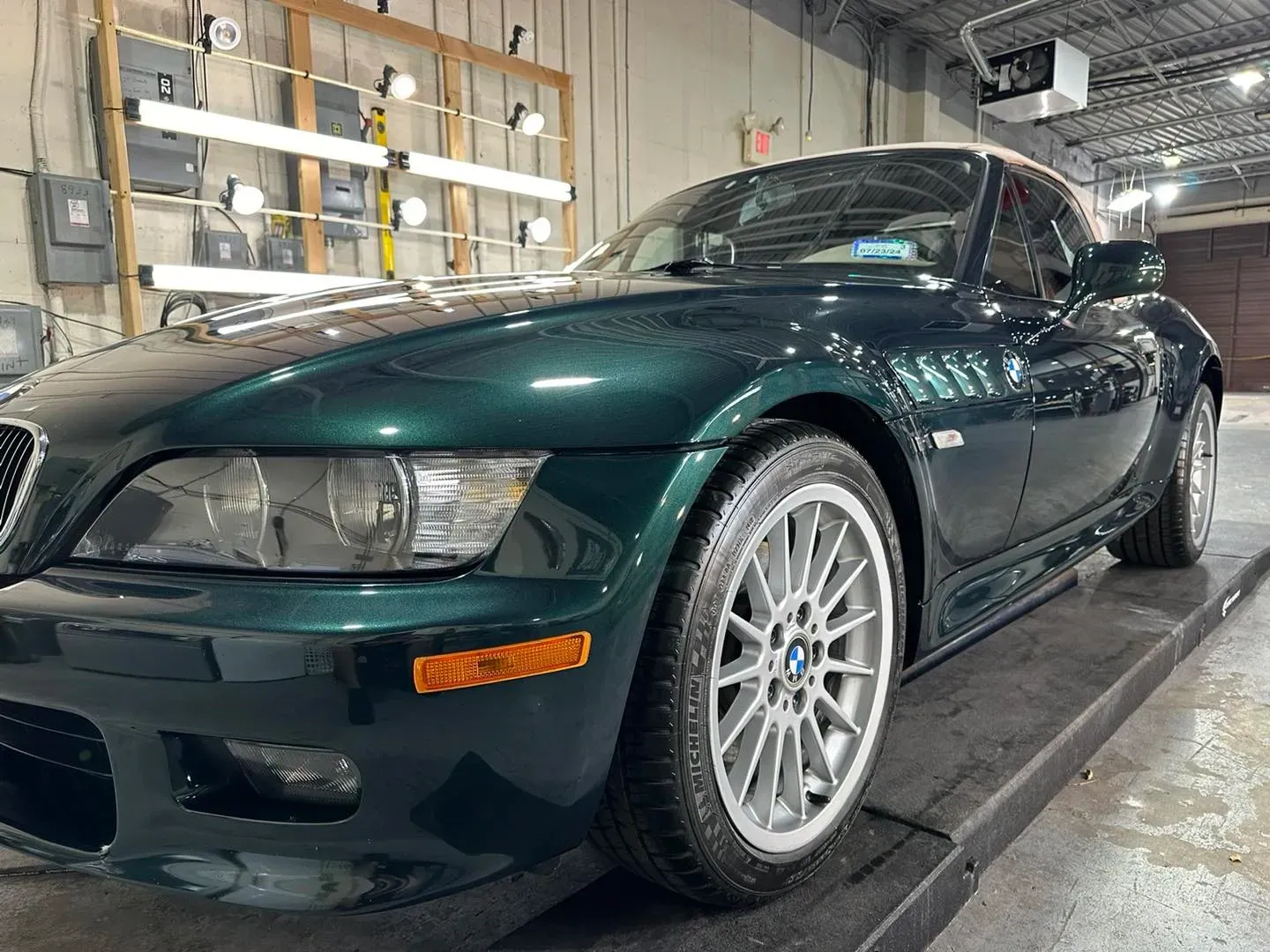
Benefits and Practical Application of Advanced Paint Correction Techniques
Advanced paint correction techniques have not only become highly effective in achieving flawless results but have also brought numerous benefits to the table. One significant advantage is increased efficiency in terms of both time and resources. With the right tools and knowledge, detailers can complete paint correction jobs at a quicker pace without compromising quality.
Let's consider a scenario where you have multiple vehicles lined up for paint correction. Without advanced techniques, tackling each vehicle individually could take hours or even days. However, by employing cutting-edge methods, such as machine polishing with the appropriate pads and compounds, you can dramatically reduce turnaround time while still achieving outstanding results.
Additionally, advanced paint correction techniques often lead to less stress and wear on both detailers and their equipment. By using innovative tools that are specifically designed for the task at hand, professionals can minimize physical strains while maximizing efficiency. This not only benefits the detailer's overall well-being but also extends the lifespan of their machinery, reducing long-term costs.
Of course, it's important to acknowledge that there may be instances where advanced techniques are not necessary or suitable. Each vehicle's condition should be assessed individually, and detailers should use their expertise to determine the best approach. Sometimes, a gentle hand polish may be sufficient, while other times more aggressive methods might be required. It's crucial to strike the right balance between advanced techniques and tailored solutions based on the specific needs of each vehicle. As you can see, embracing advanced paint correction techniques can significantly elevate your detailing game.
Maryland Auto Spa: Revolutionizing vehicle care with the latest in paint correction technology
As this blog has demonstrated, the world of clear coat technologies and paint correction is constantly expanding, offering car owners and detailers alike new opportunities to restore and protect vehicle exteriors. Maryland Auto Spa stands at the forefront of these advancements by taking advantage of innovative clear coat applications to deliver exceptional results for our clients.
Our team of experts goes far beyond simply using cutting-edge technologies; they master them. Through extensive training and in-depth knowledge of modern paint correction techniques, our experts ensure every vehicle we handle is handled with extreme care and precision.
At Maryland Auto Spa, we understand that your vehicle is more than a mode of transportation; it represents your personal style and reflects your standards. That's why we use cutting-edge clear coat technologies to ensure your car not only looks its best but is protected from environmental factors and time.
Reach out to Maryland Auto Spa now - our team would love to show you our extensive array of paint correction services and help find a solution tailored specifically to your car's needs. Let Maryland Auto Spa transform and protect it for you.
Blog