What Happens If It Rains After Having a Ceramic Coating Installed?
SCHEDULE ONLINE GET A FREE ESTIMATERain can have noticeable effects on newly coated cars. Initial showers may lead to droplets rolling off as they land on the still-curing hydrophobic layer. However, exposure to heavy rain before the coating fully hardens might hamper its bonding process with paint. Knowing when and how to care for your car post-installation is critical. If your car gets wet after a fresh ceramic coating application, rest assured that the coating is designed to endure light rain. However, it is advisable to refrain from washing the vehicle for at least a week post-application to allow for optimal adhesion. In this blog post, we will discuss what happens if it rains after having a ceramic coating installed!
Weather Impact on Ceramic Coatings
Ceramic coatings act as a protective shield for your vehicle, defending it from environmental elements such as sunlight, rain, and road grime. After having your car coated with ceramic protection, you might be wondering if the rain will remove the coating's protective properties.
The good news is that ceramic coatings are engineered to endure exposure to water. The hydrophobic properties of the coating cause water to bead up and roll off the surface when it rains. This means that most of the water doesn't stay on the vehicle's surface long enough to cause any damage. Instead of clinging to the paint, it forms tight droplets that eventually slide off, dragging any dirt or contaminants with them.
Adverse Weather
In some cases, especially during heavy or prolonged rainfall, certain contaminants in the rainwater can bond with the protected surface, potentially creating water spots and dulling the glossy finish of the coating. However, this doesn't signify a failure of the coating; rather, it suggests that additional cleaning might be necessary to restore its luster.
Extreme Temperatures
Similarly, extreme temperatures and humidity levels can impact ceramic coatings. High heat may accelerate water evaporation, potentially leaving behind mineral deposits in hard water. On the other hand, sub-zero temperatures could cause freezing and the expansion of residual moisture, leading to potential stress on the coating.
It's important to note that while these environmental factors might have an effect, a properly applied ceramic coating should still maintain its protective qualities when exposed to various weather conditions.
Now that we know how various weather conditions affect ceramic coatings, let us look at preventative measures to lessen these effects and guarantee your car gets the best protection possible.
The Immediate Effects of Rain on Fresh Ceramic Coating
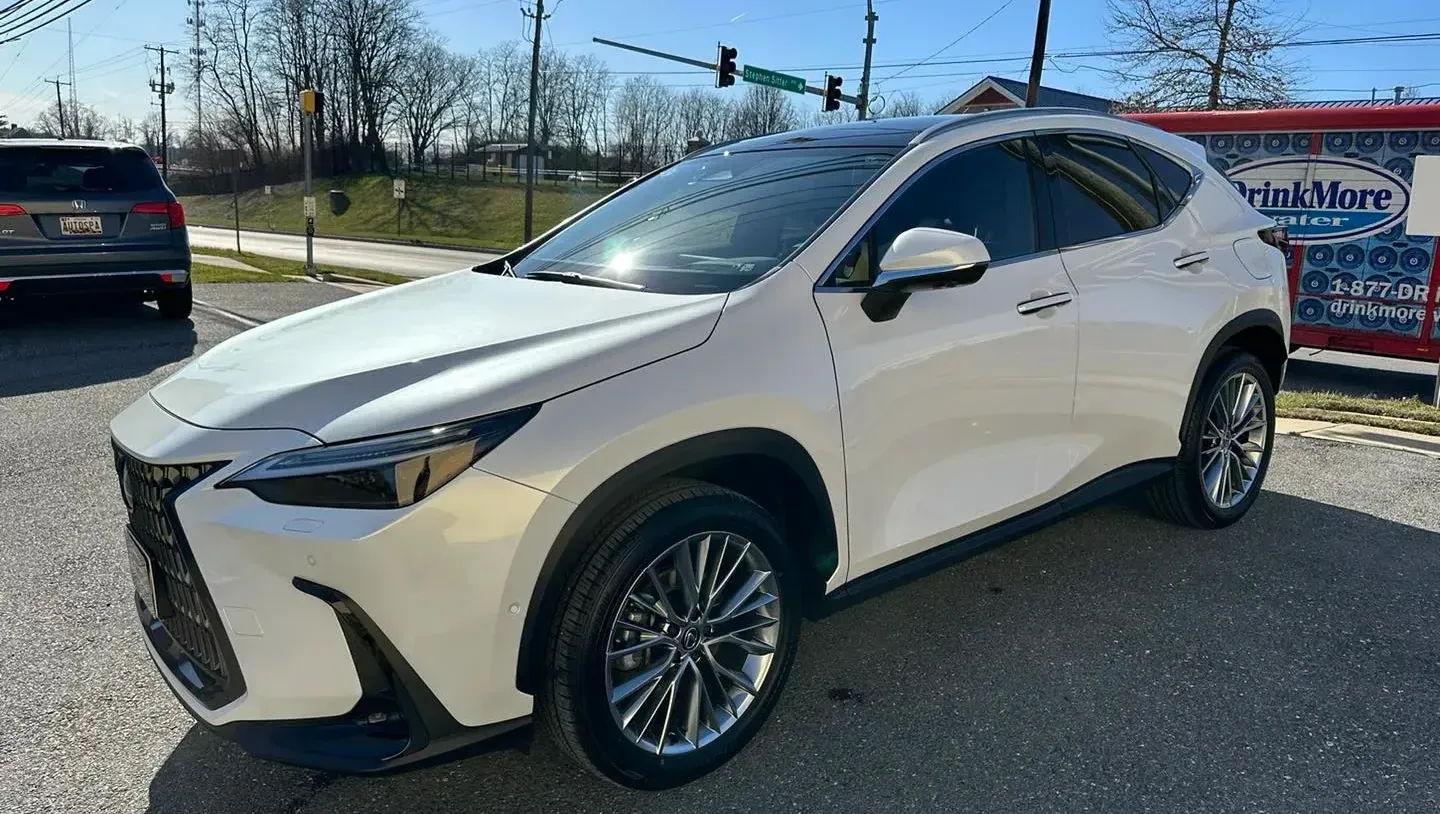
The first thing you might notice after rain hits your freshly ceramic-coated car is the way the water behaves. Instead of spreading out over the surface, it forms into tight beads and rolls off easily, showcasing the hydrophobic properties of the coating. This effect is a good sign that the ceramic coating is doing its job by repelling water effectively. It's like watching tiny droplets skate across the surface of your car, leaving behind minimal residue.
If your ceramic coating hasn't fully cured when it encounters heavy rain, there's a possibility that contaminants from the rain can prevent the coating from fully bonding to the paint. The initial days after applying a ceramic coating are crucial as they determine its long-term effectiveness.
It’s kind of like planting grass seeds and then having a sudden downpour wash away most of them before they have a chance to take root.
To ensure that your ceramic coating remains intact and effective even after exposure to heavy rain, immediate maintenance and care are necessary.
Long-Term Effects of Weather on Coated Vehicles
When well-applied, a fresh ceramic coating can withstand a light rain shower. However, the long-term effects of inclement weather and environmental factors need to be considered. Over time, repeated exposure to rain, UV radiation, and pollutants such as bird droppings can gradually degrade the protective properties of the ceramic coating. These elements don't just wash away with rainfall and may pose a threat to the coating's integrity and glossy finish.
Acidic rain, in particular, can prove detrimental to ceramic coatings. The acidic properties of rainwater can erode the protective layer of the ceramic coating, leaving the vehicle's surface vulnerable to potential damage. Moreover, UV radiation from sunlight can gradually deteriorate the coating's hydrophobic properties, reducing its ability to repel water effectively. Therefore, regular maintenance is essential to counteract these long-term effects and preserve the coating's protective qualities.
Imagine a car parked outdoors through various weather conditions: from sweltering summer heat to rainy days and snowy winters. A ceramic coating on this car would gradually undergo wear and tear from continuous exposure to such environmental stressors, underscoring the necessity for ongoing upkeep.
In order to maintain the durability and effectiveness of the ceramic coating over time, consistent care is crucial. This includes routine washing to remove contaminants that could compromise the coating's protective layer and safeguarding it against prolonged exposure to harsh weather elements. The long-term longevity of a ceramic coating relies heavily on regular maintenance practices that help counteract the impact of environmental factors.
Optimal Conditions for Ceramic Coating Curation
To ensure that your ceramic coating cures effectively, controlling the surrounding elements during this crucial phase is essential.
Creating an environment in which the coating has enough time and proper conditions to fully cure ensures that it binds strongly with your car's paint, providing long-lasting protection.
Most professional detailers recommend keeping your car in a controlled environment for at least 24 hours after applying the ceramic coating. During this period, exposure to rain or moisture is strongly discouraged, as it can impede the coating's ability to fully bond with your vehicle’s paintwork.
Overall, creating optimal conditions for curing allows the ceramic coating to bind securely with your car’s paint, setting the stage for long-term protection and glossiness.
Maintenance Tips for Rain Exposed Coated Cars
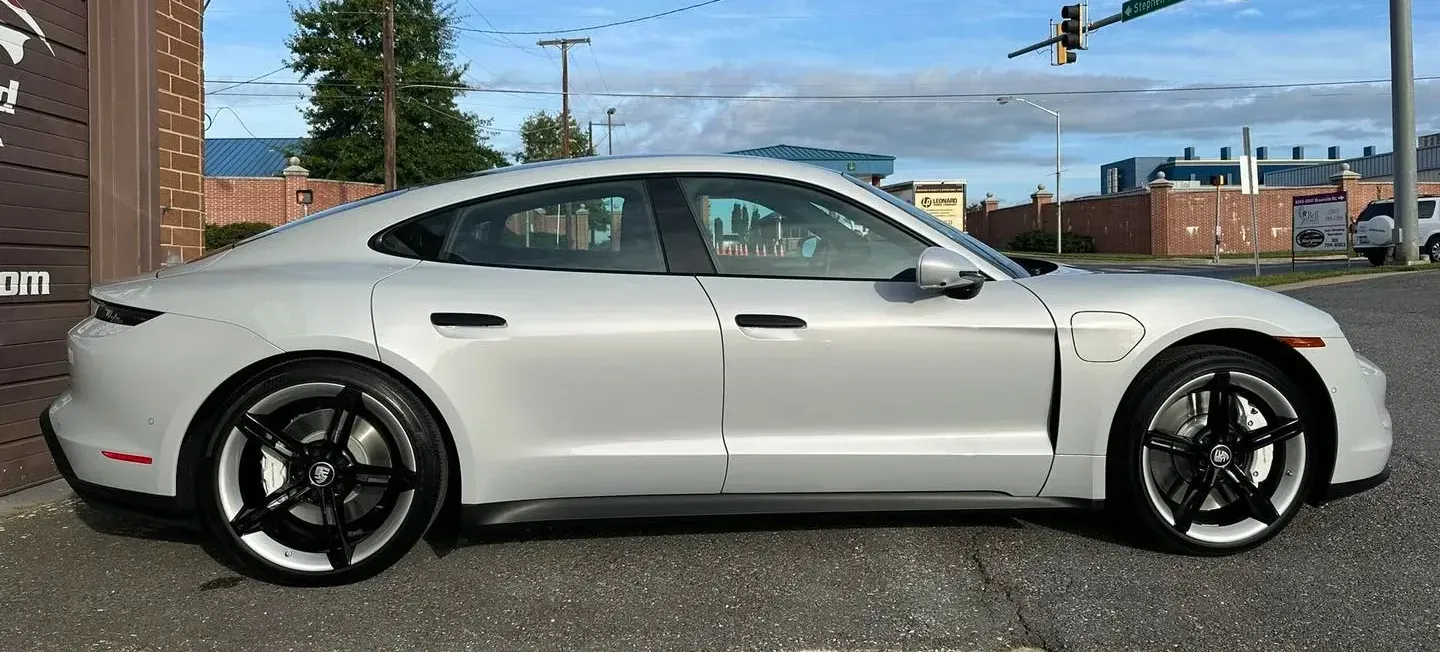
When rainwater hits a car with a ceramic coating, it can contain impurities that might affect the glossiness of the coating if left unattended. Therefore, it's crucial to promptly attend to your vehicle after rain exposure. Consider these essential steps to maintain the integrity of your ceramic coating after rainfall.
First and foremost, a gentle wash using a pH-neutral car wash solution is crucial to eliminating any dirt or grime accumulated during the rain. This process helps uphold the protective layer without compromising the ceramic coating itself. It's much like giving your car a soothing spa treatment—it deserves some care and attention after enduring the elements.
After washing your car, soft, high-quality microfiber drying towels are indispensable for ensuring thorough drying. This not only prevents water spots but also maintains the hydrophobic properties of the coating. By repelling water effectively, it sustains the glossy finish and protects against potential water-borne contaminants.
Furthermore, regular inspection of the coated surface is vital to catch any signs of water spots, dirt buildup, or reduced hydrophobicity early on. Promptly addressing these issues can help preserve the longevity of the coating—a small effort now that pays off in enhanced protection and visual appeal later on.
Taking these measures will not only keep your car looking flawless even after rainfall but also ensure that the ceramic coating continues to provide optimal protection. This simple routine can go a long way toward maintaining the pristine condition of your vehicle. Learn more about ceramic coating maintenance tips!
Addressing Misconceptions About Ceramic Coating and Rain
Rain spotting is a common concern for car owners who have had ceramic coating applied. Many people believe that the coating offers complete protection against water spots, regardless of the water source. However, this isn't entirely true.
Understanding Water Spots
Hard water contains minerals like calcium and magnesium, which can leave behind deposits when the water evaporates. This means that even with a protective ceramic coating, these mineral deposits can still form visible spots. To minimize these spots, it's important to dry your vehicle after rain or washing and use filtered or deionized water where possible. Doing so helps prevent the minerals present in hard water from leaving their mark on your coated vehicle.
Additionally, using specific drying aids or quick detail sprays designed for ceramic-coated vehicles can help maintain the pristine look by reducing spotting and maintaining the coating's aesthetics. By correcting this misconception, we ensure that vehicle owners understand that while ceramic coatings provide significant protection against water spots, they aren't invincible in areas with hard water.
Understanding Durability
While ceramic coatings are incredibly durable and resistant to various environmental contaminants, continuous exposure to harsh weather conditions like acid rain can gradually wear down the protective layer.
A ceramic coating provides exceptional defense against most environmental threats but does require ongoing care and attention, especially in extreme or consistently detrimental weather.
Regular maintenance and periodic professional inspections are essential to ensure longevity and effectiveness beyond what a ceramic coating inherently provides. This includes regular cleansing to remove any accumulated contaminants and seeking professional reapplication if needed.
Understanding these key misconceptions is vital for maintaining realistic expectations regarding ceramic coatings and their performance in varying weather conditions.
For professional ceramic coating installation services and expert advice on maximizing the
benefits of ceramic coatings, contact
Maryland Auto Spa. Call us at (301) 704-6503!
Blog