Do I Still Need to Wash My Car After Ceramic Coating Installation? Maintenance Tips
SCHEDULE ONLINE GET A FREE ESTIMATEYes, you should still regularly wash your car, even after getting a ceramic coating. While the coating provides additional protection and makes cleaning easier, regular washing is essential to maintain the coating's effectiveness and keep your car looking its best.
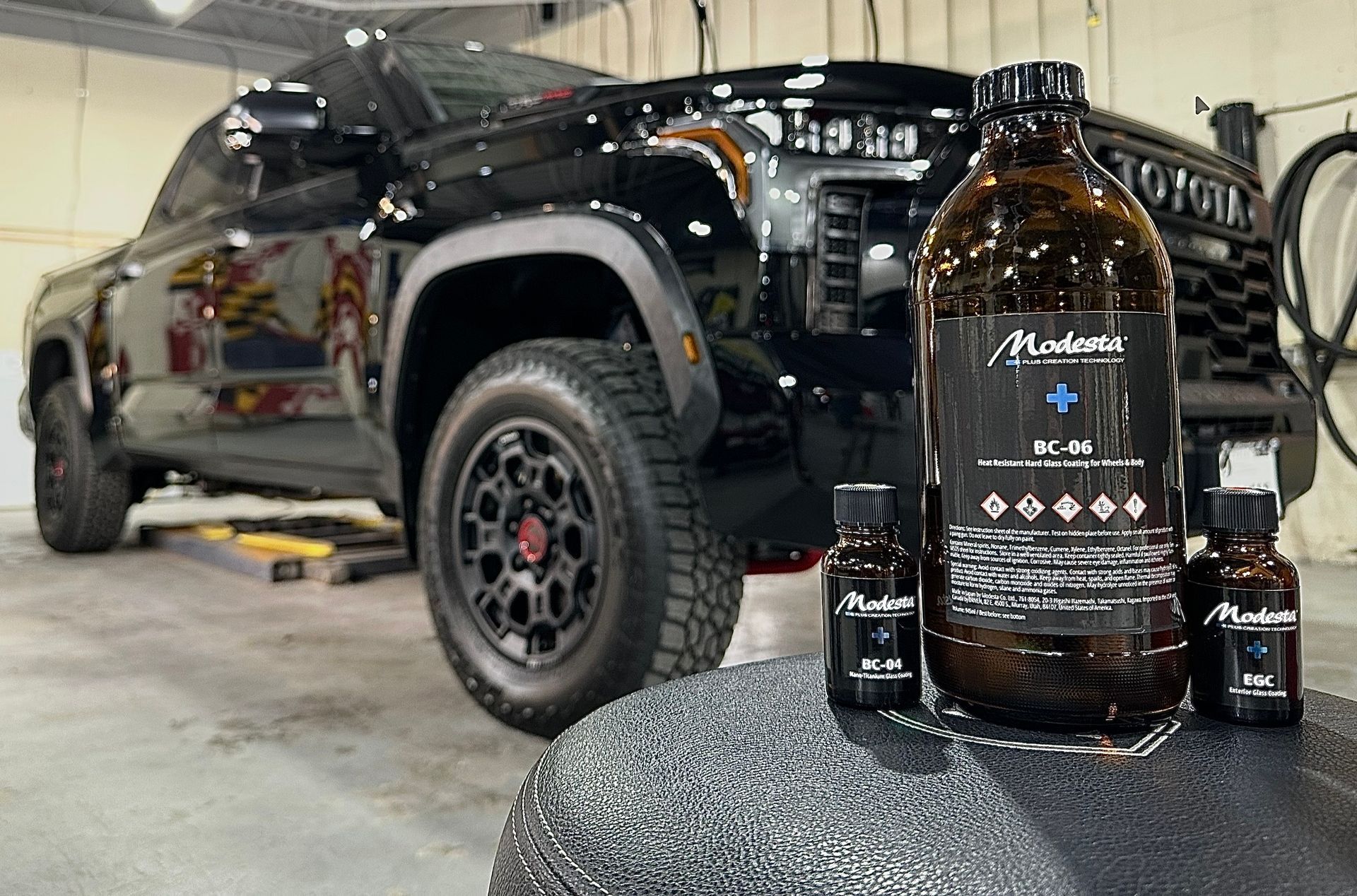
Investing in a ceramic coating for your car is a smart move that offers long-lasting protection and a mirror-like shine. Yet, even with this advanced protection, you might be surprised to learn that regular washing remains essential. Ceramic coatings provide numerous benefits, such as water-repellent properties, but they aren’t impervious to all forms of dirt and grime.
To maintain that immaculate finish, understanding how different car washes affect your coating is crucial. While some methods can keep your ride gleaming without harm, others could undo all the care and investment you've put into keeping your car looking its best. In this blog post, we will discuss why and how you should wash your car after ceramic coating installation!
Do Car Washes Damage Ceramic Coatings?
Automatic car washes offer a quick and convenient way to keep your car clean, but they can pose a potential risk to your ceramic coating. Many automated car washes utilize abrasive brushes that can create micro-scratches on the surface of your car. Although these scratches may be nearly invisible to the naked eye, over time, they can accumulate and compromise the integrity of the ceramic coating. This is particularly concerning, as these microscratches can dull the once glossy and hydrophobic properties of the coating.
On the other hand, touchless car washes with high-pressure water jets and no contact with brushes are generally safer for ceramic coatings. However, while they reduce the risk of physical abrasion, they may not completely remove all dirt and contaminants, especially those that are more stubborn and tightly adhered to the vehicle's surface. Hand washes are often considered the best option for protecting your ceramic coating, as they allow for meticulous cleaning without imparting any abrasive damage.
For those desiring professional care for their ceramic-coated vehicles, entrusting experts like those at Maryland Auto Spa is recommended. Professionals who understand the delicate nature of ceramic coatings will provide thorough hand washes that preserve the integrity and aesthetics of the coating, giving you peace of mind that your investment is well cared for. While automatic washes might seem convenient, they may cause long-term damage to your ceramic coating, making it essential to opt for gentler washing methods to maintain its pristine condition.

Proper Hand Car Washing Techniques
Washing your car by hand is an intimate experience that not only maintains the cleanliness of your vehicle but also helps you spot any issues that might need immediate attention. It's a mindful process, and using the right techniques can make a significant difference in preserving the beauty of your car's exterior.
Step I: Gather Quality Materials
To start off right, gather all the quality materials you'll need. A high-quality pH-neutral shampoo is essential, along with a bucket equipped with a grit guard to help trap dirt at the bottom of the bucket and keep it from transferring back onto your car. Using soft microfiber mitts or sponges will help prevent scratching the surface while washing.
Make sure to choose cleaning products specifically designed for cars to ensure they are safe for the type of coating you have on your vehicle. Always avoid harsh chemicals and detergents, as they can compromise the coating's effectiveness and durability.
Step II: Pre-Wash Rinse
Before you start washing your car, give it a thorough rinse with water. This is important to remove loose dirt and debris that could otherwise cause scratches during the washing process. By rinsing the car first, you're minimizing the risk of dragging abrasive particles across your car's paint.
A gentle stream from a hose or pressure washer helps in dislodging stubborn dirt without needing to physically touch the surface too much. This step sets the foundation for a safer hand wash by removing larger debris that can potentially scratch your car if rubbed against.
Step III: The Two-Bucket Method
Using two buckets is a highly recommended method for hand washing your car. One bucket should contain the soapy solution, while the other should be filled with clean water for rinsing your mitt. This reduces the chance of reapplying dirt removed from the car back onto its surface.
The two-bucket method is an effective way to prevent cross-contamination between the cleaning solution and the rinse water, ensuring that only clean suds are used on your vehicle throughout the entire process.
Step IV: Gentle Washing
When it comes time to wash, remember to do it gently. Wash your car in straight lines rather than circular motions to further minimize swirl marks, which can detract from the glossy finish of a ceramic-coated vehicle. Always start from the top and work your way down; this way you avoid dragging dirt from lower panels up to areas you've already cleaned.
Establishing a Regular Washing Schedule
So, you've invested in an impeccable ceramic coating for your car, and it's natural to want to keep it looking flawless for as long as possible. The key to maintaining the integrity of your ceramic coating is consistency in washing your car. While a thorough wash every week might sound like a good way to keep your car shining, washing it too frequently could actually work against you.
Living in areas with heavy pollution or extreme weather conditions may necessitate a more frequent washing schedule. Consistency is the key to preventing the buildup of contaminants that could potentially wear down your ceramic coating over time.
Maintaining Ceramic Coating Longevity
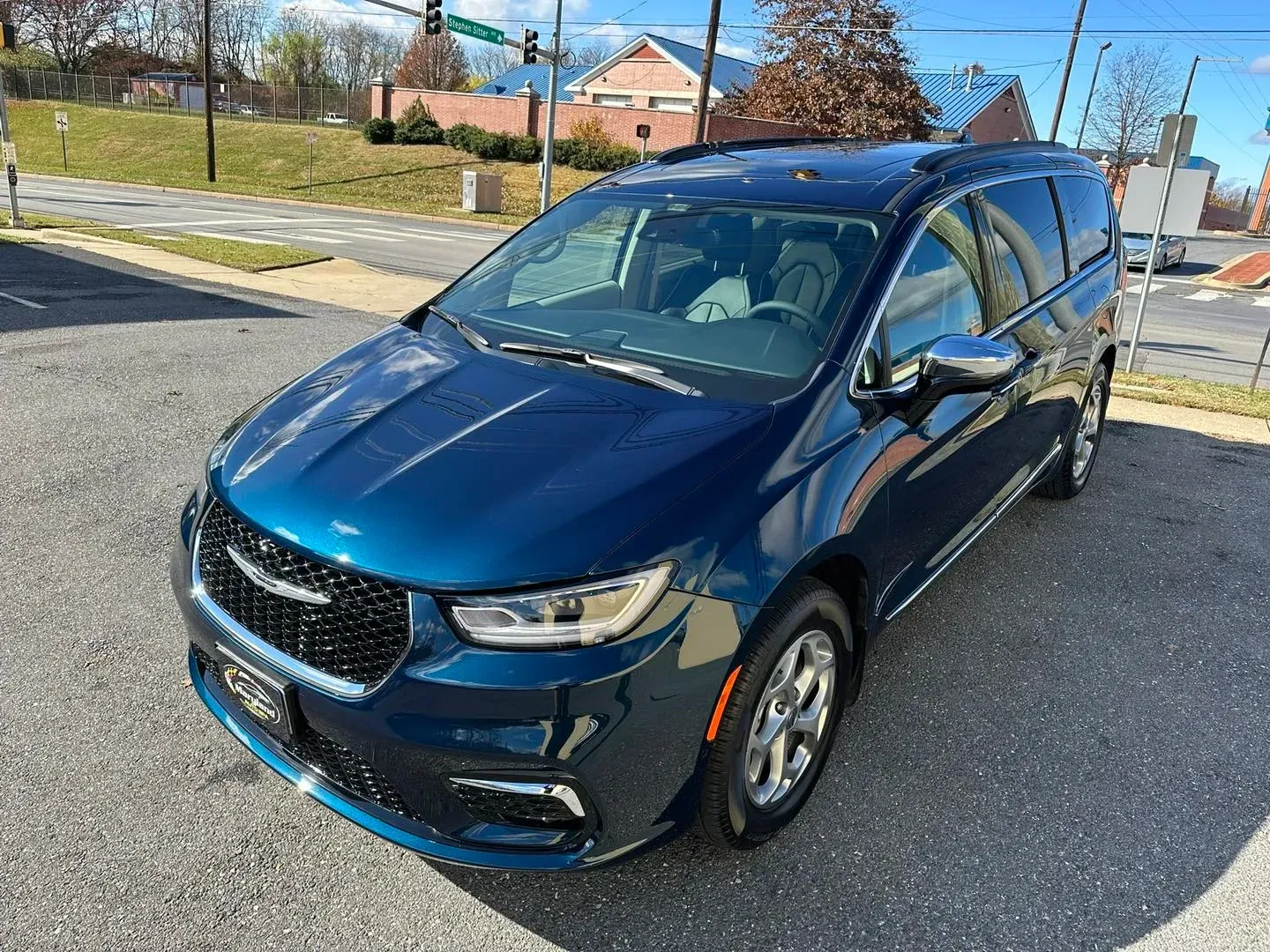
Once you've invested in a high-quality ceramic coating for your vehicle, proper care and maintenance are crucial to ensuring its longevity. Here's how you can take care of your ceramic coating to keep it looking pristine for years:.
Routine Inspections
Routine inspections play a vital role in maintaining the effectiveness of your ceramic coating. Make it a habit to regularly inspect your vehicle for any signs of contaminants, such as water spots, bird droppings, or tree sap. These elements can cause damage to the coating if left unattended, leading to potential etching and staining. Promptly cleaning off these contaminants is essential to prevent them from compromising the protective layer of ceramic coating.
Professional Maintenance
In addition to regular upkeep, it's advisable to consider professional maintenance services for your ceramic coating. Bi-annual or annual maintenance services from professionals who are well-versed in ceramic coatings offer a range of benefits. These services may include applying top-up layers of ceramic coating or carrying out a light polish to renew the protective properties of the existing coating.
These professional maintenance services play a key role in refreshing the performance of your ceramic coating. Over time, exposure to the elements can lead to wear and tear on the coating. Reapplication of top-up layers by professionals helps in rejuvenating and reinforcing the protective properties of the ceramic coating, ensuring that your vehicle maintains its sleek appearance while being shielded from environmental hazards.
At Maryland Auto Spa, we understand the significance of regular maintenance for ceramic coatings. With our expertise in ceramic coatings and attention to detail, we provide comprehensive care that safeguards your investment and keeps your vehicle looking impeccable.
By integrating routine inspections into your car care routine and seeking professional ceramic coating maintenance services, you can effectively secure the long-term durability and performance of your ceramic coating.
Expected Lifespan of Ceramic Coatings
Ceramic coatings are a game-changer when it comes to protecting your vehicle's paintwork. They offer exceptional durability and hydrophobic properties that keep your car looking brand new. But how long can you expect this protection to last? Ceramic coatings typically have a lifespan ranging from 3 to 5 years, depending on various factors, but with the right care, this protection can be extended even further.
The quality of the coating plays a significant role in determining its lifespan. Higher-quality ceramic coatings tend to have a longer lifespan due to their superior composition and resilience. These coatings are designed to withstand environmental elements and daily wear and tear more effectively, providing an extended period of protection for your vehicle's paintwork.
The environmental conditions in which the vehicle is used also impact the longevity of the ceramic coating. In harsh climates, exposure to extreme UV radiation, road salt, and other environmental contaminants can accelerate the degradation of the coating. On the other hand, vehicles that are primarily kept in a protected garage or low-exposure environment may experience a longer-lasting coating.
Final Words
While ceramic coating provides excellent protection and shine for your vehicle, it does not offset the need for regular washes. To maximize its effectiveness and keep it looking its best, you must implement a regular washing schedule. By doing this, you will avoid dirt buildup on surfaces, which will enable the ceramic coating to continue doing its job effectively.
Maryland Auto Spa's goal is to enhance and preserve the beauty of your vehicle. We specialize in professional car detailing as well as additional protective services like ceramic coating installation. For expert application and care tips for ceramic coatings, visit Maryland Auto Spa or call us at (301) 704-6503.
Blog