The Benefits of Full Body Paint Protection Film for Your Car
SCHEDULE ONLINE GET A FREE ESTIMATEEvery car enthusiast knows the constant challenge of safeguarding their vehicle’s paint against daily wear and tear. From road debris to unpredictable weather, keeping your car’s exterior in pristine condition can seem like a daunting task. This is where full-body
paint protection film (PPF) comes into play, offering unmatched protection that acts like a second skin for your vehicle.
At Maryland Auto Spa, we use top-tier films designed to withstand numerous environmental factors while maintaining a virtually invisible appearance. Our expert installations provide not only a seamless look but also significant peace of mind. It means fewer trips to the detailer for those annoying touch-ups and more time enjoying your perfectly preserved ride. Let’s dive deeper into why full body paint protection film for your car might just be the investment you’ve been searching for.
Advantages of Full Body Paint Protection Film
Full body paint protection film offers a range of benefits, including safeguarding the vehicle's clear coat from road debris, UV exposure, scratches, and chemical damage. It also preserves the car's resale value by maintaining its pristine appearance and can save you money on expensive autobody repairs in the long run.
Imagine having an invisible shield around your car, protecting it from everyday wear and tear. That's precisely what full-body paint protection film does for your vehicle. It acts as a second skin, shielding your car's exterior from environmental hazards such as road debris, tree sap, bird droppings, and UV rays. This means less worry about scratches or fading paint.
The durability and resilience of this protective film are remarkable. Not only does it preserve the original appearance of your vehicle, but it also maintains a nearly invisible presence. It resists yellowing over time, leaving your car looking fresh off the assembly line day after day.
Beyond its protective properties, full-body PPF substantially reduces the need for frequent maintenance and repairs associated with paint damage. You won't have to worry about waxing or polishing as often, saving you time and effort in keeping your car looking great.
Seamless Installation for Maximum Protection
At Maryland Auto Spa, our experts specialize in seamless full-body PPF installation. Our precise application ensures that your vehicle retains its sleek appearance while benefiting from maximum protection against environmental elements. You can trust us to provide top-tier protection that blends seamlessly with your car's aesthetics.
The advantages of full-body PPF extend beyond mere protection; they also encompass peace of mind and long-term cost savings. With such comprehensive benefits, this innovative technology proves to be an investment worth making for any vehicle owner concerned about maintaining their cherished automobile's pristine condition.
Protecting Your Vehicle from Scratches and Chips
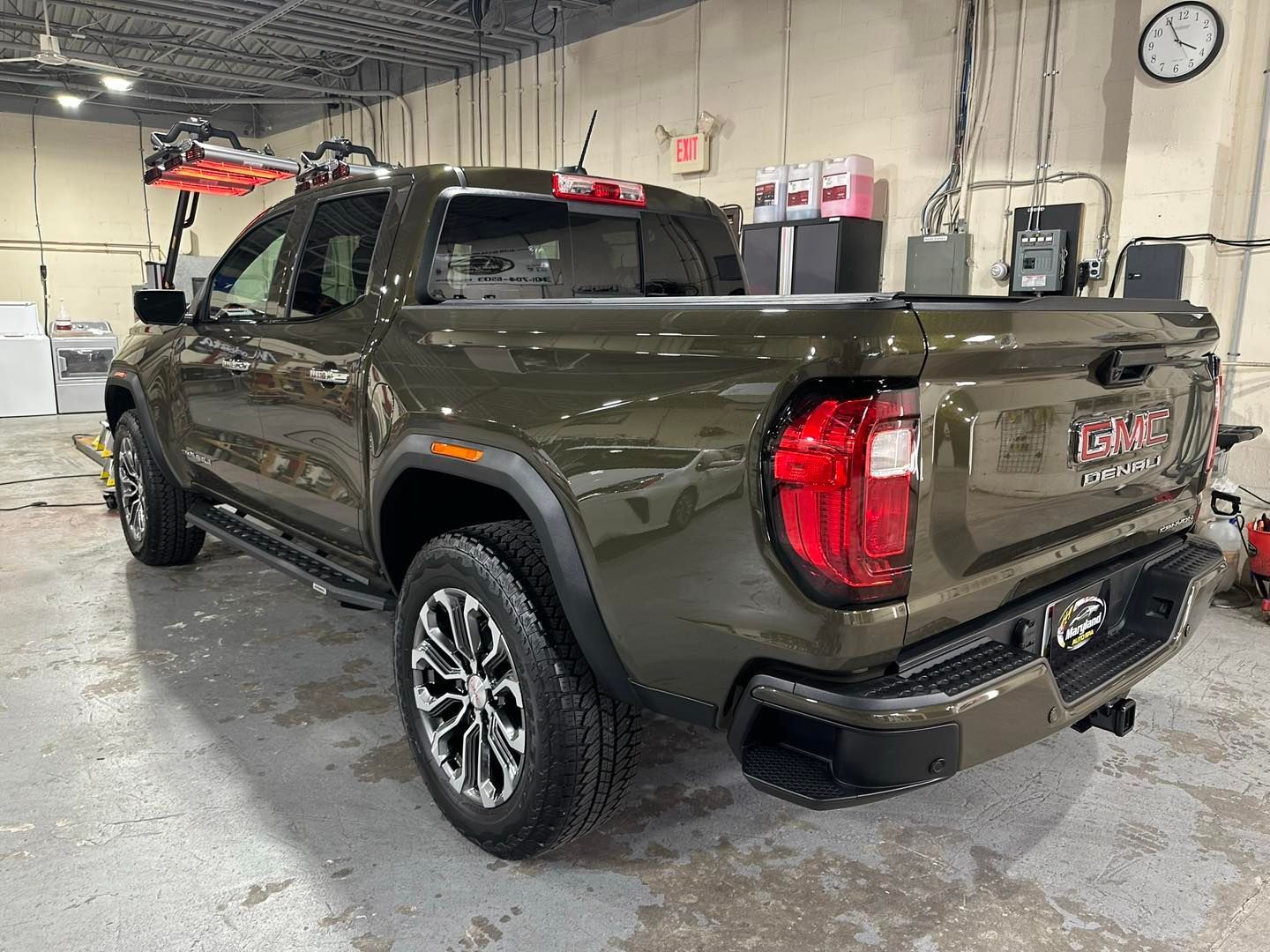
Every drive leaves your car exposed to a barrage of threats—tiny pebbles, road debris, and even minor impacts that can chip away at your car’s pristine exterior. But with a robust paint protection film (PPF), you can defend your vehicle against these hazards. The ultra-durable film acts as a shield, absorbing any impacts that might otherwise cause unsightly damage to your car’s paintwork.
Preventing Unsightly Damage
Think of the PPF as an invisible armor for your car. It takes on the brunt of those pesky road pebbles and small stones so that your car’s original paint doesn't have to. This not only maintains the sleek appearance of your vehicle but also spares you from costly repairs down the line. An intact protective film means fewer scratches and chips that could mar your car’s surface, preserving its resale value.
Self-Healing Properties
Not all PPFs are created equal. Some come equipped with self-healing properties that take protection up a notch. These self-healing films can mend minor scratches when heat is applied, erasing marks and keeping your car looking newer for longer.
By using top-tier films with self-healing capabilities, Maryland Auto Spa boasts cutting-edge technology that rejuvenates your car's exterior, ensuring it looks flawless for years to come.
With full body paint protection film’s ability to prevent unsightly damage and the incorporation of advanced features like self-healing properties, it’s clear why this investment is invaluable for preserving the appearance and value of your vehicle.
Enhancing Vehicle Appearance and Finish Preservation
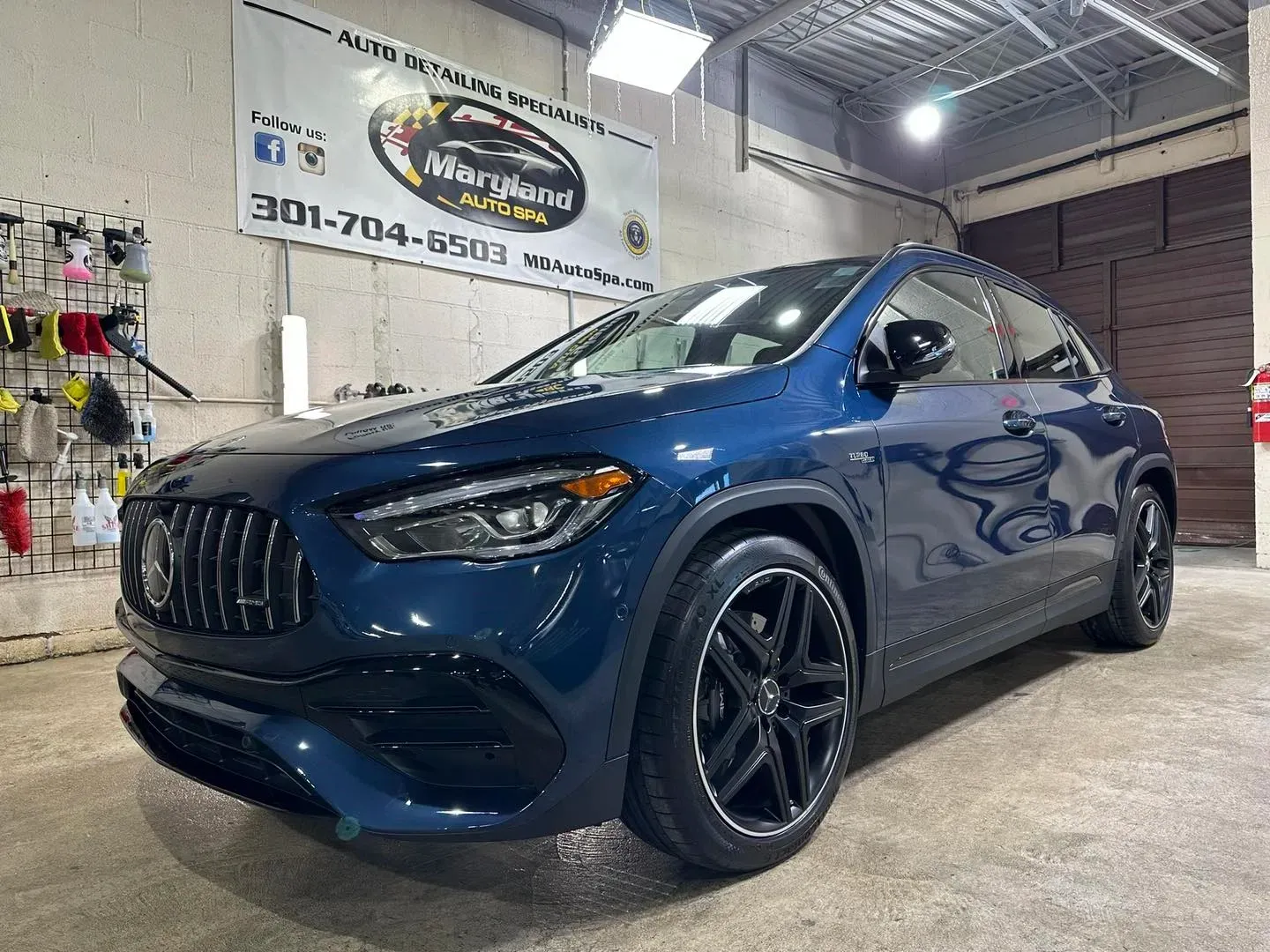
Your car is like a piece of art, isn't it? You want it to look as astonishing as it did the day you got it. Full-body paint protection film (PPF) effectively does this by ensuring that your car maintains that glossy, just-bought appearance. The gloss finish of the PPF doesn't just protect; it also amplifies the vibrancy and depth of your car's paint, giving it a showroom shine that's sure to turn heads.
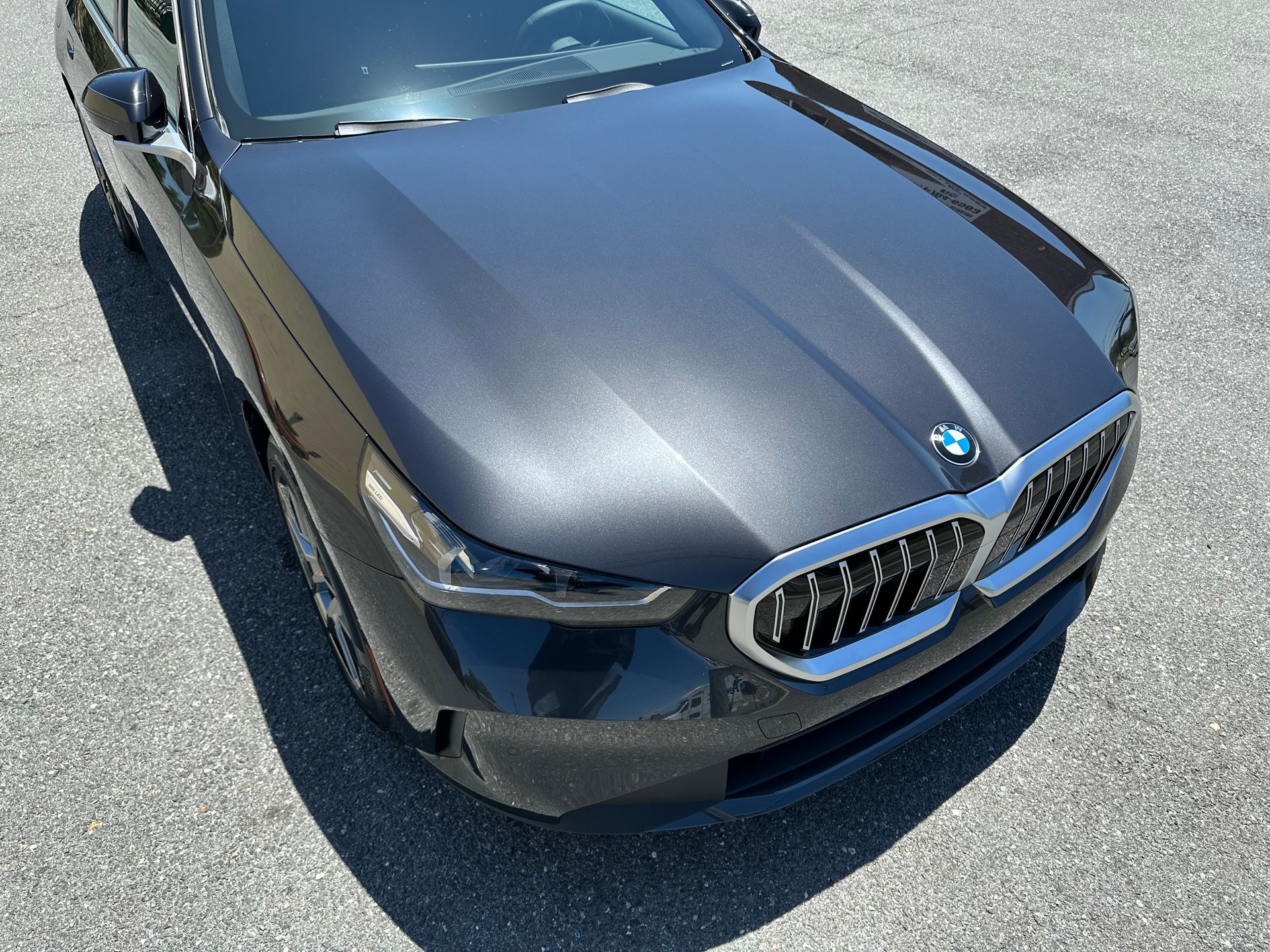
Not only does a PPF provide a glossy finish, but it can also cater to those with different style preferences. For those who prefer a sleek, muted look, matte finishes are also available. This option offers a unique satin sheen that blends appeal with subtlety. Whether you're after a bold statement or an understated elegance, there's something for everyone with PPF.
Regular maintenance for your car becomes less laborious too once you've got full-body PPF in place. The film reduces the need for frequent waxing and detailed car washes, keeping that attractive look intact for years without needing constant upkeep.
Defense Against Dirt, Dust, and Rocks
Whether you're driving through bustling city streets or scenic countryside roads, your vehicle is constantly exposed to a barrage of environmental elements. Dirt and mud splatter can tarnish your car's pristine exterior, while tiny pebbles and rocks kicked up by passing vehicles can cause unsightly pitting and chipping. This is where the protective shield of paint protection film (PPF) becomes a game-changer.
Defense Against Dirt: PPF acts as an impermeable barrier against dirt and mud. The hydrophobic nature of the film repels water and grime, keeping your car's surface cleaner for longer periods of time. When dirt does accumulate, it's much easier to clean off due to the slick surface provided by the PPF.
Defending Against Dust and Debris: Dust particles in the air can create fine scratches on your vehicle's paintwork if they settle on the surface. PPF helps to minimize this risk by providing an additional layer of protection against airborne debris.
Protecting Against Rocks and Gravel: Every time you hit the open road, your car is at risk of being bombarded by rocks and gravel. These flying fragments have the potential to cause chips and dings to your car's paint, which can be both unsightly and damaging. PPF provides a tough shield that helps absorb the impact of these flying objects, safeguarding your car's paint job from such damage.
At Maryland Auto Spa, our commitment to comprehensive coverage means ensuring that every vulnerable area of your vehicle receives maximum protection from all types of contaminants. From the hood and bumper to the side mirrors and side panels, we aim to safeguard every inch of your car's exterior using high-quality PPF.
Protection from UV Fading and Weather Elements
When considering paint protection, it's not just about maintaining your vehicle's glossy appearance. UV rays can be quite harsh on your car's paint. Similar to sunburn on our skin, prolonged exposure to sunlight can cause the paint to fade and lose its shine. This is where paint protection film (PPF) comes into play.
UV rays are invisible culprits that gradually damage your car's exterior. They penetrate the clear coat and interact with the pigments in the paint, leading to a process called oxidation. This can result in color changes and a dull, weathered appearance over time. PPF serves as a barrier against UV radiation, preventing it from reaching the clear coat and the paint beneath. Essentially, it provides your car with a shield from the harmful effects of sunlight.
Using scientific advancements, modern PPF films are engineered to offer superior UV protection qualities. They effectively prevent harmful ultraviolet light from penetrating your vehicle's finish, which can dull its luster and vibrancy. These high-tech films are sturdy enough to withstand prolonged exposure to sunlight, which is particularly valuable during hot summers or in regions with high UV index levels.
Beyond safeguarding against UV fading, PPF offers defense against a variety of weather elements like rain, bird droppings, or tree sap, which can compromise your car’s paint job if left unchecked. PPF creates a protective barrier against these common nuisances, ensuring that they don't cause lasting damage to your vehicle.
These environmental elements—acid rain, tree sap, and bird droppings—contain chemical compounds that can etch into the paint if not addressed promptly. By applying PPF, you're essentially preparing your car to withstand these challenges.
Long-term Investment Benefits
Your car isn't just a mode of transport; it's an investment. Paint protection film (PPF) steps in as a strategic solution to protect and maximize your vehicle's value over time. While there is an upfront cost, consider this: by safeguarding your vehicle's exterior, PPF saves you money on costly paint repairs and detailing down the road, offsetting that initial expense. Regular touch-ups and detailing costs can quickly add up, making PPF a cost-effective choice in the long run.
Moreover, maintaining the exterior of your car can increase its value. This means that PPF, by keeping your car's exterior in top condition, could potentially bump up its resale value. Whether you plan to keep your car for years or eventually trade it in for a newer model, the resilience offered by PPF proves to be a prudent investment.
Unlike other investments that may fluctuate in value or require ongoing attention, PPF is a one-time safeguard that stands the test of time. At Maryland Auto Spa, we specialize in providing quality installations designed to endure and shield your vehicle for years to come. This makes it a compelling choice for any vehicle owner seeking to optimize their long-term investment in their car's appeal and resilience.
The longevity of an investment isn't just about the immediate price tag—it involves considering the long-term benefits and future savings. By providing enduring protection and preserving your vehicle's finish, PPF proves to be an astute financial maneuver in shaping the future worth of your car.
If you want to protect your investment, consider installing full body paint protection film today! To learn more about our services, call us at (301) 704-6503 or visit our website,
Maryland Auto Spa.
Blog