Paint Protection Film Cost: Pricing, Benefits, and Installation
SCHEDULE ONLINE GET A FREE ESTIMATEThe cost of paint protection film (PPF) varies greatly depending on several factors. It can range from $1000 to as high as $8,000 or more with different packages available, such as full vehicle, full front clip, partial front PPF, and custom options tailored to your needs. This cost is influenced by the size of your vehicle, the brand of film used, the experience of the installer, and any unique customization you may require. Interestingly, beyond just cost, it's important to understand that investing in PPF also brings immense value in preserving the aesthetic appeal and resale value of your ride.
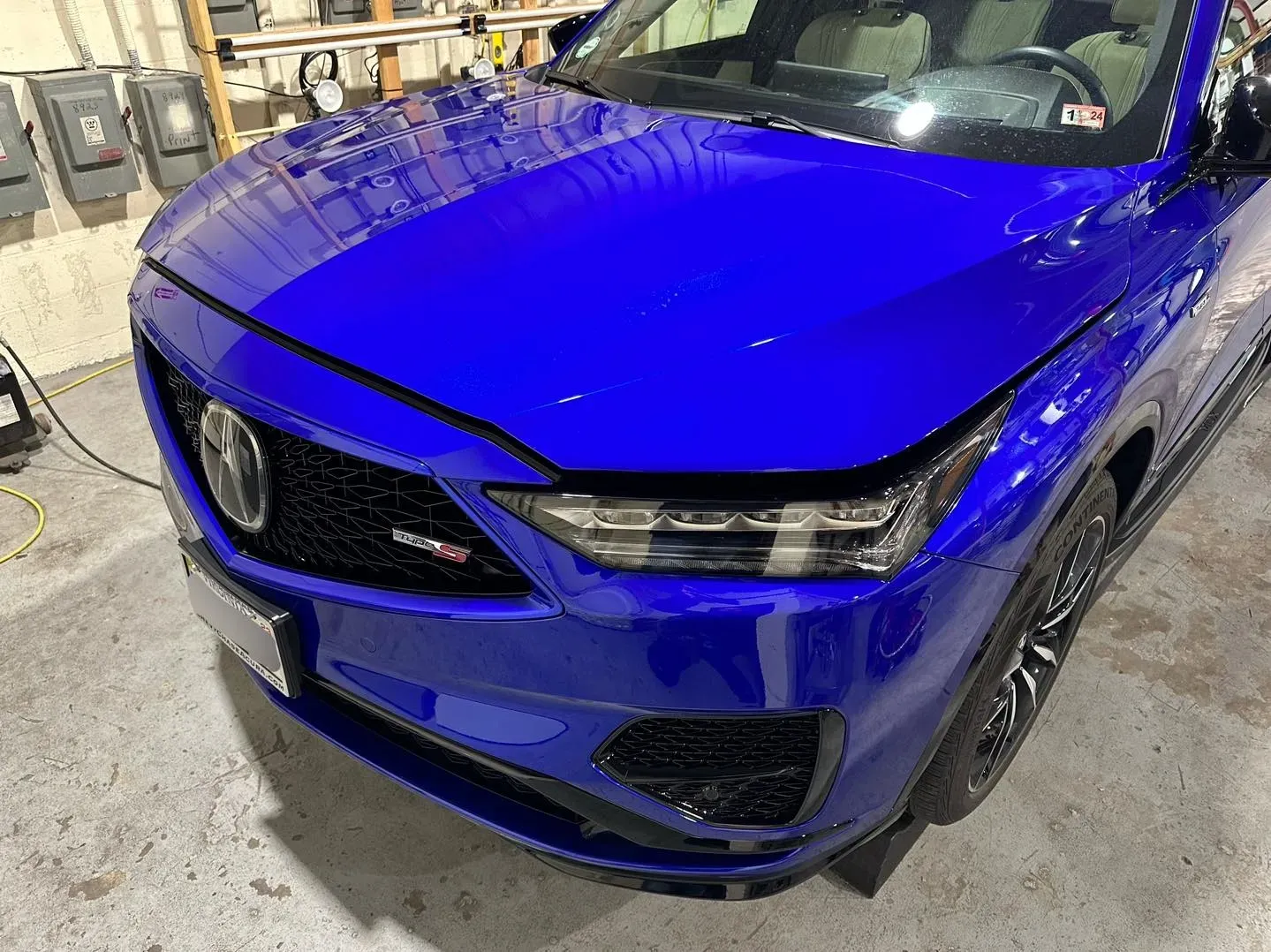
Paint Protection Film Pricing
When it comes to the cost of paint protection film (PPF), several factors come into play. The size and complexity of the vehicle, the quality of the film, the coverage area, and the expertise of the installer all contribute to the final cost. Let's dissect each factor to understand how they affect PPF pricing.
It's important to note that while costs may vary across different PPF packages, such as full vehicle, full front, partial front PPF, and custom options, each package is tailored to address specific coverage needs based on customer preferences.
Factors Influencing PPF Cost
Installing paint protection film (PPF) is an investment in protecting your vehicle. It's crucial to comprehend the factors that impact the cost so you can make informed decisions. Let's break it down:
Vehicle Size
The size of your vehicle significantly influences the PPF cost. Larger vehicles like trucks, SUVs, and vans require more PPF material to cover their surfaces, resulting in increased material costs and possibly more waste during installation.
For example, a compact car will have less surface area to cover, resulting in lower material costs and potentially a lower installation fee. On the other hand, larger vehicles with more surface area will naturally demand more PPF material and labor time for installation, leading to a higher overall cost.
Complexity of the Vehicle
Additionally, the complexity of the vehicle also affects the cost. Vehicles with intricate body shapes, curves, and contours often require more time and skill during installation. For instance, sports cars with complex front-end designs or vehicles with unique body panels may require additional labor hours, impacting the overall price of the PPF application.
Brand of Film
The quality and brand reputation of the film used for PPF can also significantly impact the installation cost. High-quality films backed by solid manufacturer warranties generally command higher prices due to their better aesthetics, superior durability, and longer lifespan.
When it comes to PPF film brands, you're paying for peace of mind. A high-quality film not only offers exceptional protection for your vehicle but can also contribute to maintaining its aesthetic appeal over time. Investing in a reputable PPF brand can indirectly save you money on potential repairs or replacements in the long run.
Overhead of Shop
The quality of the facility and equipment used by the installer can also influence the cost of PPF installation. Installers with high-end tools and facilities that provide controlled environments for installations tend to charge more due to their superior work conditions and reduced risks of contamination during the process.
These premium installation environments minimize the chances of dust or debris getting trapped under the film during the application, ensuring a flawless finish that justifies the higher price point.
Experience of Installer
The level of experience and expertise held by the installer is another vital factor affecting PPF cost. Highly experienced installers may demand higher prices due to the quality of the installations they provide.
An experienced installer understands the nuances of different vehicle surfaces and knows how to navigate complex curves and contours efficiently, ensuring a seamless and long-lasting PPF application.
Customization Options
Customizing your PPF based on specific needs and budgets can also influence the total cost. Whether it's choosing coverage for specific areas or opting for specialized finishes, such as matte or gloss, customization adds an extra dimension to the cost equation.
Remember, customization allows you to tailor the protection to suit your unique preferences and priorities. For example, if you want to protect only certain vulnerable areas of your vehicle or desire a custom appearance, these personalized options can impact overall costs based on your selections.
Understanding these influential factors can help you make informed decisions when considering paint Protection film for your vehicle. Each factor plays a role in determining the overall cost, so it's essential to weigh them carefully based on your needs and budget.
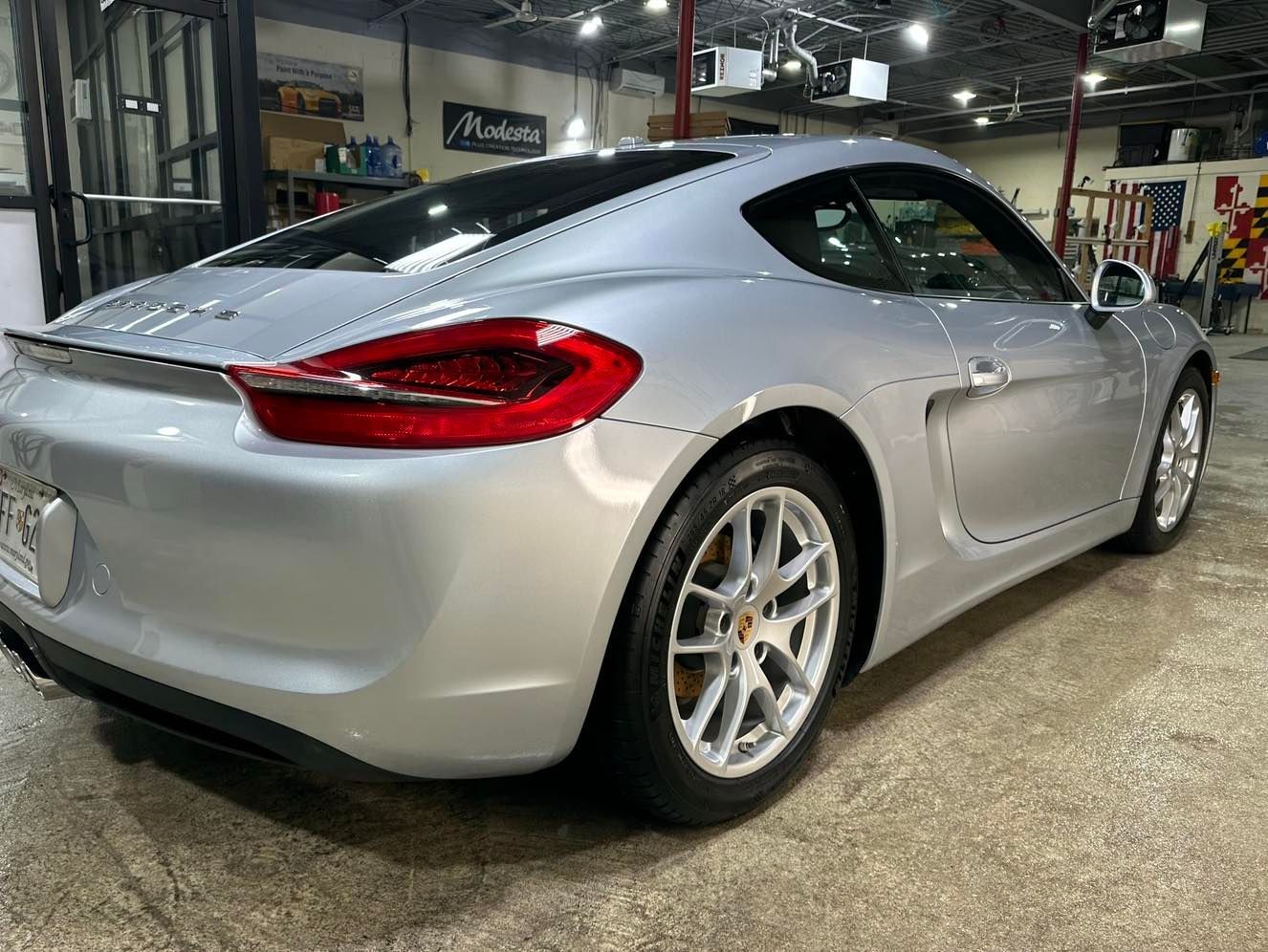
Comparative Analysis Between PPF Cost and Benefits
When considering the cost of PPF installation, it's important to understand that this isn't just an expense; it's an investment in protecting your vehicle. Over time, the benefits of PPF can outweigh the initial cost when you factor in the long-term advantages it provides. Let's break down these benefits and analyze how they measure up against the cost.
One key benefit of PPF is its ability to shield your vehicle against road debris, UV radiation, and chemical stains. This protective film acts as an invisible barrier, safeguarding your car’s exterior from damage caused by everyday hazards. By mitigating these risks, PPF not only maintains the pristine appearance of your vehicle but also helps preserve its resale value. The reduction in wear and tear on your car's paintwork ensures that it retains its original finish, making it more appealing to potential buyers in the future.
In addition to protection against environmental elements, PPF contributes significantly to reducing maintenance and repair costs. With fewer scratches, chips, and stains on your vehicle's exterior, you'll spend less time and money on cosmetic touch-ups. Moreover, since PPF guards against fading and oxidation, you can expect your car's paint to remain vibrant and lustrous for longer periods, minimizing the need for costly repainting or detailing services.
For those who are passionate about maintaining their vehicle’s aesthetic appeal as well as its longevity, investing in PPF becomes more than just a protective measure—it becomes a strategic decision that pays off over time. Imagine driving a few years down the line with a car that still looks as pristine as the day you brought it home from the dealership. That's the kind of value that PPF brings to the table—durability, visual appeal, and ultimately, peace of mind.
As we've examined the protective benefits and long-term value that come with PPF installation, it becomes clear that the upfront cost is just one part of a larger equation. While price considerations are important, they pale in comparison to the extensive protection and preservation that PPF offers for your vehicle.
Exploring these compelling advantages illustrates why considering the cost of Paint Protection Film (PPF) installation is not only about immediate expenses but also about long-term gains in vehicle protection and aesthetics.
Comprehensive PPF Cost Estimates
When evaluating the cost of paint protection film (PPF) installation, several factors come into play. Rather than relying on general estimates, it's recommended to consult with a local PPF installer.
Local installers have the expertise to provide tailored quotes that consider various variables, such as the type of package suitable for your vehicle, any custom requirements you may have, and the overall investment needed for PPF installation. By consulting with an installer, vehicle owners can gain a clearer understanding of the costs involved and choose the most suitable package that aligns with their needs and budget.
Furthermore, a professional consultation allows for a detailed discussion about the specific areas of the vehicle that would benefit from a PPF application. This could include common areas such as the front bumper, hood and fenders, side mirrors, door edges and handles, rear wheel arch, roof, and A-pillar. Additionally, discussing these details with an expert can help in understanding how each part contributes to the overall cost estimation.
Final Words
As we wrap up our exploration of paint protection film (PPF) costs, it is vital to recognize their true value and protection for your vehicle. At Maryland Auto Spa, we provide tailored detailing packages to meet a variety of budgets and needs.
Our Full Front package, which costs $7,999, provides comprehensive protection from the front to the back of your car, ensuring maximum protection for every inch. Additionally, for those requiring targeted coverage like bumper, hood, and mirror coverage, our Full Front package starts at $2699, while our Partial Front package begins at just $1,899, providing optimal balance between protection and affordability.
For maximum protection, our Elite Protection Package combines ceramic coating and paint protection film into one comprehensive solution, covering the full front of your vehicle and offering unsurpassed environmental resistance. Starting at $4,968, our full front paint protection film and level 3 ceramic coating cover painted surfaces, automotive glass surfaces, wheel faces, and even bumper faces with an indestructible shield of defense.
Investment in detailing packages not only protects the aesthetic appeal of your vehicle but also increases its lifespan. Don't wait--choose Maryland Auto Spa today for top-tier detailing packages to elevate its protection.
Get in touch with us to receive a personalized quote and start the journey towards unrivaled protection for your automobile!
Blog