Can I Pressure Wash My Car After Applying Ceramic Coating? Tips and Best Practices
SCHEDULE ONLINE GET A FREE ESTIMATEYes, you can safely use a pressure washer on your car after applying a ceramic coating. However, you should allow your ceramic coating to cure completely before using any washing techniques. It is recommended to wait at least seven days after applying the ceramic coating to the car. The time can vary depending on the type and feature of the ceramic coating. In this article, we will discuss whether you can pressure wash your car after applying a ceramic coating.
Can I Use Pressure Washer on a Ceramic Coating?
You've invested in a high-quality ceramic coating to safeguard your car's paint and give it that beautiful shine. The good news is that a properly applied ceramic coating can handle pressure washing quite well after being cured properly. Now, why is this important to know? Well, using a pressure washer can save time and effort, but if not done right, it can lead to unwanted damage and negate the protective benefits of the ceramic coating.
When done correctly, pressure washing can be an efficient and effective way to clean your car without damaging the ceramic coating. It’s essential to keep certain factors in mind to ensure that the pressure washing process doesn't harm the coating or your vehicle's surface.
First things first, the technique is key. Make sure you maintain a reasonable distance—about 12–18 inches away from the surface of the car. This helps distribute water over a wider area rather than focusing it on one spot, mitigating any risk of damage.
Additionally, be conscious of the pressure washer settings. Opt for a broad spray pattern and use low- to medium-pressure levels to avoid chipping or peeling the ceramic coating. Also, use a nozzle with sufficient width to disperse water effectively across the surface rather than concentrating it into a powerful jet that could penetrate or disrupt the coating.
Another critical point to highlight is ensuring that the ceramic coating is given proper time to cure after application. The ceramic coating curing process can take several days, during which time it's essential to avoid any type of washing or exposure to moisture that could compromise its integrity. Before considering pressure washing, always confirm with the professional detailing service provider regarding the recommended wait time.
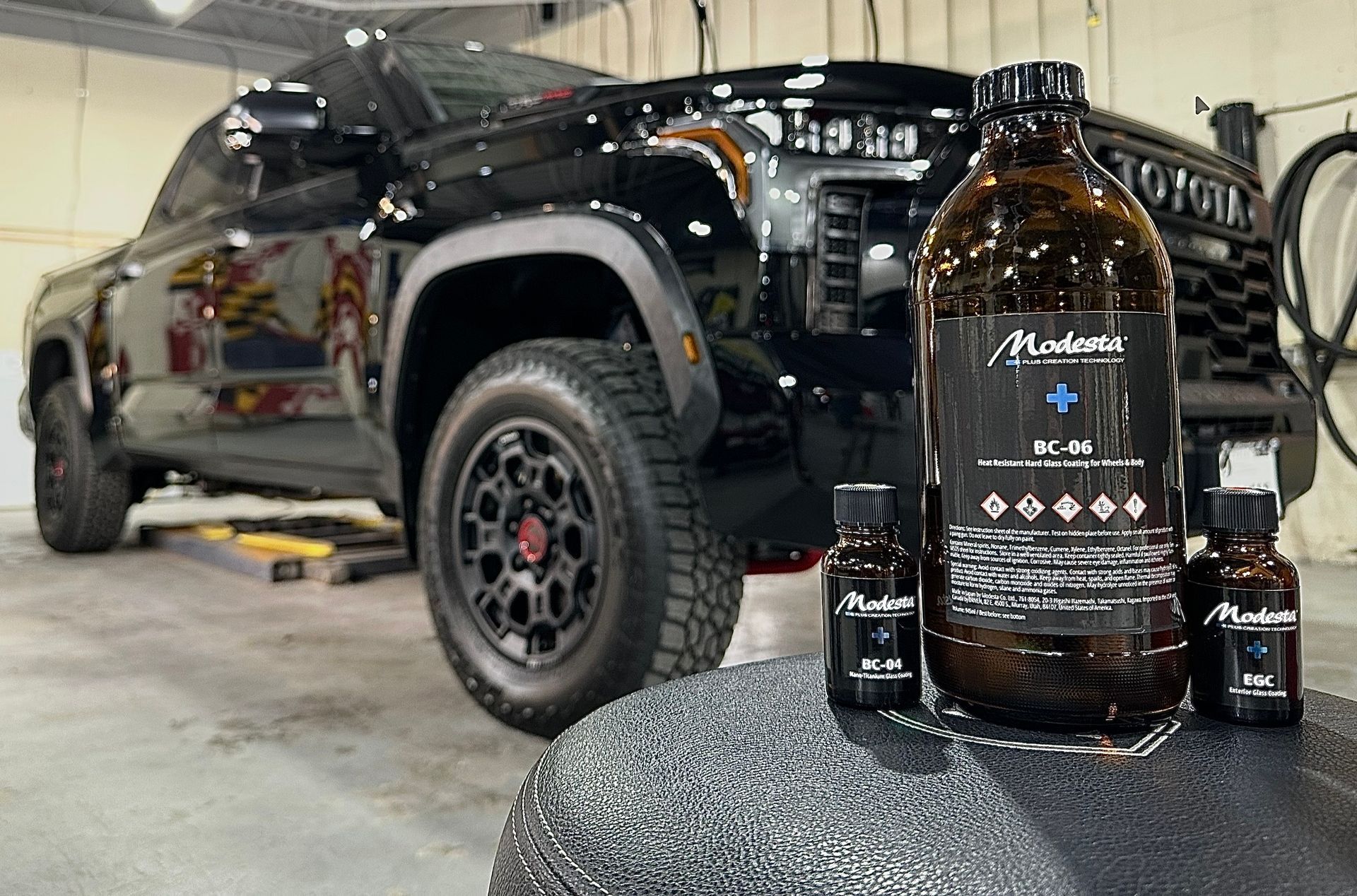
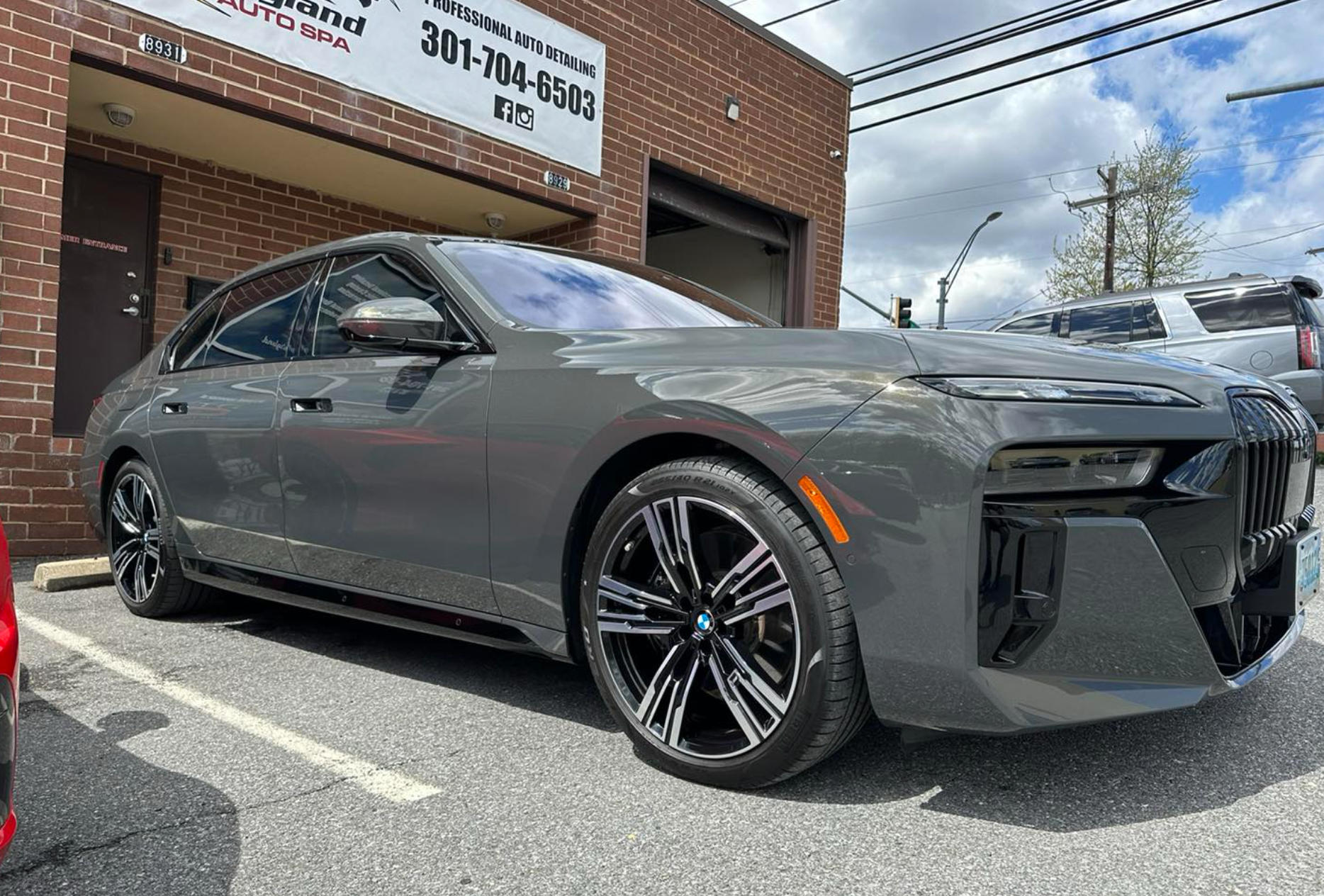
It's also worth noting that the professional ceramic coating services offered at Maryland Auto Spa ensure each step is carefully executed during application, guaranteeing that your coating has been properly cured and is ready to withstand not just pressure washing but also various environmental stressors.
Effects of Gentle Pressure on Ceramic Coatings
The key to successfully pressure washing a car with ceramic coating is all in the name—gentle pressure. Just like removing dust from a precious painting, the water stream needs to be soft, not too intense. This is crucial because, while you want to eliminate dirt and grime efficiently, you don't want to disturb the ceramic coating that's protecting your car's paintwork.
To ensure the pressure is just right, consider using a pressure washer with an adjustable nozzle or setting that grants you control over the force of the water. Start with low pressure, gradually increasing if necessary. By doing so, you minimize any risk of harming the coating while still achieving effective cleaning results.
Moreover, using gentle pressure during the cleaning process has additional benefits for the ceramic coating besides preserving its protective properties:
- Preserves Hydrophobic Properties: The delicate yet effective action of gentle pressure helps retain the hydrophobic characteristic of the ceramic coating. The thin layer of SiO2 (silicon dioxide) in ceramic coatings provides water-repelling properties. Gentle pressure ensures that this feature stays intact, helping water slide off easily and take any dirt or grime with it.
- Enhances Glossy Finish: A gentle wash optimally maintains the glossy appearance provided by the ceramic coating. Harsh force can dull or even scratch the surface, whereas gentle pressure helps to uphold the eye-catching shine of the paintwork.
Tips for Maintaining Ceramic Coatings While Pressure Washing
It's important to note that while gentle pressure is essential for preserving ceramic coatings during washing, there are additional factors to consider when using a pressure washer:
- Optimal Distance: Maintain an appropriate distance between the spray nozzle and your car. Keeping some distance prevents an excessively powerful impact on the coating itself.
- Even Strokes: Ensure consistent and smooth movements with your pressure washer to prevent concentrated water streams in one area that could potentially damage the coating.
Overall, employing gentle pressure ensures efficient cleaning without disrupting the integrity of your car's ceramic coating. It safeguards its hydrophobic properties and glossy finish while effectively removing dirt and contaminants—a win-win for both protection and aesthetics.
Dangers of High Pressure on Ceramic Coatings
Ceramic coatings provide a protective layer over the paintwork of your car, shielding it from environmental contaminants and wear-and-tear. However, these coatings are not damage-resistant, especially when subjected to high pressure. High-pressure settings on a pressure washer might seem efficient for cleaning your car but can pose serious risks to the integrity of the ceramic coating.
The force exerted by high-pressure water can cause the coating to delaminate, leading to parts of the surface being unprotected and susceptible to damage. Additionally, high-pressure water can chip away at the coating itself, compromising its protective properties and allowing harmful elements to come into contact with the paintwork.
In addition to functional concerns, high-pressure washing can also affect the overall appearance of your car's surface. The forceful nature of high-pressure water can cause minute cracks and abrasions in the coating, resulting in a less-than-desirable aesthetic outcome. Therefore, while high pressure may seem like a quick solution to cleaning your car, it ultimately undermines both the protective and visual elements of the ceramic coating.
Understanding these potential risks highlights the importance of adopting safe and effective cleaning practices for cars with ceramic coatings, prioritizing methods that preserve both the functionality and aesthetics of the protective layer.
Preparing Your Car for Pressure Washing
You're getting ready to give your car a good cleaning, but before bringing out the pressure washer, there are crucial preparations to be made. Ensuring a safe and pristine outcome involves essential steps that set the stage for an effective pressure washing session. Here’s what you need to keep in mind to make sure you’re prepped and ready to start.
Rinse the Car Thoroughly
First things first, a thorough rinse is essential. Before reaching for your pressure washer, give your car a good, low-pressure rinse. This step helps remove loose dirt and debris without applying force that can potentially damage the delicate ceramic coating, ensuring that the subsequent use of the pressure washer won't cause any harm.
Use a pH-Neutral Pre-Wash Solution
Sometimes, even the most stubborn contaminants need an extra nudge to budge. That's where a pH-neutral pre-wash solution comes in handy. This special solution works like magic, loosening and softening up stubborn contaminants, making it easier for the pressure washer to remove them without requiring aggressive scrubbing, which might damage the ceramic coating.
The gentle action of a pH-neutral pre-wash solution minimizes the risk of damaging your ceramic coating while effectively preparing the surface for pressure washing.
By following these meticulous preparations and using proper products, you set the stage for gentle but successful pressure washing that maintains the integrity and beauty of your vehicle's ceramic coating.

How Ceramic Coating Interacts with Pressure Washing
When a ceramic coating is applied to your car, a chemical bond forms at the nanoscopic level. This creates a hydrophobic surface, meaning it repels water and other liquids. Consequently, during pressure washing, water forms droplets that easily roll off the surface without sticking, much like tiny balls of water effortlessly gliding over your vehicle.
Enhanced Protection
Ceramic coating not only repels dirt and grime but also acts as an extra layer of protection for your car's paint job. As the water slides off the surface, it carries any loose contaminants and prevents them from sticking to the coated area during pressure washing.
Furthermore, pressure washing can be quite forceful, especially at high pressures. Without a protective layer such as ceramic coating, this intense pressure could potentially damage or chip the paint. However, with a layer of ceramic coating providing an additional shield, your car's paint remains safeguarded while still allowing for thorough cleaning.
Cleaning Efficiency
By allowing dirt and grime to slide off effortlessly during pressure washing, ceramic coating makes the entire cleaning process less abrasive on your vehicle's surfaces. This means that you can achieve a high level of cleanliness without resorting to harsh scrubbing or abrasive chemicals that could potentially damage the paint over time.
However, it's crucial to maintain a safe distance and use moderate pressure when pressure washing your vehicle, even if it's coated with ceramic protection.
The incredible properties of ceramic coating not only aesthetically enhance your vehicle but also defend against damage from everyday activities like regular exposure to sunlight and environmental contaminants. It simplifies cleaning routines and provides long-term paint protection, truly raising car maintenance to new levels.
Post-Pressure Washing with Ceramics
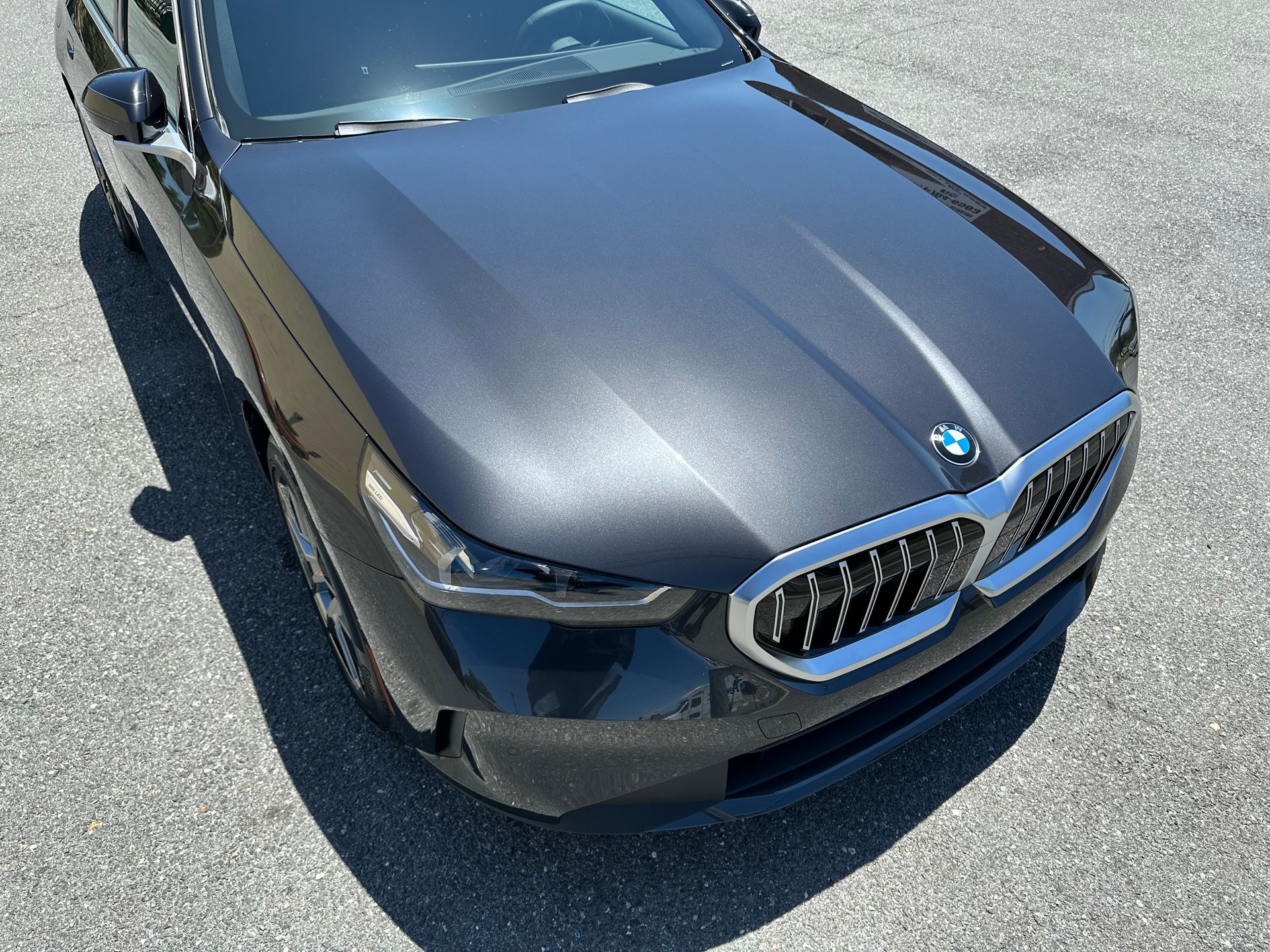
After pressure washing a car treated with a ceramic coating, the results should be remarkable. The surface of the car should appear clean, glossy, and well-protected. It's an indication that the ceramic coating is proficiently doing its job. The water-resistant properties and enhanced durability provided by ceramic coatings are evident in the way water beads up and slides off the surface post-pressure washing, showcasing the significant advantage these coatings deliver.
In addition to the visually appealing effects, a well-applied ceramic coating also ensures that dirt, grime, and contaminants have a hard time bonding to the vehicle's surfaces due to its hydrophobic nature. This makes future cleaning more straightforward, as any residual dirt that remains after pressure washing can be easily removed with minimal effort. It's like having an invisible shield protecting your car from dirt buildup.
The intrinsic qualities of properly applied ceramic coatings guarantee that your car maintains its luster and protection even after exposure to rigorous cleaning processes. This level of protection provides peace of mind for car owners who invest in professional-grade ceramic coatings.
In conclusion, the obvious indicators of a spotless surface that remain even after pressure washing support the long-term benefits of coating your car with premium ceramic coatings. Maintain your car's stunning appearance with advanced ceramic coatings. Feel confident and secure in your investment. For professional ceramic coating services,
contact Maryland Auto Spa at (301) 704-6503 or visit our website.
Blog