Understanding the Chemical Composition of Ceramic Coating
SCHEDULE ONLINE GET A FREE ESTIMATEEver wondered what makes ceramic coatings so effective at shielding your car's paint? As someone passionate about automobile customization, you’ve likely come across terms like "nanocoatings" or "glass coatings." These are not just buzzwords; they describe intricate combinations of chemicals designed to provide superior protection. Understanding these components not only helps in appreciating their benefits but also ensures you apply them correctly for optimal results. In this blog post, we will explore the chemical composition of ceramic coatings!
Chemical Makeup of Ceramic Coatings
When discussing ceramic coatings, it's crucial to comprehend what makes this protective layer stand out. At its foundation, ceramic coatings mainly consist of polydimethylsiloxanes (PDMS), a resin that creates the essential hard, glossy, and water-repellent surface vital for providing top-tier protection.
PDMS plays a critical role in establishing a robust protective coating by forming strong, durable bonds with the applied surface. This enables it to endure wear and tear from various environmental factors. Furthermore, its hydrophobic properties cause water to bead up and roll off the surface, preventing moisture from causing damage to the underlying paint or finish.
The inclusion of solvents in ceramic coatings is equally significant, as these solvents ensure that the coating can be uniformly applied across the vehicle's surface. Without them, achieving an even, consistent layer might pose challenges.
In addition, silane additives are instrumental in enhancing adhesion between the ceramic coating and the vehicle's surface, ensuring that the coating forms a thin but robust protective film that adheres tightly to the painted surface.
The curing process for ceramic coatings involves a chemical reaction that occurs over time once the coating is applied. The chemicals within the coating mix with moisture from the air, leading to the formation of a rigid, protective layer. This curing process usually takes 5-7 days to complete and ensures that the coating reaches its full protective potential.
Comparing Water-Based and Solvent-Based Types
Let's observe how these two different types of ceramic coatings diverge and what characteristics set them apart.
Water-Based Ceramic Coatings
Water-based ceramic coatings have gained attention for their environmental benefits. They boast lower levels of volatile organic compounds (VOCs), making them safer for both the applicator and the environment. Additionally, they help minimize exposure to harmful chemicals during application and reduce the impact on air quality. However, these ceramic coating benefits may come with a trade-off; water-based coatings generally demand longer curing periods and could require reapplications sooner compared to solvent-based alternatives.
Solvent-Based Ceramic Coatings
Conversely, solvent-based ceramic coatings are known for their efficient curing times and durability. Their chemical composition enables deeper penetration into the vehicle's paint, offering better resistance to harsh elements. This type typically delivers superior performance metrics in terms of durability and hydrophobicity. Nonetheless, it's important to note that these coatings usually come with higher levels of VOCs, which raises environmental and health concerns. This elevated VOC content poses regulatory challenges regarding air quality standards.
Key Resistance Properties
Ceramic coatings act as invisible shields for your vehicle, providing an impressive array of protective properties. One standout feature is their remarkable resistance to UV rays, thanks to the chemical inertness of PDMS. This prevents paint oxidation and fading, ensuring that your car's paint retains its original color and gloss for extended periods, even under relentless exposure to the sun.
In addition to UV resistance, these coatings also offer excellent thermal resistance, capable of withstanding extreme temperatures without degrading. This is especially crucial for cars in regions with hot climates, helping maintain the integrity of the paint even under scorching sunlight or high-temperature environments—like a protective layer shielding your vehicle's paint from the damaging effects of heat.
Furthermore, when it comes to chemical resistance, ceramic coatings are formidable protectors. They can withstand strong acids, caustic substances, and solvents like petrol and diesel. This resilience to corrosive elements ensures that the paintwork remains intact and unscathed, preserving your vehicle's appearance.
These outstanding resistance properties make ceramic coatings ideal for protecting your vehicle's exterior against a wide range of environmental and chemical threats.
From shielding against UV rays to providing resilience against chemical spills, ceramic coatings offer a robust defense for maintaining the pristine appearance of your vehicle in various conditions.
Strength and Layer Structure Exploration
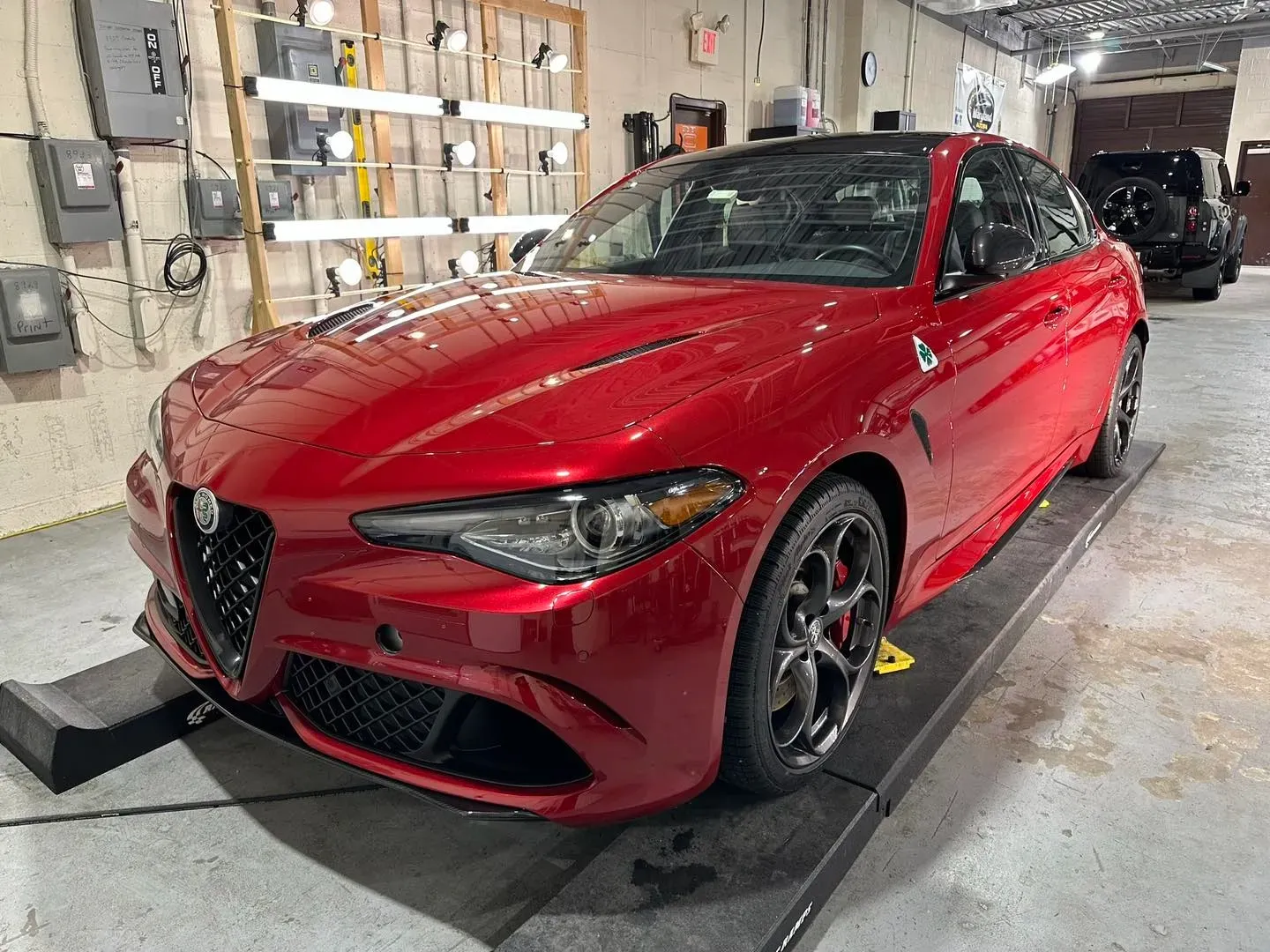
The strength of a ceramic coating is truly remarkable, often gauged by its hardness rating on the pencil hardness scale. This rating can reach as high as 10H, signifying an incredibly robust and durable protective layer. But what attributes to this exceptional hardness? It all comes down to the high crosslink density within the PDMS structure.
A ceramic coating's layers are essential to its overall functionality. Typically, multiple applications are involved to build up a thick, resilient shield capable of withstanding the rigors of daily use. The process often commences with a base layer, serving as the foundation for subsequent topcoats. These topcoats further fortify the protective barrier, ensuring longevity and optimal protection against various environmental contaminants.
Overall, the strength and layered structure of ceramic coatings serves as an impenetrable shield against everyday wear and tear. Their resilient nature is a testament to their protective capabilities and the advanced technology behind their formulation.
Final Words
Understanding the chemical makeup of ceramic coatings provides insight into their efficacy as a solution for protecting your vehicle's finish. Formulated using nanotechnology, ceramic coatings create an impenetrable shield that blocks out environmental contaminants and UV rays while protecting from hydrophobic effects that ensure your car maintains a stunning shine for longer.
At Maryland Auto Spa, our experts specialize in applying high-quality ceramic coatings that offer maximum protection for your car. Our knowledgeable team understands the science behind these coatings and how best to apply them to maximize their benefits.
Are you ready to give your car the ultimate protection and shine? Maryland Auto Spa's professionals can assist with this endeavor through customized ceramic coating solutions tailored specifically for your vehicle.
Contact us now to make an appointment and take the first step toward long-term car care!
Blog