Tips for Extending the Lifespan of Ceramic Coating: Ultimate Car Care Guide
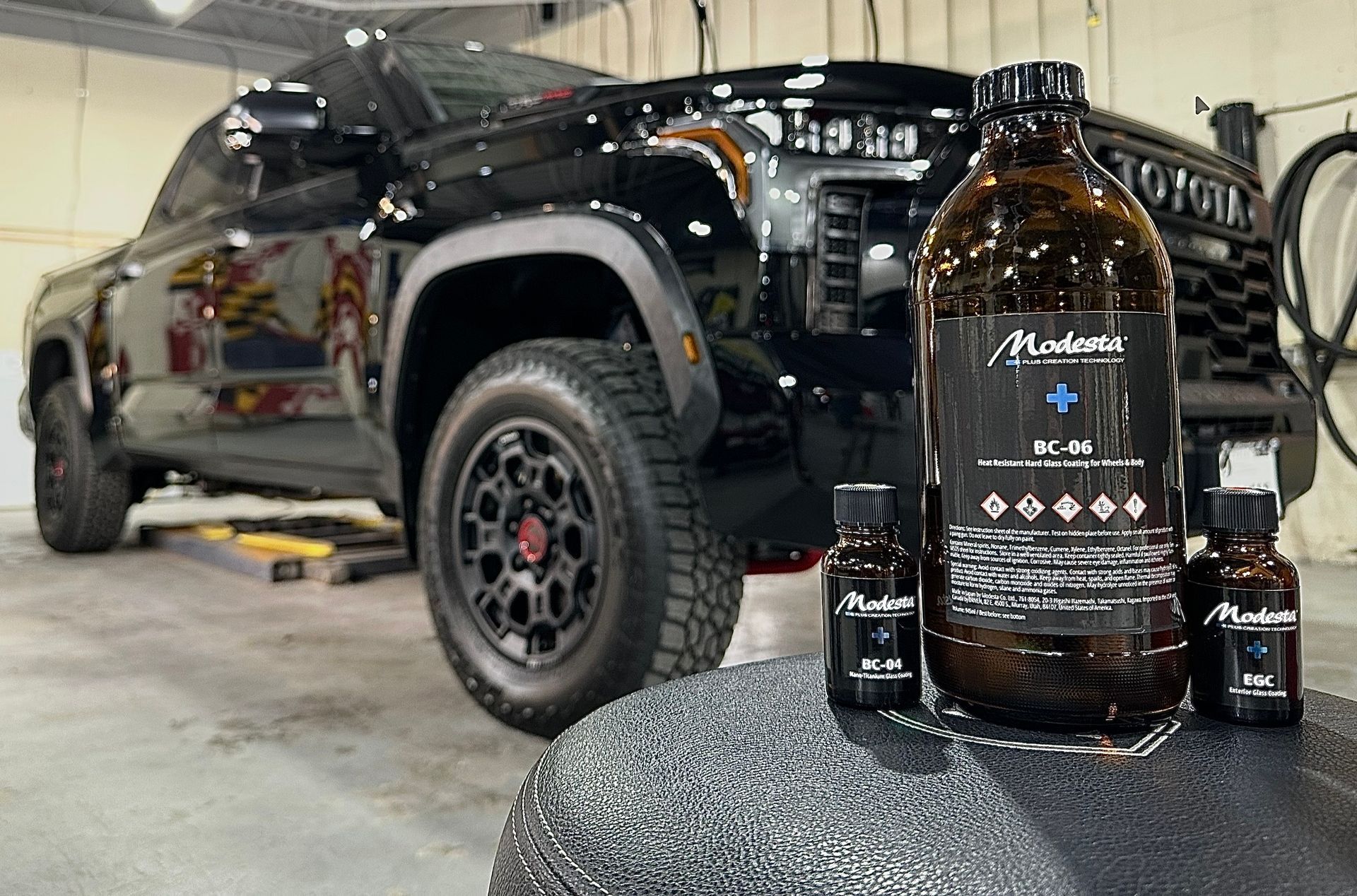
SCHEDULE ONLINE GET A FREE ESTIMATEFor many car enthusiasts, maintaining that new car shine is a labor of love. A high-quality ceramic coating is one of the best ways to protect your vehicle’s paint from harsh elements, but it can be worrying if you’re unsure how to make it last. This glossy shield isn’t just a purchase—it’s an investment in preserving value and aesthetics.
By understanding and implementing proper care techniques, you can significantly extend the lifespan of your
ceramic coating. Every detail counts, from knowing the right conditions for application to following specific washing routines. This guide is crafted to provide clear and actionable steps, helping you confidently protect your prized possession. In this blog post, we will share some tips on extending the lifespan of ceramic coating!
Essential Tips for Ceramic Coating Application
To ensure that your car’s ceramic coating stays effective and long-lasting, there are a few things to consider during and after the application process.
Avoid Direct Sunlight During Application
When applying ceramic coating, sunlight can be both a friend and a foe. On one hand, it helps the coating cure, bringing out its full potential. However, direct sunlight can cause the coating to cure too quickly, leading to uneven application with possible streaks. Therefore, it's important to always apply ceramic coating in a shaded area, away from direct sunlight and heat.
Monitor Temperature and Humidity
Just like comfortable weather is important for us, it's also crucial for the ceramic coating on your car. Extreme temperature conditions can significantly affect the effectiveness of the coating. It's best to apply the coating at moderate temperatures ranging between 50°F and 75°F, with humidity kept at moderate levels. This ensures optimal application and curing conditions.
Use the Right Equipment
Investing in high-quality applicator pads and microfiber cloths is key when applying ceramic coating. Poor-quality tools might contain rough or abrasive materials that can scratch the coating while you're applying it or buff it off later. These scratches could undermine the protective properties of the ceramic coating.
Follow Manufacturer Instructions
Each brand of ceramic coating may have specific application techniques and curing times. For example, some coatings require longer curing times than others. Following these guidelines ensures that you achieve the best protection for your vehicle's paintwork.
Proper Car Washing Process to Extend the Lifespan of Ceramic Coating
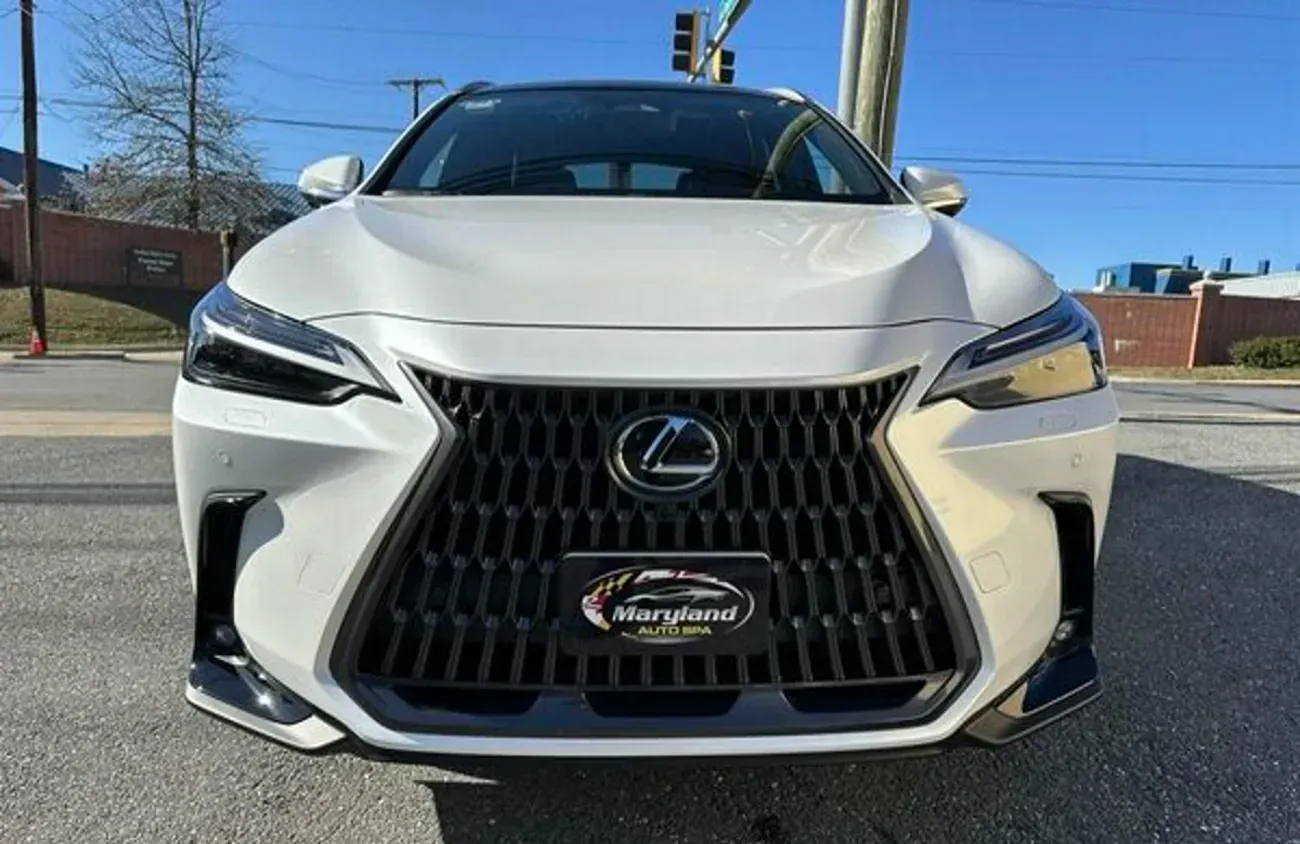
Maintaining a proper washing routine can significantly extend the life of your ceramic coating while protecting your car's appearance. Let's dive into the steps to follow:
Step I: Pre-wash with a Hose or Pressure Washer
Before you start scrubbing your car, it's important to remove any loose dirt and debris. Failing to rinse off this debris can lead to inadvertently dragging it across the surface, causing scratches. A quick hose or pressure washer rinse effectively lifts off most of the dirt without contacting the car's paint.
Step II: The Two-Bucket Method
Now that you've cleared off loose dirt and debris, grab two buckets. One should be filled with soapy water, while the other with clean water for rinsing your mitt between washes on your car's surface. This method reduces the risk of swirl marks by ensuring that any dirt is rinsed away before returning for more soapy water.
Step III: Opt for pH-neutral Car Shampoo
When washing your car, choose a pH-neutral car shampoo. Using standard soaps often containing harsh chemicals can erode the ceramic coating over time. pH-neutral shampoos are gentle yet effective in cleansing your car without compromising its protective layer.
Step IV: Dry with a Microfiber Towel
Once you've completed the cleaning process, drying your car is essential to prevent water spots. Microfiber towels are much softer than traditional drying cloths, reducing the risk of scratching during the drying process. Avoid leaving your car to air dry, as this can lead to unsightly water spots on the surface.
Waxing and Polishing Techniques
Even though ceramic coatings provide excellent protection for your car's paintwork, they still require maintenance to preserve their aesthetic appeal. When it comes to maintaining a perfect shine, polishing is crucial. While waxing is often unnecessary with ceramic coatings, polishing is essential.
To ensure that your polishing routine adds longevity to your ceramic coating, it's important to use non-abrasive polishes specifically designed for ceramic coatings. Using abrasive polishes can wear down the coating, leading to diminished protective qualities.
In addition, it's vital to avoid traditional waxes when working with ceramic coatings. Although they're usually associated with enhancing shine and protection, traditional car waxes can build up on the ceramic coating, reducing its hydrophobic properties. Instead, opt for sealants explicitly designed to work harmoniously with ceramic coatings.
When selecting products for your car maintenance routine, always prioritize those specifically formulated for use with ceramic coatings. This ensures that all aspects of the protective layer are preserved, allowing you to enjoy its full benefits of cerami coating without compromise.
Adding Protective Layers
Adding protective layers to your ceramic coating can significantly enhance and prolong its effectiveness, ensuring that your car receives the best possible protection.
Applying Ceramic Boosters
These spray products are specifically designed to refresh and extend the hydrophobic properties of ceramic coatings. They work to maintain the water-repellent characteristics of the coating, effectively preventing water spots and mineral deposits from adhering to the surface of your car. Applying ceramic boosters every 3-6 months helps to ensure that your ceramic coating remains in top condition, providing consistent protection against environmental contaminants and maintaining the glossy appearance of your vehicle.
Utilizing Silica-based Sealants
Incorporating silica-based sealants into your car care routine offers an additional layer of protection that complements the existing ceramic coating. Silica-based products provide extended UV protection and increase water beading, further enhancing the water-resistant properties of the original ceramic coating. The added protection against UV rays helps prevent paint fading and oxidation, preserving the color and finish of your vehicle for an extended period.
By incorporating these additional protective layers into your car care routine, you can prolong the effectiveness of your ceramic coating, ensuring that your vehicle maintains its pristine appearance while being shielded from environmental hazards.
Regular Maintenance Tasks
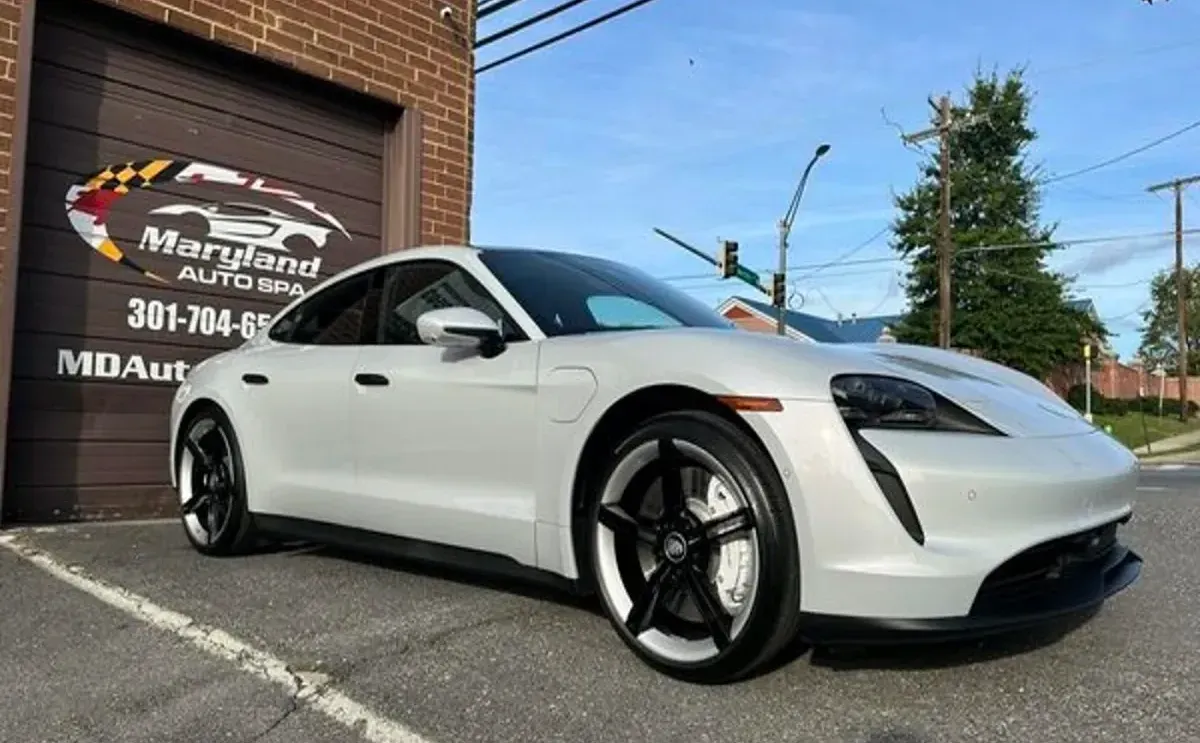
Following the investment in a quality ceramic coating, the subsequent step involves ensuring proper maintenance. Regular upkeep is crucial in preserving the protective qualities of the coating and extending its lifespan. A proactive approach is vital to preventing small issues from snowballing into compromising the integrity of the coating.
Routine Inspections: It's indispensable to assess ceramic coatings frequently and address minor imperfections promptly. By doing this, you thwart these small issues from evolving into large damages that could necessitate reapplication. Over time, regular exposure to external elements such as stones, road debris, or car wash machines can lead to tiny chips or scratches on the coating. Catching them early means a more efficient repair without affecting the overall protective capability of the ceramic coat.
To ensure the highest level of protection for your car's exterior, performing routine checks every few weeks can also help catch potential problems early. The use of natural and artificial light blends best when inspecting your vehicle. This process will help highlight imperfections that may have been overlooked under different lighting conditions.
Monthly Full Car Wash: Dirt, grime, and invisible contaminants can accumulate on your car over time. These substances can slowly wear down your ceramic coating if left unattended. A monthly car wash routine using a pH-neutral soap will rid your car of contaminants and protect its shine without harming the coating.
To preserve your investment, consider using microfiber towels and avoid sponges with harsh surfaces to prevent unintentional abrasions to the ceramic surface.
Deionized Water Rinses: Utilizing deionized water for rinsing your car can prevent mineral deposits from forming on the surface, diminishing the gloss of your ceramic coating over time. These mineral deposits are present in tap water but are absent in deionized water due to their removal during purification.
When washing and rinsing your car with deionized water, ensure that no residues are left behind, which could dull the glossy finish granted by the ceramic coating.
When to Seek Professional Help
While DIY efforts can go a long way in maintaining your car's ceramic coating, there are moments when professional expertise is needed. These instances call for specialized knowledge, equipment, and products that only professional detailing experts possess. Here are some scenarios where seeking professional assistance is the most beneficial:
Annual Check-ups
Annual inspections by professionals provide an opportunity for a comprehensive evaluation of your ceramic coating's condition. Carrying out these checks ensures that any early signs of wear and tear are promptly addressed. Furthermore, professionals can replenish the protective coating with effective boosters, extending the life and effectiveness of the ceramic coating.
This thorough inspection aims to catch any issues early on before they escalate and compromise the integrity of the ceramic coating. Often, professional detailers have a keen eye for subtle changes in the coating’s appearance that might indicate the need for attention, something that may not be apparent to an untrained eye.
Expert Repairs
Professional detailing services excel in addressing chips, scratches, or signs of diminished effectiveness within the ceramic coating. The experts understand the precise techniques required to properly reapply or repair the coating to ensure that your vehicle's paintwork is consistently shielded from environmental damage. Their skills and experience allow them to restore full protection, effectively extending the lifespan of your ceramic coating.
Moreover, these repairs need careful handling and refinishing to blend seamlessly with the existing ceramic coat, a task best left in the hands of professionals who have fine-tuned their skills through years of practical experience.
Specialized Equipment
Professional auto detailing providers come equipped with advanced tools and products specifically designed for intricate maintenance processes related to ceramic coatings. These specialized resources facilitate a more comprehensive and efficient application of maintenance treatments that surpass standard solutions available to average car owners. By leveraging these unique tools, professionals can deliver deeper cleaning, restoration, and protection measures that ensure optimal longevity for your ceramic coating.
In these situations, which demand specialized care not readily available to individual car owners, seeking professional help becomes essential for maintaining a flawless ceramic coating that effectively protects and enhances the appearance of your vehicle.
Final Words
Maintaining the lifespan of a ceramic coating takes extra care and attention, but the rewards make it worth your while. By following proper washing techniques, routine maintenance, and protection from harsh elements, your car's ceramic coating will continue to shine for many years to come—not only increasing its beauty and value but also protecting it against environmental damage.
At
Maryland Auto Spa, we specialize in applying ceramic coatings and can offer expert advice on how to care for them after installation. Our team can also assist with detailing services and provide personalized maintenance tips designed specifically to keep the finish in top shape.
Contact us to learn more!
Blog