Stek Paint Protection Film vs Traditional Clear Bra: A Complete Comparison
SCHEDULE ONLINE GET A FREE ESTIMATEFor those keen on maintaining their vehicle's luster without compromising on maintenance ease or breaking the bank, choosing between Stek Paint Protection Film and a traditional clear bra can be daunting. You might be surprised to find how modern advancements in materials have significantly shifted the balance towards more innovative solutions. In this blog post, we will discuss the differences between STEK paint protection film and traditional clear bra!
The main difference between STEK Paint Protection Film and traditional Clear Bra lies in the materials used. While traditional Clear Bra is typically made of urethane, STEK Paint Protection Film utilizes advanced polymer technology, offering enhanced durability, self-healing properties, and nearly invisible protection. Additionally, STEK Paint Protection Film provides superior resistance to yellowing or discoloration from UV rays, making it a top choice for long-lasting and nearly undetectable vehicle protection.
What is Clear Bra and Paint Protection Film?
Clear Bra is a transparent protective film applied to vehicles' exteriors to shield the paint from chips, scratches, and other minor damages. Ideally applied where damage may occur most frequently—like on the hood, fenders, side mirrors, and front bumper—Clear Bra is virtually undetectable when applied correctly while providing road debris, bugs, and environmental contaminants protection, all while offering road debris and bug protection as well.
Paint Protection Film (PPF) is a broad category of protective coatings for vehicles, within which Clear Bra falls. PPF consists of clear thermoplastic urethane films, which can be applied directly to the painted surfaces of vehicles for comprehensive protection from potential hazards. PPF covers more than just the front end, like traditional Clear Bras, such as doors, fenders, and roofs.
Modern PPFs like those offered by Stek often include additional features that improve durability and appearance, such as self-healing properties, UV resistance, and hydrophobic layers for further enhancement of the durability and appearance of your vehicle. PPF is the ideal solution for car owners seeking maximum protection while still keeping its original look.
Comparing Features and Benefits
When considering paint protection film (PPF) and traditional clear bras, it's important to evaluate their key characteristics and advantages. Let's dive into the distinct features and benefits of each option to get a clearer picture of what sets them apart. This comparison can serve as a valuable guide for consumers seeking the most suitable protective solution for their vehicle.
Material Composition: Clear bra is commonly crafted from polyurethane or thermoplastic urethane, while Stek Paint Protection Film is engineered using high-performance polyurethane with advanced hydrophobic and self-healing capabilities. The composition of Stek PPF offers enhanced durability and protection against contaminants compared to traditional clear bras, making it a more advanced solution for safeguarding your vehicle's exterior.
Thickness: The thickness of the protective film also plays a pivotal role in shielding your vehicle from damage. While clear bras generally range from 6 to 8 mils in thickness, Stek PPF boasts approximately 8 to 10 mils, providing an additional layer of defense against road debris, scratches, and other potential hazards. This thicker barrier offered by Stek PPF makes it ideal for preserving your vehicle's pristine appearance over an extended period.
Protective Qualities: Traditional clear bras offer fundamental protection against minor scratches and road debris, while Stek PPF goes above and beyond with its advanced self-healing capabilities and resilience against contaminants. The superior protective qualities of Stek PPF make it an optimal choice for maintaining the sleek aesthetics of your vehicle while ensuring long-term durability.
Cost Consideration: In terms of cost, it's essential to recognize that traditional clear bras are generally more affordable due to their less advanced technology and material composition. On the other hand, Stek PPF may come with a relatively higher price tag attributed to its advanced materials and exceptional protective features. Consumers must weigh the initial investment against the long-term benefits and protection offered by these options.
Overall, understanding the distinctive features and benefits of Stek Paint Protection Film versus clear bra empowers consumers to make informed decisions based on their specific needs, preferences, and priorities when it comes to preserving their vehicle's exterior.
Stek Film Gloss and UV Protection
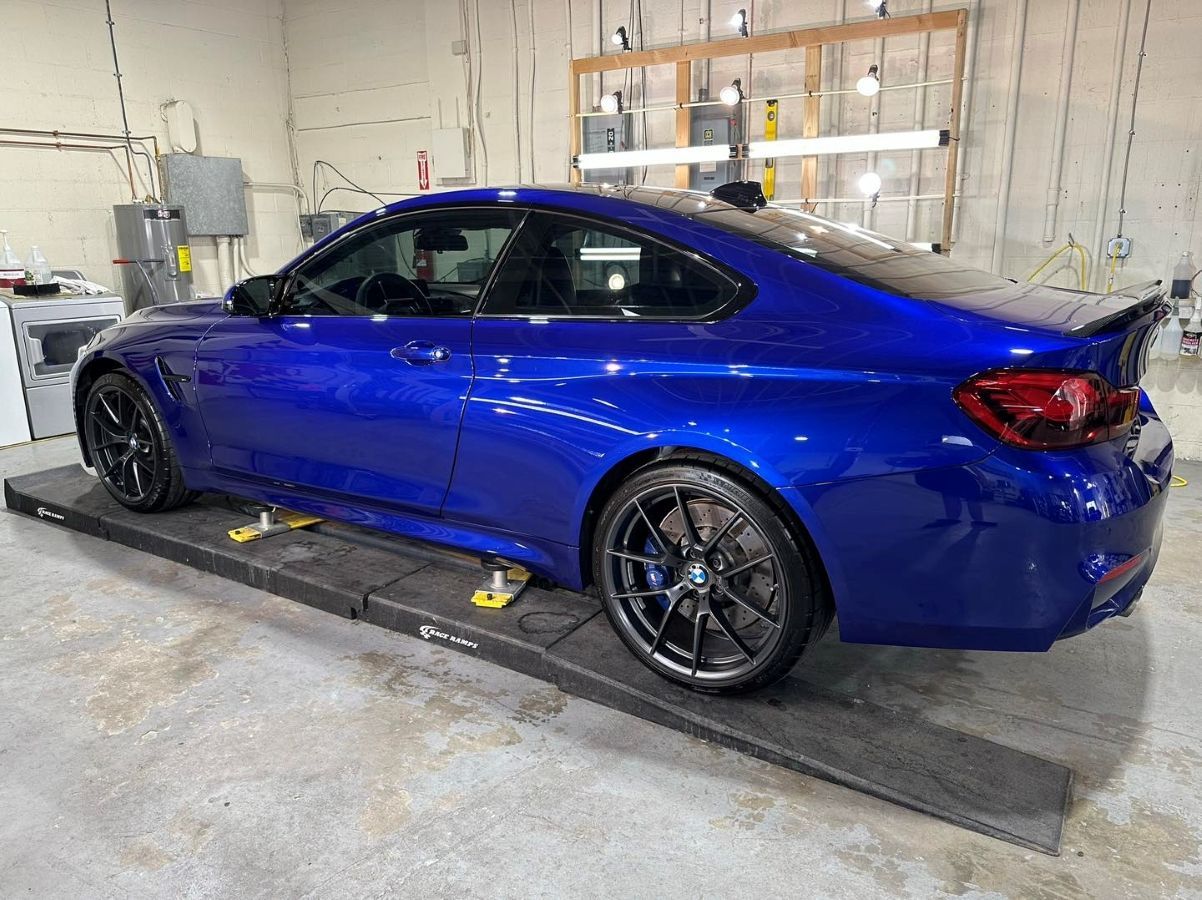
When it comes to maintaining your car's pristine condition, Stek Paint Protection Film (PPF) stands out with its exceptional features that provide an edge over traditional Clear Bra. The unparalleled gloss enhancement offered by Stek PPF ensures that your vehicle maintains a fresh-off-the-lot shine, even after years of use. This advanced film excels at preserving the luster of your car's paint, making it stand out among others.
Furthermore, the UV protection provided by Stek PPF is crucial in preventing the adverse effects of sun exposure on your vehicle's paint job. The sun's powerful UV rays can cause the paint to fade over time, resulting in a dull and lackluster appearance. By incorporating UV-resistant properties, Stek PPF shields your car's paint from these harmful rays, maintaining the vibrant color and sheen for an extended period.
As with any protective layer applied to a vehicle, longevity, and visual appeal are key factors when comparing protection films. Without proper UV protection, traditional Clear Bra is prone to yellowing or degradation over time when exposed to intense sunlight. This deterioration can significantly impact the aesthetic appeal of your vehicle, leading to a less visually appealing appearance than intended.
To put it simply, Stek PPF offers not just a protective barrier against physical damage but also serves as a guardian against the detrimental effects of sun exposure. Its ability to maintain the glossy finish of your vehicle while safeguarding it from fading due to UV rays presents a compelling case for choosing this advanced protection film over traditional Clear Bra.
Overall, when prioritizing the preservation of your car’s appearance and ensuring its value over time, Stek PPF's unparalleled gloss enhancement and UV protection make it an optimal choice for safeguarding your vehicle's visual allure.
Durability and Appearance Quality
The durability of a paint protection film is crucial due to the harsh conditions it shields against. Stek PPF stands out with a robust reputation for enduring rough road environments, including exposure to UV rays, road salts, and even bird droppings. This resilience ensures that your vehicle's paint remains unscathed under various stressors, prolonging its pristine appearance. Moreover, the superior durability of Stek PPF provides peace of mind, knowing that your car's exterior is well protected on every drive.
In contrast, while traditional clear bras offer reasonable durability to safeguard the car's finish, they may exhibit signs of wear and tear sooner than Stek PPF. Under intense sun exposure or adverse weather conditions, traditional clear bras could start showing signs of discoloration or peeling, potentially compromising the protection they provide. This can result in a less appealing appearance and require more frequent replacements or maintenance to maintain effectiveness.
When it comes to appearance, both Stek PPF and Traditional Clear Bra are designed to be inconspicuous, allowing the original paint finish to shine through without any significant alteration to the car's aesthetic. However, Stek PPF sets itself apart by successfully preserving the car's original paint finish without yellowing over time. This means that your vehicle can maintain its showroom gloss and allure for longer periods without visible deterioration from the protective film.
A durable and nearly invisible protective film such as Stek PPF provides a compelling solution for those seeking long-term preservation of their vehicle's appearance without compromise. Its robust performance under extreme conditions and ability to maintain an unblemished exterior make it a top choice for discerning car owners who value both protection and aesthetics.
Costs Comparison
The cost difference between the two products is also significant, reflecting their respective installation processes and technology.
Stek Paint Protection Film Cost: Given its advanced technology and intricate installation process, Stek PPF comes with a higher price tag. Prices typically range from $1500 to $8000 or more depending on the coverage area. This higher cost accounts for the expertise required for installation and the superior protective capabilities offered by this cutting-edge film.
Traditional Clear Bra Cost: In contrast, Traditional Clear Bra offers a more budget-friendly alternative, with prices typically ranging from $500 to $5000 depending on coverage. The simplified application process contributes to its lower overall cost compared to Stek PPF.
Both products necessitate professional installation to deliver their intended protective benefits effectively. The variations in their installation intricacy and associated costs provide valuable insight for those seeking an ideal solution for safeguarding their vehicle's exterior.
Maintenance and Damage Resistance
When it comes to maintaining your vehicle's appearance and ensuring long-term protection for its paint, the type of paint protection film you choose plays a crucial role. Let's explore the differences in maintenance requirements and damage resistance between Stek Paint Protection Film and traditional Clear Bra.
Stek Paint Protection Film
Stek Paint Protection Film boasts impressive hydrophobic properties, meaning it naturally repels water and dirt. This feature significantly reduces the accumulation of grime and contributes to making routine maintenance a breeze. Regular washing with mild soap is usually sufficient to keep the film looking pristine. This low-maintenance requirement offers convenience to vehicle owners, saving them time and effort in preserving the film's appearance.
Moreover, one of the most remarkable qualities of Stek Paint Protection Film is its excellent self-healing capabilities. When the film sustains minor scratches or abrasions, the application of heat from the sun or a car's engine causes these blemishes to vanish. The self-healing properties ensure that any superficial damage is effectively erased, maintaining a sleek and flawless exterior without the need for additional repairs.
Traditional Clear Bra
On the other hand, traditional Clear Bra requires more frequent cleaning to prevent the buildup of dirt and grime, which can diminish its protective efficacy. Using mild soap and water is recommended for regular cleaning, along with periodic inspections to ensure that the film has not started to wear or peel. This heightened need for vigilance in upkeep implies a greater time commitment from vehicle owners, as well as a more hands-on approach to preserving the film's condition.
Furthermore, while traditional Clear Bra provides decent protection against scratches and minor damages, it lacks the self-healing abilities inherent in Stek Paint Protection Film. As a result, any scratches or blemishes sustained by the traditional Clear Bra may remain visible over time, necessitating potential repairs or replacements for maintaining an unmarred appearance.
In conclusion, the contrasting maintenance requirements and damage resistance features of Stek Paint Protection Film and traditional Clear Bra showcase how advancements in paint protection technology offer unparalleled benefits in convenience and long-term effectiveness. When considering the best option for preserving your vehicle's exterior, these distinctions play a pivotal role in informing your decision-making process.
For superior installation and maintenance of both Stek PPF and traditional Clear Bra applications, rely on Maryland Auto Spa, your trusted source for exceptional auto detailing services.
Blog